Newsletters


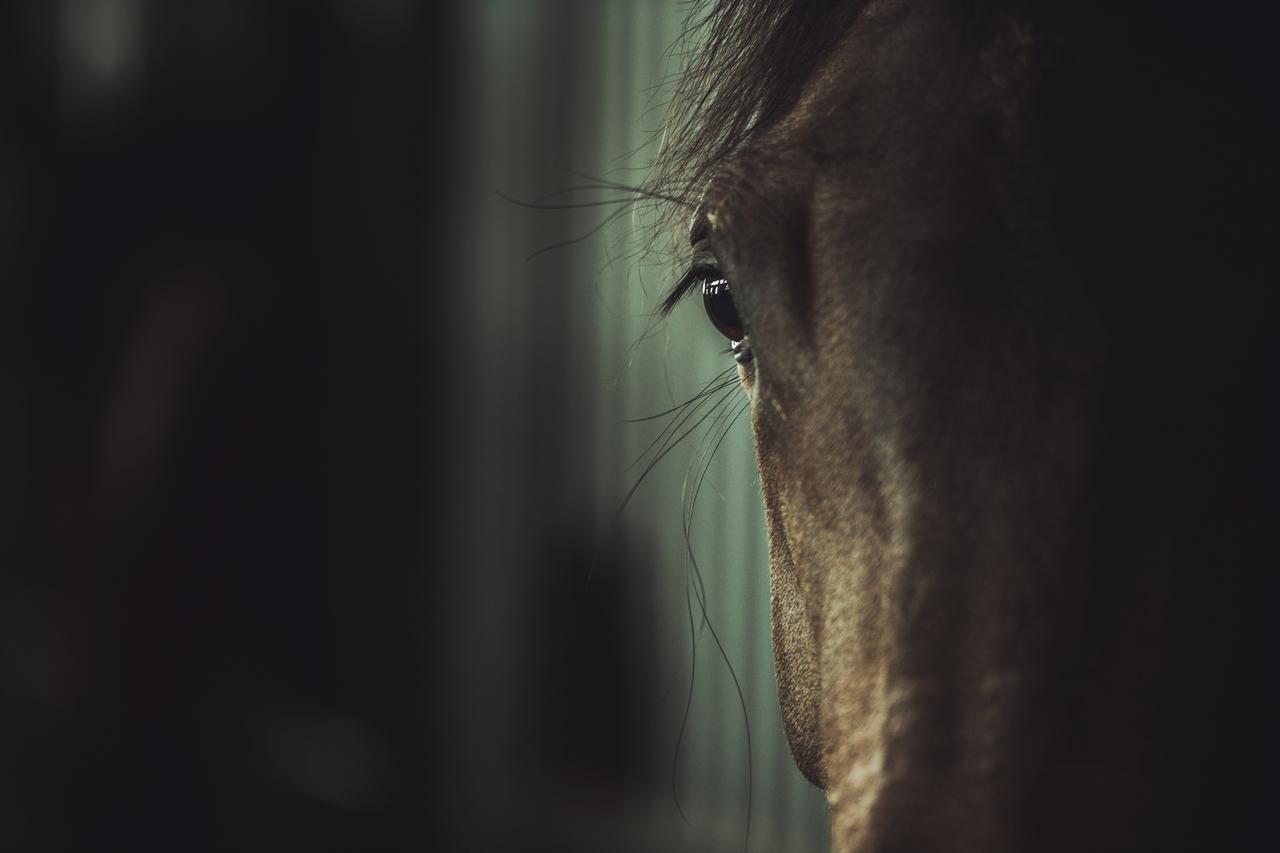


A food safety investigation in southern Türkiye has uncovered a shocking case of food fraud after a citizen discovered an electronic tracking microchip inside a meal served by a municipal soup kitchen.
The Ministry of Agriculture and Forestry confirmed on March 12, 2026, that DNA analysis of the meat served at the Mersin Metropolitan Municipality soup kitchen revealed the presence of "single-hooved animal meat."
The investigation linked the remains to Smart Latch, a 4-year-old English thoroughbred mare with three career wins.
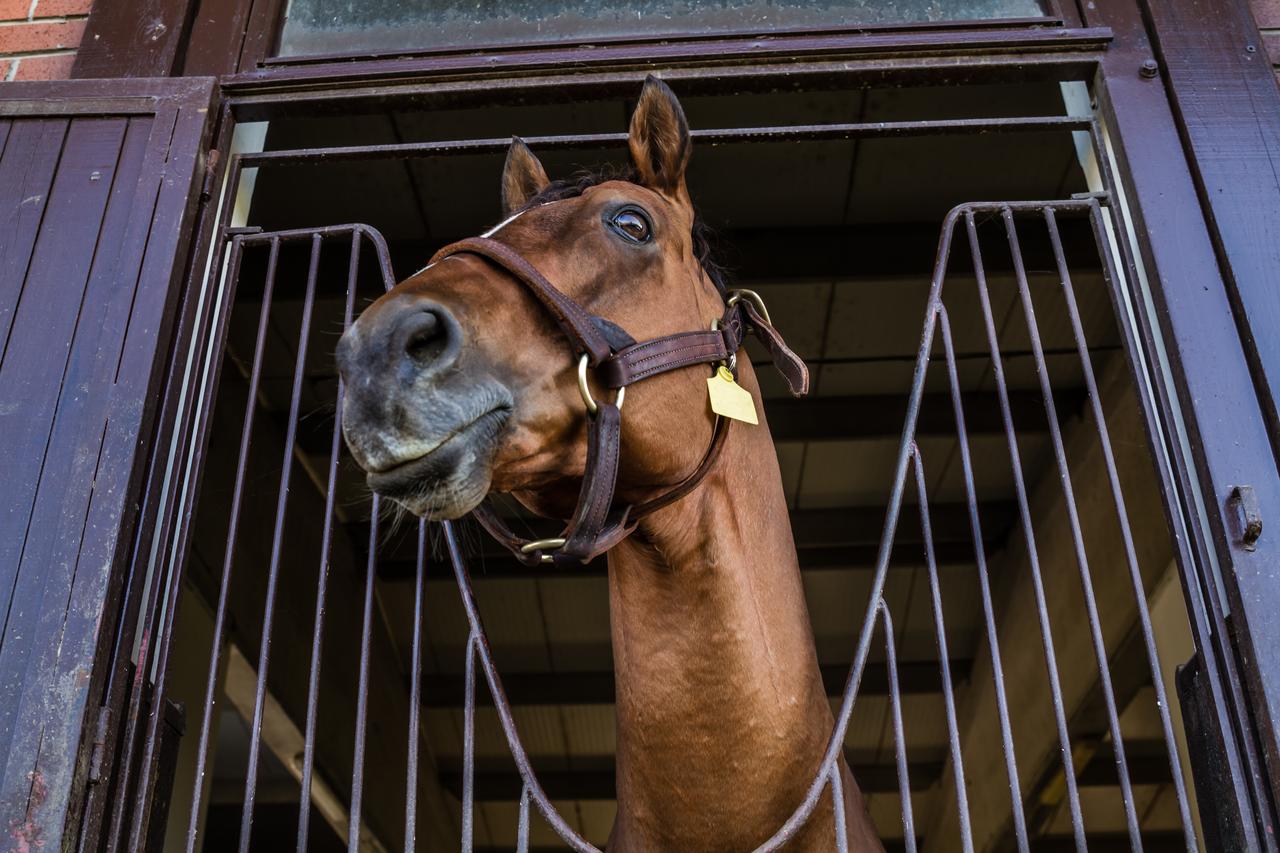

The scandal began when a citizen dining at the public soup kitchen noticed a foreign object in their "kavurma" (sauteed meat) and filed a complaint with the Ministry.
Experts from the General Directorate of Food and Control identified the object as a microchip from the Adana Yesiloba Hippodrome.
In Türkiye, all racehorses carry these chips to track their health and racing history. Eray Hazar, President of the Adana Branch of the Turkish Racehorse Breeders and Owners Association, emphasized the importance of this technology.
"Even without physical identity papers, we can determine where a horse is or what happened to it through these chips," Hazar said. He added that the racing community is in shock, as breeders view these animals "like their own children."
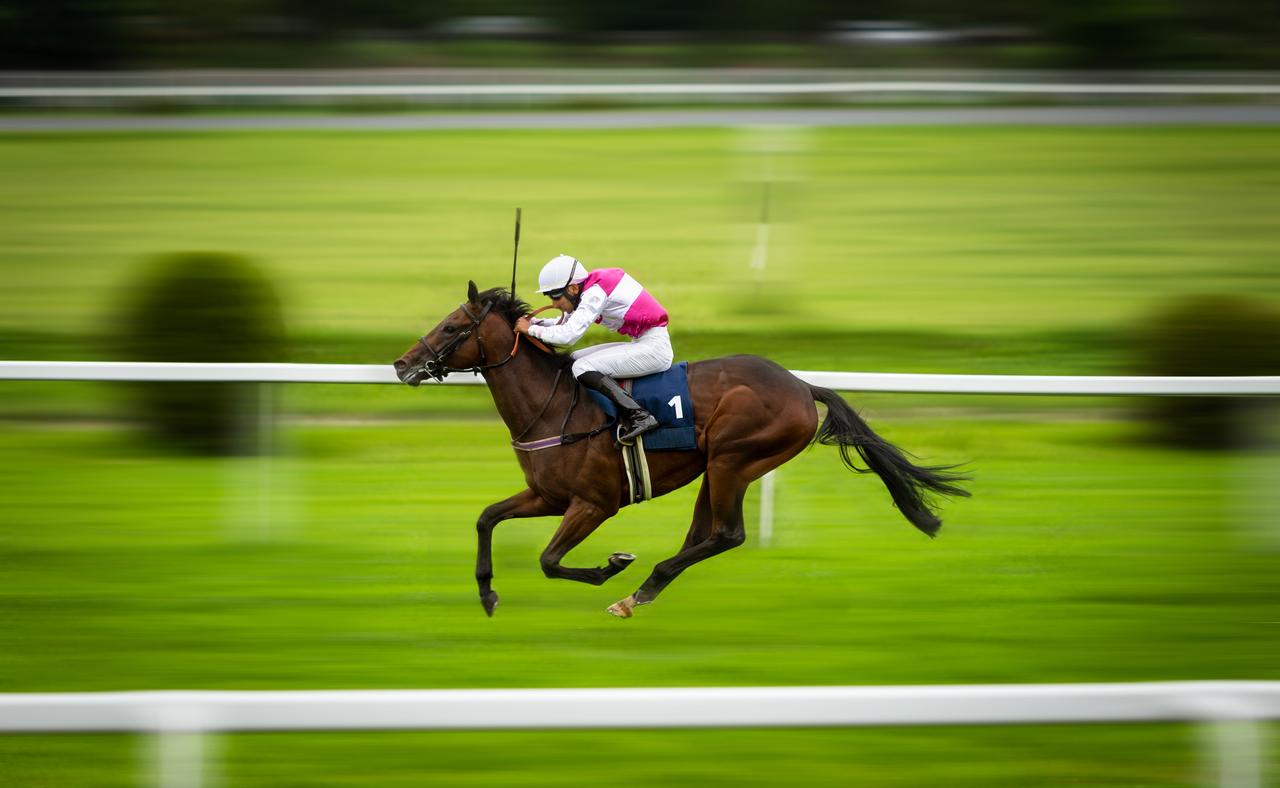
The horse’s owner, Suat Topcu, provided a detailed account of the events leading up to the scandal.
Smart Latch was a successful competitor, earning three first-place finishes before a leg fracture ended her career. Topcu originally brought the horse back to his farm to begin a new life as a breeding mare.
"We brought her to the farm to become a mother. However, during the veterinary checks, the vet told us she could not be a breeder because of a physiological defect in her uterus," Topcu told Milliyet.
After learning she could not have foals, Topcu decided to donate the horse for free to an equestrian club in Osmaniye, where children learn to ride. He handed the horse to a long-time transporter, but the animal never reached its destination.
Topcu pointed to a lack of official oversight for retired horses. "In the past, the Jockey Club of Türkiye (TJK) accepted retired horses as donations and placed them in safe hands. We have been left helpless for the last 10 years," he said.
However, he also admitted to a mistake in the handover process. "My error was perhaps donating the horse without officially transferring the title. I tried to do a good deed and instead became a vehicle for something evil."
"I was there when this horse was conceived. I cared for her for two years before she went to the track," Topcu added. "Whoever harms an animal would harm a human."
The investigation suggests that instead of going to the riding club, the horse was illegally slaughtered.
The meat was then introduced into the commercial market labeled as "beef." This fraudulent product was eventually sold to the firm that provides food supplies to the Mersin Metropolitan Municipality.
The Municipality issued a written statement defending its procurement process, noting that they use an open tender system.
"Our meat deliveries are conducted under the supervision and approval of the District Agriculture Directorate's authorized slaughterhouse veterinarian and recorded on camera," the municipality stated.
"Since the allegations reached us on February 4, 2026, we have re-examined the process and now request Ministry laboratory analysis results for every single purchase."

Before the scandal, Smart Latch was known as a promising competitor.
Her career highlights included:
The discovery has caused significant public outcry in Mersin, particularly among those who rely on the soup kitchen for daily meals.
A formal legal investigation is currently underway to identify the individuals who diverted the horse to the illegal slaughterhouse and falsified the meat labels.


 Set as preferred source
 Set as preferred source



 2 min read