Newsletters


A dog once overlooked in a municipal shelter is now being trained to locate survivors in disaster zones, as authorities in western Türkiye expand their search and rescue capacity.
“Momo,” a two-year-old Belgian Malinois adopted by the Izmir Metropolitan Municipality fire department, is undergoing specialized training to become a certified search and rescue dog capable of detecting people trapped under rubble.
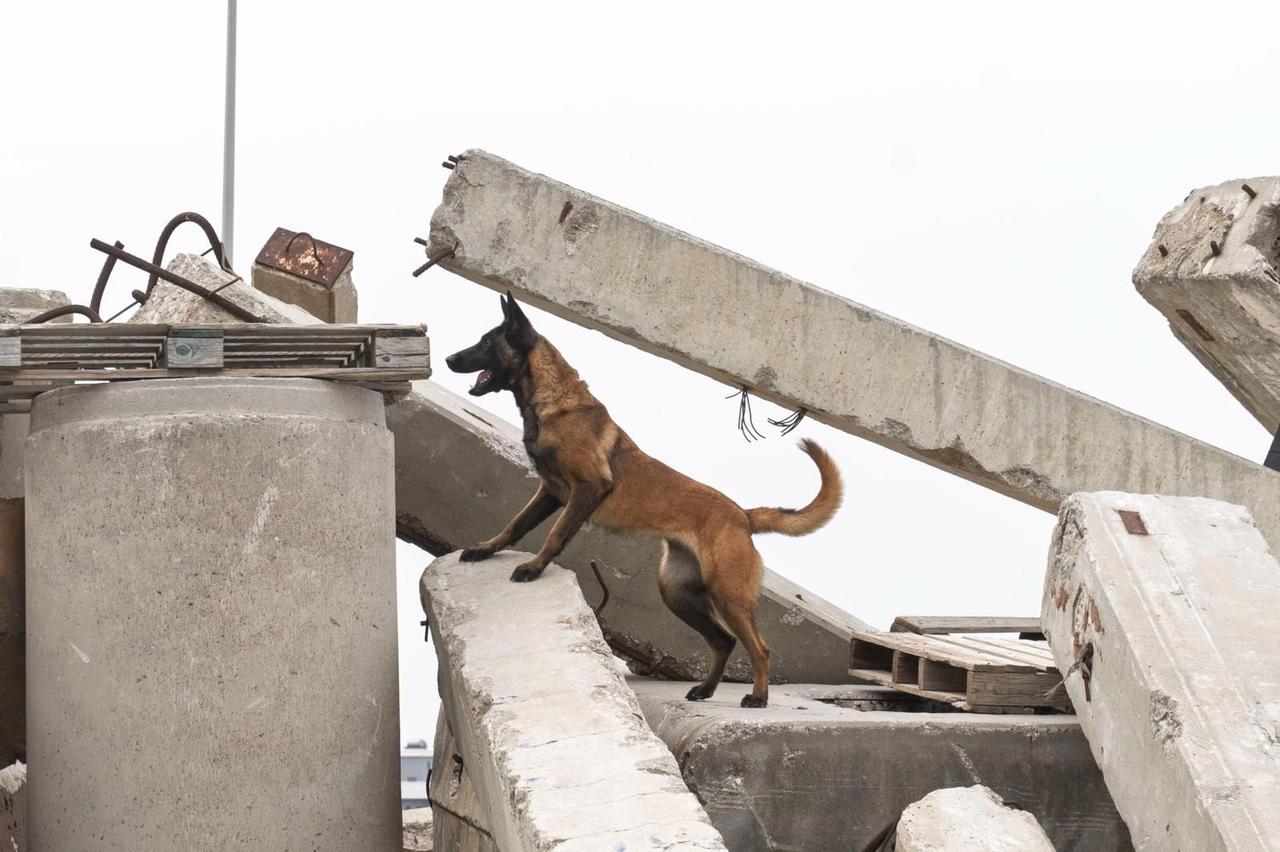

According to a municipal statement, the dog was adopted from the Pako Street Animals Social Life Campus by the K9 unit operating under the fire department’s Search and Rescue Branch.
Momo has joined a working group that already includes five trained dogs from Malinois, Labrador, and Border Collie breeds. Since being taken in, the dog has shown rapid progress in exercises designed to develop scent detection and response skills critical for disaster scenarios.
Officials said that if Momo successfully passes certification exams conducted by Turkey’s Disaster and Emergency Management Authority in September, the dog will be deployed in active rescue operations.
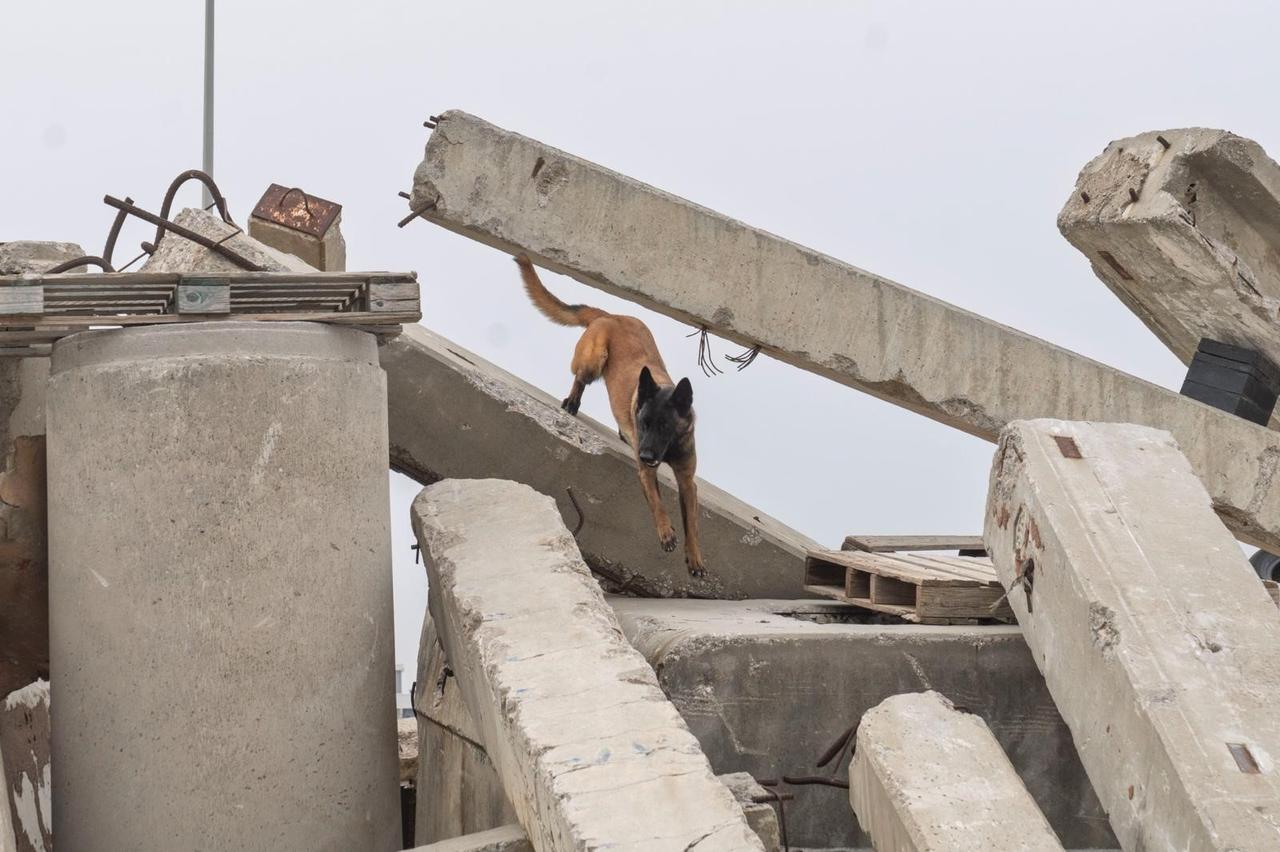
Erman Demirtas, a dog trainer and veterinary technician in the K9 unit, said the transformation reflects both the animal’s capability and the impact of structured training.
“When we first took him in, he was weak. Some people said it would be difficult,” Demirtas said. “But we saw his potential. With proper care, patience, and training, he reached a completely different level. He can now distinguish human scent under rubble and respond correctly.”
He noted that preparing a search and rescue dog typically takes around one and a half years, emphasizing the urgency of time in disaster response.
“K9 dogs allow us to reach people in places we cannot access,” he said. “They are our most important teammates.”
The initiative also points to a broader approach that combines disaster preparedness with animal welfare, as authorities highlight the untapped potential of shelter animals.
Demirtas added that many capable animals are still waiting to be discovered, describing Momo as a clear example of how a second chance can translate into life-saving work.


 Set as preferred source
 Set as preferred source


 2 min read