Newsletters


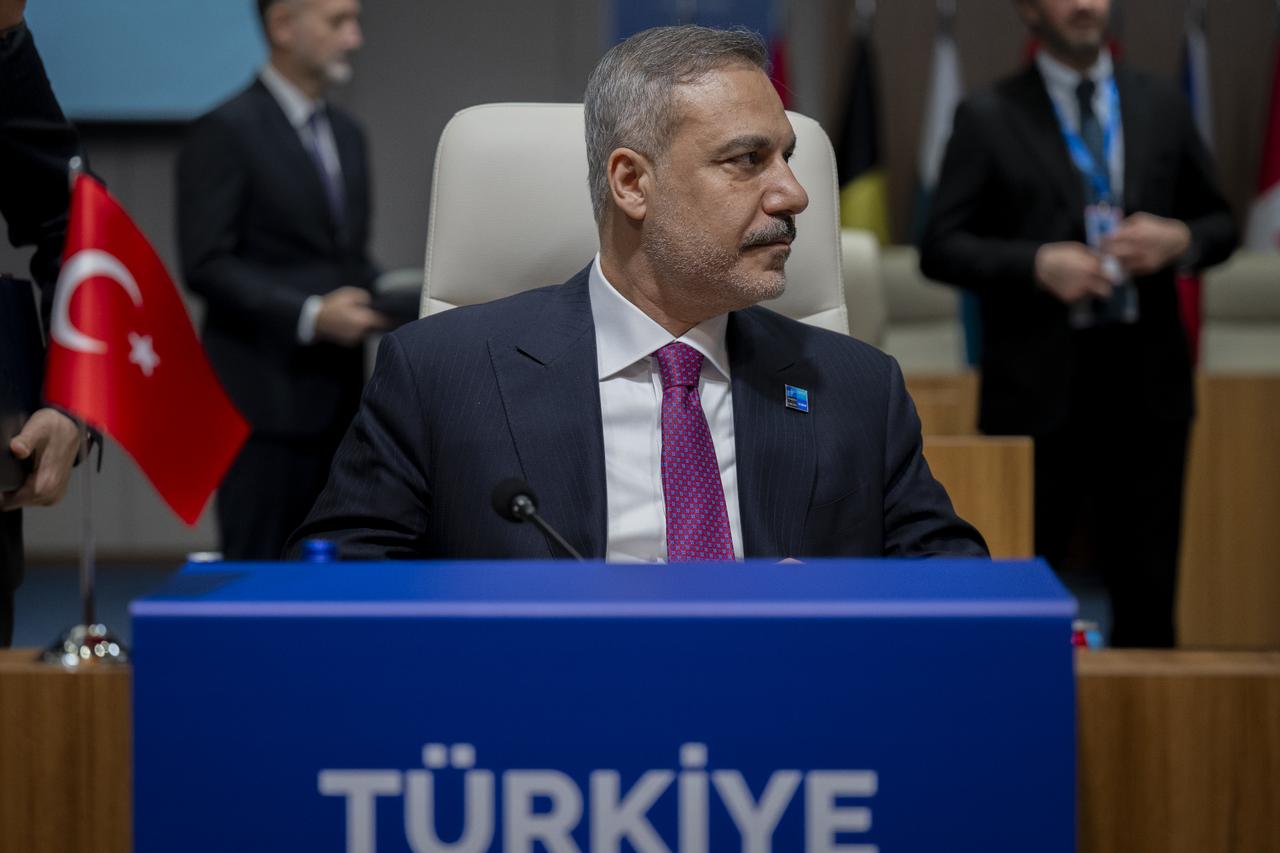


Turkish Foreign Minister Hakan Fidan said there's "no reason" for open conflict with Israel—even as he accused Prime Minister Benjamin Netanyahu's government of being a "burden" on regional and international security.
He made the comments in an interview with Hadley Gamble's "On the Record" program, following the NATO summit in Ankara.
He echoed NATO Secretary-General Mark Rutte's assessment that President Recep Tayyip Erdogan "is a leader of peace and wisdom" who "wouldn't be baited into anything."
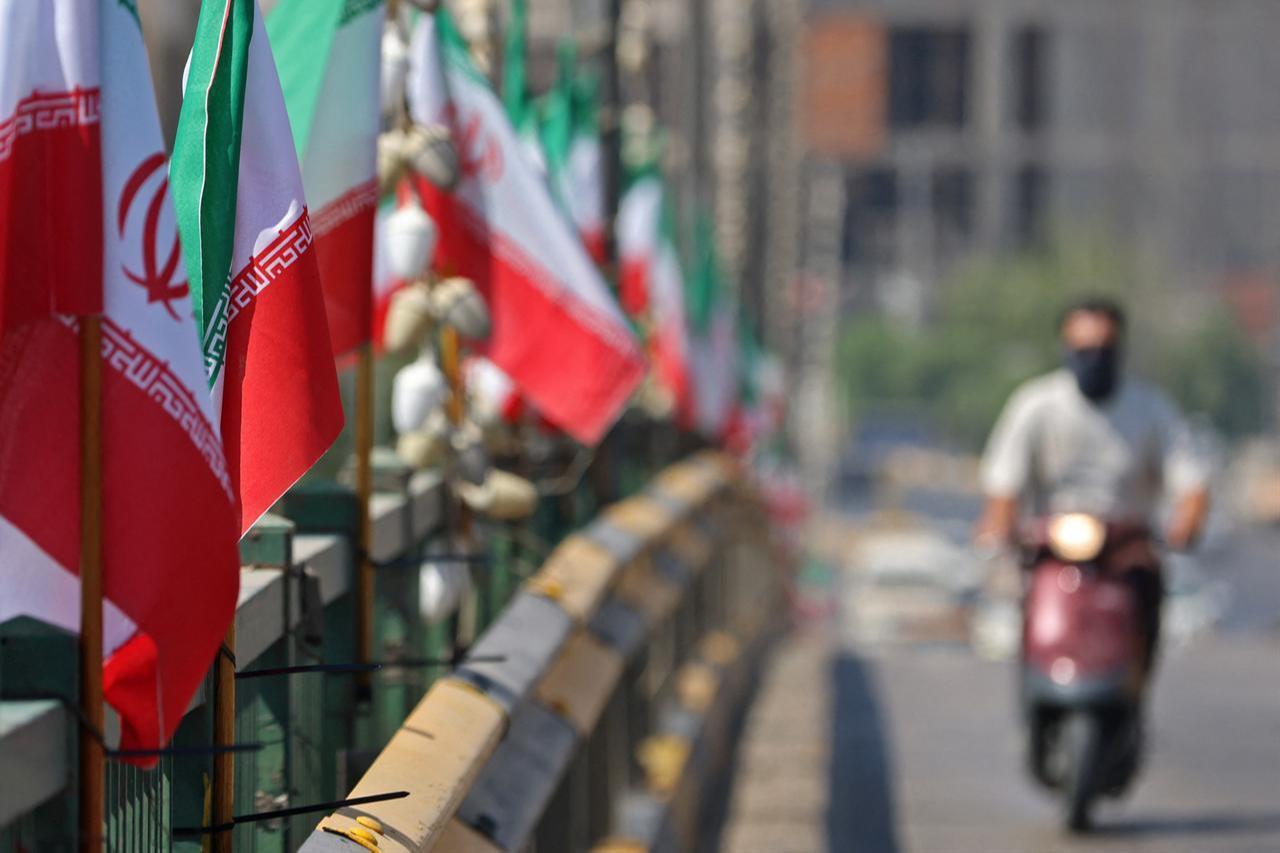
Fidan said he believes the ceasefire with Iran can hold, despite President Trump's declaration that it was "over," describing Iran's recent actions as "retaliation" rooted in a miscommunication rather than a deliberate breakdown.
"I think there was a lack of communications and misunderstanding between both sides in terms of how to implement the passage through the strait," he said, adding that a phone call with his Iranian counterpart late Thursday left him with "a deeper understanding of the root of the problem."
Fidan said de-escalation was the solution, noting, "Both sides genuinely want to have the ceasefire and to move ahead with the peace agreement."
"Nevertheless, there is always a percentage of accident possible, and because of miscommunications or provocations and retaliations, we have to be very careful," the top Turkish diplomat noted.

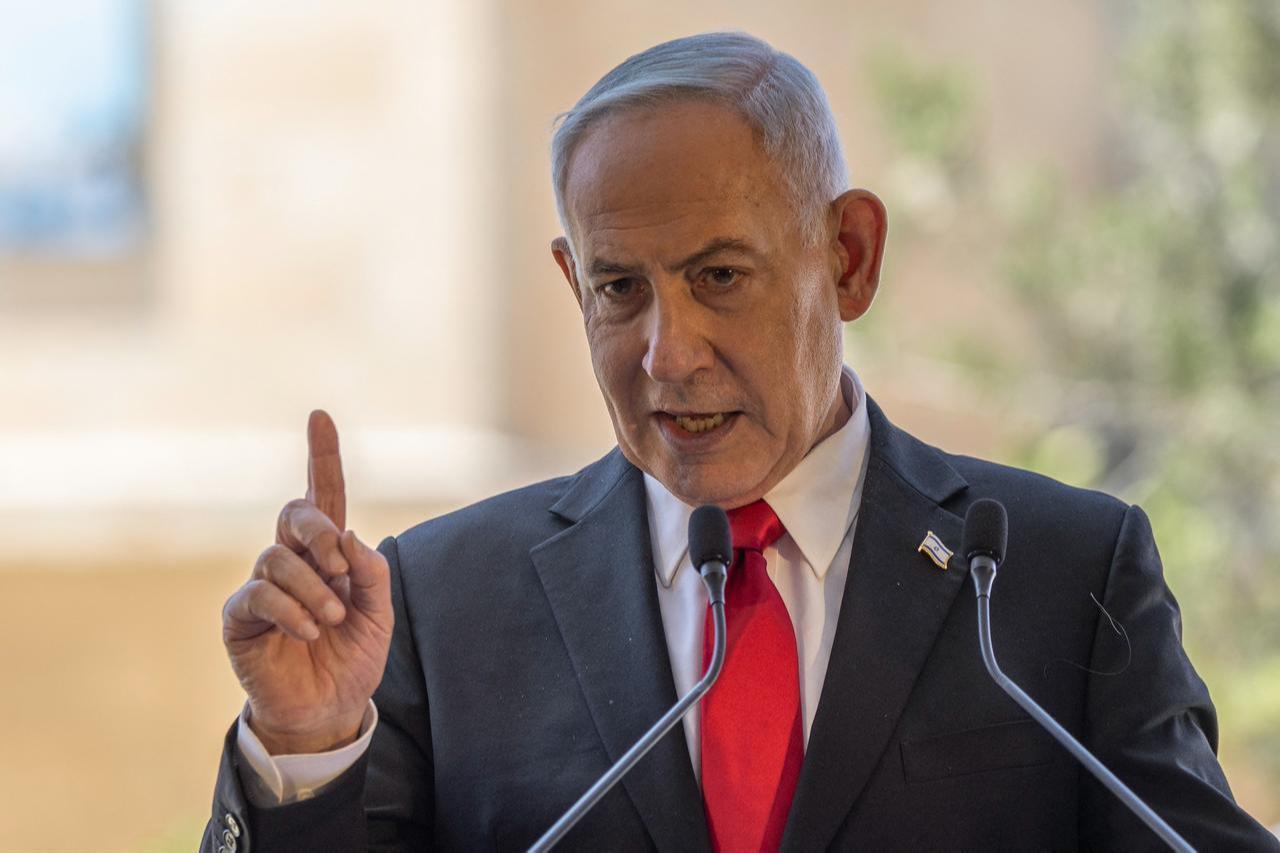
Fidan directly accused Netanyahu and his political supporters of needing an external enemy as Israeli elections approach, warning that Israeli policy poses a liability for the entire region.
"The policies of Netanyahu's government are not only a problem for us," he said, adding, "His policies and his government are a burden for Israel, a burden for the region, and a burden and threat for international security."
Fidan said European leaders were beginning to recognize the danger posed by Israel but had not yet found ways of addressing it, warning that Israeli attempts to destabilize progress made in Syria could change that calculus.
"We are not sure if Israel wants to see a stable, good, powerful, evolving, developed Syria," he said.
Asked directly whether Israel was trying to destabilize the new government in Damascus, Fidan replied, "When you look at the past and current patterns of the Israeli government towards the regional countries, yes."
On Gaza, Fidan said the Trump-backed "Board of Peace" initiative had been "instrumental in stopping the genocide," but said it had not yet delivered on promised humanitarian aid.
"In terms of seeing the deliverables that are promised by the plan itself, especially seeing the people that they are getting enough military assistance, shelter and medicine, I think in that part the plan has not fully succeeded yet," he said.
Fidan said international attention had shifted elsewhere because of the war in the Gulf, adding, "We need more pressure from the international community on Israel to let more humanitarian aid reach Palestinians."
Fidan said Türkiye is uniquely positioned to mediate regional disputes because of its history in the region.
"We know everybody, we know the dynamics of every conflict," he said, adding, "So, I think we are best positioned to really understand (what is happening) and how to help stop them."
He said the region needed to take greater ownership of its own problems, adding, "It is time for the region to have to shoulder the problems of our region, and to show ownership. With the old understanding, we will get both implementations and policies (that fail)."
He said the alternative was a new security arrangement guaranteeing "safety, security, political sovereignty, and territorial integrity of every party in the region."
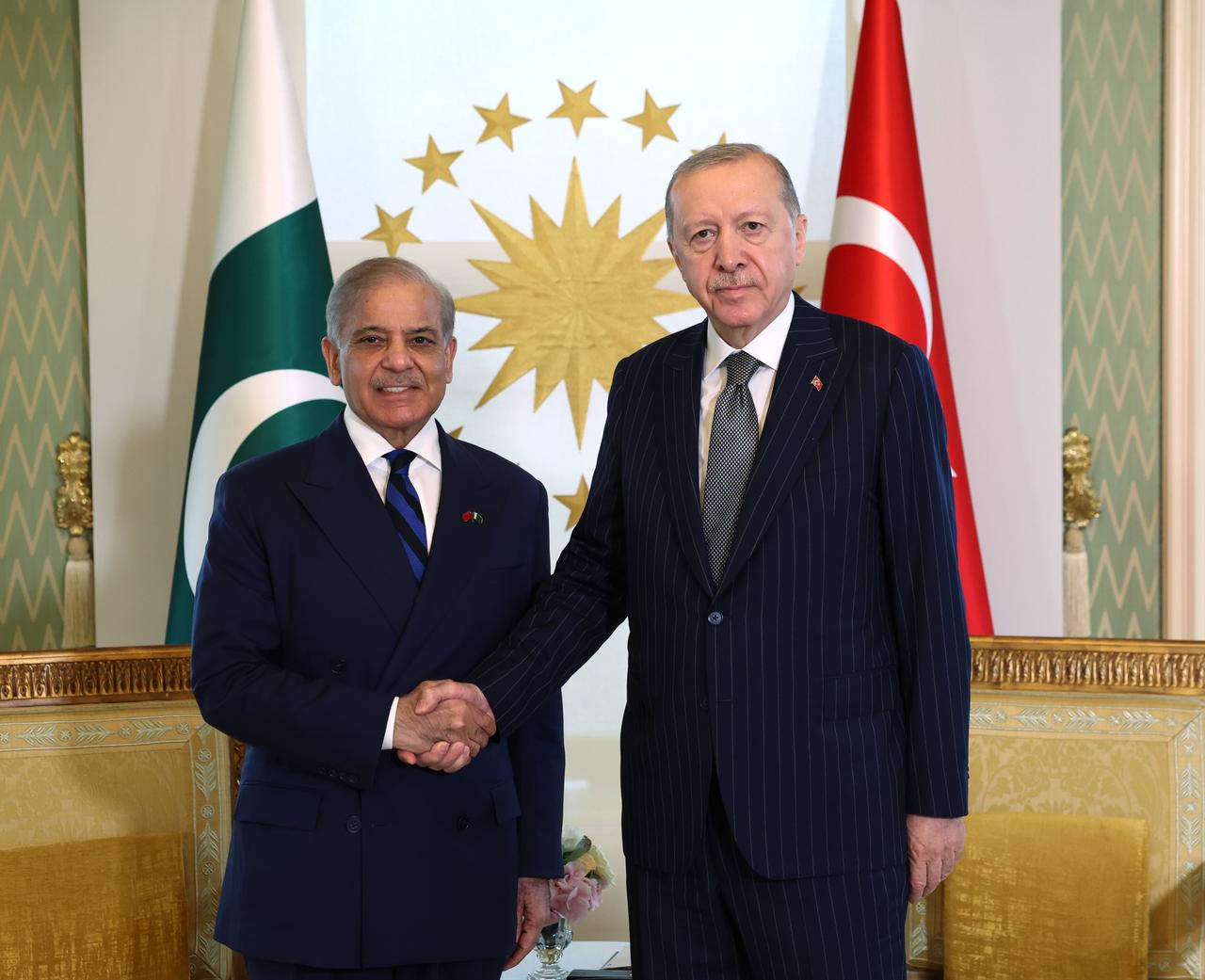
Fidan noted that Türkiye, along with Pakistan, Egypt and Saudi Arabia, formed a working group earlier this year aimed at building "a new order in our region based on peace."
He said the group was not intended to replace the Arab League or the Gulf Cooperation Council, but to move faster than those institutions. "They are too formal," he said, adding, "To have a good decision or permanent decision from a formal organisation is very difficult."
Fidan said he was cautiously optimistic about Iraq's new prime minister, but said real progress there would require addressing Iran's influence over the country, along with Iran's regional proxies, including Hezbollah and Hamas.
"We need to go back to a situation where the sovereignty and territorial integrity of every nation is fully recognised," he said.
"Iran has claimed for a long time that it was a pre-emptive security policy that they've been taking by having (proxies) in these countries, just like the Israelis are occupying the rest of the region as part of security," the top Turkish diplomat noted.
Fidan said a new regional security understanding could offer Iran a path to scale back that approach.
"If we reach a new security understanding—one that guarantees the safety, security, political sovereignty, and territorial integrity of every party in the region—I think that should tell Iran: we can go back to our corners," he said.
"I believe Iran is mature enough to understand these realities, and hopefully, if we reach a peace agreement between the United States and Iran, we can start having real, healthy discussions.
We have to be frank, transparent, and sincere in defining our problems and finding solutions to them," Fidan said.


 Set as preferred source
 Set as preferred source


 6 min read