Newsletters


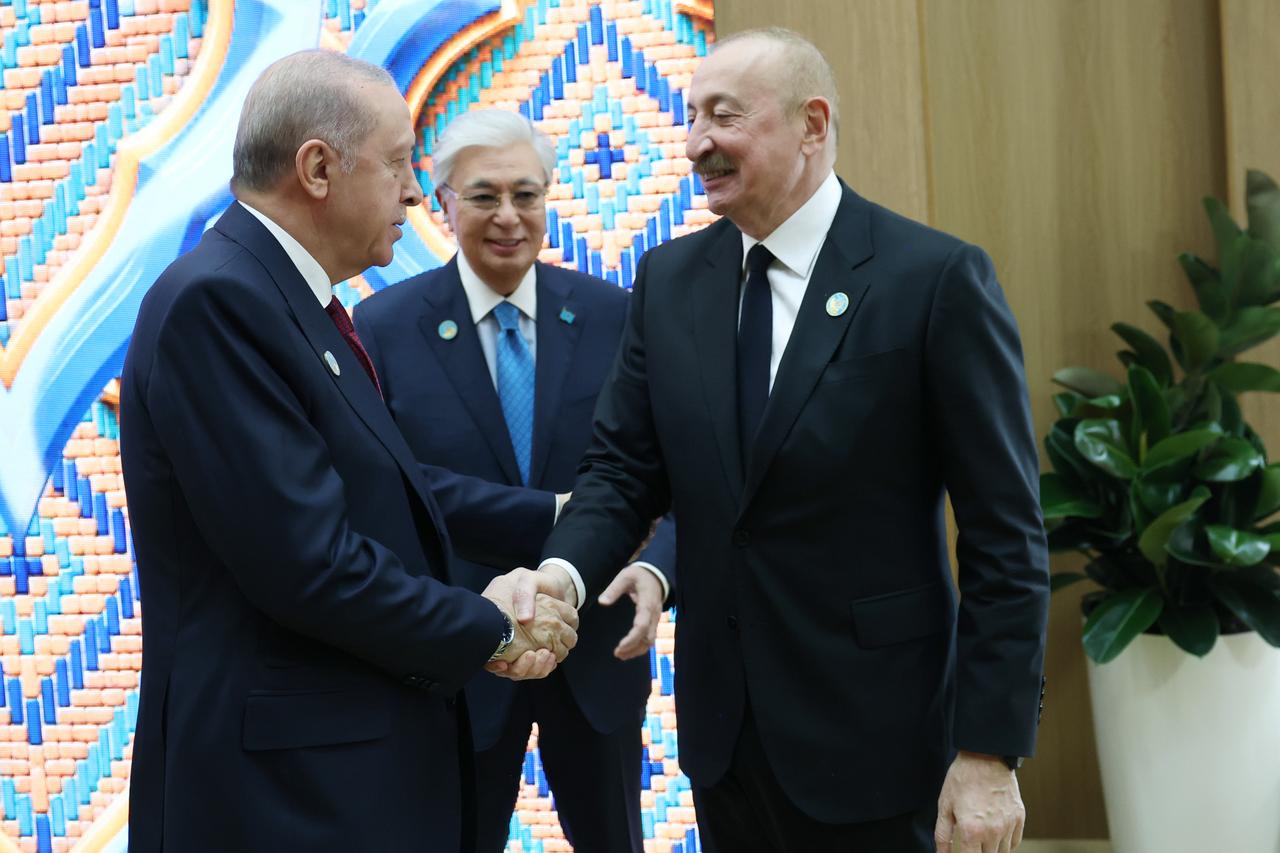


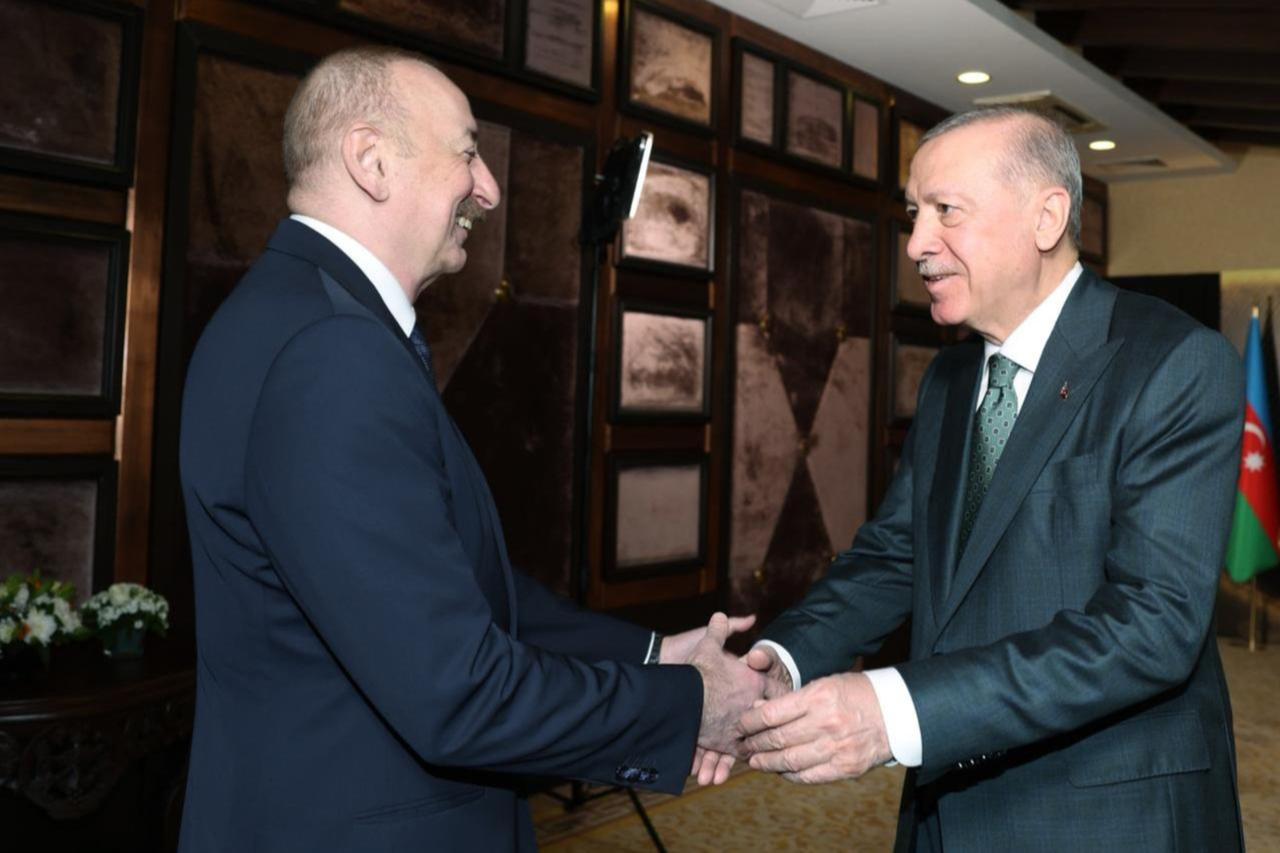
Turkish President Recep Tayyip Erdogan said Thursday that no obstacle could undermine the brotherhood between Türkiye and Azerbaijan, dismissing concerns about relations between the two countries amid reports of recent diplomatic tensions.
Speaking to journalists aboard his presidential aircraft while returning from an official visit to South Korea, Erdogan emphasized the depth of ties between Ankara and Baku and revealed that he was considering a visit to Azerbaijan on Nov. 8.
"Our relations with Azerbaijan go far beyond conventional diplomatic contacts. The unbreakable bond between our two countries is the product of our shared history, culture, destiny and, our future," Erdogan said when asked about reports of tensions between the two countries.
His remarks followed recent friction over Azerbaijan's decision to ban headscarves in primary and secondary schools, which drew criticism in Türkiye, particularly on social media.
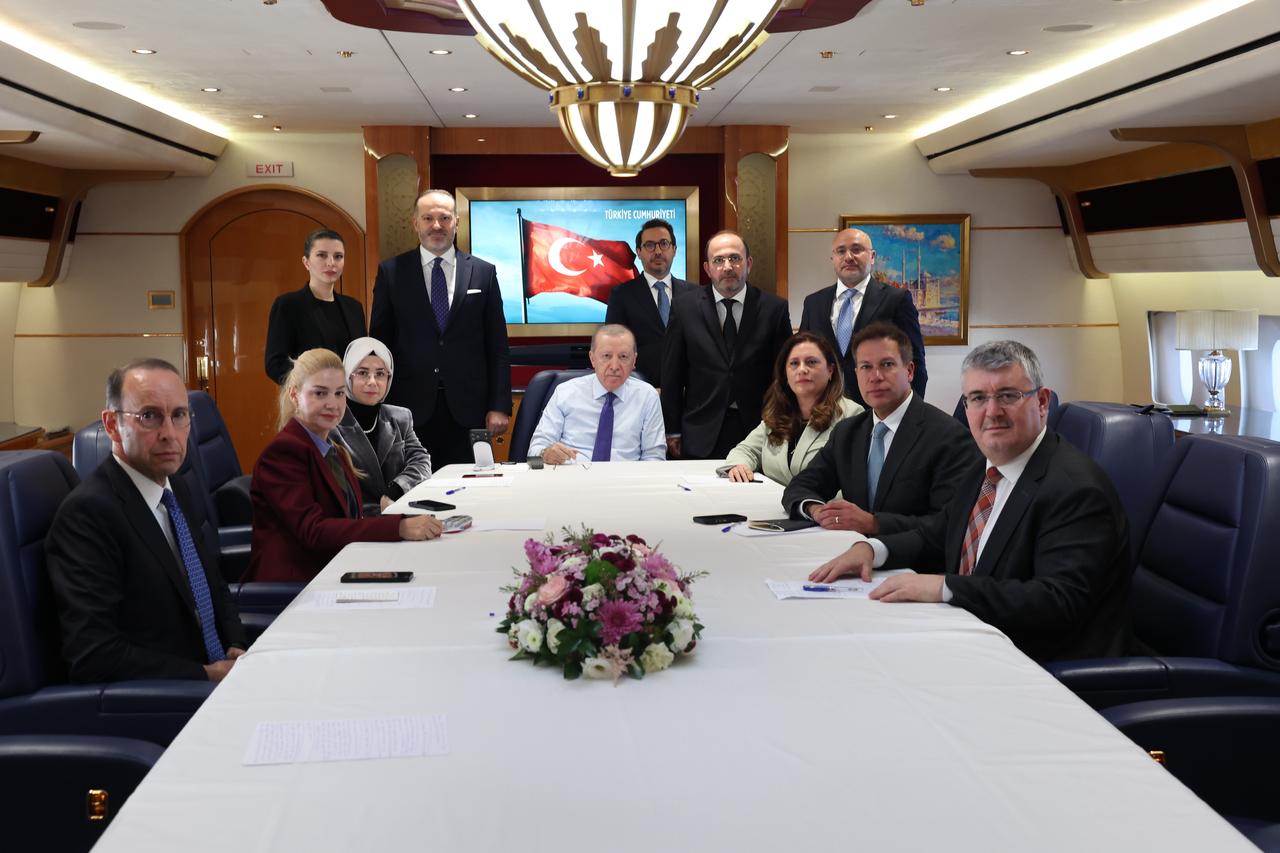

Erdogan said Ankara and Baku had maintained high-level diplomatic contacts, including conversations between the two presidents and visits by senior Turkish officials.
"I have already held phone conversations with Azerbaijani President Ilham Aliyev. In the meantime, I have sent both my intelligence chief and my foreign minister to Azerbaijan," Erdogan told journalists.
"There has also been telephone diplomacy during this period, both between Mr. Ilham and me and between our spouses, and these contacts are continuing," he added.
The Turkish president also said he was considering traveling to Azerbaijan on Nov. 8 to mark the country's Victory Day.
"Azerbaijan celebrates Victory Day on Nov. 8. Unless something extraordinary happens, I am considering a visit to Azerbaijan on Nov. 8. Hopefully, this visit will also give us an opportunity to take the necessary steps," Erdogan said.
He added that Azerbaijan attaches great importance to the annual commemoration.
Erdogan's comments came amid questions over the state of relations between the two countries following Azerbaijan's restrictions on headscarves in primary and secondary schools.
The restrictions, introduced in September, prompted criticism of the Azerbaijani government in Türkiye, particularly on Turkish social media.
On Oct. 25, Erdogan dismissed chief presidential adviser Oktay Saral, who had publicly criticized Azerbaijan's decision.
 1 min read
The dismissal was reportedly described as an effort to ease tensions between Ankara and Baku over the dispute.
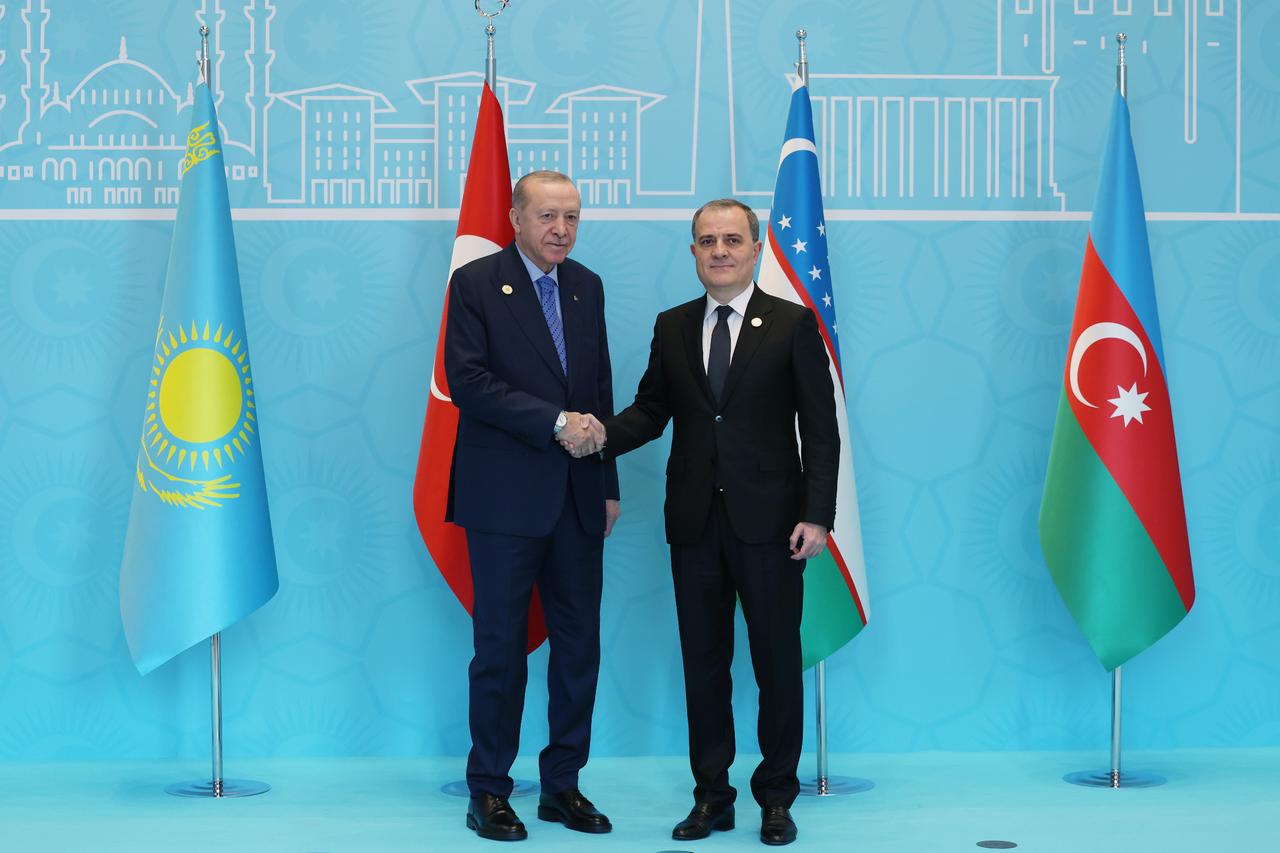
Questions about bilateral relations also intensified after Azerbaijani President Ilham Aliyev did not attend the 13th summit of the Organization of Turkic States (OTS), held in Ankara on Oct. 30.
Azerbaijan was instead represented by its foreign minister.
Despite the recent developments, Erdogan reiterated the strength of bilateral ties, emphasizing their shared history, culture and future while pointing to continuing diplomatic engagement between the two governments.


 Set as preferred source
 Set as preferred source


 1 min read