Newsletters


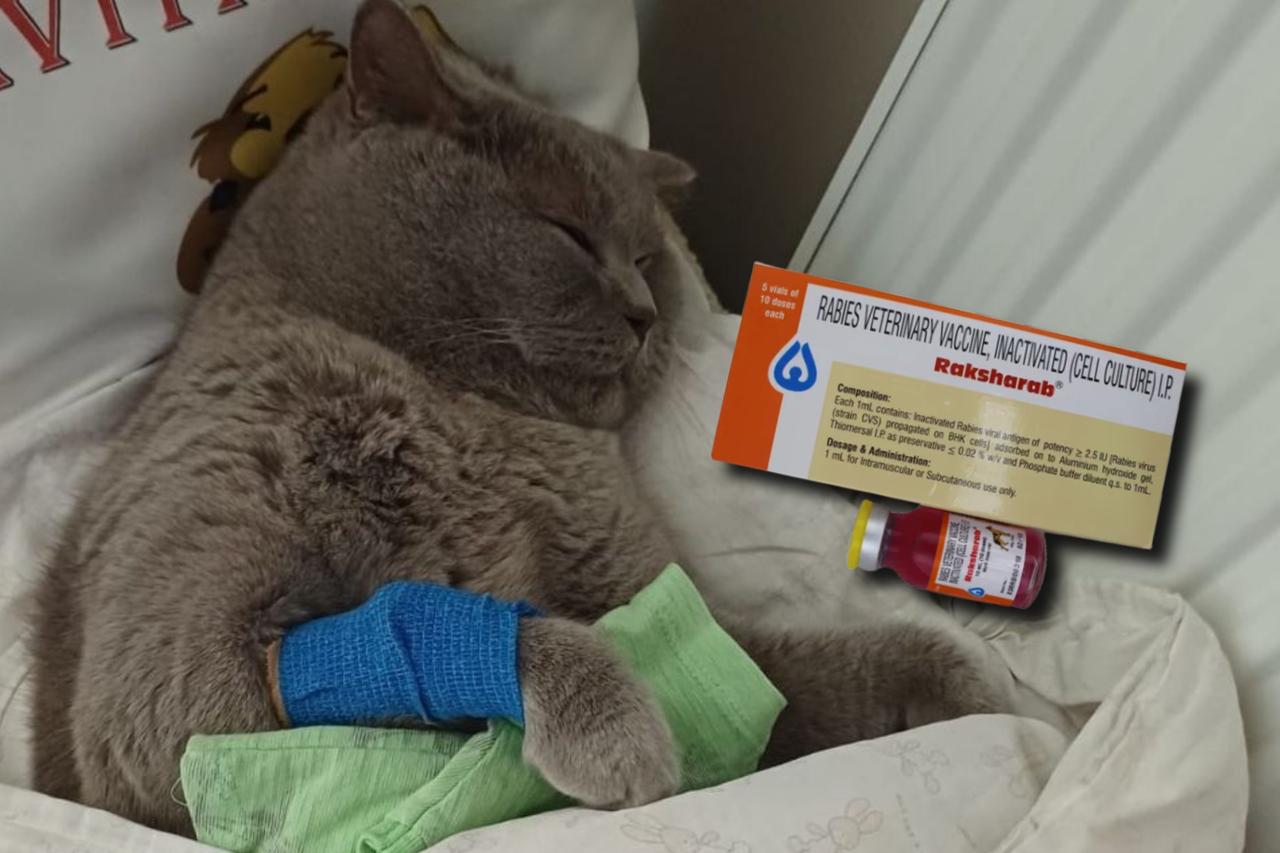


A family in Türkiye’s northern province of Samsun has filed official complaints after their pet cat died following a rabies vaccination, raising wider concerns over alleged similar cases reported by other pet owners.
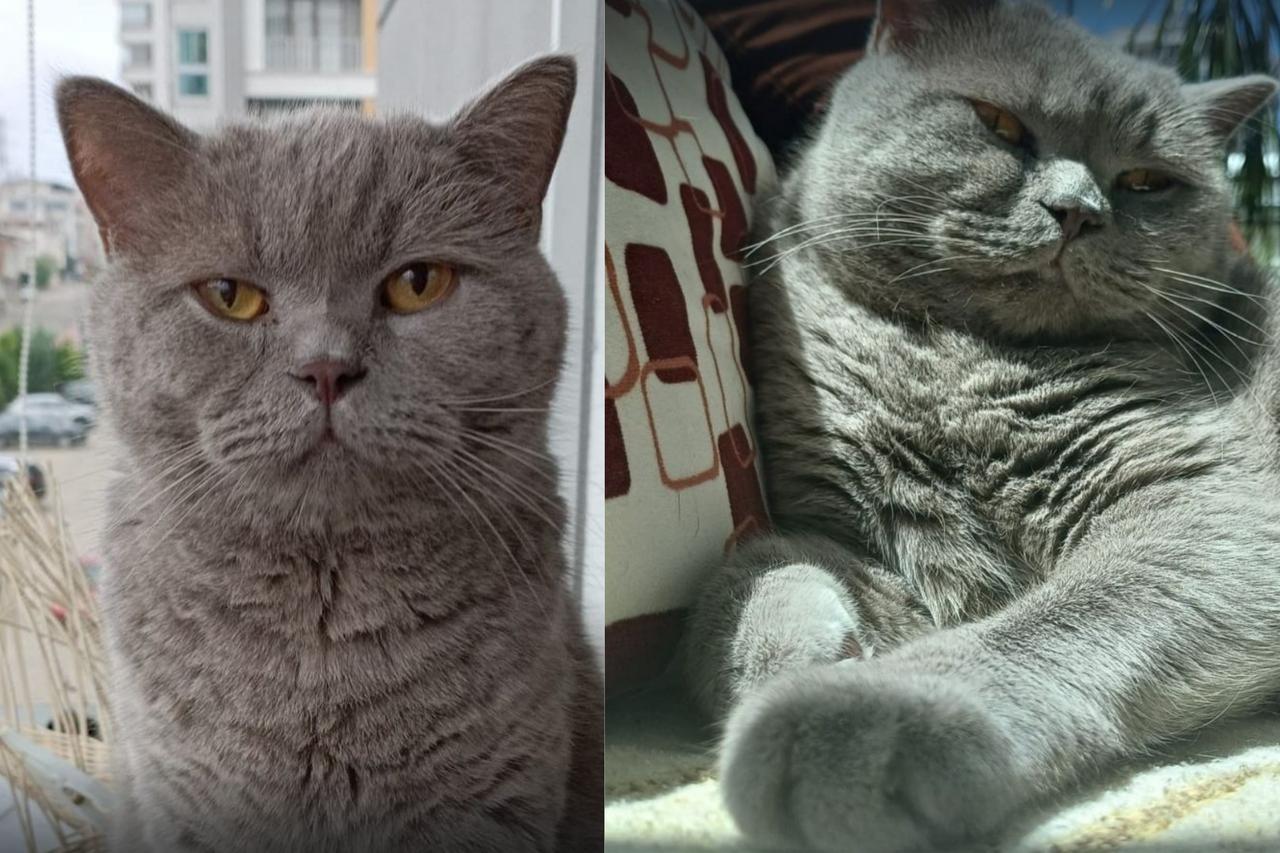
The incident occurred in the Ilkadim district, where the Sekercioglu family took their six-year-old British breed cat, “Pasa,” to the provincial Directorate of Agriculture and Forestry for a routine rabies vaccination. According to the family, the vaccine administered was a product named “Raksharab,” reportedly of Indian origin.
Shortly after returning home, the cat began vomiting repeatedly. After administering initial treatment, including antibiotics and fluid therapy, the animal's condition improved temporarily before deteriorating again days later. The cat was admitted to a university veterinary hospital but died after treatments proved ineffective.
The family subsequently filed complaints with the Presidential Communication Center (CIMER), a government platform used by citizens to submit official requests and grievances, as well as with the Samsun chief public prosecutor’s office.
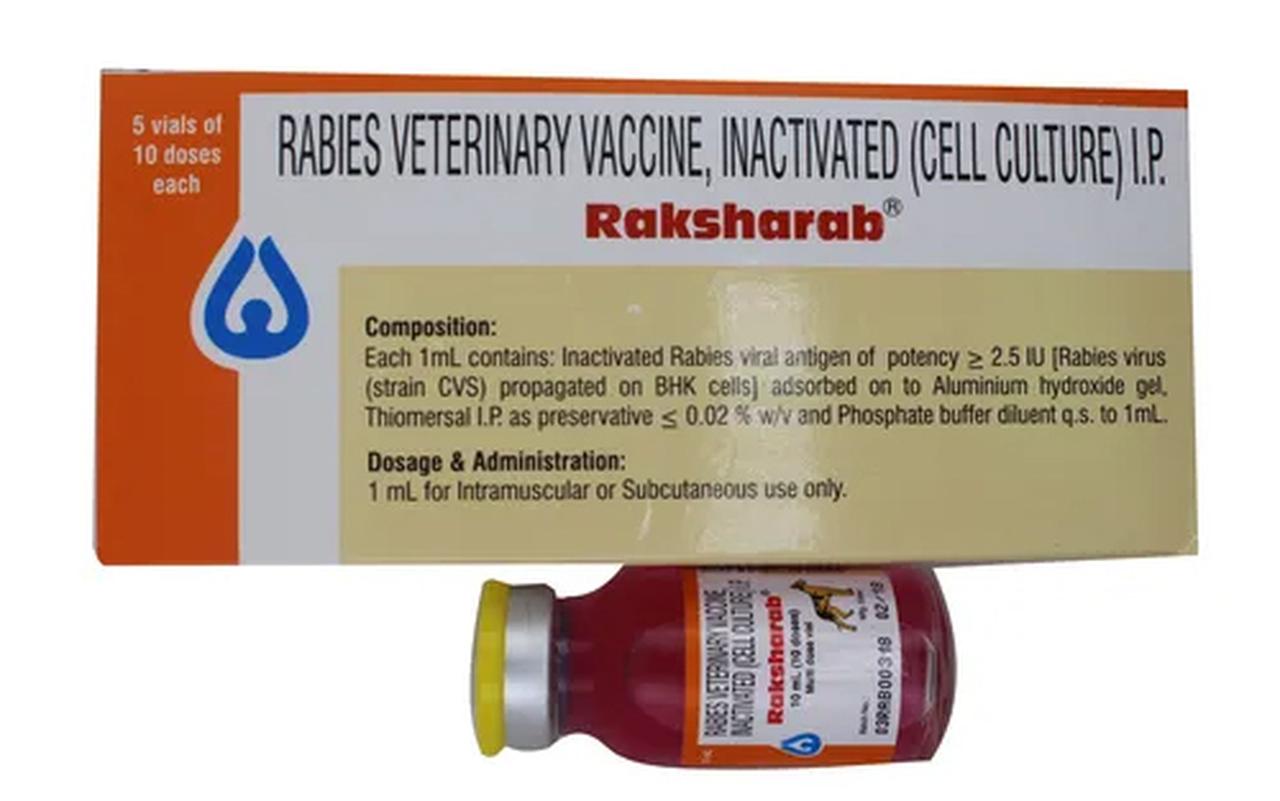

Speaking to Patidio about the case, the pet owner said the animal fell ill immediately after vaccination and later collapsed completely. The owner linked the symptoms and death directly to the vaccine, stating: “We had our cat vaccinated against rabies at the Provincial Directorate of Agriculture and Forestry… After this vaccine called Raksharab was administered, our cat started vomiting.”
The family further claimed that similar cases have been reported across multiple provinces, citing online complaints and alleging that many pets experienced severe symptoms, including internal organ damage and bloody diarrhea. They called for the suspension of the vaccine’s use and urged authorities to switch to alternatives.
The emotional impact of the loss was also emphasized, with the family noting that their children were deeply affected by the death of what they described as a member of their household.
Responding to the allegations, Samsun Provincial Director of Agriculture and Forestry Kemal Yilmaz said that thousands of rabies vaccinations had been administered in the region. He noted that a small number of animals had shown allergic reactions following vaccination.
According to Yilmaz, such reactions may include gastrointestinal symptoms like diarrhea and, in rare cases, may lead to death. However, he stressed that similar risks exist with all vaccines and that these reactions can generally be treated.
Veterinary organizations approached for comment indicated that they were aware of the claims but lacked definitive scientific evidence to confirm a direct link between the vaccine and the reported deaths.
A representative of the Veterinary Physicians Association stated that all vaccines used in Türkiye undergo approval, quality control, and licensing by the Ministry of Agriculture and Forestry, adding that it would be incorrect to label a licensed vaccine as unsafe without scientific proof. The statement highlighted that multiple factors—such as the animal’s health condition, application procedures, and cold-chain handling—can influence outcomes.
Another veterinary association noted that rabies vaccines contain inactivated (killed) virus material and should not cause fatalities unless they are contaminated or mishandled. Consequently, the group demanded a transparent investigation and urged officials to suspend the vaccine's use until the results are clear.
 1 min read
Amid the growing debate, claims also emerged that authorities may stop using the Raksharab vaccine in provincial directorates and procure alternatives, while existing stocks could reportedly be redirected to animal shelters.
These claims have not been officially confirmed.


 Set as preferred source
 Set as preferred source



 1 min read