Newsletters


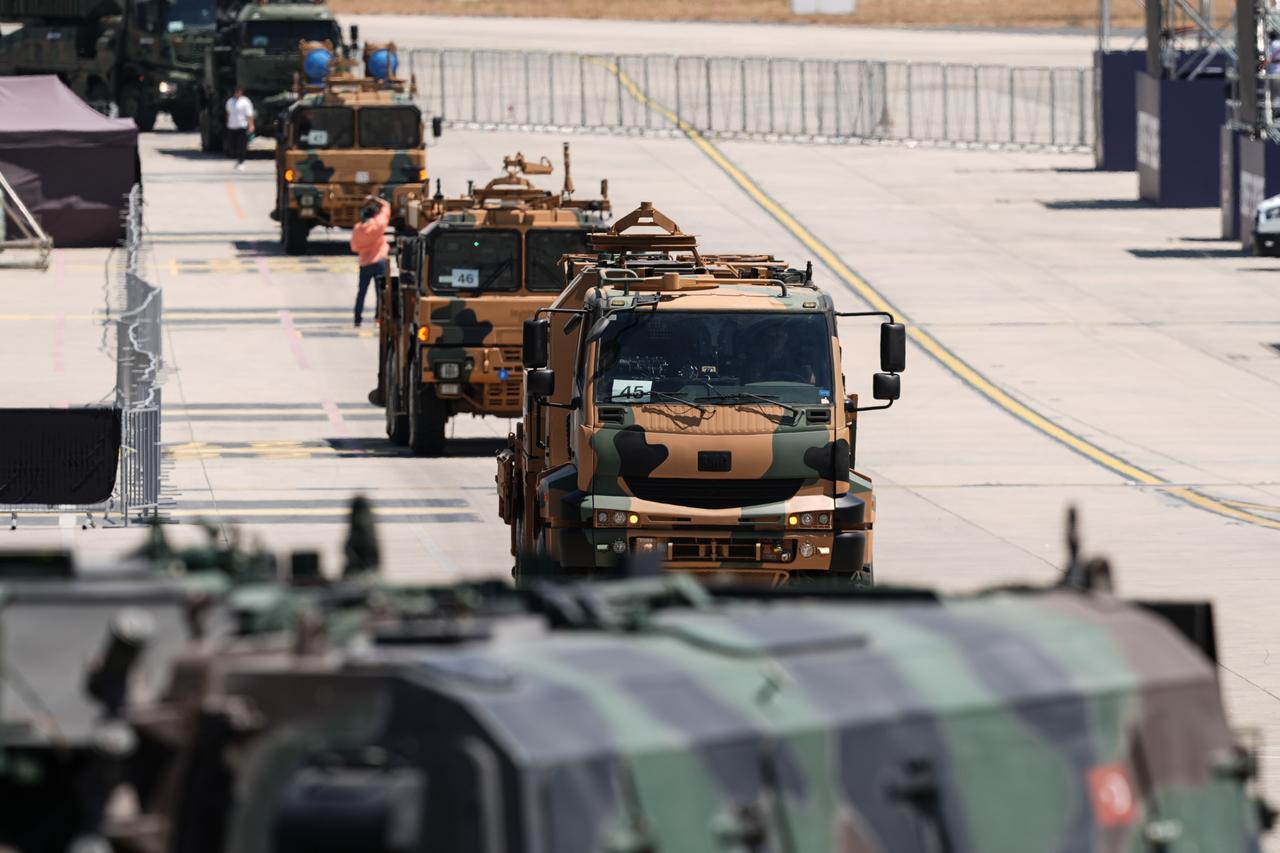


Turkish defense giant Aselsan's president and CEO, Ahmet Akyol, stated that he believes Turkish and European defense industries will cooperate despite past political barriers, as the company invests $1.5 billion to expand production and doubles Steel Dome air defense deliveries annually.
Speaking to Shephard at World Defense Show (WDS) 2026 in Riyadh, Akyol noted that the changing security environment will drive rapprochement between Türkiye and European defense industries.
"We are trying to increase international collaboration, especially with Europe. With this capability, with this agility, with large production line and large supply chain assets, we are ready to commit to long-term cooperation with European companies," Akyol said.
"The security environment is harder than before, and I think reality will overcome political barriers and logic will overcome these barriers," he noted.
"The partnership between Türkiye and European companies will benefit both sides. This is the reality and we are ready for this kind of cooperation," he added.
Akyol pointed to a potential collaboration with UK's Babcock following a recent meeting between officials.
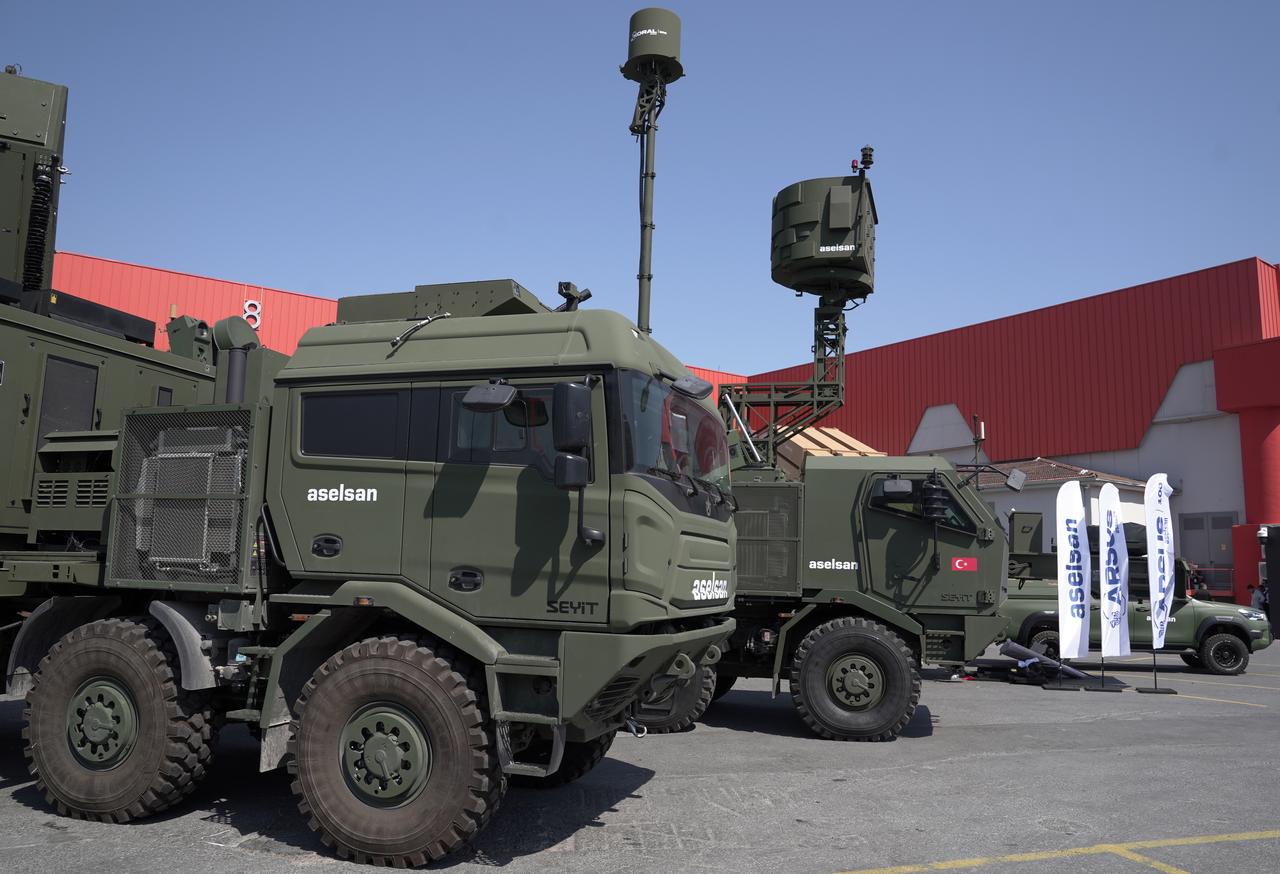

Aselsan is investing $1.5 billion in production facilities, with the first phase of expansion expected to be completed this year.
Over the next three years, the company aims to double its production lines annually.
"We are trying to deliver more and more. Just last year, the deliveries of units of Steel Dome is roughly 100 trucks and 100 subsystems but this year it will be more. Every year we are trying to double it," Akyol stated.
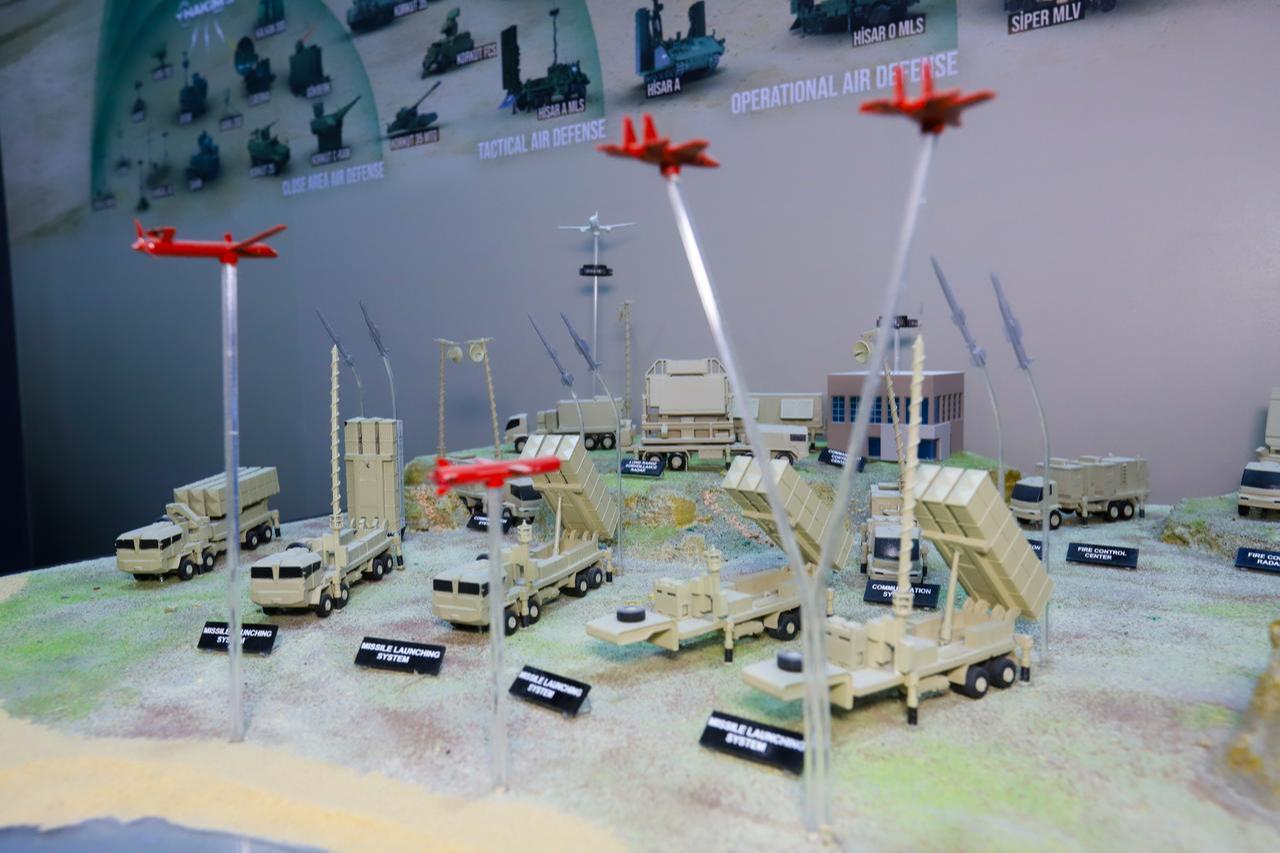
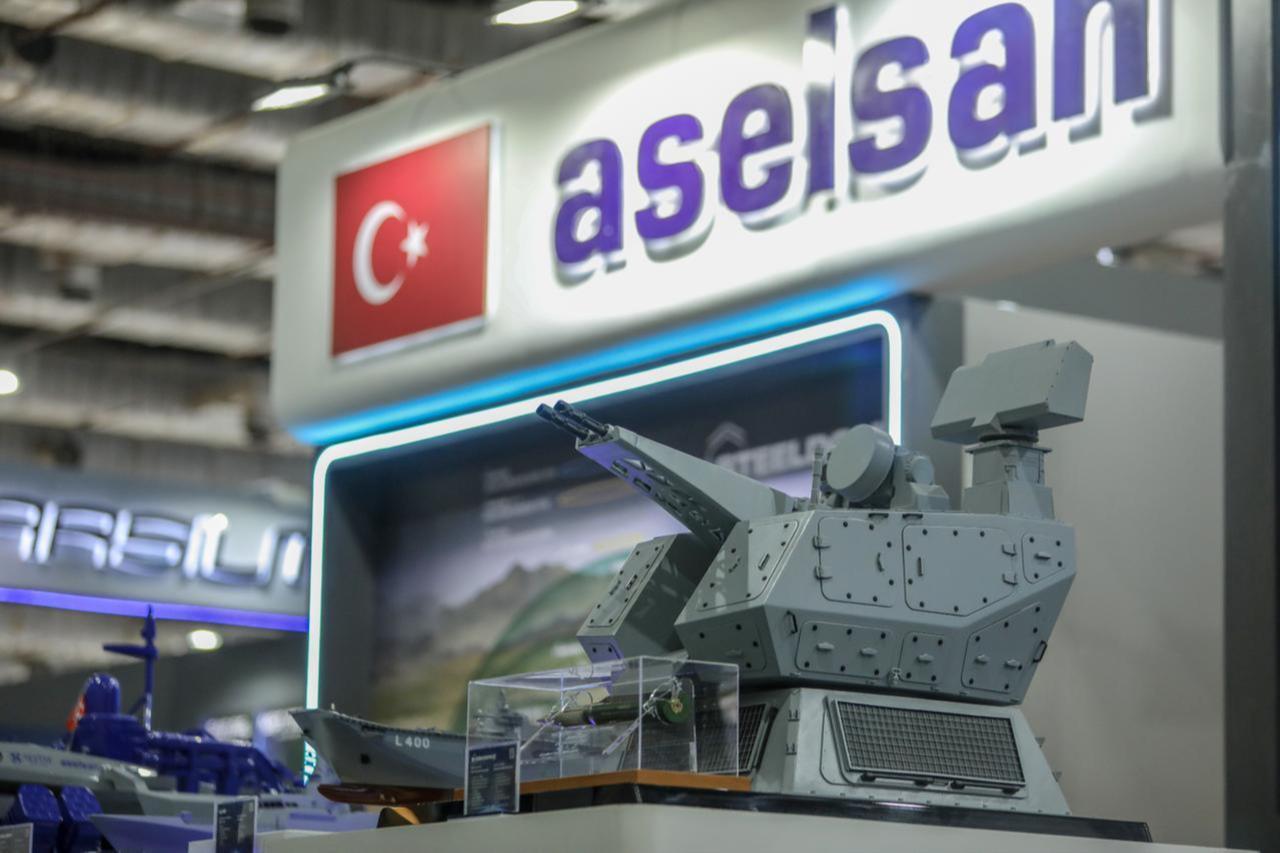
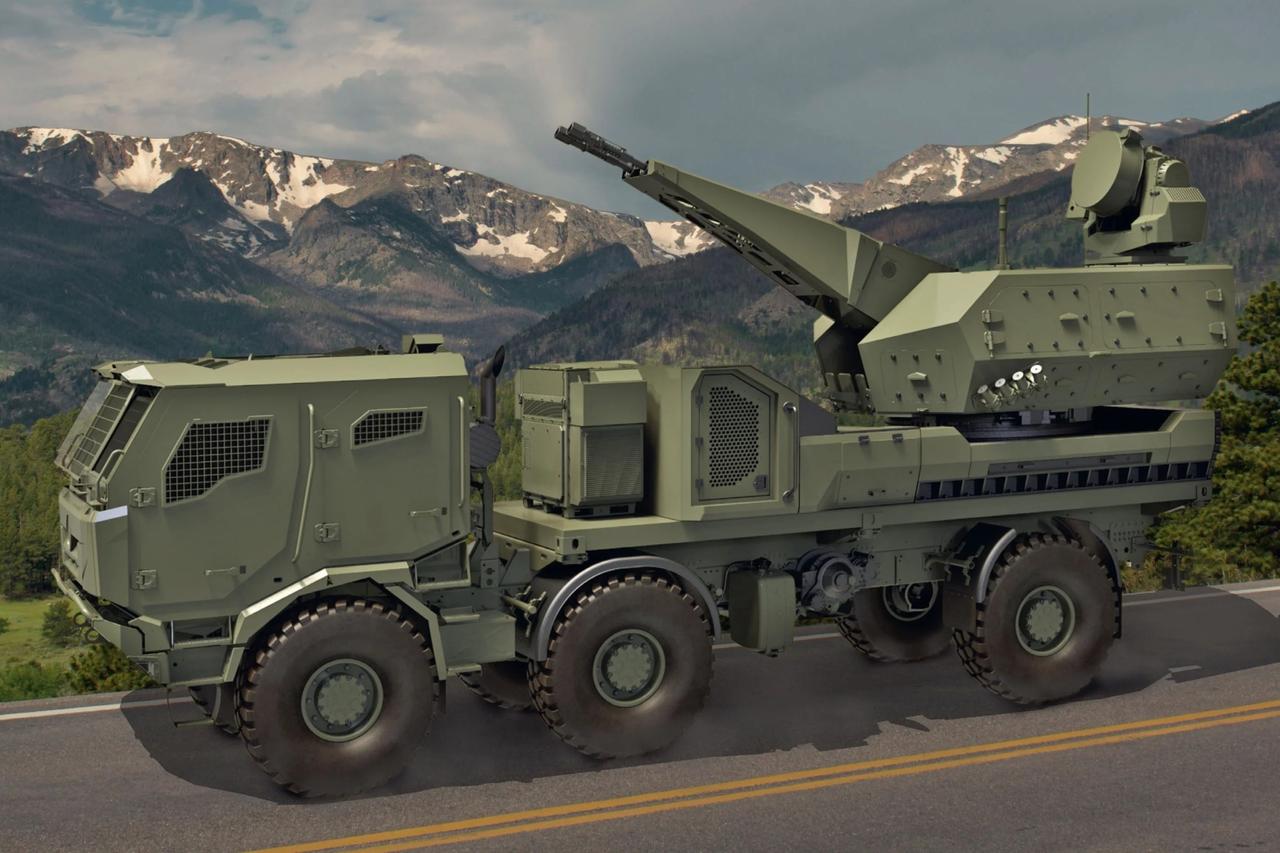
Aselsan leads the multibillion-dollar Steel Dome multi-layered air defense system, which integrates long-range and lower-level effectors to defeat threats.
"Steel Dome is on the way. The AI-based command system is on the way and is now partially being used by Turkish Armed Forces," Akyol noted.
A key part of the Steel Dome concept is adaptability — being able to add new and improved sensors and weapons along with mobility to provide general and focused air defense.
Different effectors will be incorporated for different threats: high-power microwave to defeat swarm attacks, lasers for lower-cost effect against smaller close-range threats, and long-range interceptors and radars for larger missiles.


 Set as preferred source
 Set as preferred source


 1 min read
 1 min read