Newsletters




Turkish content creator Ruhi Cenet said the Hasidic Jewish community featured in his viral documentary initially expected a lighter cultural production, not the political themes that emerged during filming.
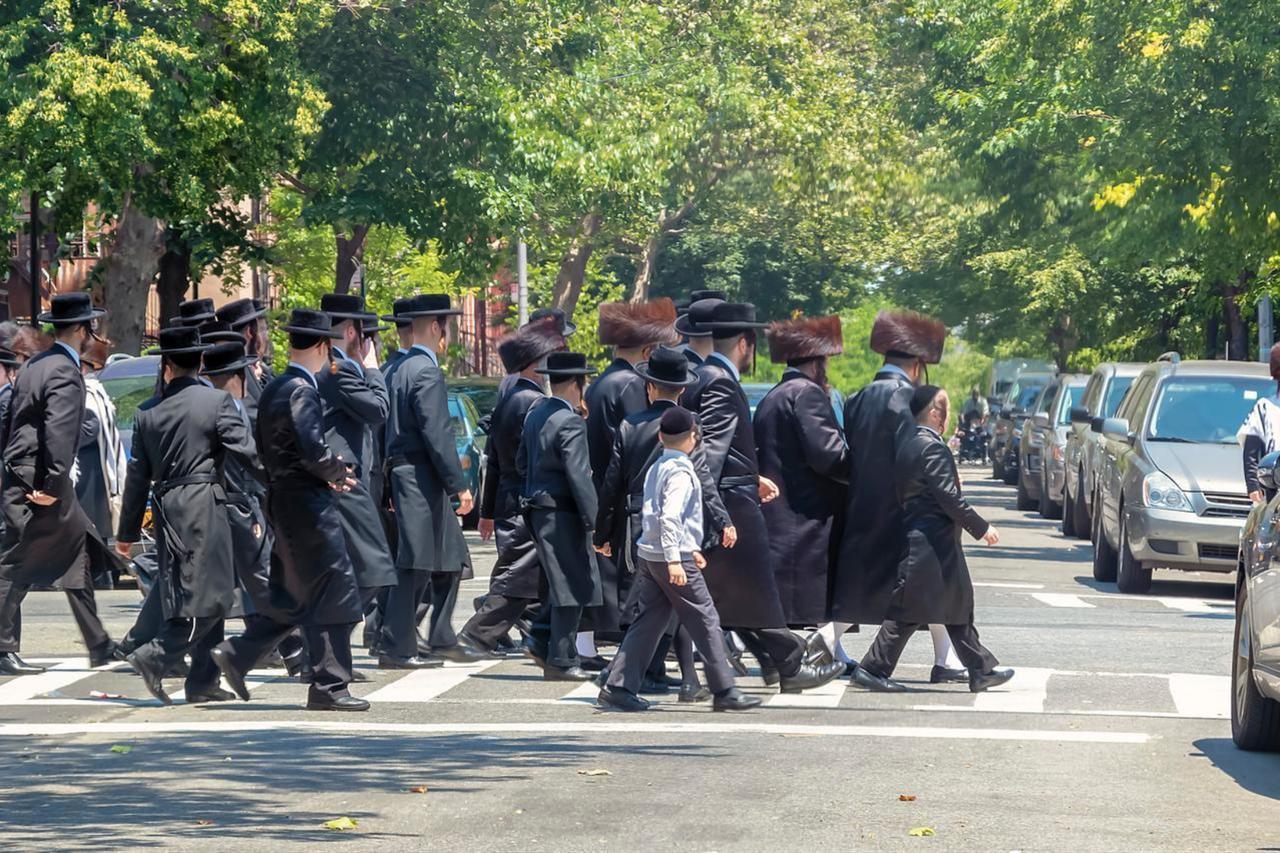
Cenet's roughly 40-minute documentary focuses on the daily life of Hasidic Jewish communities in New York City. The film has drawn 49 million views online, sparking debate over the community's public support and political influence in the United States.
The documentary's release coincided with a separate meeting in which U.S. President Donald Trump hosted Hasidic leaders at the White House, renewing public attention on the ultra-Orthodox Jewish community's political standing in the country.
The documentary shows communities living in central New York while largely avoiding modern technology. Some households do not use smartphones or televisions, and the film says internet access is restricted for religious reasons. Extended families are central to daily life in these communities.
After the release, Cenet posted on X about making the documentary and how the community's expectations differed from the final product.
"The Hasidic Jews we filmed for the documentary belong to the Chabad-Lubavitch community and are highly Zionist," Cenet wrote.
"These pro-Israel Hasidic Jews initially thought we would only shoot a cultural and superficial video. They expected lighter content in the style of Drew Binsky, describing daily life, traditions and cultural differences."
The two references point to contrasting styles of online content: one a global travel format built around light cultural storytelling, the other a religious movement whose public profile has since drawn wider political attention.
Chabad-Lubavitch is a branch of Hasidic Judaism that originated in Eastern Europe in the late 18th century and is today headquartered in the Crown Heights neighborhood of Brooklyn, New York.
The movement is known for its emphasis on religious outreach and community life, and operates thousands of institutions across more than 100 countries.
Binsky, whose YouTube channel has more than seven million subscribers, is an American content creator known for travel vlogs, having visited all 197 UN-recognized countries and producing videos generally focused on daily life, traditions, and cultural differences rather than politics.
Cenet said his channel's popularity made the community more receptive to the filming request, adding that other content creators had previously covered the subject.
"However, as filming progressed, we realized the subject was not only about culture," Cenet said.
"We also discovered the various forms of support they receive, their historical and ideological ties to Israel, and their political-religious approach to Jerusalem, and we tried to convey this to you in our documentary. Don't forget to support Palestinian children!"


 Set as preferred source
 Set as preferred source



 2 min read