Newsletters


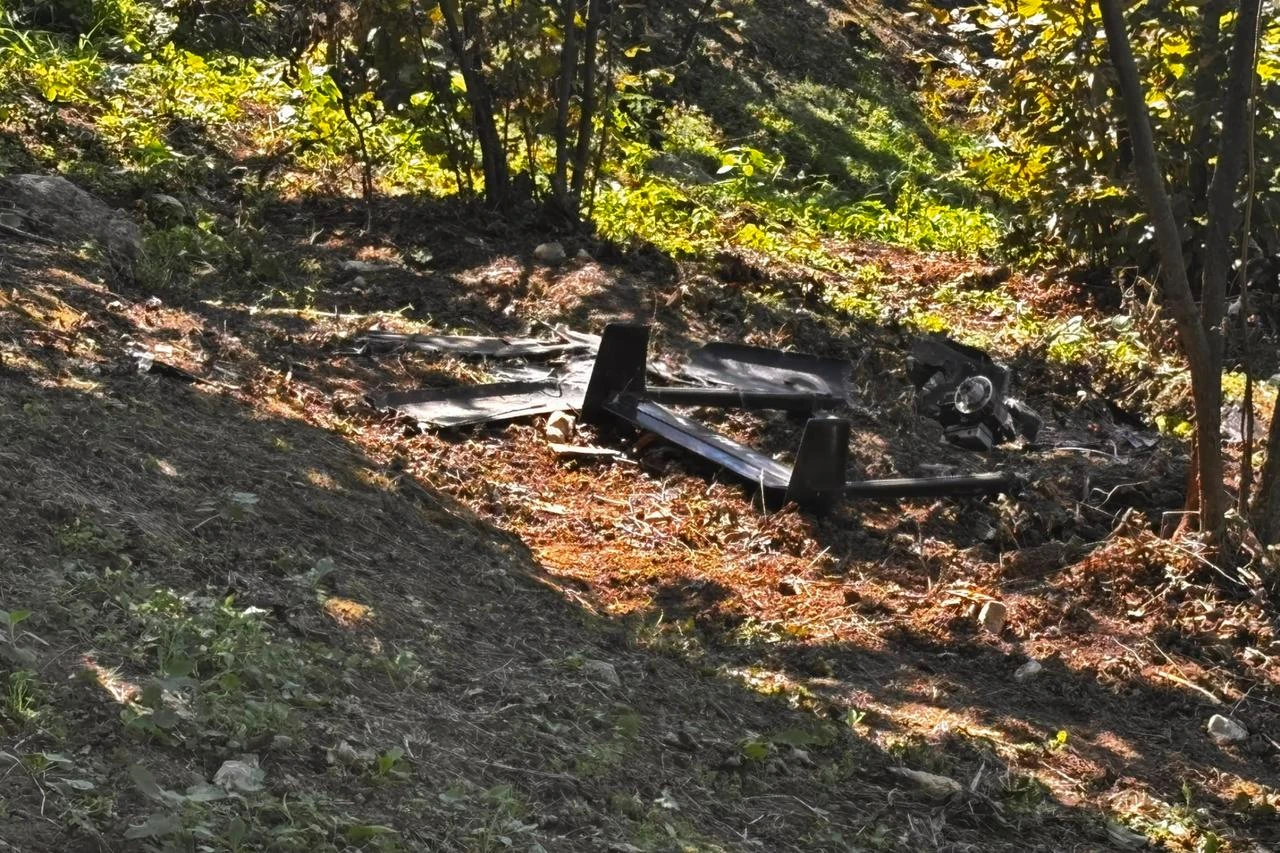
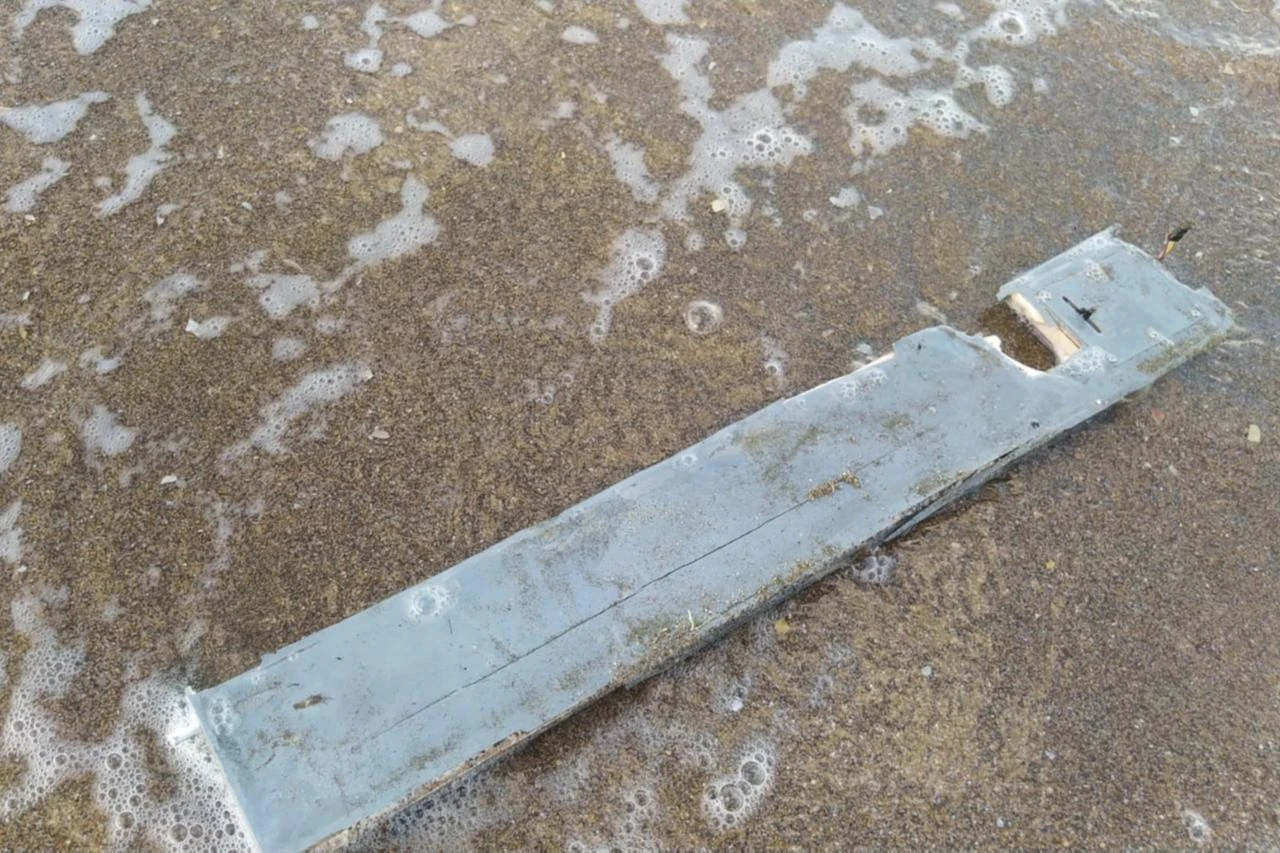
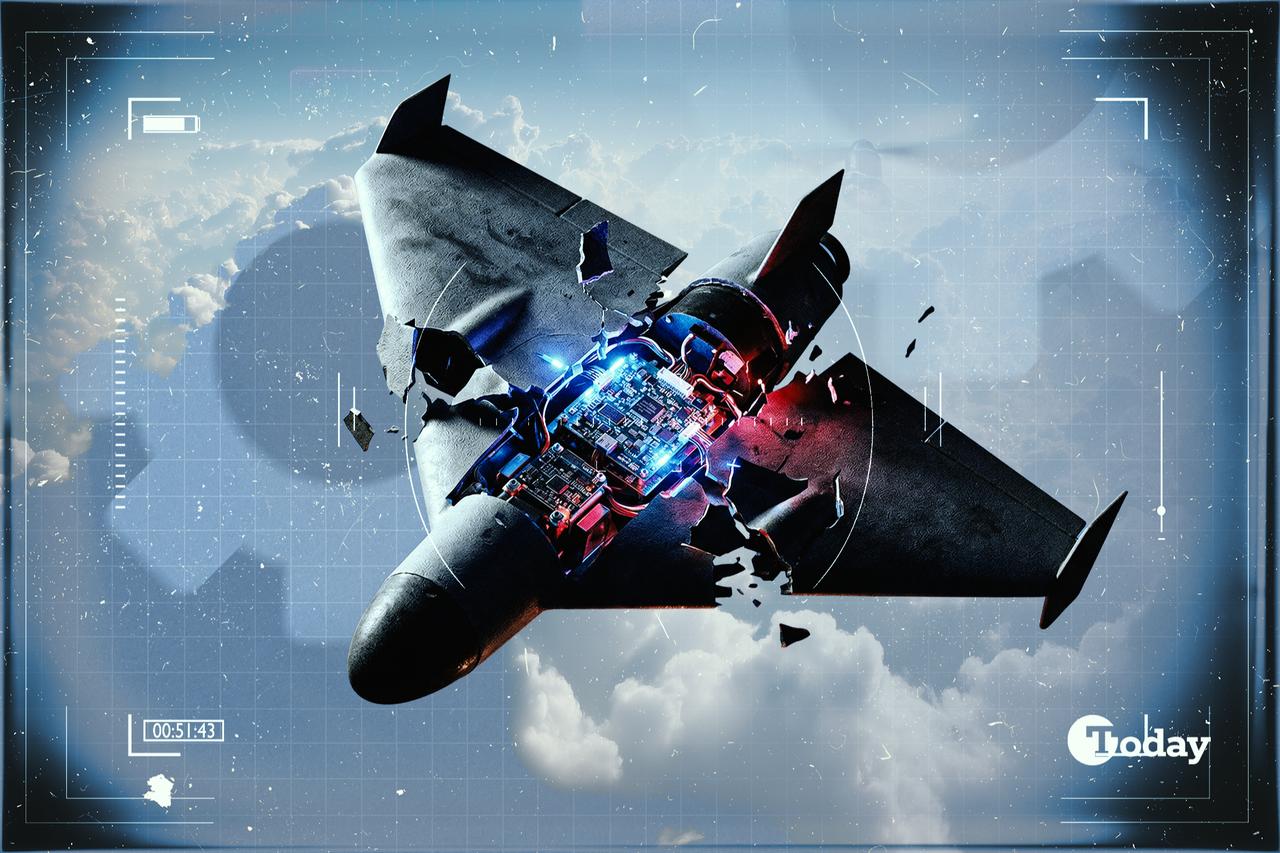
A Russian Geran-2 drone washed ashore on Yenikoy beach in Istanbul's Arnavutkoy district, where it was spotted by residents before being recovered by gendarmerie and Coast Guard teams for detailed examination.
The drone, believed to be linked to the Russia-Ukraine war, was found by residents walking along the beach who noticed the object washed up on the shore.
Following the report, gendarmerie and Coast Guard teams were dispatched to the scene and examined the object.
After an initial assessment, the drone was removed from the beach by the teams and taken to the Coast Guard Command for further detailed examination to determine its precise origin and characteristics.
The Geran-2 is the Russian-produced variant of Iran's Shahed-136 loitering munition. Shahed-131/136 munitions, "Shahed" meaning "witness" in Farsi, are a family of one-way-attack (OWA) unmanned aerial vehicles (UAVs) originally designed and manufactured by the Iranian aerospace company Shahed Aviation Industries.
The smaller Shahed-131 has a range of 700 to 900 kilometers, while the larger Shahed-136 has a range of at least 2,000 kilometers.
The munitions are precision-guided, flying along manually input geocoordinates before diving onto their targets and exploding.
Investigations into the drones' technical components have found a variety of Western-made commercial technology used in their assembly.
Shahed-series munitions, like other OWA UAVs, are classified as missiles since they meet the definition of "a powered munition with the ability to alter its trajectory once it has been launched."
Shahed-series munitions are launched using a disposable rocket booster fitted to their underside. Shortly after launch, the booster is jettisoned, and a piston-driven engine takes over to provide propulsion.
Their relatively slow speed and the loud hum of their engines have led Ukrainians living under their flight paths to call them "flying mopeds."
Shahed munitions can be launched from both static rail mounts and vehicles, including truck-mounted launchers shown in footage published by Iranian media.
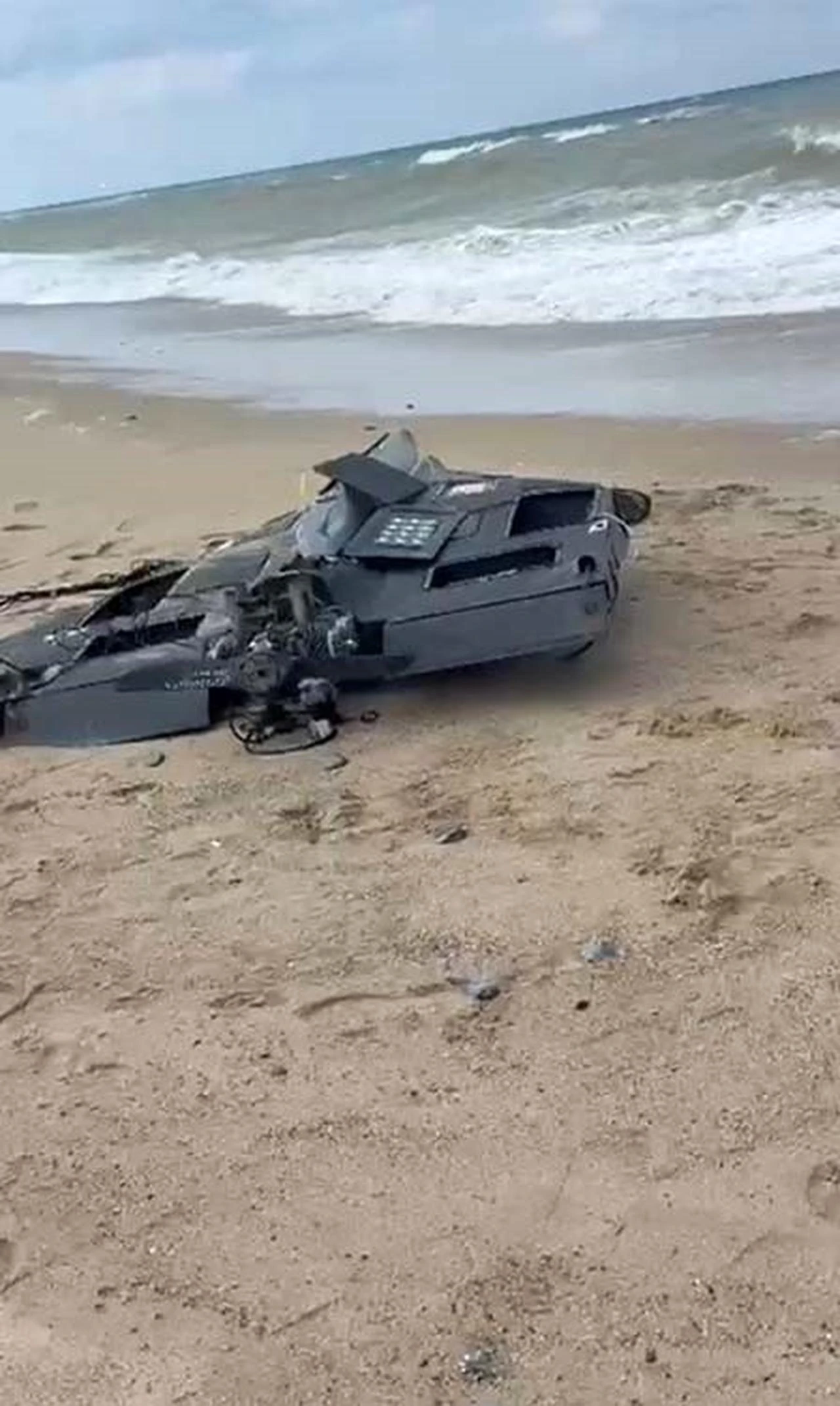

This is the latest in a series of incidents in which drones and other war-related debris tied to the Russia-Ukraine war have washed up along Türkiye's coastline in recent months, including previous finds along the Black Sea coast in Akcakoca and Sinop.


 Set as preferred source
 Set as preferred source


 1 min read
 1 min read