Newsletters


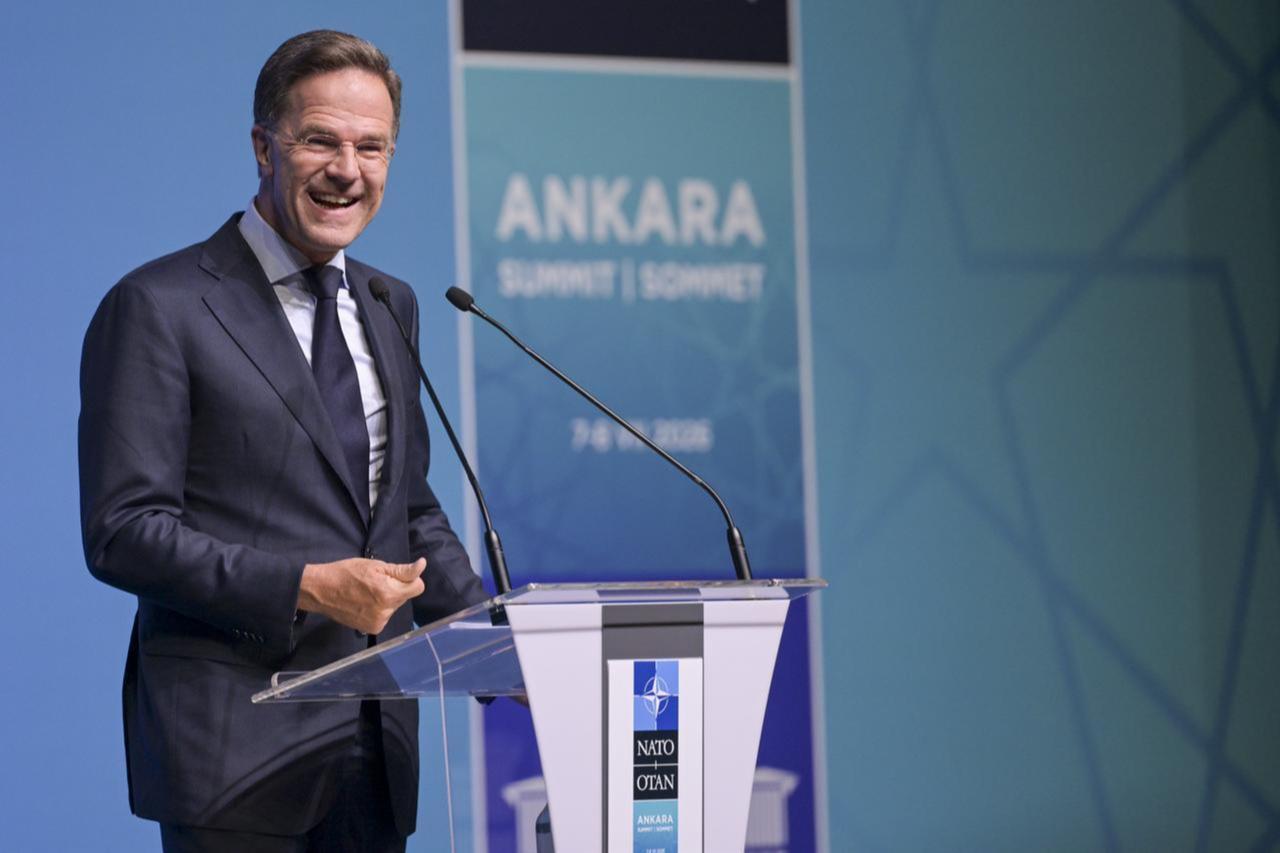


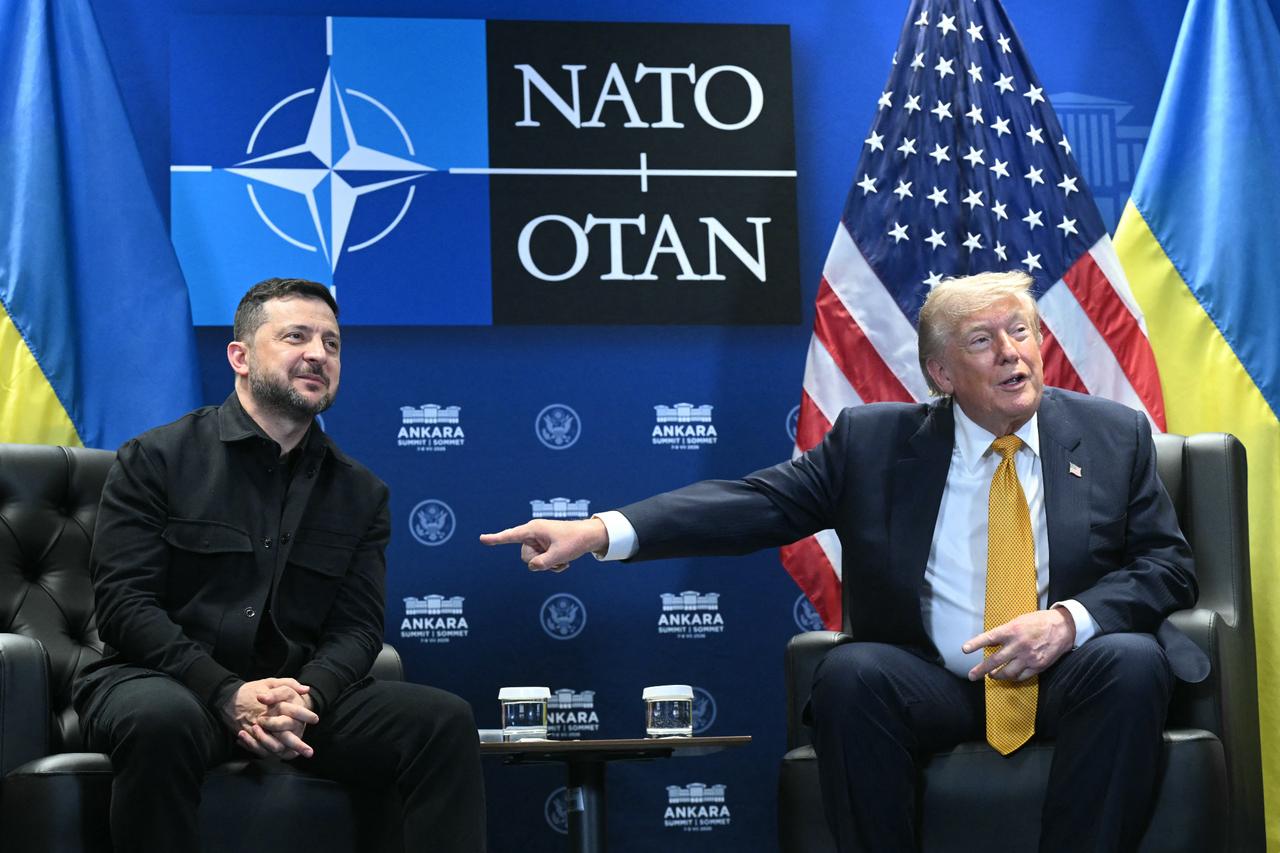
NATO Secretary General Mark Rutte declared the alliance's summit in Ankara "tremendously successful" Wednesday, citing historic defense spending milestones, billions in new procurement deals, and a unified pledge to sustain military support for Ukraine as Russia's war continues.
The gathering, hosted by President Recep Tayyip Erdogan, marked a turning point in the alliance's push to move from setting targets to proving it can meet them.
"The message from this summit is simple: NATO delivers," Rutte said at a closing news conference, describing the meeting as evidence that commitments made a year ago are now being fulfilled.
Alliance members have already reached an average of 4% of gross domestic product in defense-related investment, Rutte said, putting the bloc on pace to meet its 5% GDP target by 2035, just one year into what was originally framed as a decade-long effort.
Rutte framed the goal not purely in financial terms, stressing the need to ensure armed forces "have what they need to keep our 1 billion people safe in a more dangerous world."
European allies and Canada, he added, are now taking "great responsibility" for the shared security of the alliance.
A Defense Industry Forum held alongside the summit produced more than $50 billion in new procurement agreements in a single day, Rutte said.
The alliance also unveiled a major new initiative called NATO's Drones, which will channel $40 billion in allied investment into unmanned systems over the next five years.
Rutte highlighted significant agreements between American and European defense companies, saying the deals would support innovation, economic growth, and skilled employment on both sides of the Atlantic.
A separate, long-term commitment of 27 billion euros, approximately $30.8 billion, was announced to modernize fuel storage and distribution infrastructure, including new pipelines running toward the alliance's eastern flank.
Rutte said the alliance is also accelerating its adoption of advanced artificial intelligence and developing an interoperable transatlantic warfighting platform to sharpen collective readiness.
Allied leaders reaffirmed NATO's support for Ukraine, pledging at least 70 billion euros, or roughly $79.8 billion, in military equipment, training, and assistance for Ukraine both this year and next, while maintaining pressure toward a negotiated peace.
Rutte said allies had also reaffirmed their commitment to Article 5, the alliance's collective defense clause, under which an attack on one member is treated as an attack on all.
Leaders agreed on the need to modernize the alliance and prepare it for future challenges, including through what Rutte described as "a stronger Europe and a stronger NATO."
Rutte framed the summit's outcomes as the beginning of what he called "NATO 3.0," a reimagined alliance in which European members and Canada take on greater shared responsibility alongside the United States.
Achieving that vision, he said, would require faster defense production, fewer bureaucratic obstacles, stronger societal resilience, and deeper cooperation with partner nations. NATO's unity, he concluded, "remained the basis of peace, security, and prosperity."


 Set as preferred source
 Set as preferred source


 2 min read
 1 min read