Newsletters


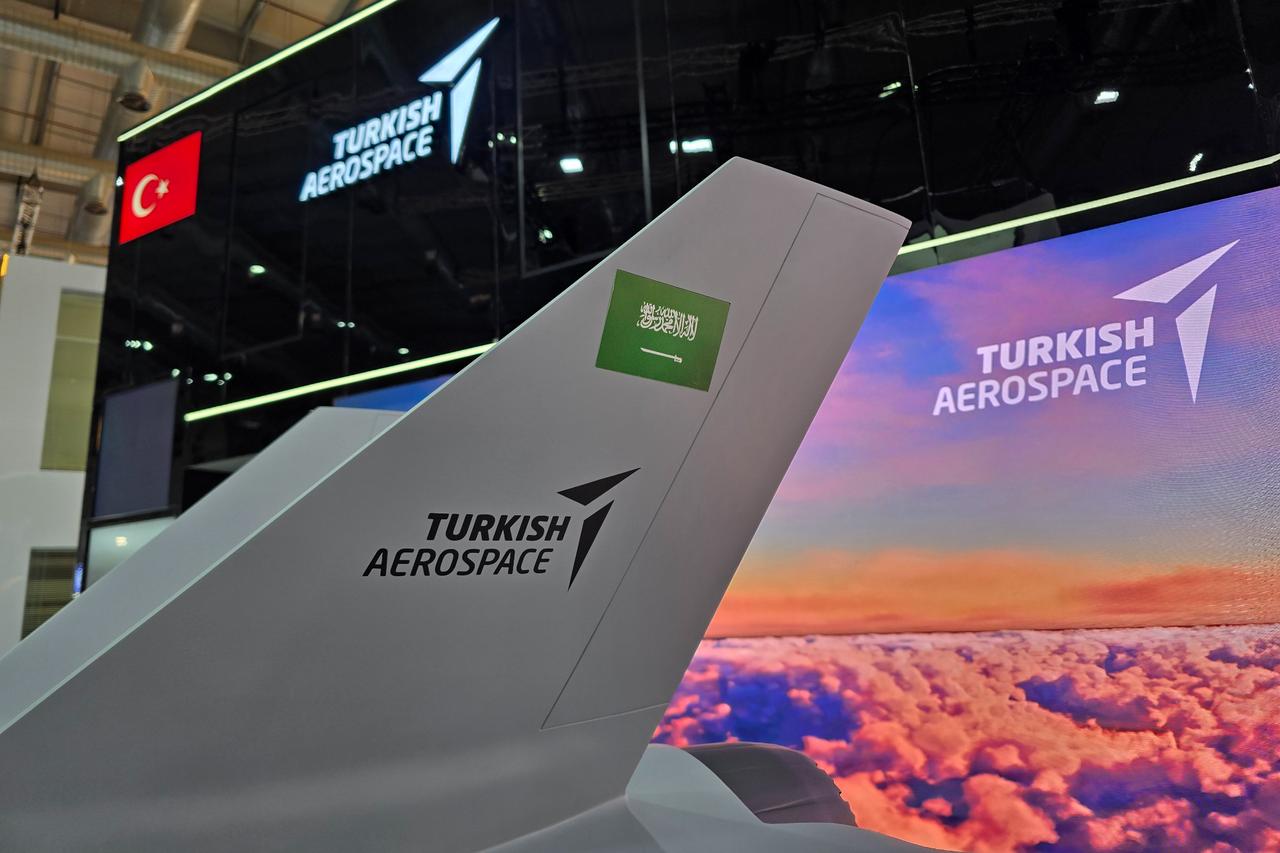


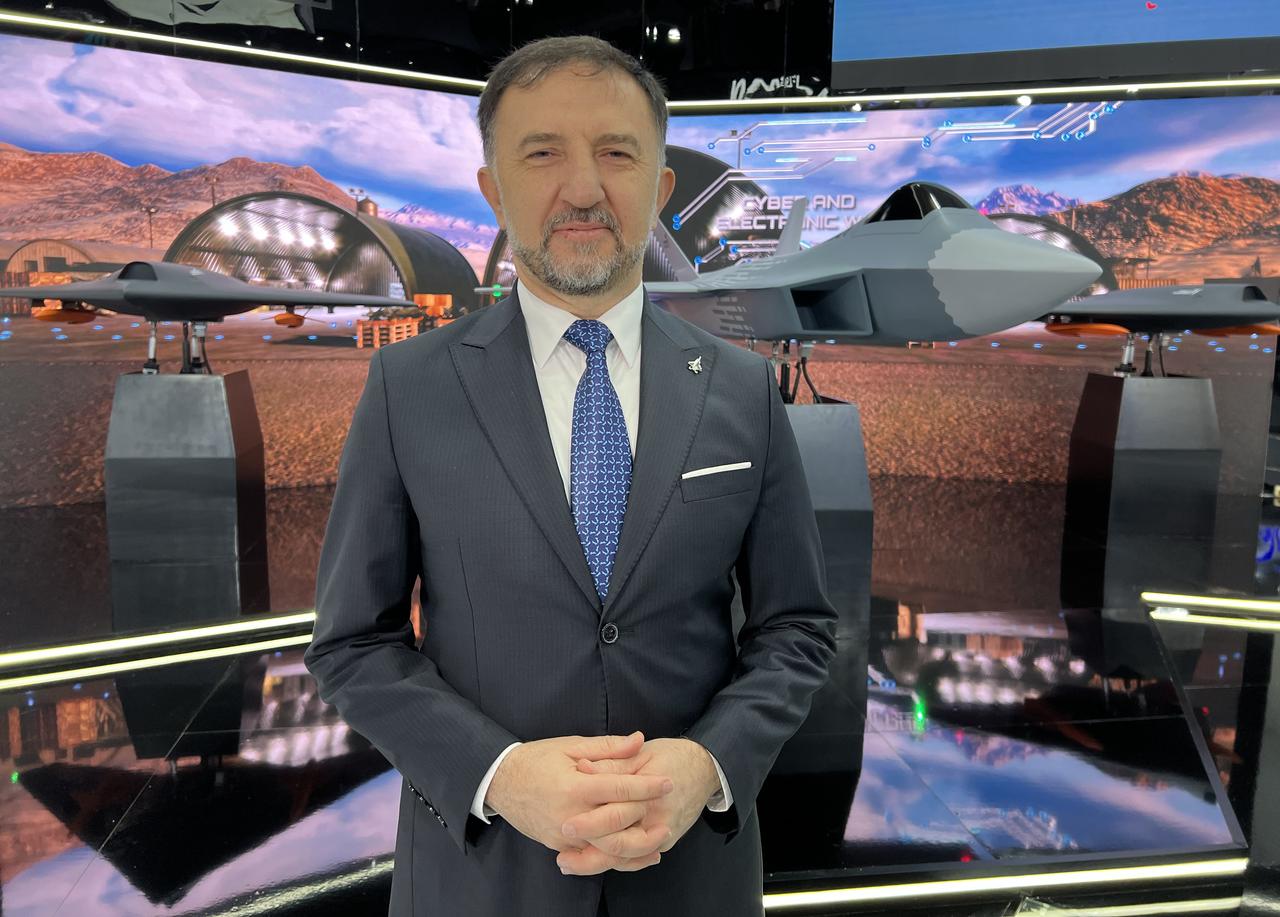
Turkish Aerospace Industries (TAI) is in advanced negotiations with Saudi Arabia over the National Combat Aircraft KAAN, with talks now at the "highest level" and a potential deal expected this year or sooner, TAI General Manager Mehmet Demiroglu said on Sunday.
Speaking to state-run Anadolu Agency (AA) at World Defense Show (WDS) 2026 in Riyadh, Demiroglu said discussions with Saudi Arabia have been ongoing for some time and have now reached the most senior levels.
"Our work has been continuing for quite a while, and now the negotiations have been elevated to the highest level," Demiroglu said.
"In the next phase, perhaps this year, perhaps even sooner, we hope to share good news with you," he noted.
"The process is being coordinated by the Presidency of Defense Industries and requires an intergovernmental agreement with a comprehensive plan, project and program," the TAI GM Demiroglu said.
"At every level, including at the level of our president, support for this project continues at the highest and strongest level. Allah willing, it will continue. I would say keep watching us," he added.
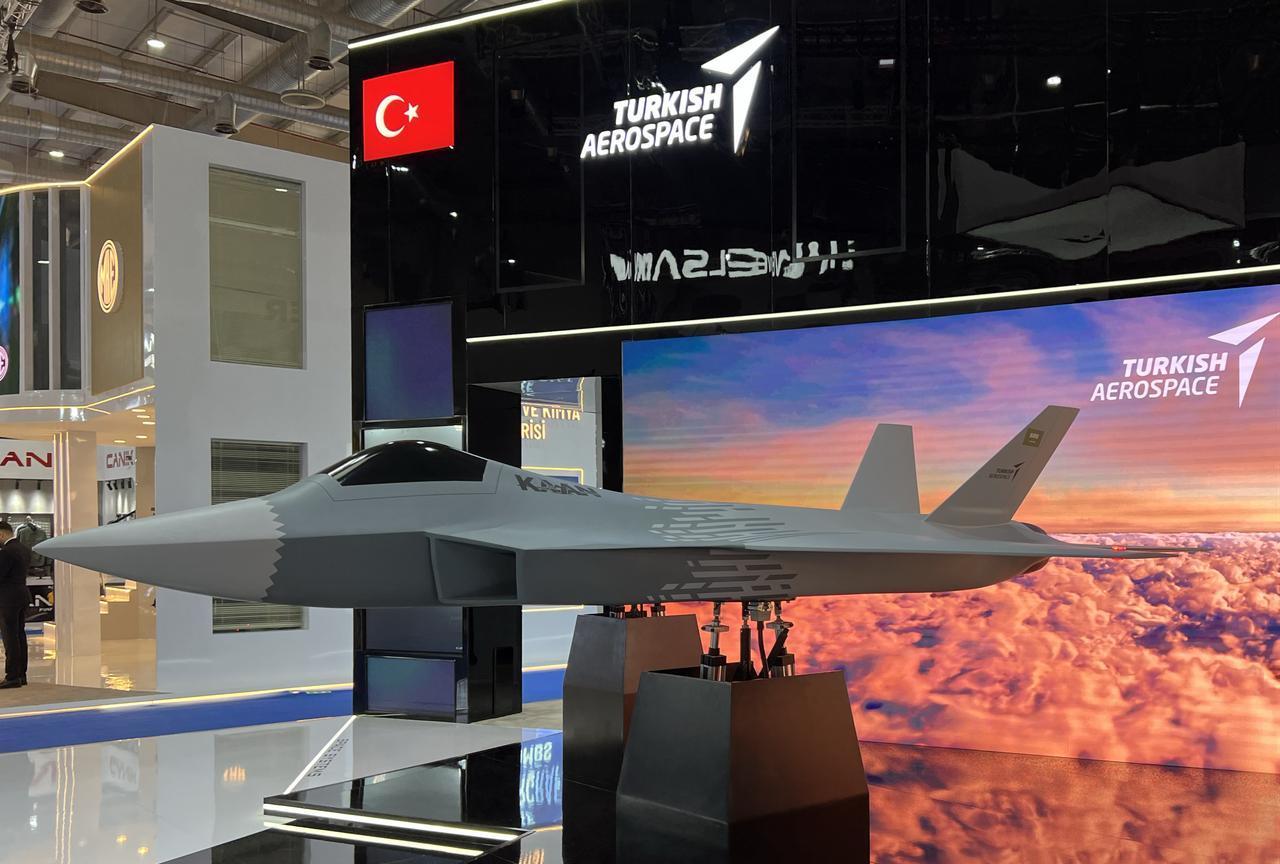

Demiroglu revealed that discussions include potential orders ranging from 20 to 100 aircraft, depending on the cooperation model Saudi Arabia chooses.
"Quantities are also being discussed—there's 20, and there's 50. These are numbers being discussed that vary according to the model," he said.
"For example, if you want to establish a final assembly line or go beyond that here, 20 units won't make the feasibility work. There needs to be a higher number—50 or 100," he added.
He emphasized that while the exact figures will depend on which model is selected and what level of participation is chosen, "it definitely won't be 3-5."
When asked whether the cooperation model with Saudi Arabia would resemble the Indonesia partnership or differ, Demiroglu stated that "all options" remain under consideration.
"All of these are topics being discussed. It can change depending on countries' wishes, their infrastructure, and how many they want to purchase, but everything is on the table," he said.
"It could be a direct purchase, or it could be participation in the project at the highest level, but we will see which one they choose in the coming period. We are open to all of them," Demiroglu noted.
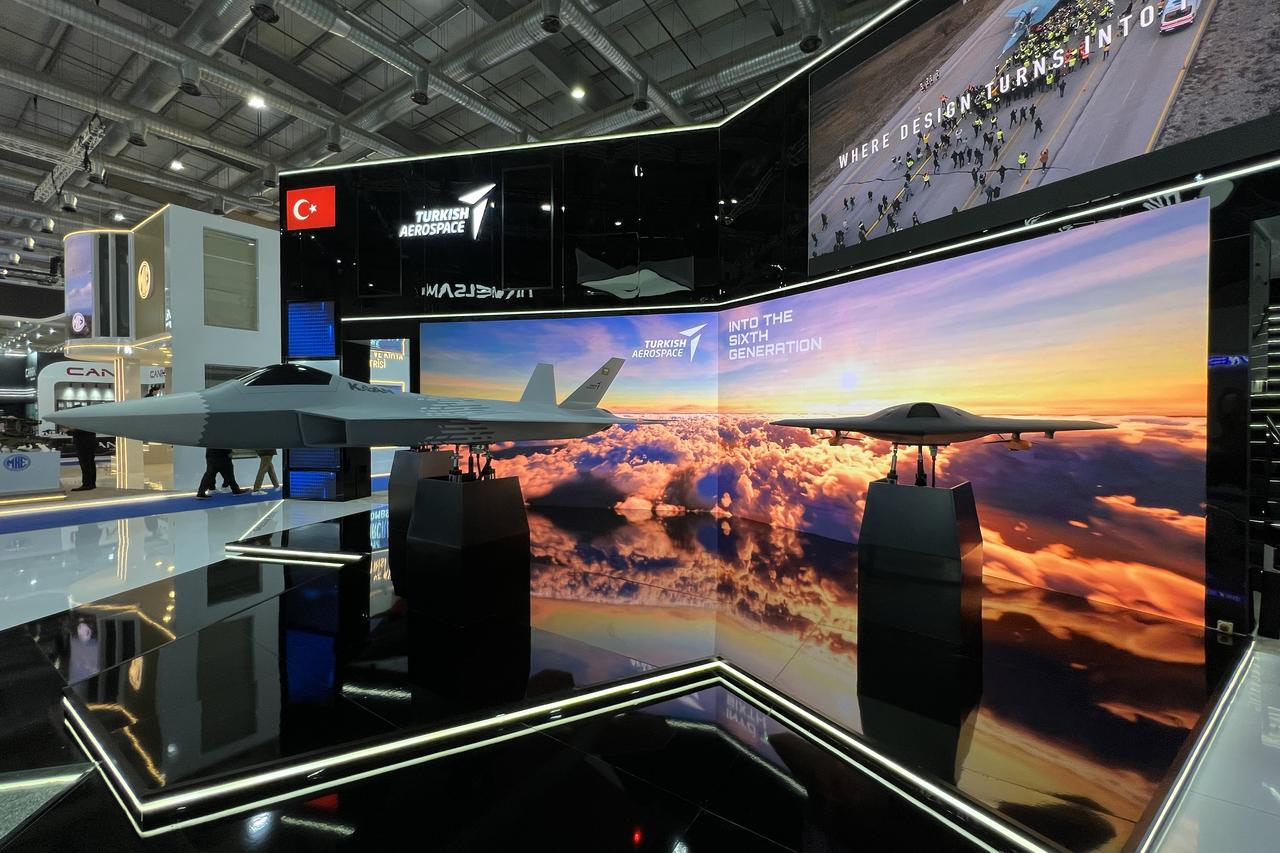
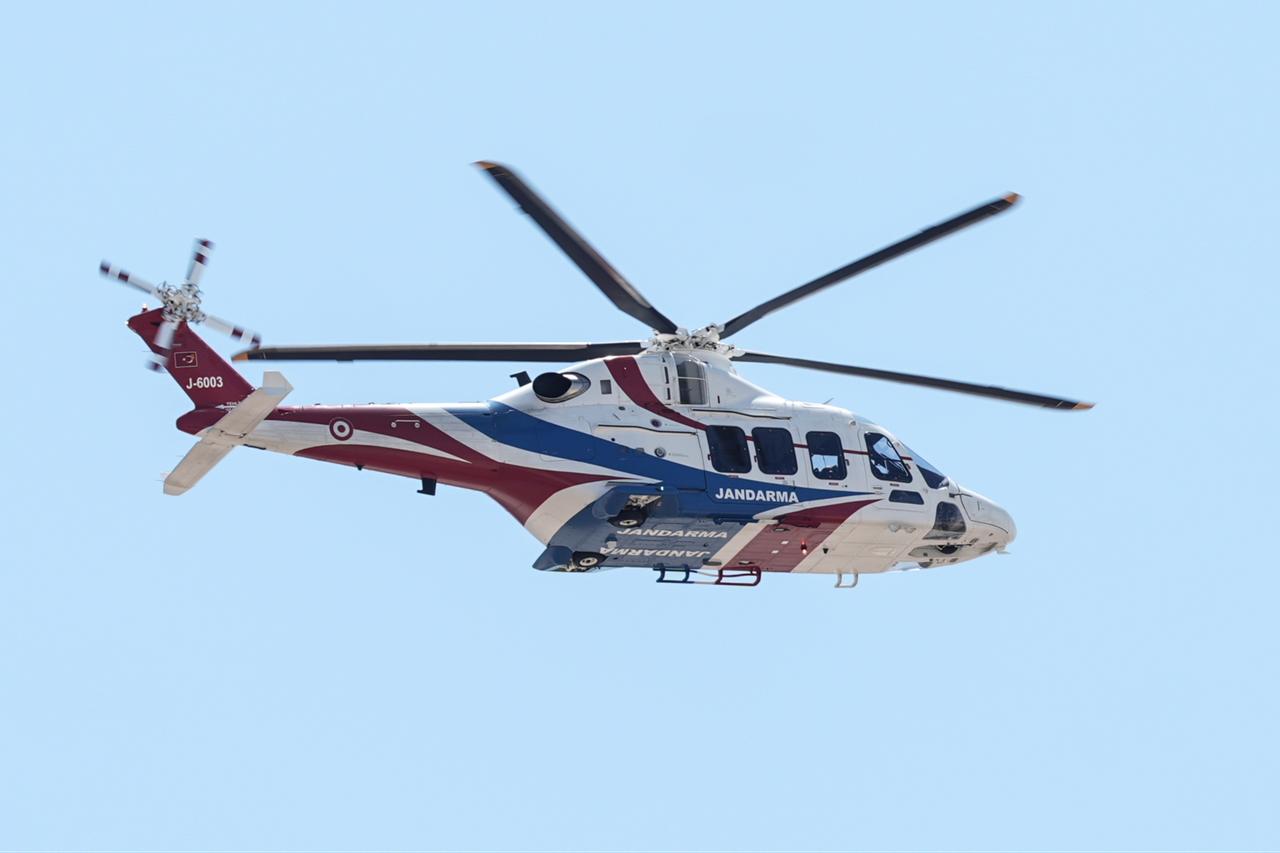
Demiroglu later revealed that discussions include the possibility of producing both KAAN and the Gokbey general-purpose helicopter in Saudi Arabia, in line with the kingdom's Vision 2030 goals.
"With a model suitable for Saudi Arabia's 2030 vision, there are discussions, primarily about the possibility of producing both KAAN and Gokbey in Saudi Arabia," he said.
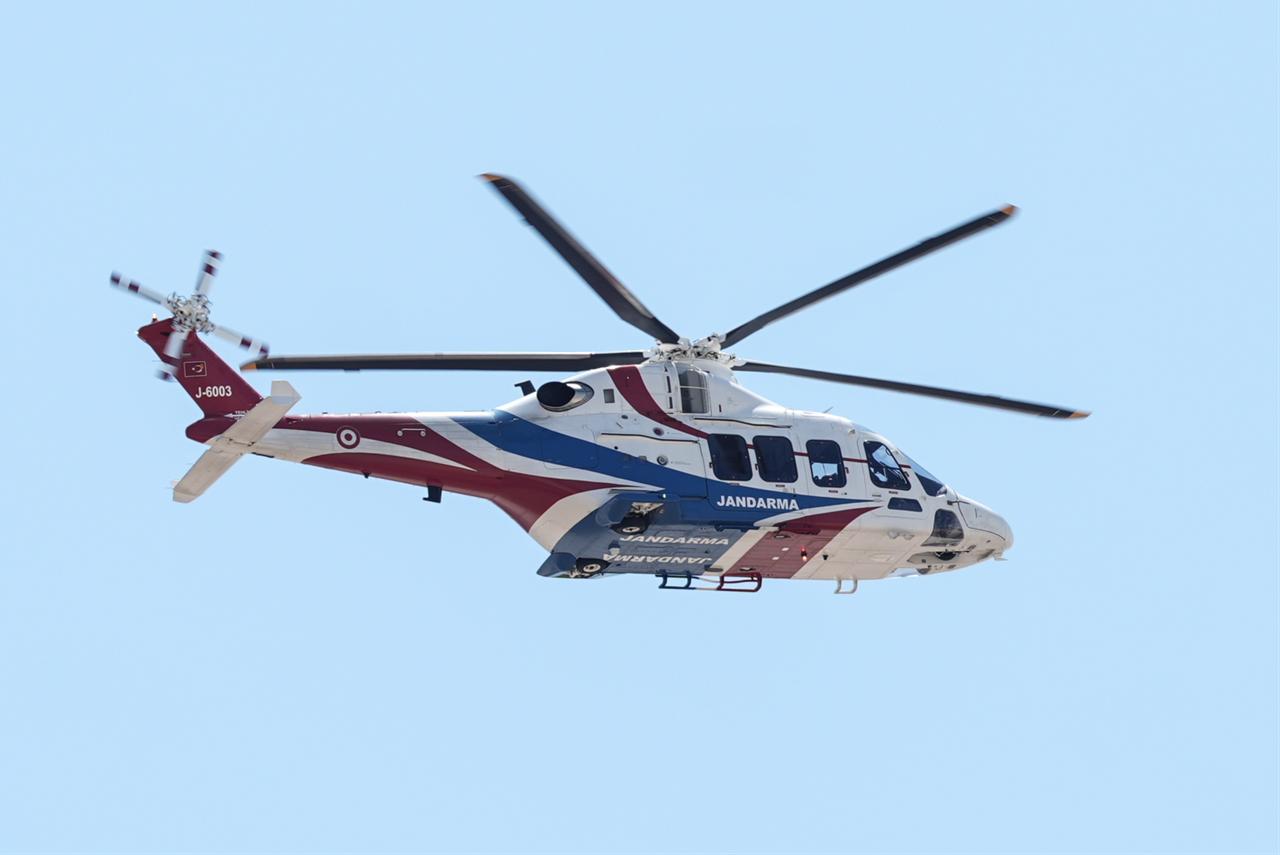
Regarding Gokbey, Demiroglu said intensive work was conducted last year and will continue this year, with meetings scheduled during the current exhibition.
"They have an interest in both military use and civilian areas, including offshore applications. I believe that together with KAAN's concept, it will go hand in hand," he said.
TAI's general manager also announced that Turkish Aerospace Industries will open an office in Saudi Arabia within months, serving as a regional hub.
"It's unthinkable for us not to be in Saudi Arabia. We will open an office here and continue to expand it. We will do that this year, in fact, within a few months," he said.
"At the same time, this will be a center that can also influence other countries in the region. We are very hopeful about Saudi Arabia. Our relations are also very good, at the highest level. Allah willing, we will all reap the fruits of this together, both the Saudi side and us," Demiroglu concluded.
 2 min read
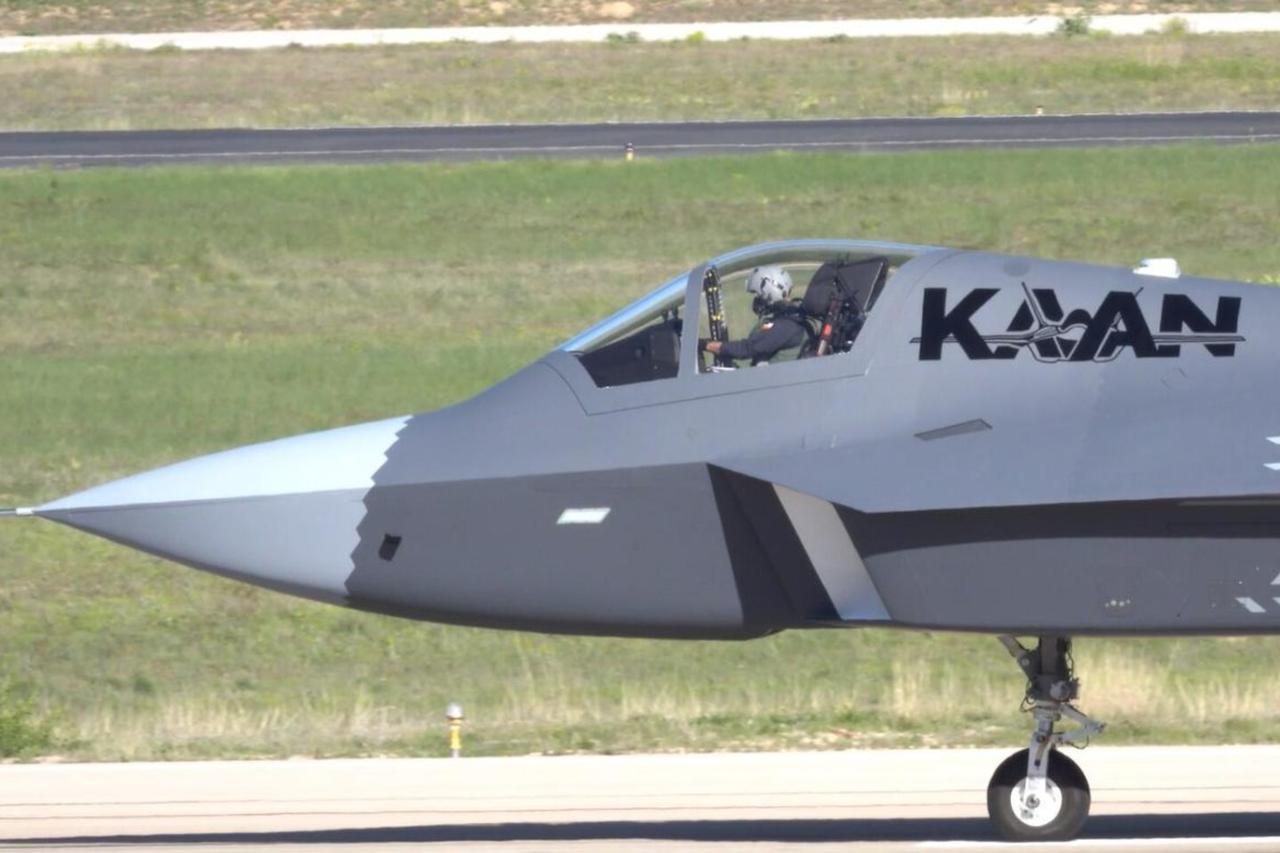
President Recep Tayyip Erdogan recently emphasized Ankara's readiness to move forward with Saudi Arabia on KAAN.
"We've received a lot of positive feedback on KAAN. There is a joint investment with Saudi Arabia in this area, and we can implement this partnership at any moment," Erdogan told reporters following his visits to Riyadh and Cairo.
He described KAAN as more than a military platform, calling it "a symbol of Türkiye's engineering capability and independent defense will."


 Set as preferred source
 Set as preferred source


 1 min read