Newsletters


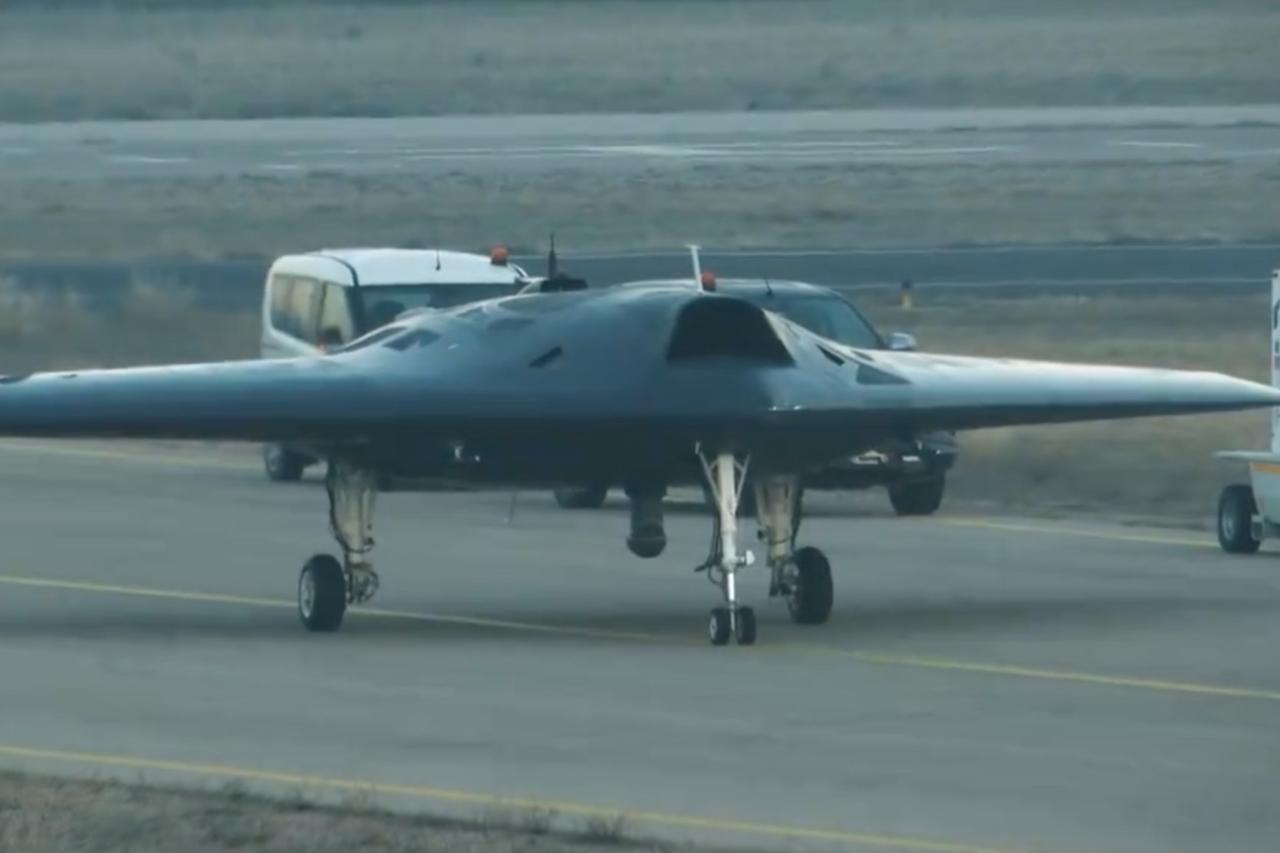


Turkish Aerospace Industries (TAI) CEO Mehmet Demiroglu announced that the Anka-3 unmanned combat aircraft has reached a major milestone. Its design is now finalized, clearing the way for serial production, with the Turkish Air Force expected to order more than 50 aircraft this year.
Demiroglu revealed in an interview with SAHA Istanbul that Anka-3 completed its critical design review (CDR) and the production configuration has been finalized.
"We finalized the critical design review phase two months ago and froze the design," Demiroglu said, adding, "We started production."
The CEO explained that data and feedback from the two existing prototypes led to design updates that determined the aircraft's final form.
Two new prototypes with the updated design will be produced in 2026, with serial production work proceeding in parallel.
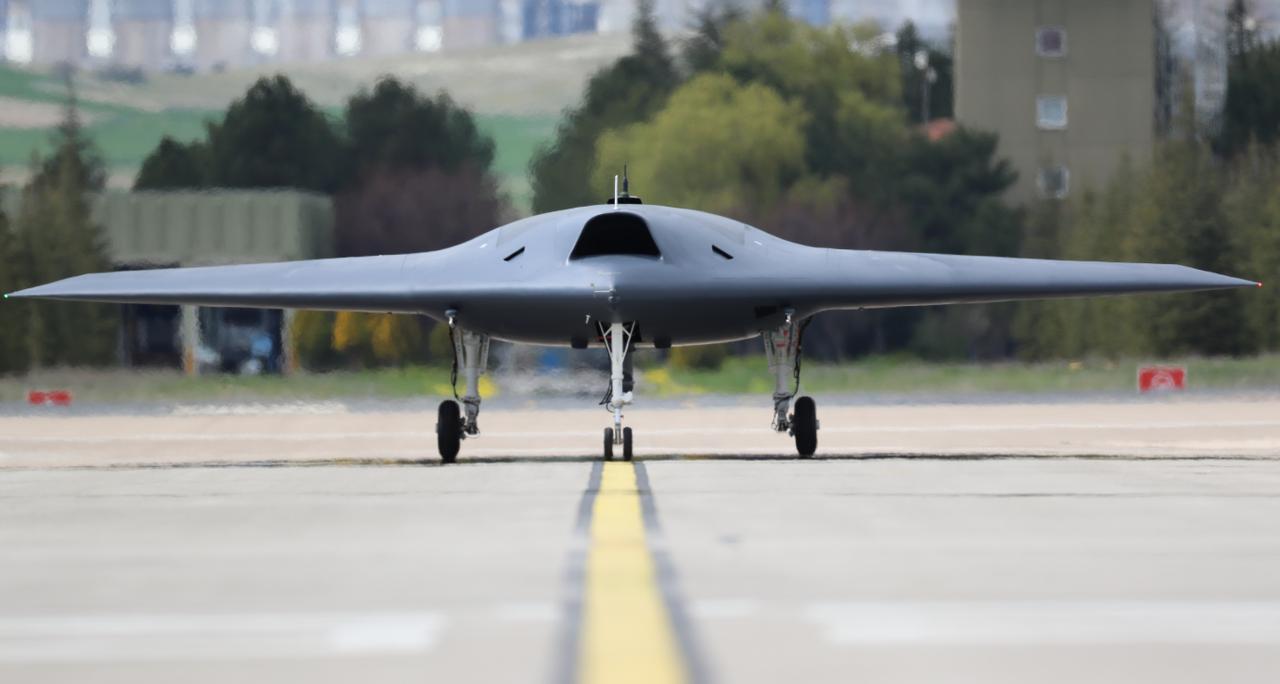

TAI is modeling its Anka-3 production on automotive industry approaches to achieve rapid, cost-effective manufacturing.
"We are looking at the automotive industry. If we can bring our approaches closer to that, if we can do it more cost-effectively and faster, our numbers will increase," Demiroglu said.
"We are really hopeful about Anka-3. Because every delegation we invite is amazed when they see it, and we have received proposals from a serious number of countries to do this together, produce here, and develop the next one together," Demiroglu added.
Demiroglu provided the clearest indication yet of the program's scale, confirming expectations for a substantial Turkish Air Force order.
"We are expecting an order of more than 50 this year for the Turkish Air Force," Demiroglu said.
Following entry into inventory, Anka-3 is planned to operate within the manned-unmanned teaming (MUT) concept alongside Hurjet and KAAN fighter aircraft.
"After it comes, I believe Anka-3's fortune will open up like Hurjet's," Demiroglu said.
Foreign interest in acquisition and joint development is also present, though TAI prioritizes domestic use first.
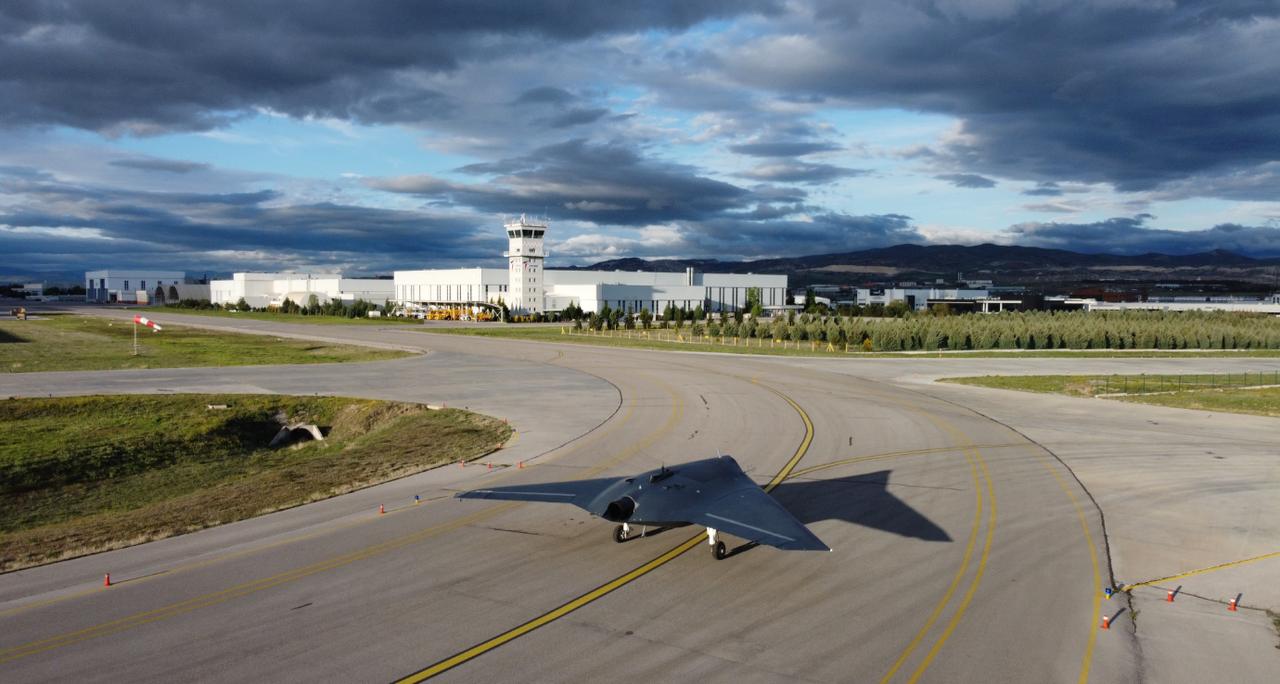
Demiroglu confirmed no problems exist with Ukrainian engine supply, noting that Ukraine has managed to produce and deliver motors even while under wartime conditions.
"We don't see any problems right now. Ukraine was able to produce and deliver engines to us even while under war," Demiroglu said.
However, domestic alternatives remain an option. "If needed, we think we can bring the TF6000 developed by TEI into play. Maybe a slightly larger one," Demiroglu said.
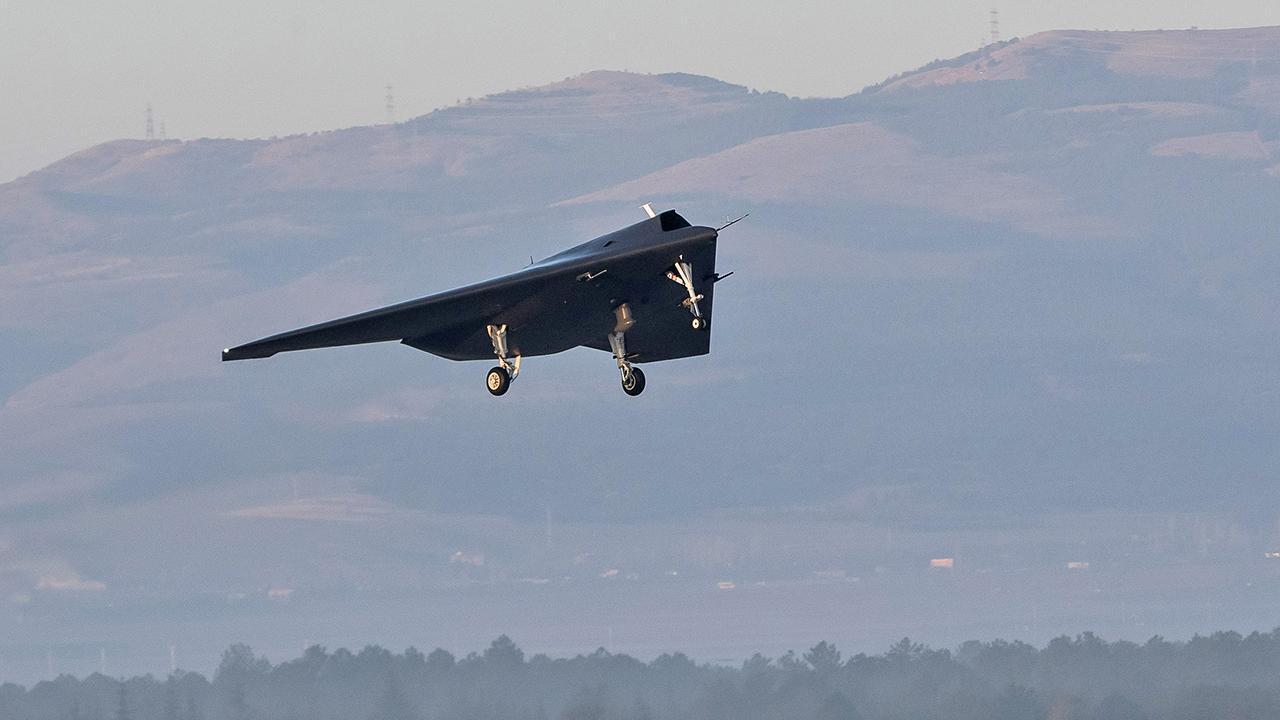
Responding to questions about a previously announced twin-engine version of Anka-3, Demiroglu indicated concept work has been conducted, but the current priority is completing the single-engine variant.
"We are working on such things, you can call it Anka-3, you can call it Anka-4. But our first priority is Anka-3. Let's get Anka-3 together first. Let's start production," Demiroglu said.
The CEO noted that engine selection determines aircraft size and payload capacity, and that twin-engine configurations are more expensive.
"Having twin engines means it will be expensive. We shouldn't forget that. An engine is not a very cheap thing," Demiroglu said, noting that, "We will discuss whether there is a need for twin engines or not by looking at the requirements. But we had such a study at one time. Right now we have allocated all our effort to Anka-3 production and serial production."
 1 min read
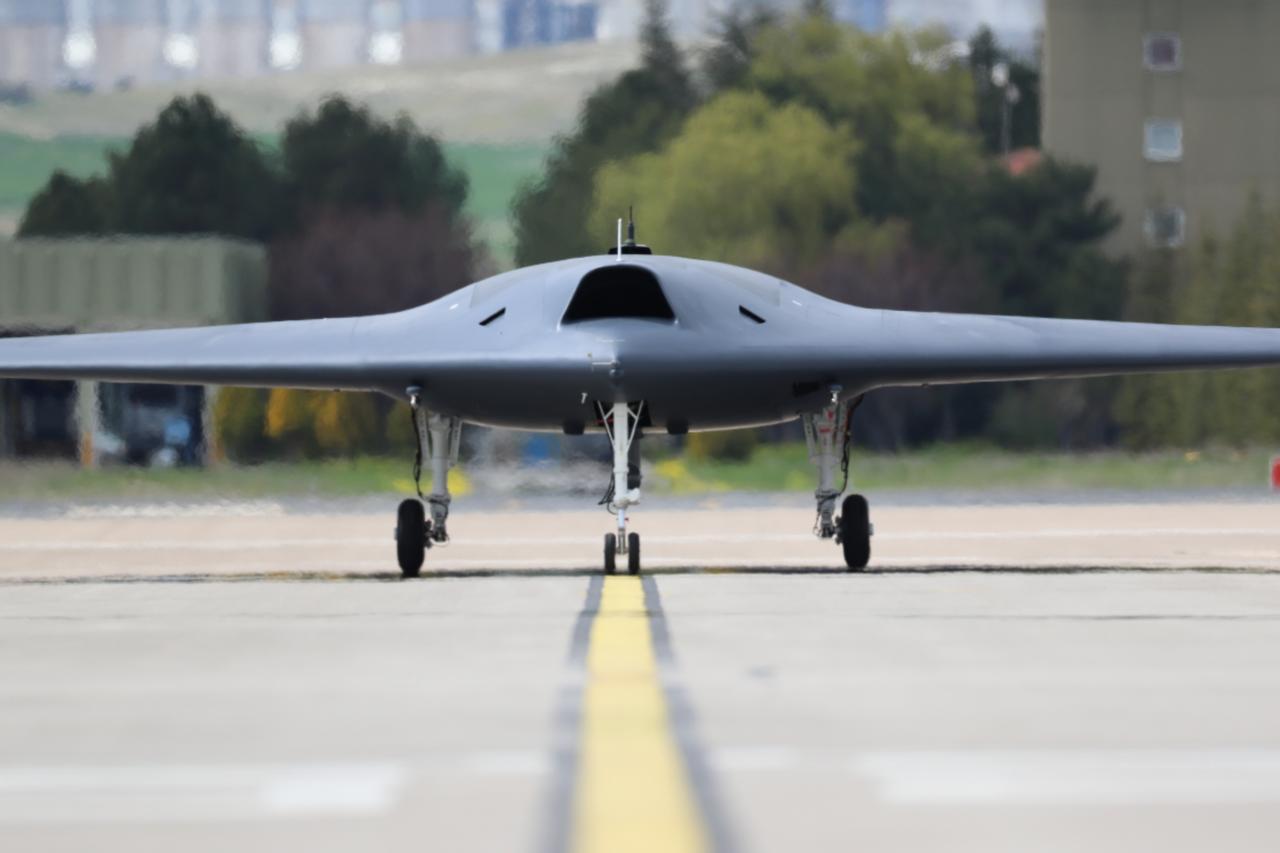
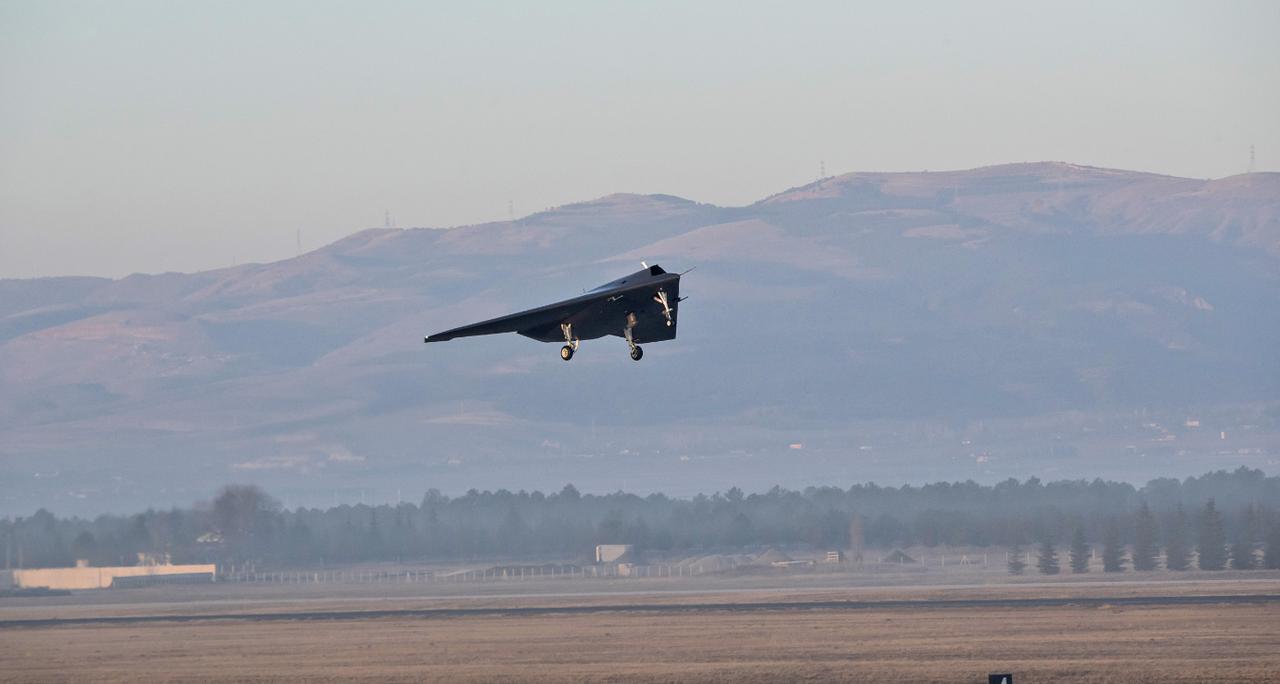
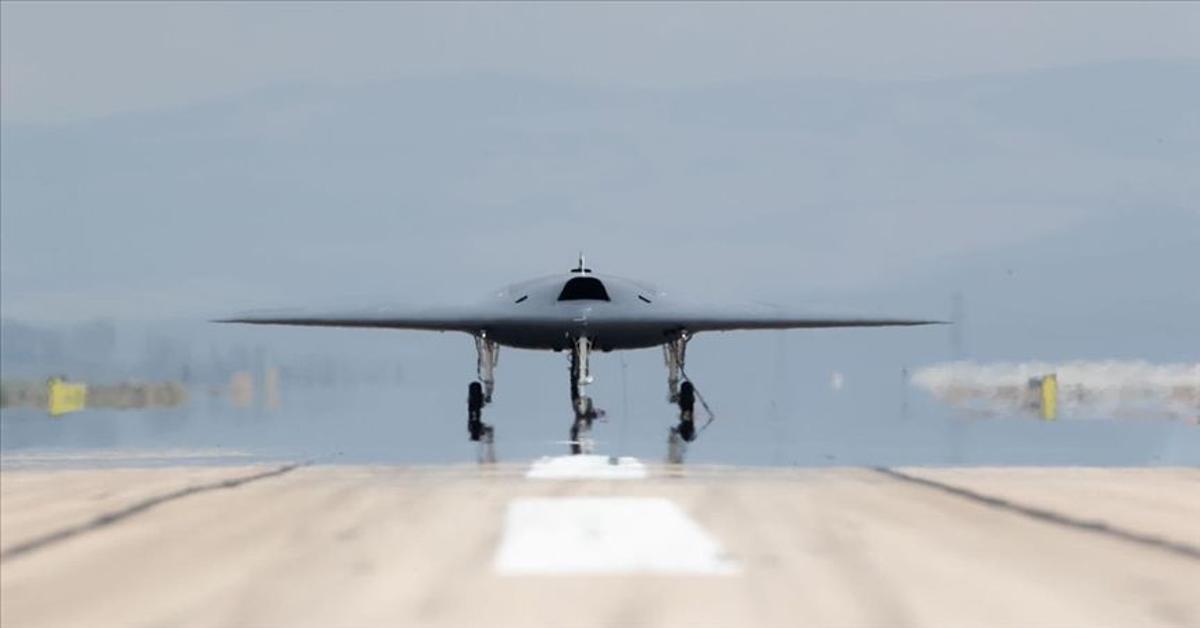
Anka-3, which conducted its first engine run in 2023, took to the skies for the first time on Dec. 28. The fully autonomous flight lasted over an hour, during which all systems were tested, followed by an automatic landing.
Continuing tests rapidly, Anka-3 has commenced ammunition flight tests. During its 12th sortie, it successfully hit the target with pinpoint accuracy using the TEBER-82 Guidance Kit. In a second test, Anka-3 successfully carried out another strike with the TOLUN munition.
The second prototype has also begun test flights.
In this project, which progressed from concept to first flight in a remarkably short time, nearly 250 engineers and technicians utilized AI-supported modeling, simulation, and flight control technologies.
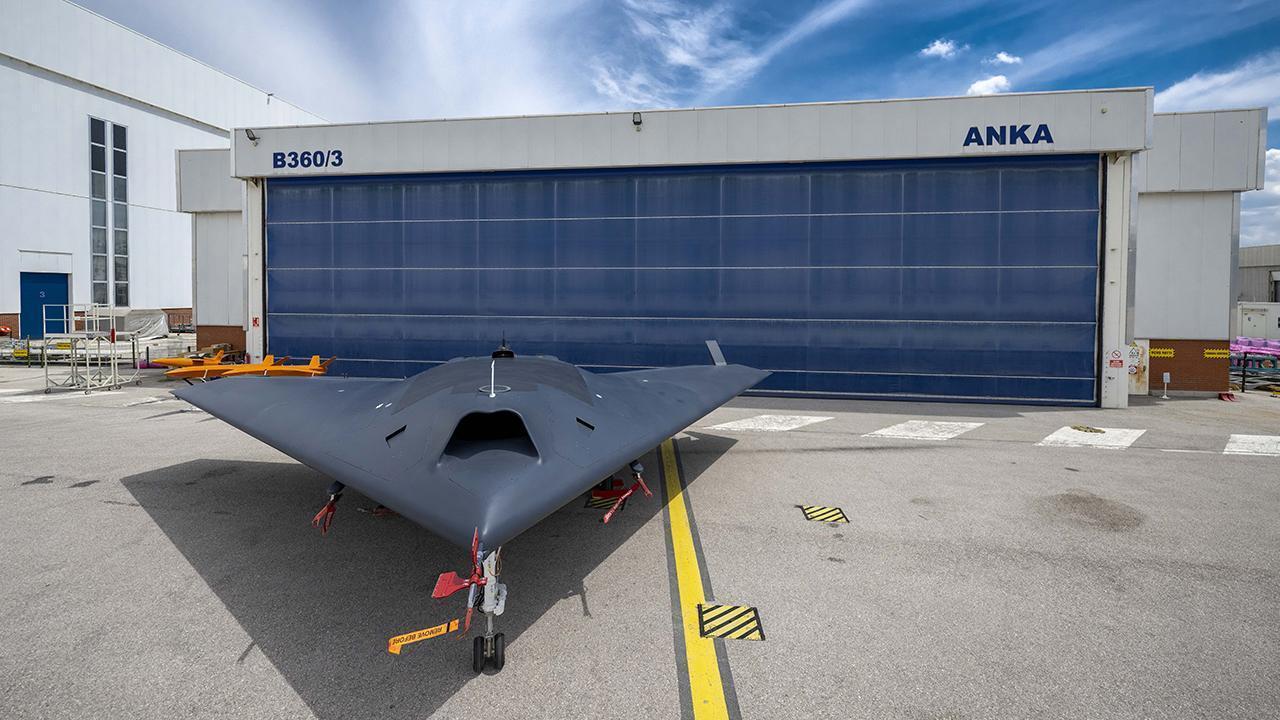
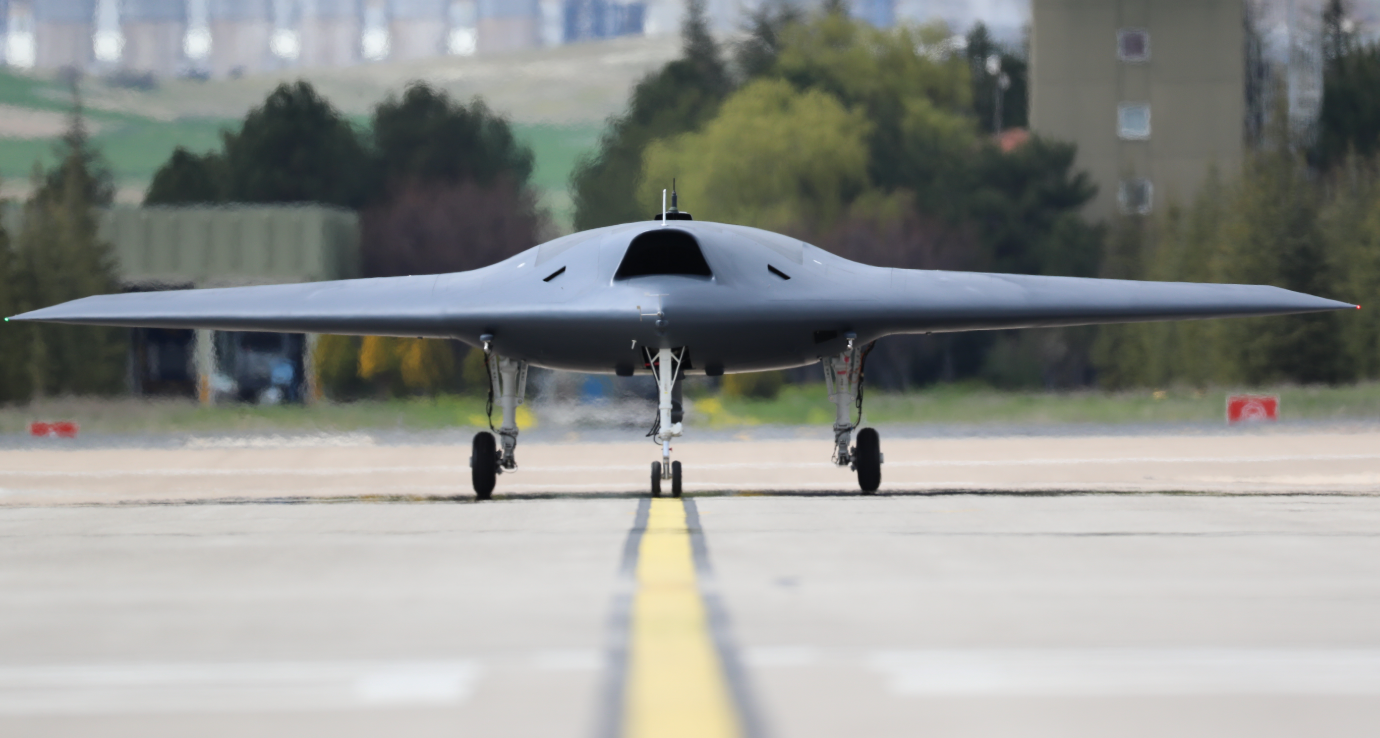
Anka-3 stands out for its low observability enabled by its flying-wing configuration, high speed from its turbofan engine, and significant payload capacity in its internal stations.
Anka-3's payload systems


 Set as preferred source
 Set as preferred source


 1 min read