Newsletters


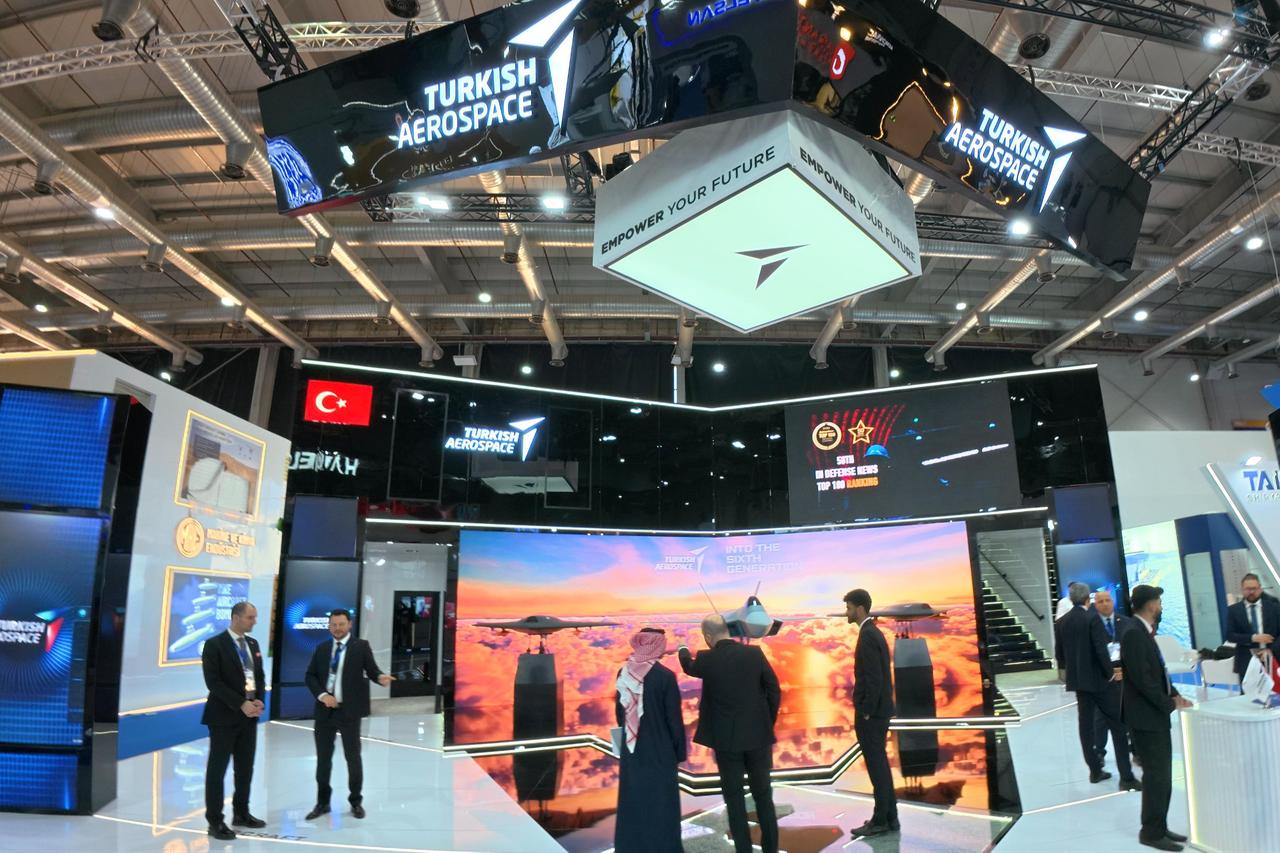


Turkish Aerospace Industries (TAI) will unveil new kamikaze unmanned aerial vehicles (UAVs) and helicopter projects—both manned and unmanned—for the first time at SAHA EXPO 2026 in early May, CEO Mehmet Demiroglu announced.
Speaking to TRT Haber at the World Defense Show (WDS) 2026 in Riyadh, Demiroglu said the Istanbul exhibition will showcase several new TAI developments.
"We are planning to exhibit a few products in the kamikaze UAV category. Time will tell if it will be all of them or some of them," he stated.
"Also, we will be announcing new products—both manned and unmanned—in the helicopter category for the first time," he added.
The announcements will include at least two new platforms making their public debut.

A trademark for "AYAZ Kamikaze Jet UAV" was previously spotted on the website of the Turkish Patent and Trademark Office, suggesting this may be among the products to be revealed.
Another name, ATLAS, has also appeared on the trademark office website, though its context remains unclear.
TAI's journey into kamikaze UAVs began with modifications to the legacy Simsek turbojet-powered target drone, which was fitted with a warhead and man-in-the-loop guidance.
However, Simsek and its successors—Super Simsek and Simsek-K—were not designed solely as kamikaze platforms.
Super Simsek serves as a multi-role air-launched UAV for Anka, Aksungur and ANKA III drones, configurable as a cruise missile with GNSS/INS guidance or seeker-supported guidance using radio frequency or imaging infrared.
Simsek-K, a more refined successor, can reach ranges of 500 kilometers with GNSS/INS guidance and supports rocket-assisted takeoff and launch.
AYAZ represents TAI's first dedicated kamikaze UAV design, with specifications yet to be revealed.
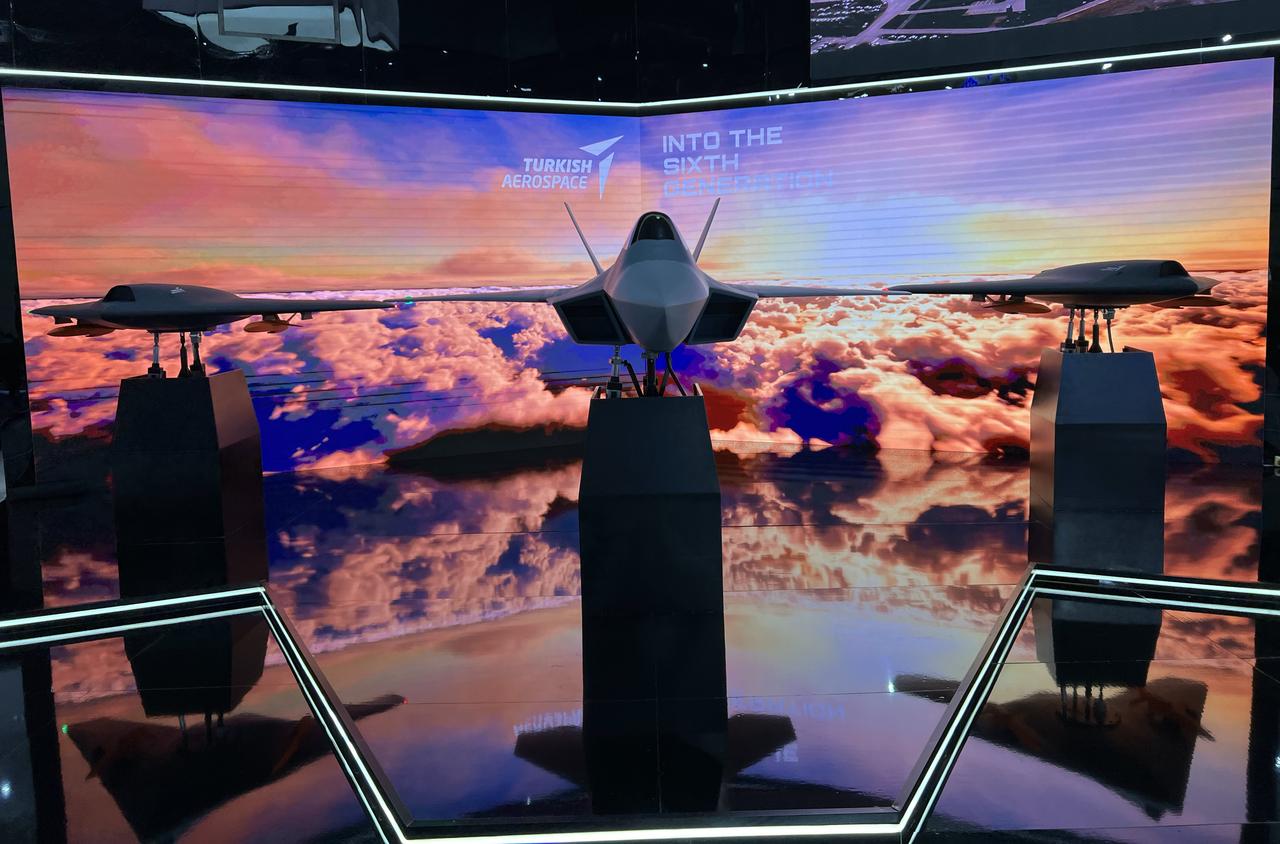
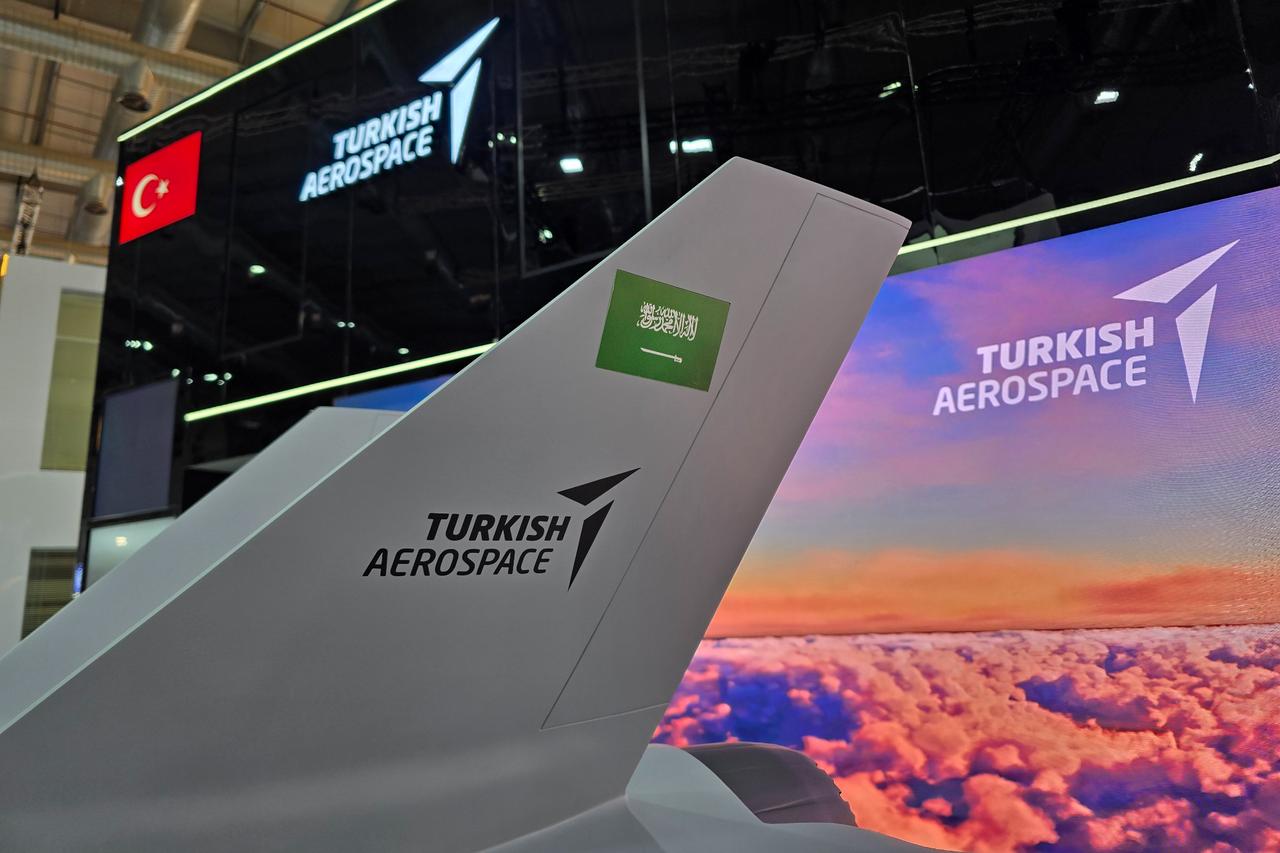
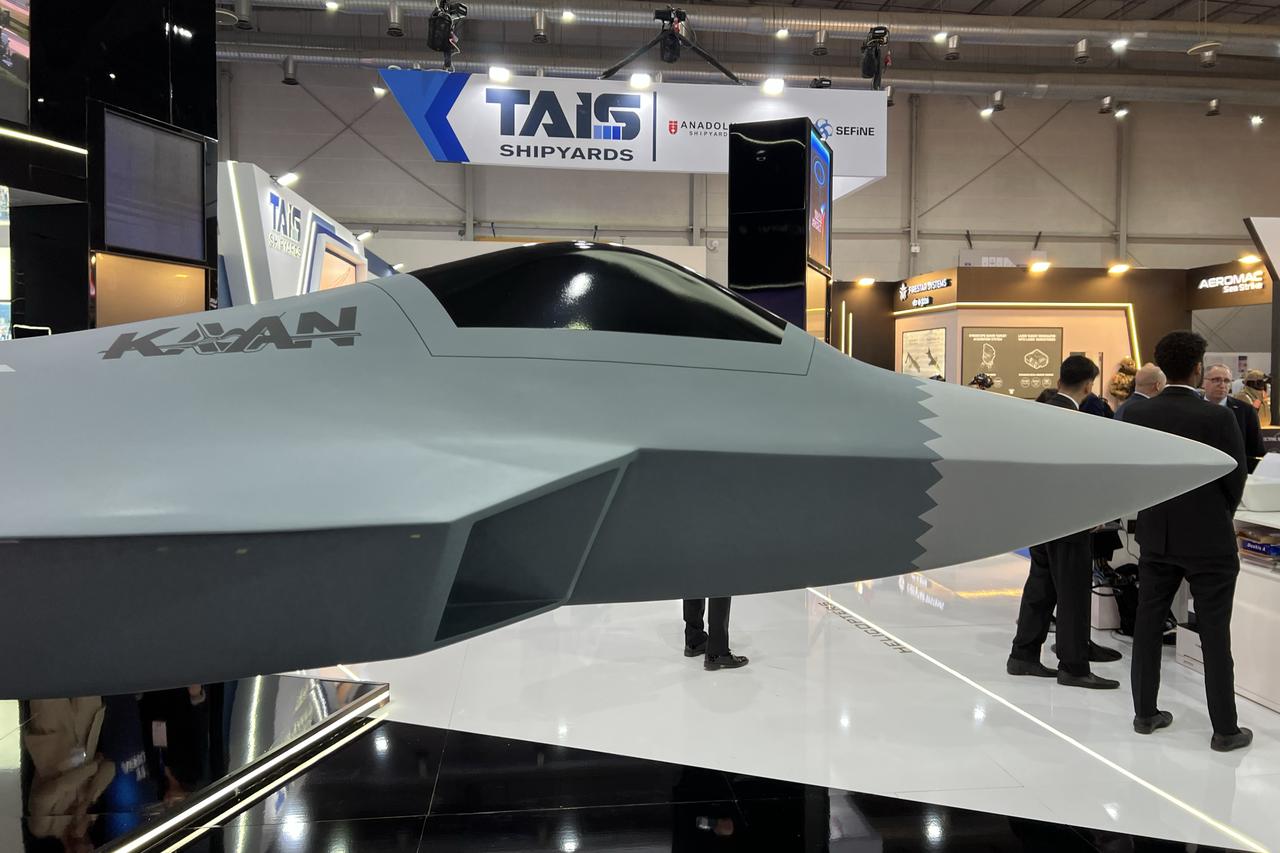
Demiroglu also addressed ongoing negotiations with Saudi Arabia over KAAN and GÖKBEY, noting that talks have reached the highest level following President Recep Tayyip Erdoğan's recent visit to Riyadh.
"We are discussing with Saudi officials which model to proceed with. Options such as production, purchase or a combination of both are possible. The process will take its final shape according to their wishes and vision. We expect a concrete step this year," he said.
He also noted that work on manned-unmanned teaming (MUM-T) capabilities is progressing rapidly, with KAAN and ANKA III platforms at the forefront.
"Communication, firing, and guidance between platforms—all of these will be ready before KAAN enters inventory," he stated.
"Managing swarm concepts, direction, and firing capabilities will all be prepared," he added.
Demiroglu lastly outlined the threshold for establishing production facilities in Saudi Arabia.
"As is known, for example, it is not reasonable to set up a production line here for 20 KAAN or 20 Gokbey. These numbers need to be high," he said.
"In the studies conducted, 100 units and above are considered a good number for a production line. As TAI, we can bring this down to 50. So, for us to set up a production line here, at least 50 KAANs and at least 50 Gokbey need to be purchased," Demiroglu explained.
"We are discussing these with the Saudi side as well. They also have such a desire. We will see the final result together," he noted.


 Set as preferred source
 Set as preferred source


 2 min read
 1 min read