Newsletters


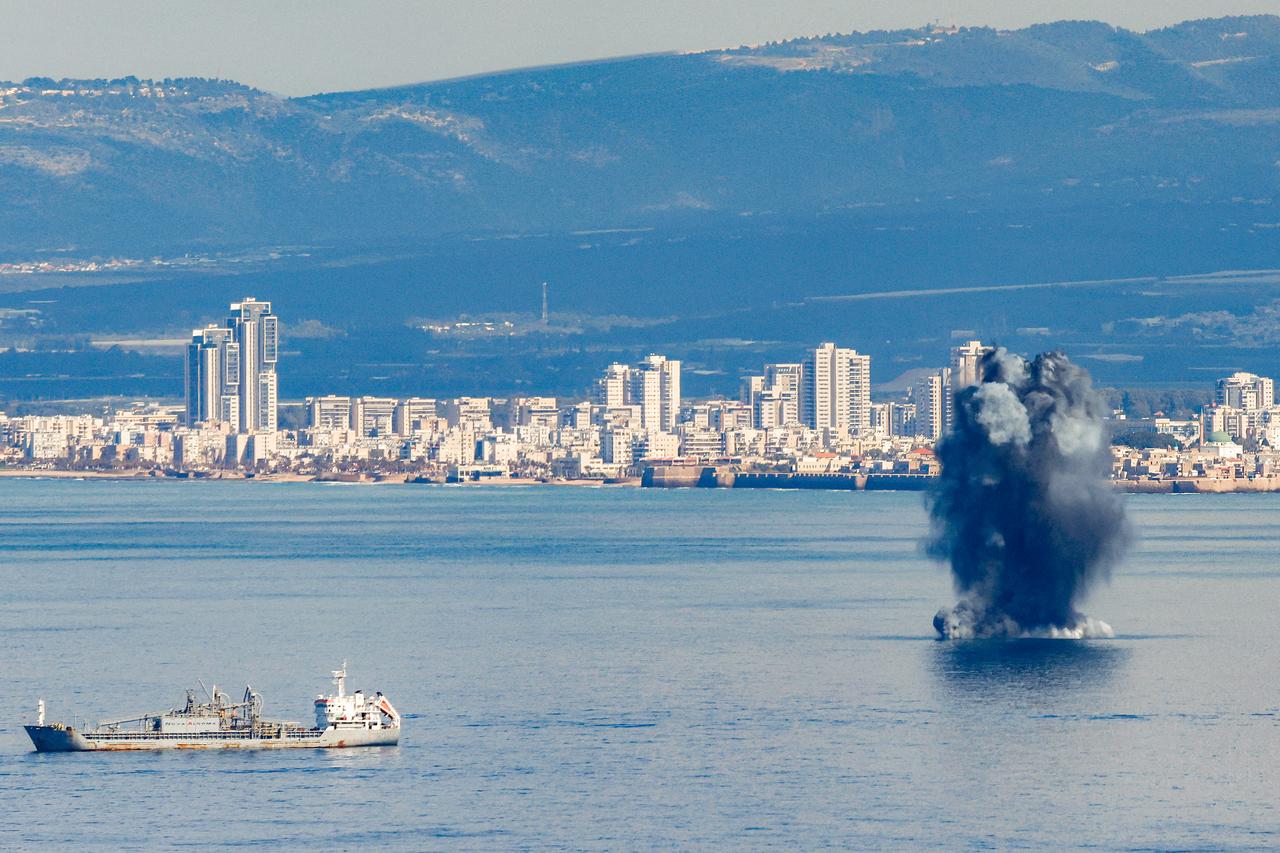


Turkish Foreign Minister Hakan Fidan held intensive diplomatic consultations Saturday with his Iranian counterpart and foreign ministers of six other countries to discuss steps toward ending the U.S.-Israeli strikes on Iran, as Türkiye positioned itself at the center of regional efforts to halt the escalation.
According to information obtained from foreign ministry sources, Fidan spoke with the foreign ministers of Iran, Iraq, Saudi Arabia, Qatar, Syria, Egypt and Indonesia, with discussions focused on measures that could be taken to bring the strikes to an end.
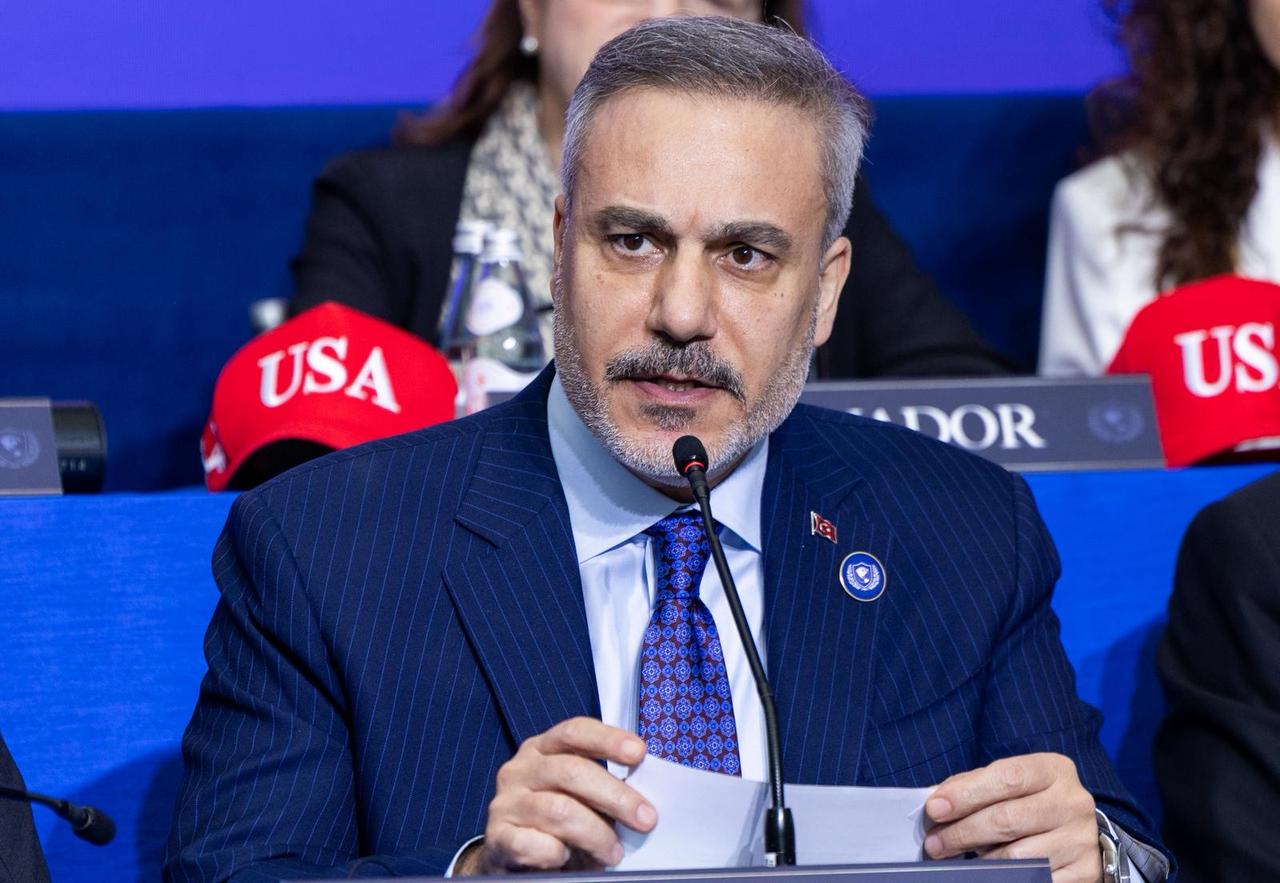

The breadth of Fidan's outreach, spanning Iran, the Arab world, and Southeast Asia, reflects Ankara's unique diplomatic position as a NATO member that maintains relations with all sides and shares a 534-kilometer border with Iran.
Türkiye had been actively engaged in de-escalation efforts in the weeks leading up to the war.
Ankara had been in contact with both Washington and Tehran to de-escalate tensions and had called for a diplomatic resolution.
Türkiye's Embassy in Tehran earlier Saturday issued a security advisory urging Turkish citizens in Iran to remain in safe areas, avoid military zones and refrain from going outside. The embassy confirmed that the Esendere, Kapikoy and Gurbulak land border crossings with Iran remain open for Turkish citizens to return home.
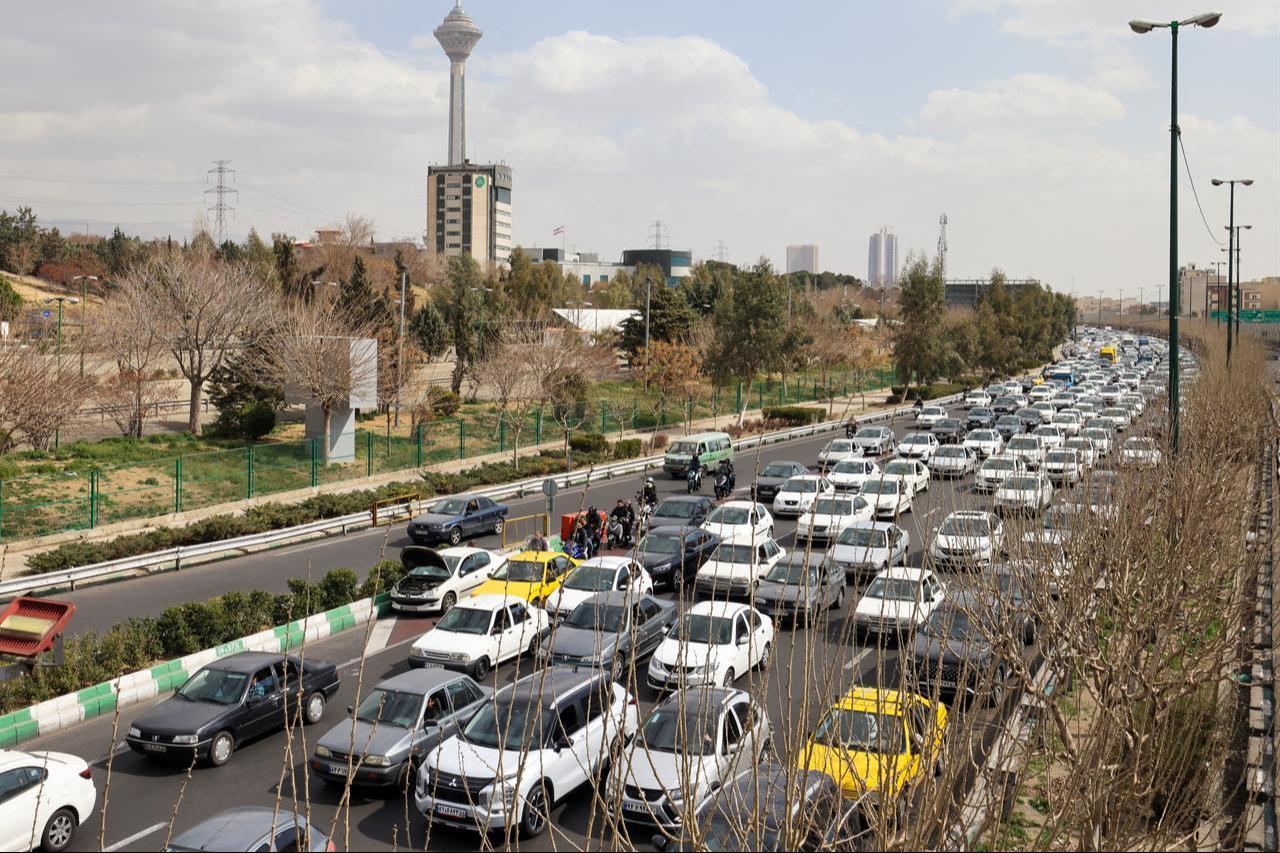
Türkiye's diplomatic efforts came as world leaders condemned the strikes and called for restraint.
Malaysian Prime Minister Anwar Ibrahim called the Israeli strikes "a despicable attempt to sabotage ongoing negotiations and drag other countries into an uncontrollable conflict," urging the U.S. and Iran to seek a diplomatic way out instead of further escalation.
Indonesian President Prabowo Subianto offered to mediate between the two sides and expressed readiness to travel to Tehran if needed.
Spanish Prime Minister Pedro Sanchez said, "We reject the unilateral military action of the U.S. and Israel. This action escalates tensions and contributes to a more uncertain and hostile international order."
Spain's Culture Minister Ernest Urtasun called the attack "illegal and unilateral" and characterized current U.S. policy as "barbarism."
The EU urged "all parties to exercise maximum restraint, to protect civilians, and to fully respect international law." European Council President Antonio Costa and Commission President Ursula von der Leyen called the situation 'greatly concerning."
EU foreign policy chief Kaja Kallas warned developments are "perilous," adding that non-essential EU personnel are being withdrawn and the Aspides naval mission in the Red Sea is on high alert.
The German government confirmed it had been informed in advance by Washington about the military action and is "closely coordinating" with European allies.
The UK said it "does not want to see further escalation into a wider regional conflict" and confirmed it is not participating in the strikes. Prime Minister Keir Starmer was to chair an emergency COBRA meeting on Saturday morning.
Norwegian Foreign Minister Espen Barth Eide described the failure of US-Iran negotiations as "very regrettable," saying, "I am deeply concerned that we will now have a new, extensive war in the Middle East."
Danish Prime Minister Mette Frederiksen warned, "This could develop in a dangerous direction for all of us," while voicing support for regime change in Iran but calling for restraint.
Finnish President Alexander Stubb said Trump will refuse any middlemen in future negotiations and warned the US is "currently operating largely outside traditional international law."
Sweden's Foreign Minister Maria Malmer Stenergard said "Iran bears significant responsibility for negative developments in the region" but called for "restraint and an immediate return to diplomatic negotiations."
The Swiss Foreign Ministry, Dutch Foreign Minister Tom Berendsen, and the foreign ministers of Slovenia and Latvia all issued separate calls for de-escalation and restraint.


 Set as preferred source
 Set as preferred source


 1 min read
 1 min read