Newsletters


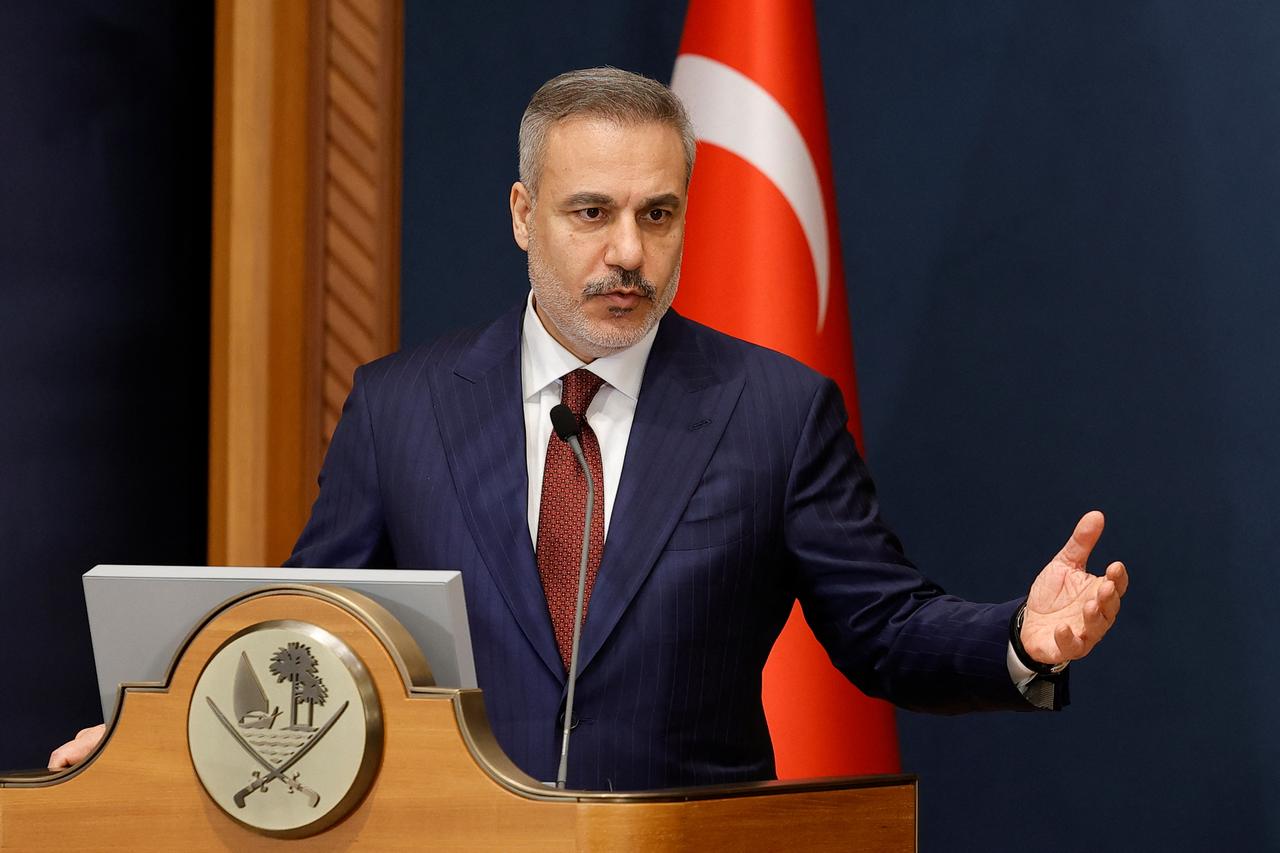


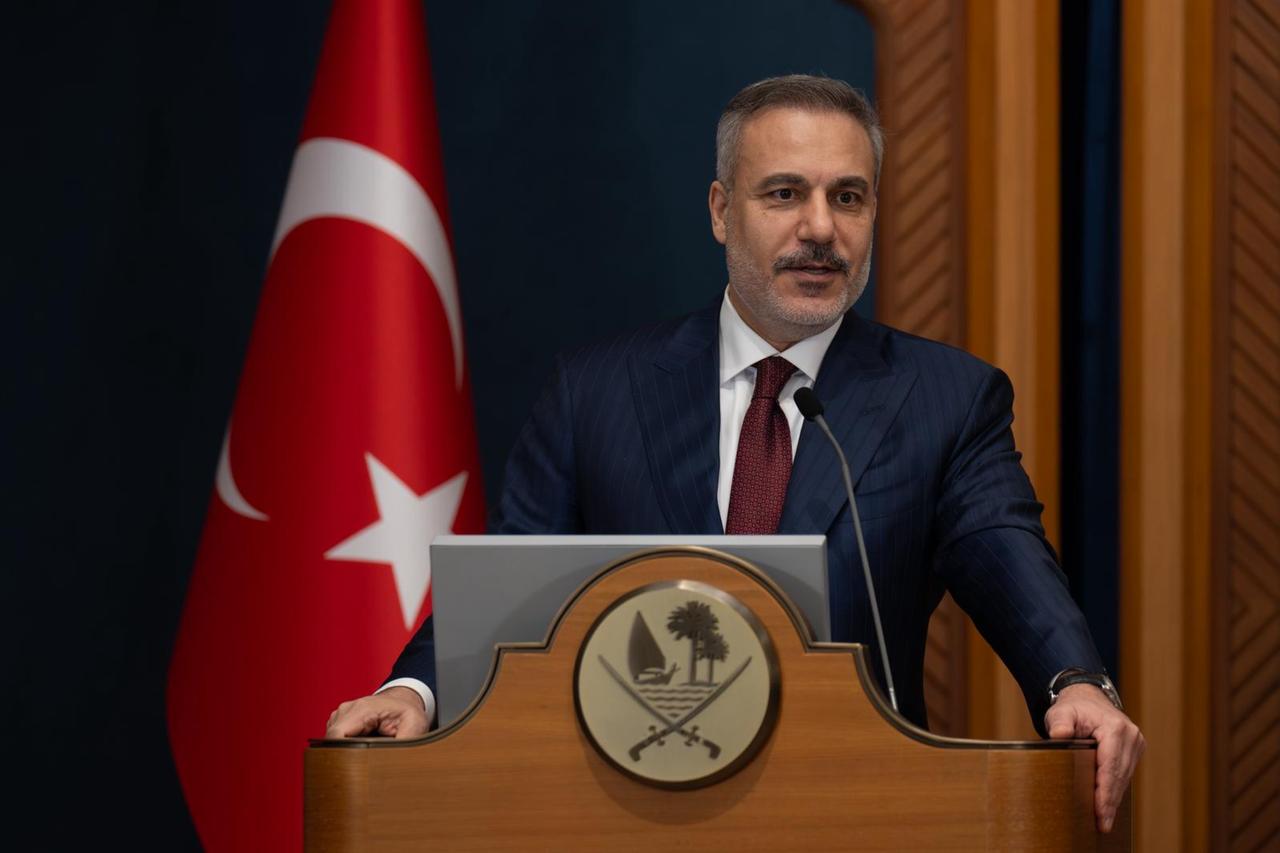
Turkish Foreign Minister Hakan Fidan held separate phone calls Sunday with Iranian Foreign Minister Abbas Araghchi, Egyptian Foreign Minister Badr Abdelatty, EU foreign policy chief Kaja Kallas, and U.S. officials, with "steps to end the war" as the central topic.
Fidan recently warned that Israel may seek to prolong the conflict and that Gulf countries "could be forced to take action" if the current situation persists.
The Turkish Ministry of Foreign Affairs (MFA) sources said the calls focused on steps that can be taken to end the war initiated by the U.S. and Israel against Iran.
No further details on the substance of the individual calls were provided by Turkish diplomatic sources.
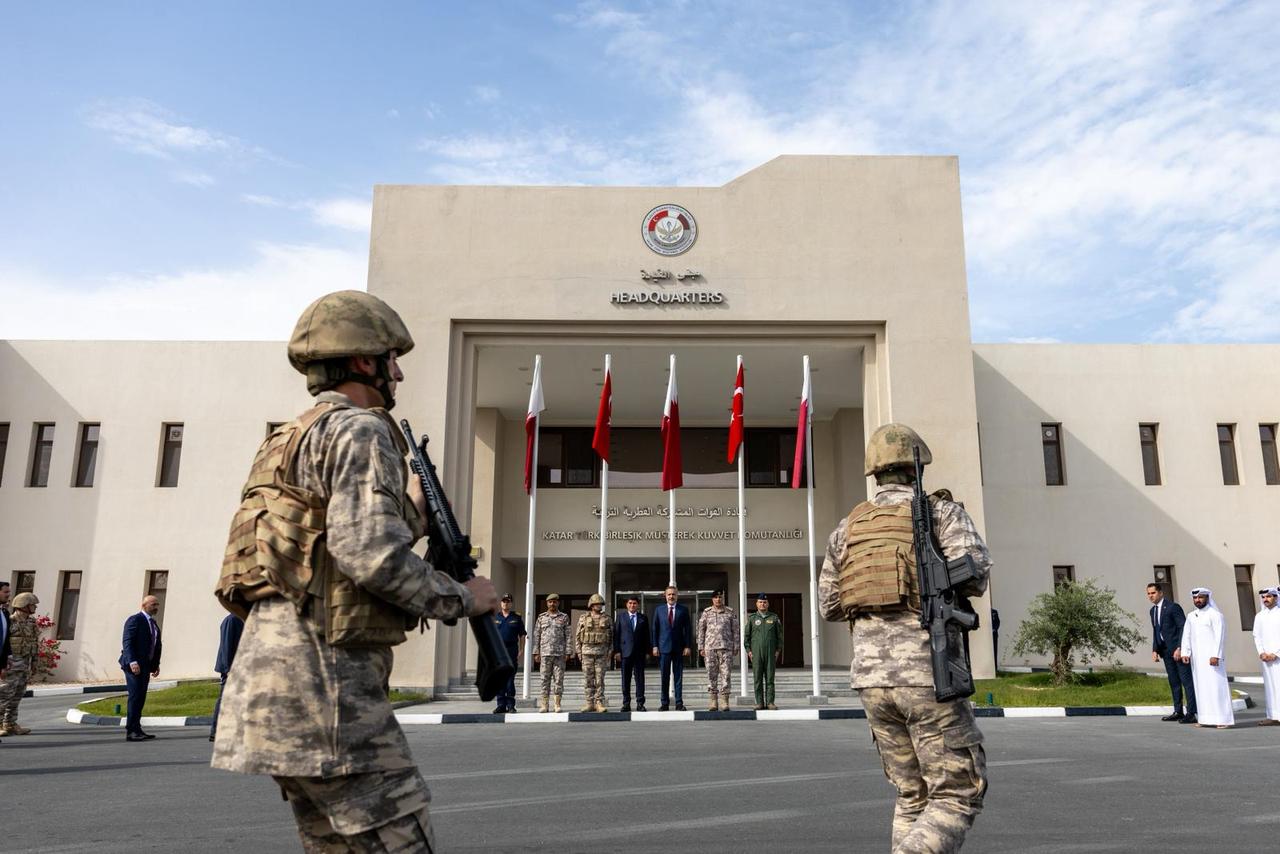

Fidan, speaking to journalists in Ankara on Saturday, March 21, following a regional tour encompassing Saudi Arabia, Qatar and the UAE, noted that the Gulf countries told him during a meeting in Riyadh that they may have to take measures if the current situation persists.
He said Gulf states assess the war will continue for another two to three weeks, emphasizing the importance of the U.S. in shaping that timeline.
Fidan said Gulf countries had declared from the outset that they would not allow their airspace or bases on their territory to be used against Iran and that they would not be a party to the war.
He added that these countries also said Iran had deliberately carried out attacks not only on military bases but also on civilian infrastructure and economic targets.

The Turkish foreign minister also added that there is a growing assessment that the U.S. and Israeli initial positions are drifting apart, which could lead to a longer conflict.
"Israel will try to influence the US and will seek to prevent a ceasefire or the achievement of peace in the near term. There has been a growing assessment that the U.S.' and Israel's initial positions are drifting apart. This, in turn, could lead to a longer war," he said.
"Israel may adopt a policy of prolonging the war as much as possible in order to inflict greater damage on Iran," he added.
 1 min read

Since early March, Iran has effectively closed the Strait of Hormuz, a key oil transit route that normally handles about 20 million barrels per day and roughly 20% of global liquefied natural gas trade, to most ships.
The closure has driven up shipping and insurance costs, pushed oil prices higher, and raised global economic concerns.
Regional escalation has continued to flare since the U.S. and Israel launched a joint offensive on Iran on Feb. 28, killing so far over 1,300 people, including then-Supreme Leader Ali Khamenei.
Iran has retaliated with drone and missile strikes targeting Israel, along with Jordan, Iraq, and Gulf countries, which it says are targeting "U.S. military assets," causing casualties and damage to infrastructure while disrupting global markets and aviation.


 Set as preferred source
 Set as preferred source


 1 min read