Newsletters


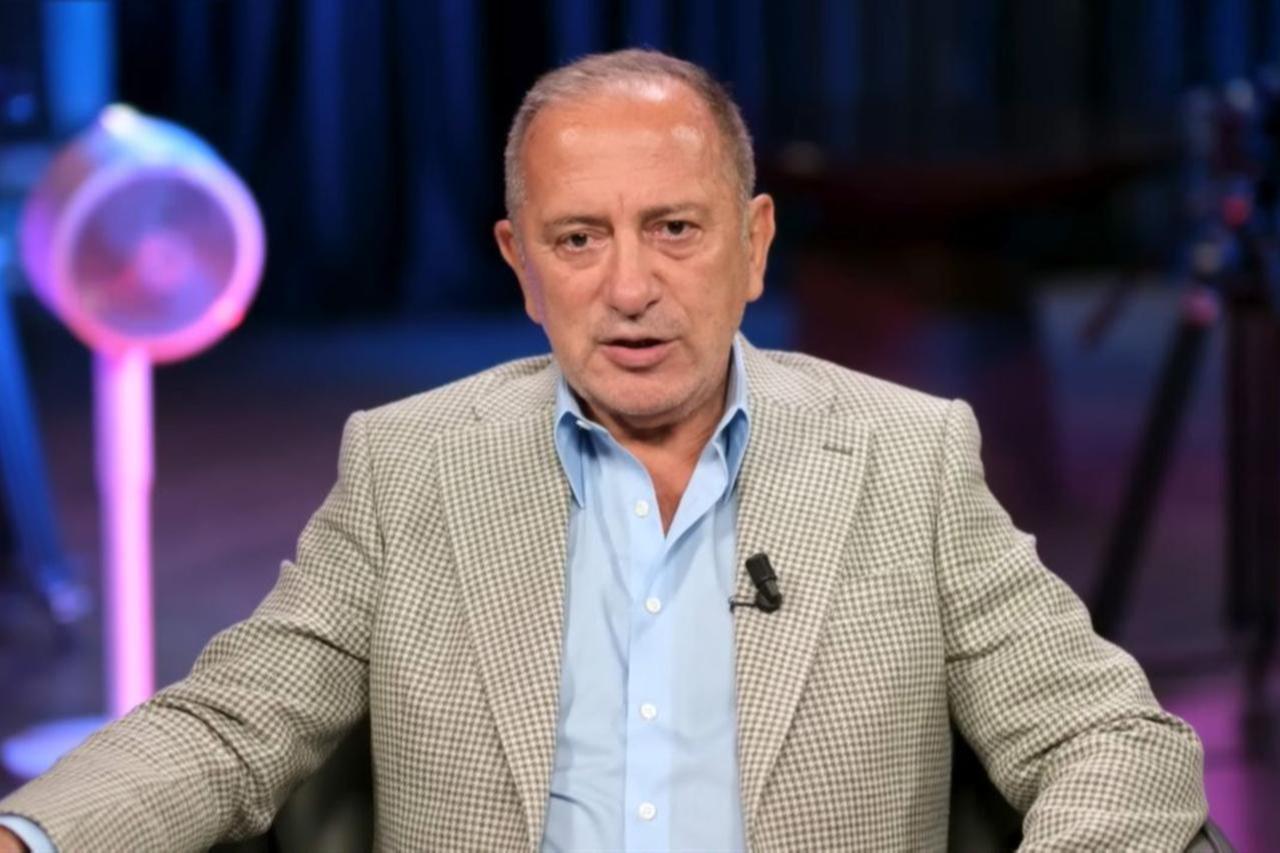


Turkish journalist Fatih Altayli was released from custody Monday following a court decision, days after receiving a prison sentence for threatening President Recep Tayyip Erdogan.
The Istanbul 26th High Criminal Court on November 26 had sentenced Altayli to 4 years and 2 months in prison on charges of threatening the president and ordered his continued detention. However, the court issued a release order on Monday, though details of the conditions were not immediately disclosed.
The conviction stems from statements Altayli made on his YouTube channel, which the court determined constituted threats suggesting Erdogan could be assassinated or killed.
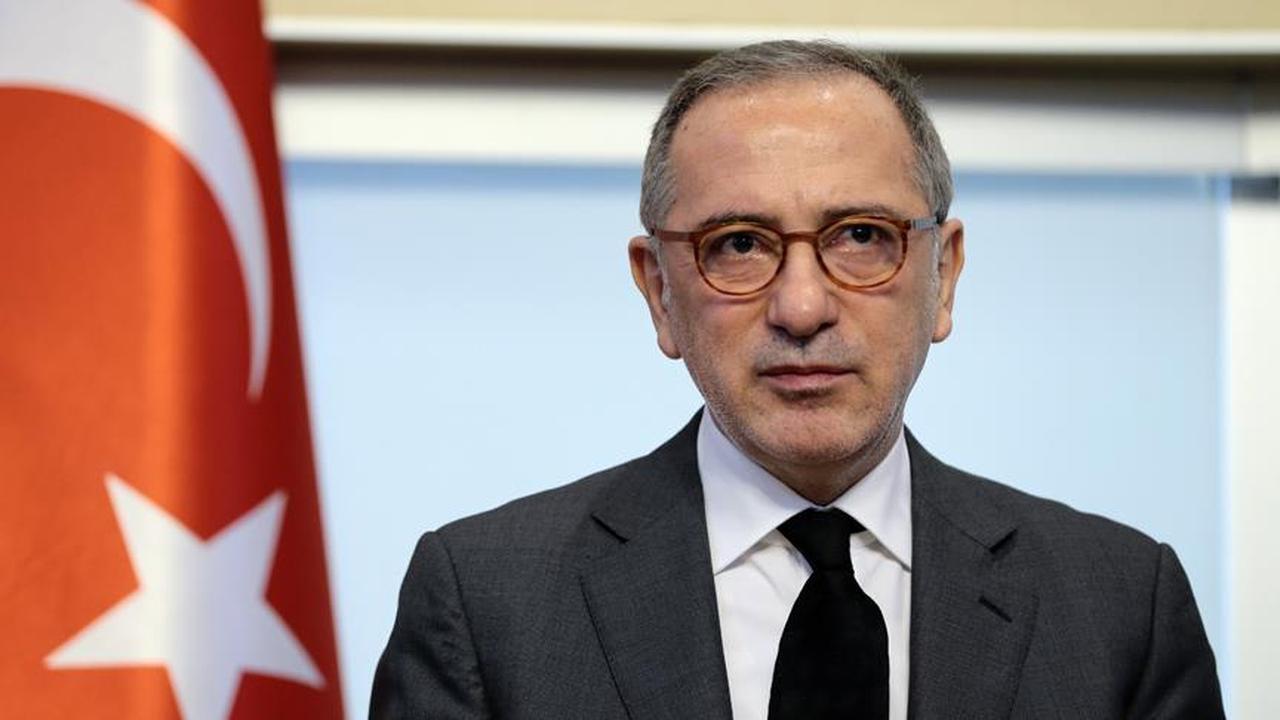

In its reasoned decision, the court determined that Altayli's remarks, made during discussions about Erdogan's potential reelection as president, crossed legal boundaries. The court noted that Altayli shared the video content on YouTube, an internationally accessible platform, through a channel with over one million subscribers, and that the videos in question were viewed hundreds of thousands of times.
"Considering that the defendant shared the said video content openly with everyone through the application called Youtube, which is an international platform and accessible in our country, and that the channel he shared has over one million subscribers, and that the said video content has been viewed hundreds of thousands of times, it has been proven that the defendant had the intent to convey the said threat statement," the court's decision stated.
The ruling addressed Altayli's defense arguments that his statements fell within the scope of press and freedom of expression, citing a February 2007 decision by the Supreme Court of Appeals Criminal General Assembly on press freedom. The court outlined four criteria necessary for lawful exercise of the right to report news: the news must be true, current, serve public interest, and maintain an intellectual connection between the manner of presentation and its substance.
The court emphasized that freedom of expression and press freedom, like other fundamental rights, are not unlimited. The decision referenced Article 10/2 of the European Convention on Human Rights and other international and domestic legislation regulating restrictions on expression and press freedom.
The ruling cited the European Court of Human Rights' oversight role in determining whether national authorities exercise their discretion in accordance with Article 10 of the convention. National authorities must consider whether restrictions are provided for by law, clearly defined, consistent with legitimate aims outlined in the convention, appropriate for the requirements of contemporary democratic society, and proportional without excessive measures.
"In most contemporary countries, defamation, statements that damage honor, dignity and reputation, obscene words, writings, images and statements, war incitement, expressions aimed at changing the legal order by force, creating hatred, discrimination, hostility and violence are not considered within the scope of freedom of thought and are punished by being considered crimes," the court stated.
The decision concluded that Altayli's statements fell within the category of expressions aimed at changing the legal order through force and creating hatred, discrimination, hostility and violence. The court found his statements incited violence and therefore did not qualify for protection under press and freedom of expression rights.


 Set as preferred source
 Set as preferred source


 1 min read
 1 min read