Newsletters


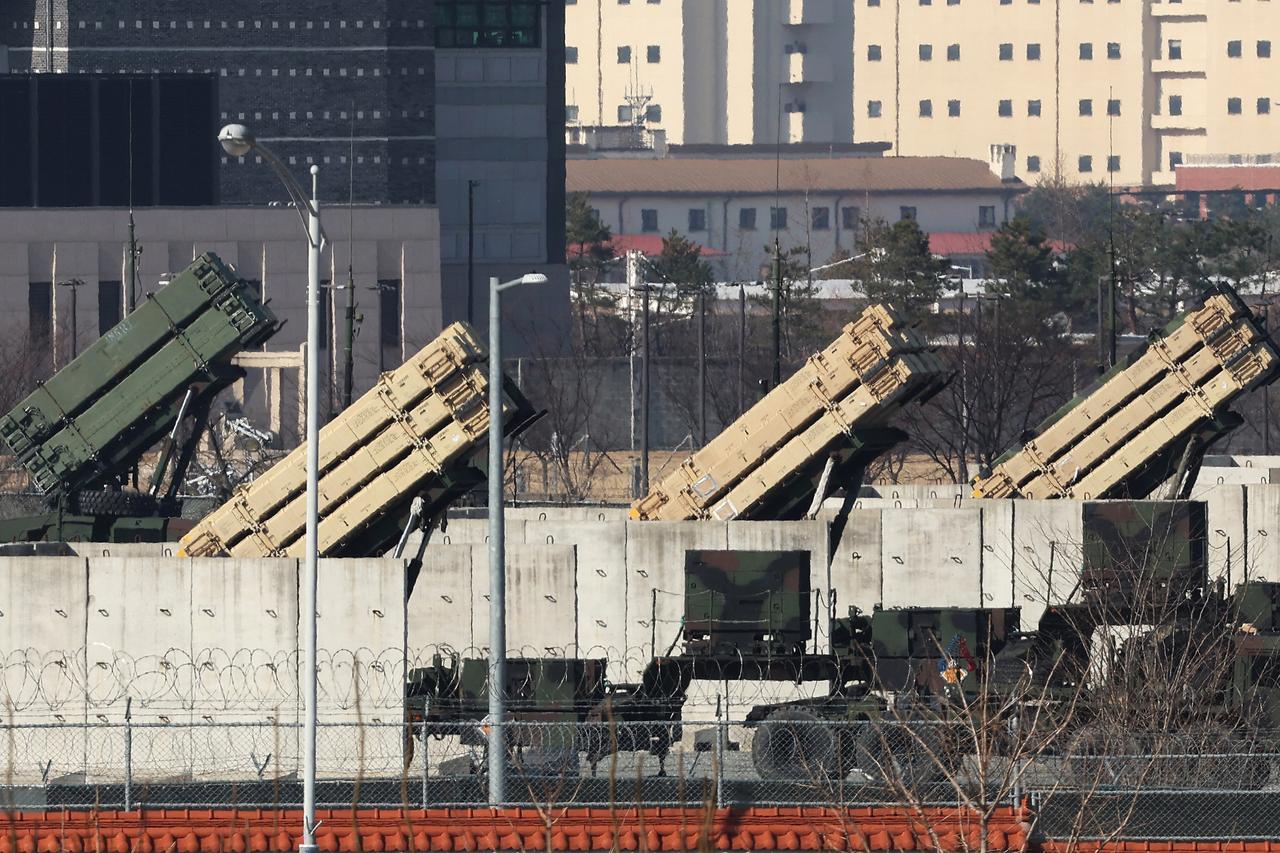


Türkiye’s Ministry of National Defense (MoND) stated on Thursday that a NATO-based missile defense system was used because the alliance's integrated structure automatically selects the fastest and most suitable interceptor when a ballistic missile is detected.
"This system consists of early warning sensors, a command and control system, and interceptor missiles. When a ballistic missile is detected, because the response time is very short, the system automatically selects and fires the most suitable and fastest interception asset," the ministry noted.
"Against the ballistic missile threat directed at our country, the most suitable and effective defense elements were activated and the munition in question was successfully destroyed," the MoND added.
The comments came after the ministry's weekly press briefing, when officials also answered journalists' questions about NATO’s ballistic missile defense system.
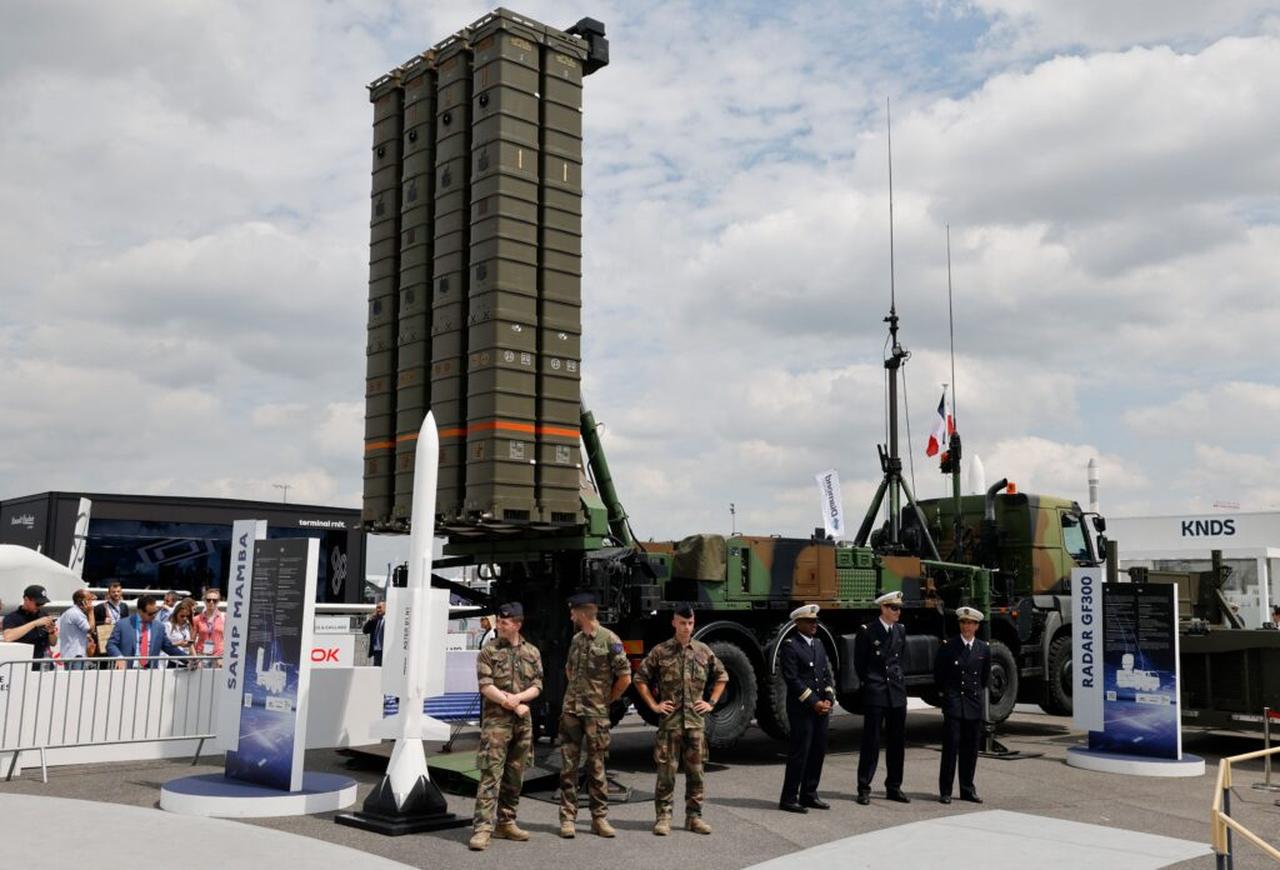

"NATO’s ballistic missile defense system does not belong to a single country. The system consists of a combination of NATO’s common infrastructure and the contributions provided by allied countries," the Turkish MoND stated.
"This system, which is entirely defensive in nature, aims to support deterrence and defense, which are among NATO’s core tasks," it was noted.
The ministry said, "Ballistic missiles have become one of the most important threats in the international security environment in recent years. Many countries neighboring NATO possess ballistic missile capabilities and continue to develop or procure these systems. The destructive impact of these weapons has been clearly seen, especially in the Russia-Ukraine War. For this reason, NATO has established a comprehensive defense architecture to protect its population, territories, and forces in Europe against ballistic missile threats."
On the role of the system within the alliance, the ministry explained by stating, "NATO Ballistic Missile Defense (BMD) is a part of NATO’s Integrated Air and Missile Defense (IAMD) system. This system, which is entirely defensive in nature, aims to support deterrence and defense, which are among NATO’s core tasks."
"Ballistic missile defense plays an important role in NATO’s security architecture together with conventional forces and nuclear deterrence. It is also supported by capabilities in space and cyberspace and forms part of the alliance’s multilayered defense approach," the ministry added.
The ministry also explained that NATO’s ballistic missile defense capability was developed step by step.
"These developments show that NATO continues to strengthen its ballistic missile defense continuously," the Turkish Ministry of National Defense stated.
On how the system functions, the ministry noted that "NATO's ballistic missile defense system does not belong to a single country. The system consists of a combination of NATO’s common infrastructure and the contributions provided by allied countries. This structure is made up of three main elements: sensors, a command-and-control system, and interceptor systems."
"Sensors detect the launch of a ballistic missile at an early stage. The command-and-control system evaluates the data obtained, analyzes the threat, and determines the appropriate defense element. Interceptor systems are used to neutralize the threatening ballistic missile during flight. When these three elements work together, NATO’s ballistic missile defense system operates based on threat detection, tracking, assessment/engagement decision, and interception," it was noted.
It then laid out the process in detail, stating that "detection of the launch of the threat missile: Through satellites, early warning radars, and other sensors, the missile launch is identified at the earliest possible moment."
The missile’s engine ignition, heat signature, and initial flight movements are monitored to determine whether it constitutes a threat. This early detection provides critical time for decision-making and intervention."
"Directing tracking sensors toward the target: Following the initial detection, more precise radars and sensors are directed toward the target area. In this way, the missile’s position, speed and direction begin to be monitored in greater detail," it was noted.
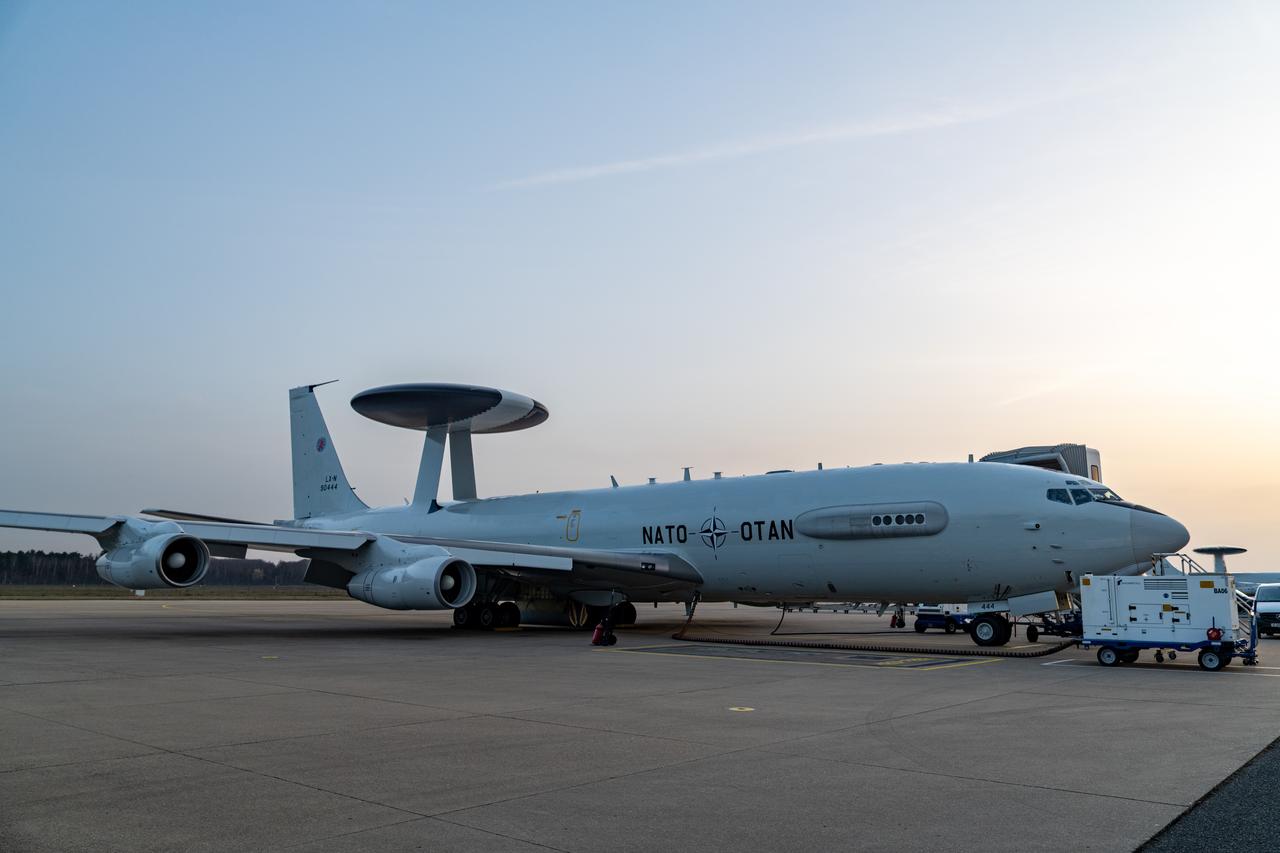
The ministry said, "Determining that the missile’s powered flight has ended and beginning tracking: At this stage, the moment when the missile’s booster engine stops operating is identified. When powered flight ends, the missile begins to move along a ballistic trajectory. From this point onward, the defense system can calculate more clearly the missile’s direction and likely target area."
"Discrimination of the real warhead: In addition to the warhead, the missile may also carry certain parts or decoys. Therefore, the system uses various radar and track data to distinguish the real warhead from other objects," the ministry added.
"Launch of the interceptor missile: Once the threat becomes sufficiently clear, the interceptor missile is fired. During flight, the stages that provide initial acceleration separate, and the system continues to guide itself toward the target with greater precision. Updating data during flight: While the interceptor missile is in flight, it is continuously updated by command-and-control elements. In this way, necessary course corrections are made according to the target’s movement," the ministry explained.
The ministry said, "Separation of the kill vehicle and final maneuvers: The kill vehicle inside the interceptor missile separates from the main body at the appropriate stage and performs precise final maneuvers to make the last approach to the target."
"Impact of the kill vehicle on the target: The kill vehicle strikes the threat warhead at high speed in an attempt to destroy it in the air or render it incapable of functioning," it was said.
"Determining whether the interception was successful: In the final stage, radars and the command-and-control system assess whether the threat has been fully neutralized. If necessary, additional interception measures may be activated," the Turkish MoND noted.
"NATO’s ballistic missile defense architecture is based on carrying out this process in coordination among radars, command centers, and interceptor systems located in allied countries," the statement said.
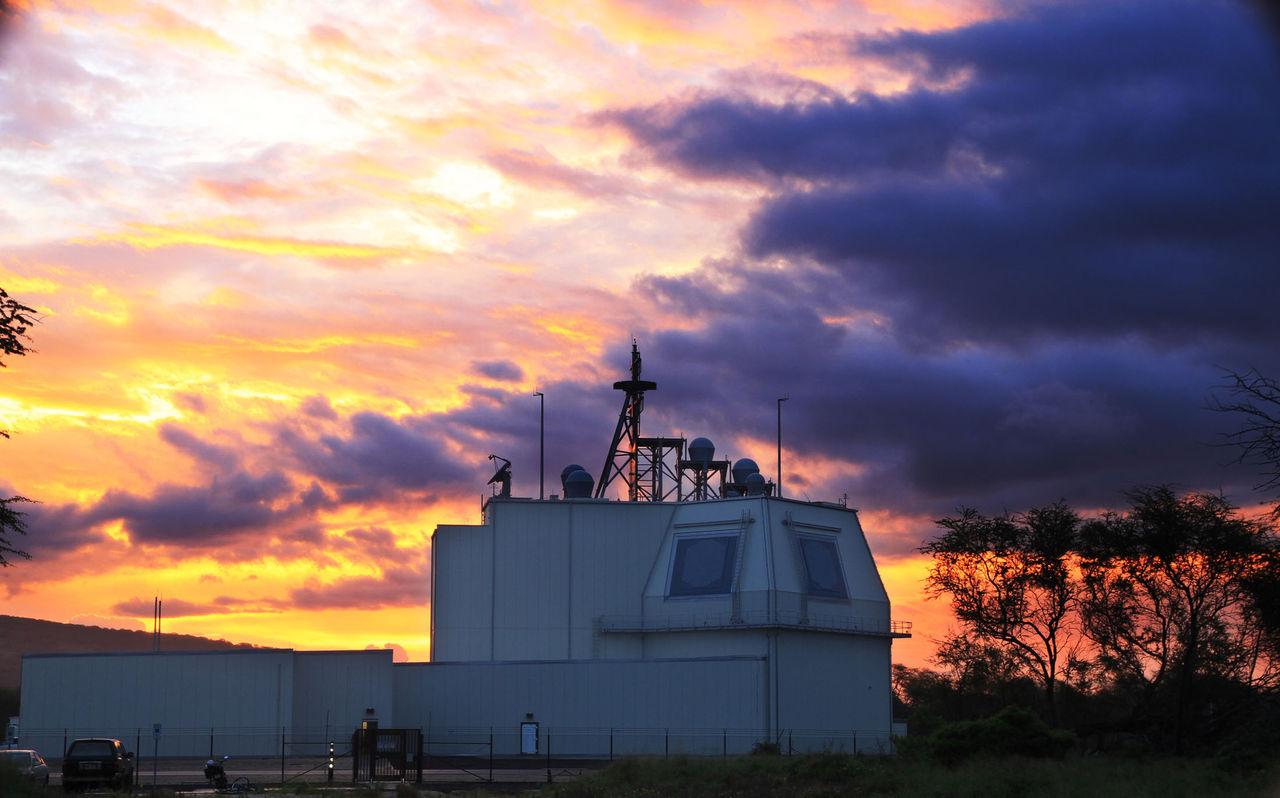
The ministry described NATO ballistic missile defense as a multinational system and detailed national contributions.
"NATO ballistic missile defense is a multinational system, and different countries contribute in different areas.
The main contributions are as follows:
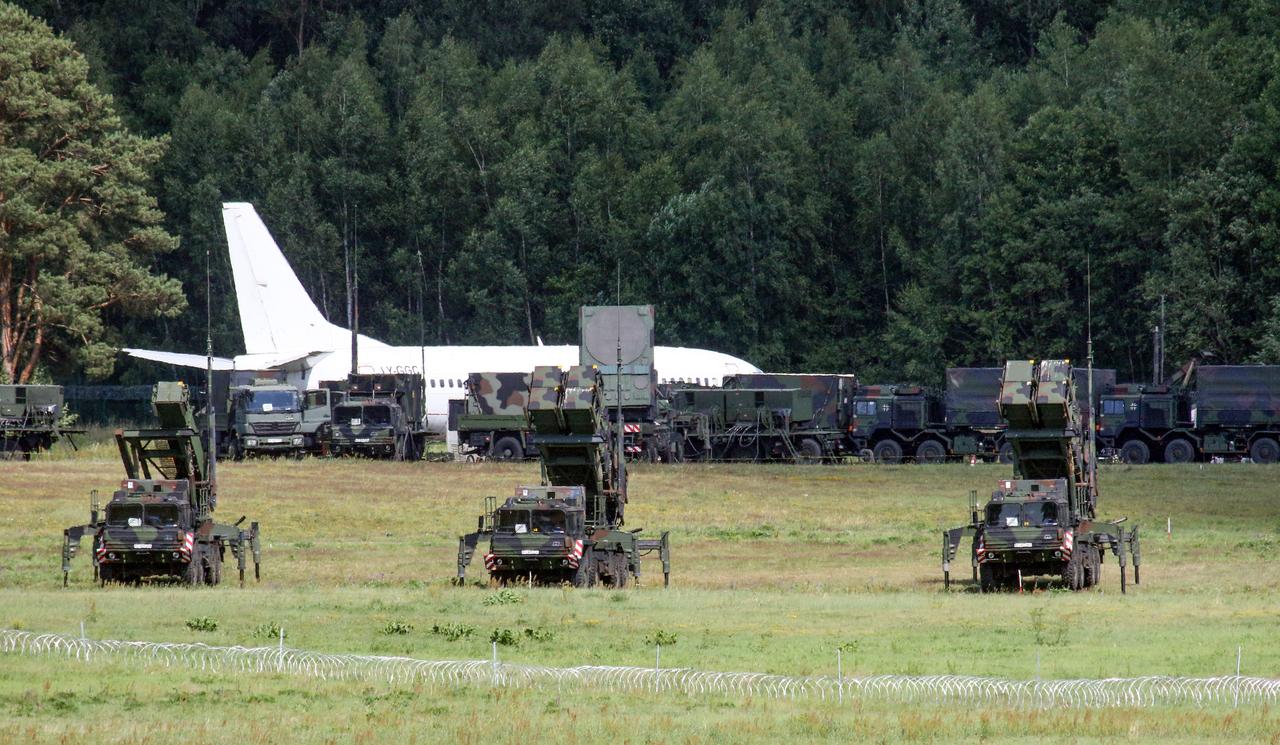
"In addition to these, some allied countries contribute to NATO ballistic missile defense with air and missile defense systems such as Patriot or SAMP/T, radars, or warships," the ministry added.
On the broader rationale for the system, the ministry stated, "As a result, the spread of ballistic missiles has become an important security issue for NATO today. For this reason, NATO has developed a multilayered and integrated ballistic missile defense system with the contributions of allied countries."
"Thanks to radars, interceptor systems and advanced command-and-control infrastructure, NATO aims to protect its population, territories, and forces in Europe against the ballistic missile threat. The alliance continues to develop and strengthen this system to adapt to the changing threat environment," the Turkish Ministry of National Defense said.
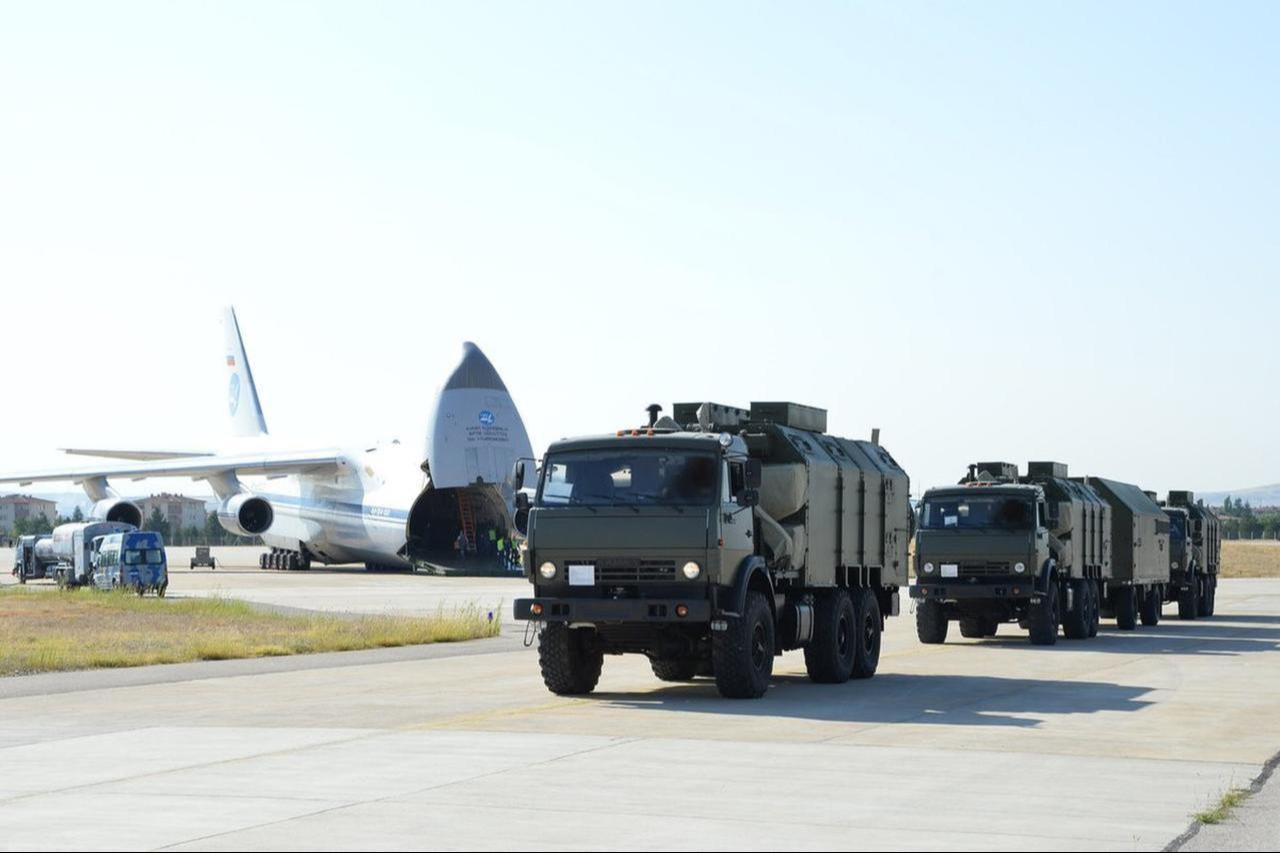
After the weekly press briefing, ministry officials also answered questions about the S-400's non-use.
The ministry said Türkiye's air and missile defense activities are carried out within a multilayered structure shaped by threat assessments and operational requirements.
It said, "Türkiye’s air and missile defense activities are being carried out within a multilayered structure in line with threat assessments and operational needs."
The ministry added, "The most appropriate defense element is determined by taking into account the rules of engagement and the current operational picture."
It also said, "Türkiye is part of NATO’s integrated air and missile defense system."
The ministry repeated, "This system consists of early warning sensors, a command and control system, and interceptor missiles. When a ballistic missile is detected, because the response time is very short, the system automatically selects and fires the most suitable and fastest interception asset."
It concluded, "against the ballistic missile threat directed at our country, the most suitable and effective defense elements were activated and the munition in question was successfully destroyed."


 Set as preferred source
 Set as preferred source


 2 min read