Newsletters




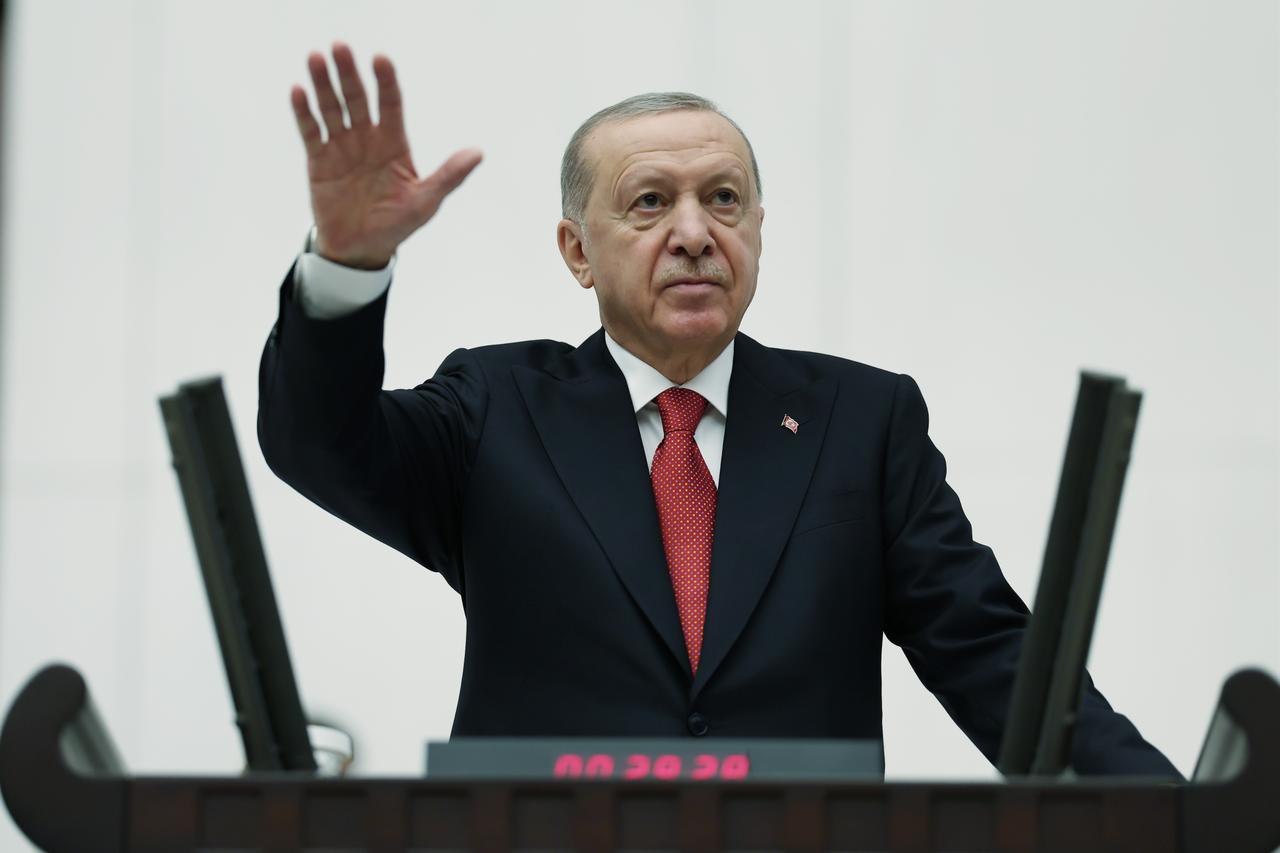
Türkiye's parliamentary Foreign Affairs Committee chair called Wednesday for the dismantlement of Israel's nuclear weapons stockpile, arguing that a country attacking Iran over alleged nuclear ambitions while itself possessing an undeclared arsenal represents a fundamental double standard under international law.
Fuat Oktay, speaking before the Foreign Affairs Committee, said Israel's nuclear weapons, believed to have been held since the 1960s, must be "eliminated as soon as possible." His remarks came amid a broader assessment of the widening regional conflict triggered by U.S. and Israeli strikes on Iran in early March.
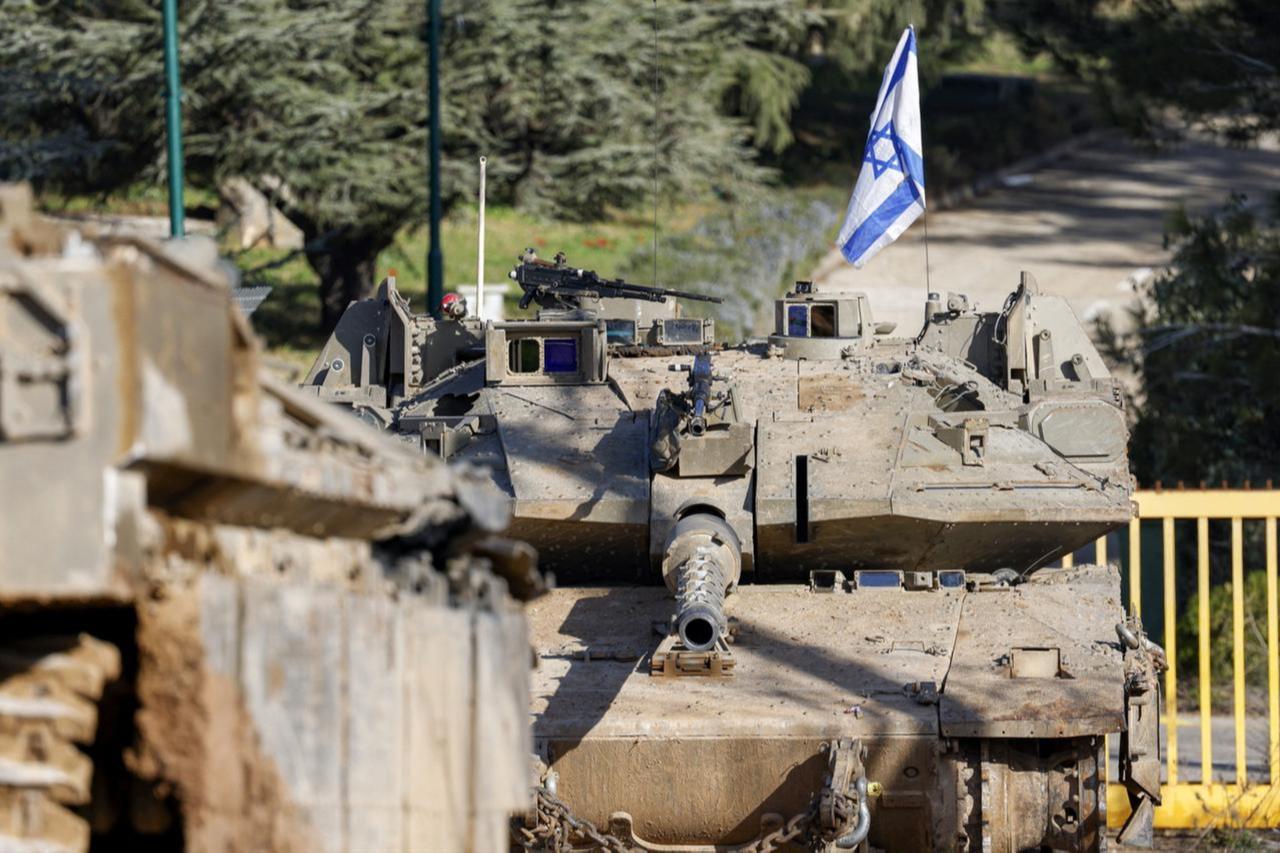
Oktay described a rapidly deteriorating security environment, saying the ring of fire around Türkiye was expanding. The war initiated by Israel and the United States against Iran in early March has since spread across a broad geography, he said, encompassing Iraq, Lebanon, and Gulf states. The Strait of Hormuz has effectively been closed to trade and energy transit, triggering price volatility and dragging the global economy into a deeply unstable environment.
"Although it is Israel's war, unfortunately the entire world, especially countries of the region, is paying the price," Oktay said.
He stated that the Israeli and American strikes on Iran lack any legal legitimacy under international law, having been carried out at a moment when negotiations toward a peaceful resolution were still ongoing. Oktay acknowledged Iran's right to self-defense, while also criticizing Tehran's strikes on neighboring countries and their civilian infrastructure as unacceptable.
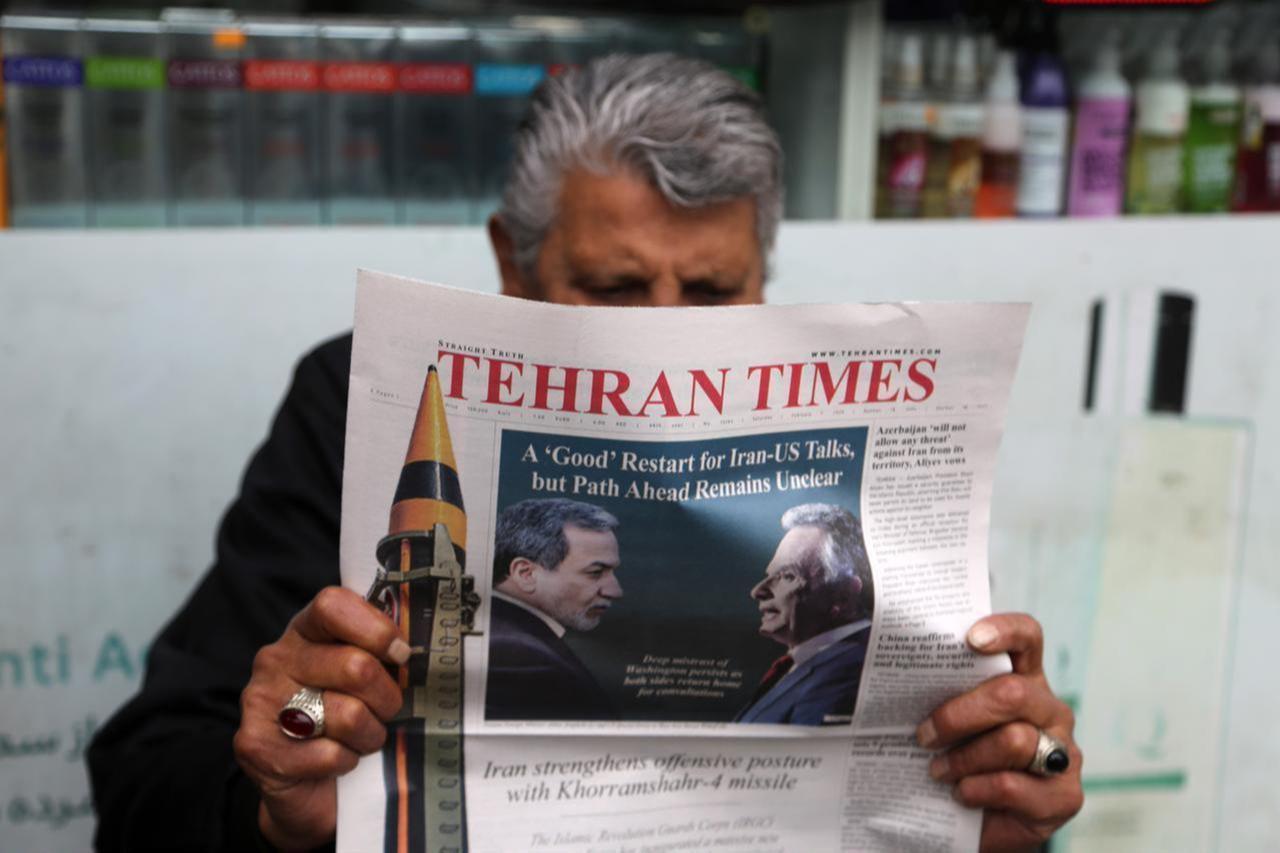

The sharpest language from Oktay was directed at what he called Israel's irresponsible conduct on the nuclear question. He argued that a country accusing Iran of seeking nuclear weapons while itself holding an arsenal that has been known since the 1960s cannot be exempt from the same standard of accountability.
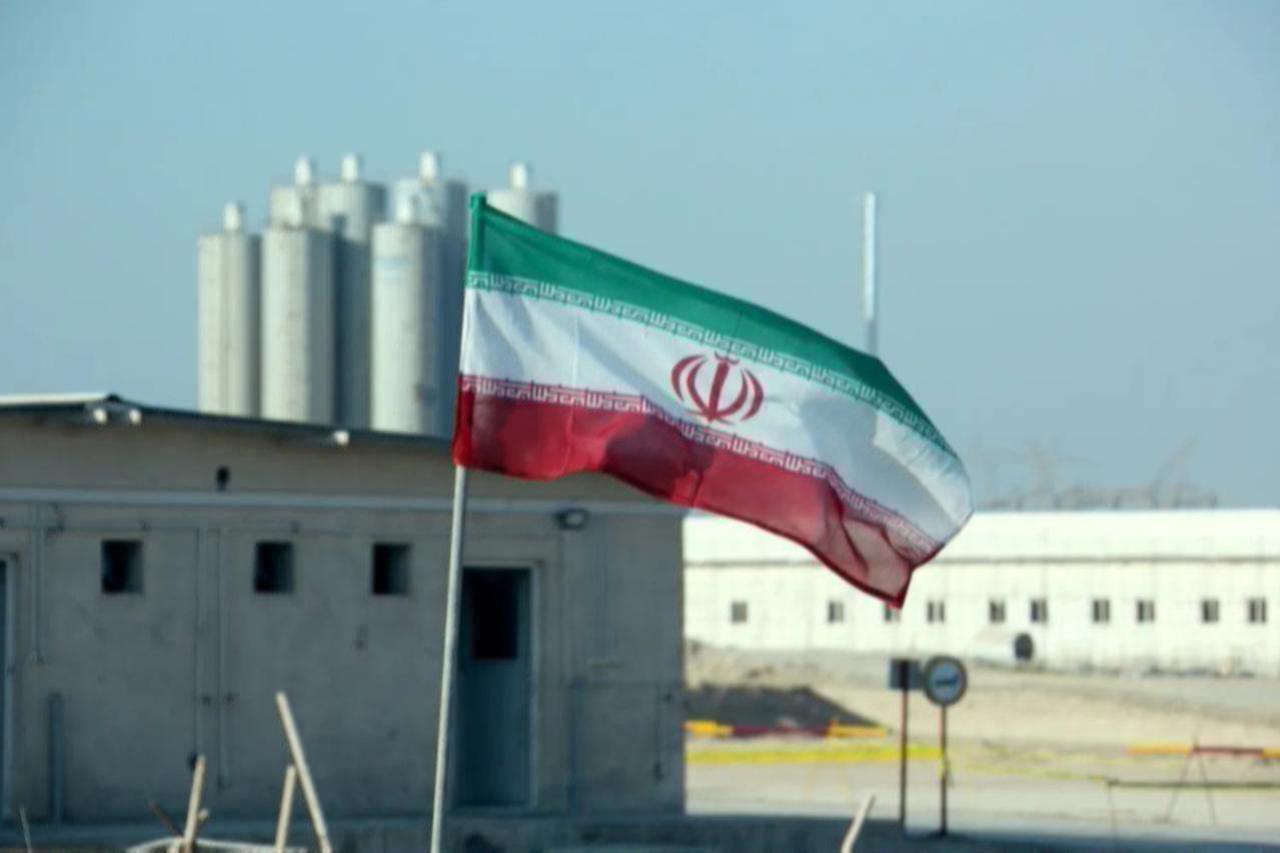
Israel has never formally acknowledged possessing nuclear weapons, a position known as nuclear ambiguity, but is widely believed by Western governments and arms control researchers to maintain a stockpile of nuclear warheads. Israel is one of only a handful of countries that has not signed the Nuclear Non-Proliferation Treaty.
Oktay said attacks on water treatment facilities, power plants, and civilians, regardless of which side carries them out, violate international law and universal humanitarian values, adding that "whoever threatens and carries out actual attacks, this is a war crime."
Oktay also addressed what he characterized as a Netanyahu proposal to reroute Gulf oil and gas through the Red Sea and Israeli ports to the Mediterranean, framing it as a geopolitical objective that sits alongside the war itself. He urged Gulf and regional states not to "fall for such a game," arguing that the real aim is to redirect energy and trade routes through Israel to international markets.
He closed with a call for a fundamentally reformed international order, one that is inclusive, participatory, and capable of holding even the most powerful states to the rule of law. The current conflict, he argued, has made the need for a world order free of double standards and capable of equal treatment for all parties "much more evident."


 Set as preferred source
 Set as preferred source


 1 min read
 1 min read