Newsletters


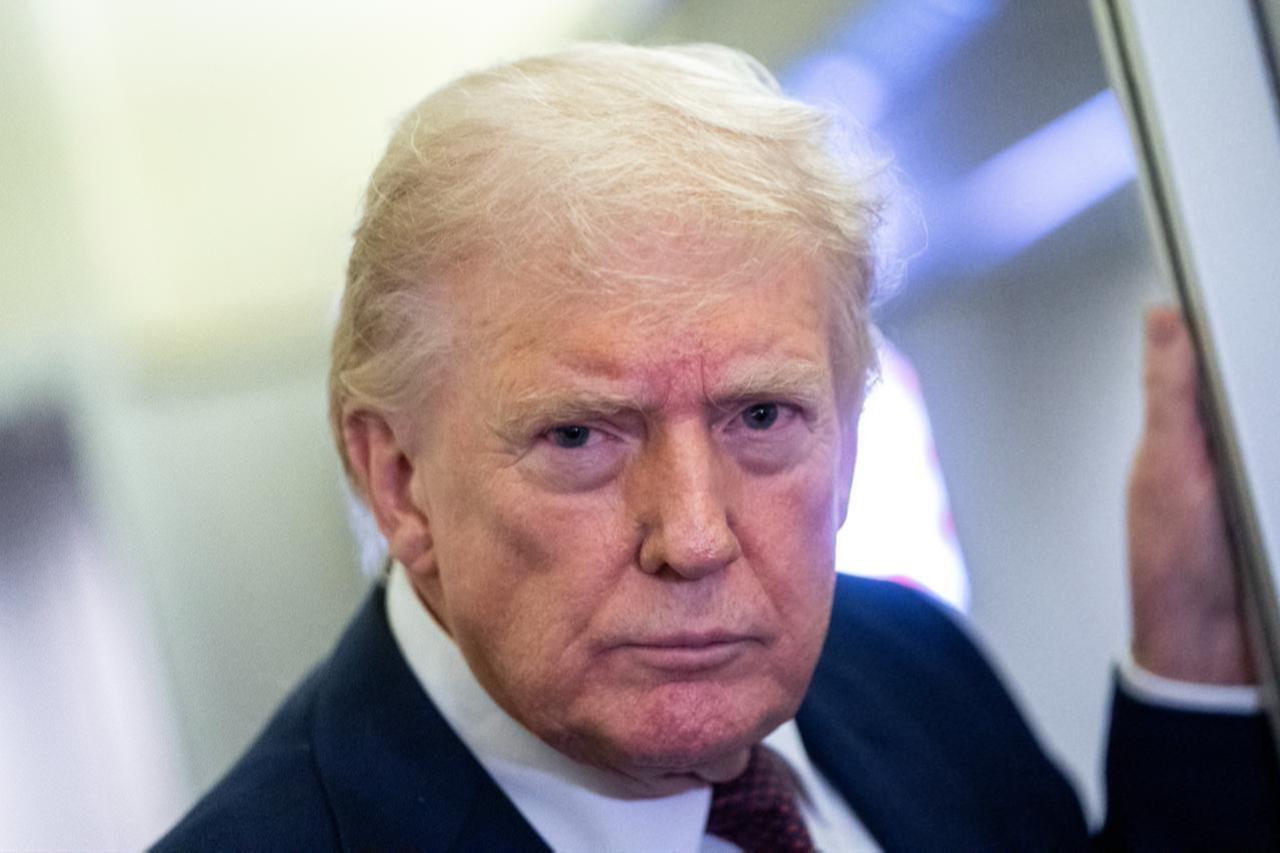


A senior Iranian official on Wednesday called U.S. President Donald Trump "unstable and eccentric," as Tehran flatly denied his claim that Iran had requested a ceasefire, deepening a war of words as the White House prepared a primetime announcement on the conflict.
Iran's foreign ministry spokesman Esmail Baghaei told Al Jazeera that Trump's assertion was simply not true, with the ministry issuing a formal statement calling the ceasefire claim "false and baseless." A senior Iranian official, speaking separately to CNN's Chief Global Affairs Correspondent Matthew Chance in Doha, said Trump's public statements should not be taken as a reliable guide to what is actually happening on the ground. "This trait reflects an unstable and eccentric personality," the official said.
Trump announced via his Truth Social platform that Iran's president had approached Washington seeking a ceasefire, but said the U.S. would not consider the request until the Strait of Hormuz, the narrow waterway that Tehran has effectively blocked, was fully reopened to shipping. Until that condition was met, Trump wrote, the U.S. would continue "blasting Iran into oblivion."
In a separate post on Tuesday, Trump struck a dismissive tone toward the strait's closure, urging countries dependent on Gulf energy supplies to "just TAKE IT," an unusual posture toward one of the world's most critical energy chokepoints. The Strait of Hormuz, a roughly 21-mile-wide passage between Iran and Oman, is the transit route for approximately a fifth of global oil supplies, making its disruption a significant concern for energy markets worldwide.
The conflicting claims set the stage for a scheduled 9 p.m. EST address in which the White House said Trump would deliver an "update" on the war in Iran. The nature of the announcement remained unclear, with the Iranian official's dismissal of Trump's social media posts as unreliable further muddying expectations on both sides.
The dueling accounts of whether Tehran sought a ceasefire underscore the difficulty of establishing a credible diplomatic channel between Washington and Tehran. Iran and the United States have not maintained direct diplomatic relations since the 1979 Islamic Revolution and hostage crisis, and back-channel communications have historically been fragile and prone to public disputes. The open contradictions between Trump's social media claims and Iran's categorical denials illustrate how quickly the information environment around the conflict can fragment, complicating any path toward de-escalation.


 Set as preferred source
 Set as preferred source


 1 min read
 1 min read