Newsletters




A senior Turkish official pushed back against criticism that the Mecca Joint Defense Agreement has failed to respond to Houthi attacks on Saudi Arabia, telling Middle East Eye (MEE) that such criticism is disingenuous and intended to belittle the newly formed alliance between Türkiye, Saudi Arabia and Pakistan.
The official, speaking on condition of anonymity, said the pact's mutual defense commitments are not yet legally operative, and that the institutions and military arrangements needed to implement them will take time to build.
The official said the agreement must still pass through each signatory's domestic approval process before its defense obligations become binding.
Türkiye plans to submit the agreement to parliament soon, possibly in October, making its text public and beginning the ratification process, the official said.
Under Türkiye's constitution, the president cannot ratify security agreements without parliamentary approval. Pakistan's government must likewise secure parliamentary approval, according to the official, while Saudi Arabia could ratify the pact by royal decree.
"People don't want to understand but what we founded is not only a security alliance but actually an international organisation," the official said, adding, "And the founding treaty, once revealed, would show to the world how carefully it was crafted."

Even once the agreement takes effect, the official said, the three countries will need mechanisms to assess threats, consult one another and coordinate assistance.
"We need to draw defense and readiness plans, work on interoperability issues and create a long-term plan to establish deterrence for these three countries," the official said.
The three militaries have cooperated bilaterally in the past, Türkiye has previously held joint drills separately with Pakistan and with Saudi Arabia, but the three countries have never conducted a trilateral military exercise. Remaining work includes ensuring interoperability so the countries' forces, equipment and procedures can function together effectively, the official said.
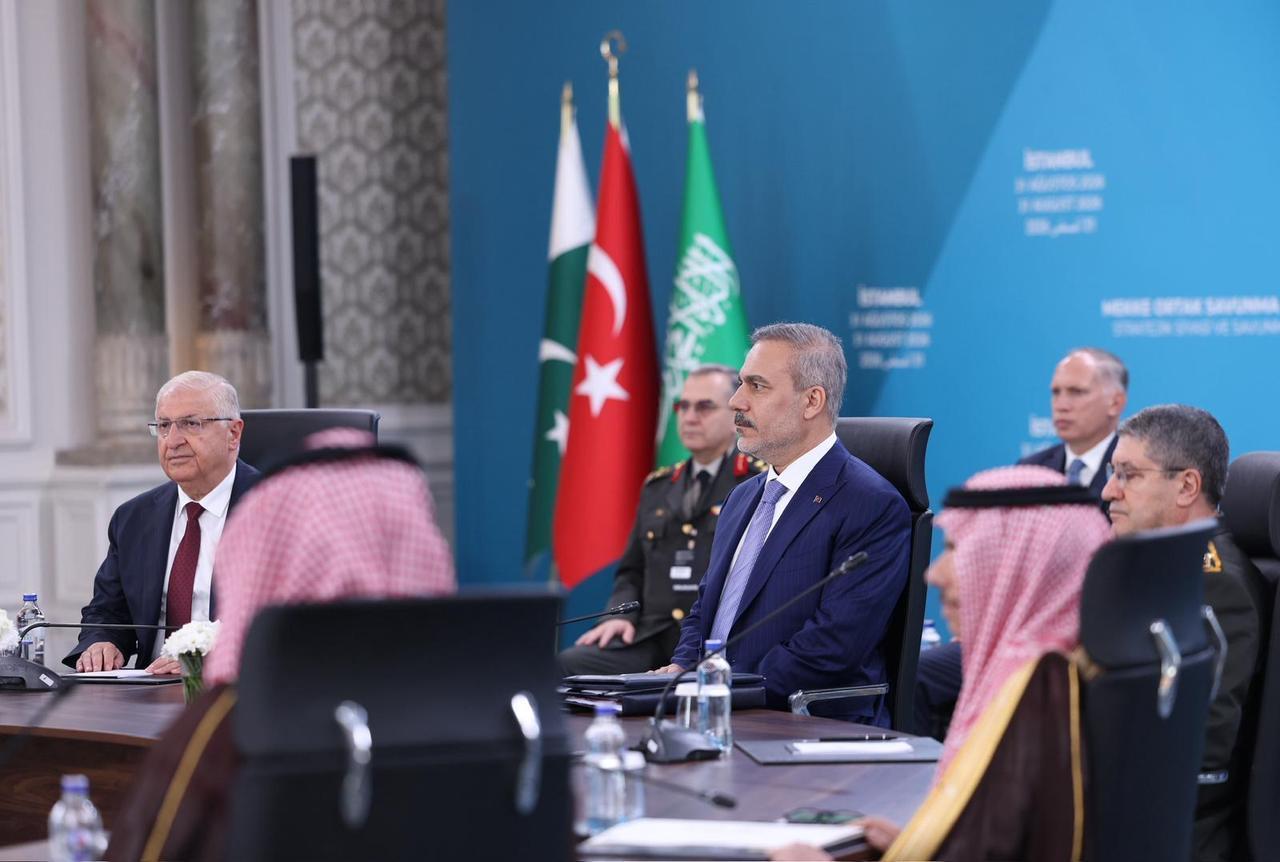
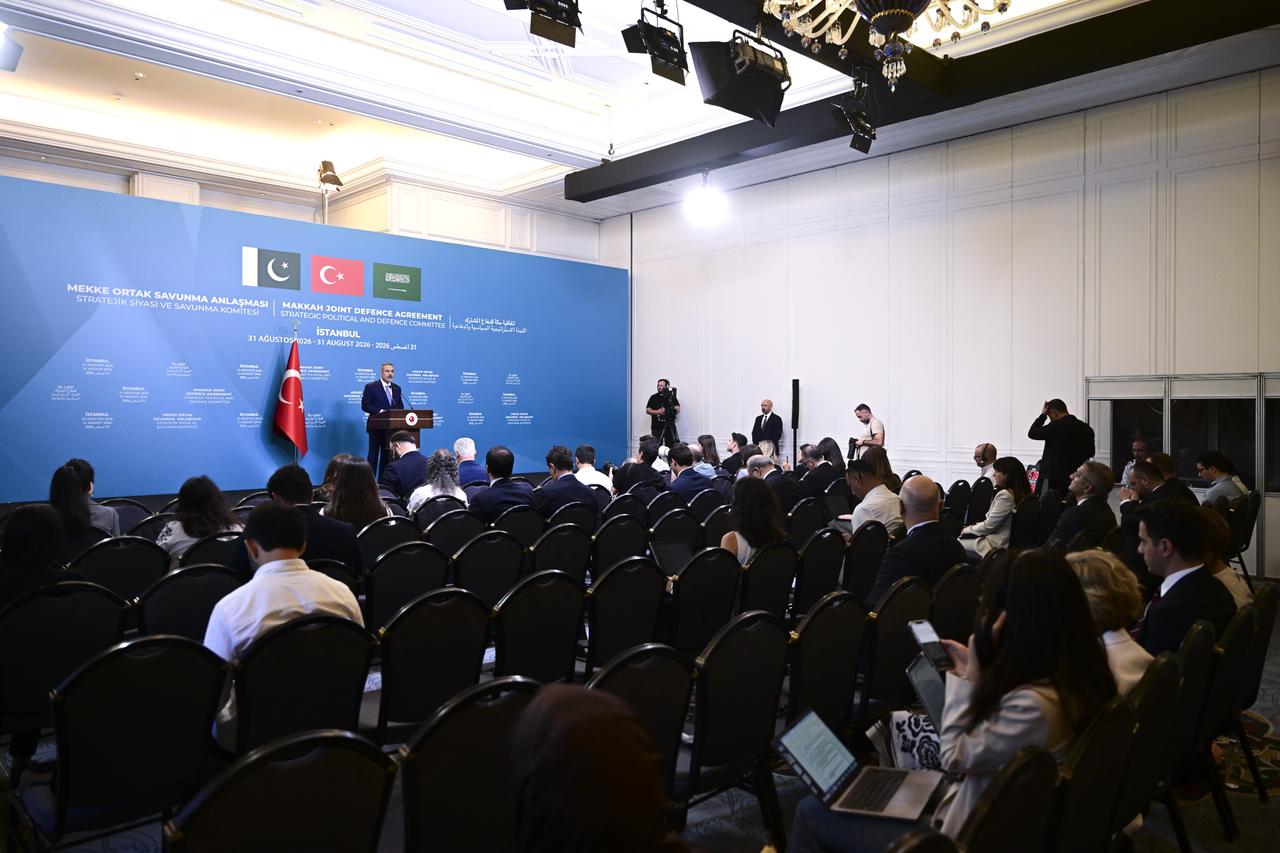
At a consultative meeting in Istanbul on Aug. 31, the three countries agreed to establish a secretariat in Saudi Arabia, initially headed by a Pakistani secretary-general serving a three-year term, along with joint activities aimed at strengthening military capabilities and cooperation.
"The consultative Istanbul meeting by the allies to establish a secretariat, appoint a secretary-general and regularly meet to hold defense negotiations is a sign that we are on the long way to institutionalize it," the official said.
"This could take a few years," the official added.
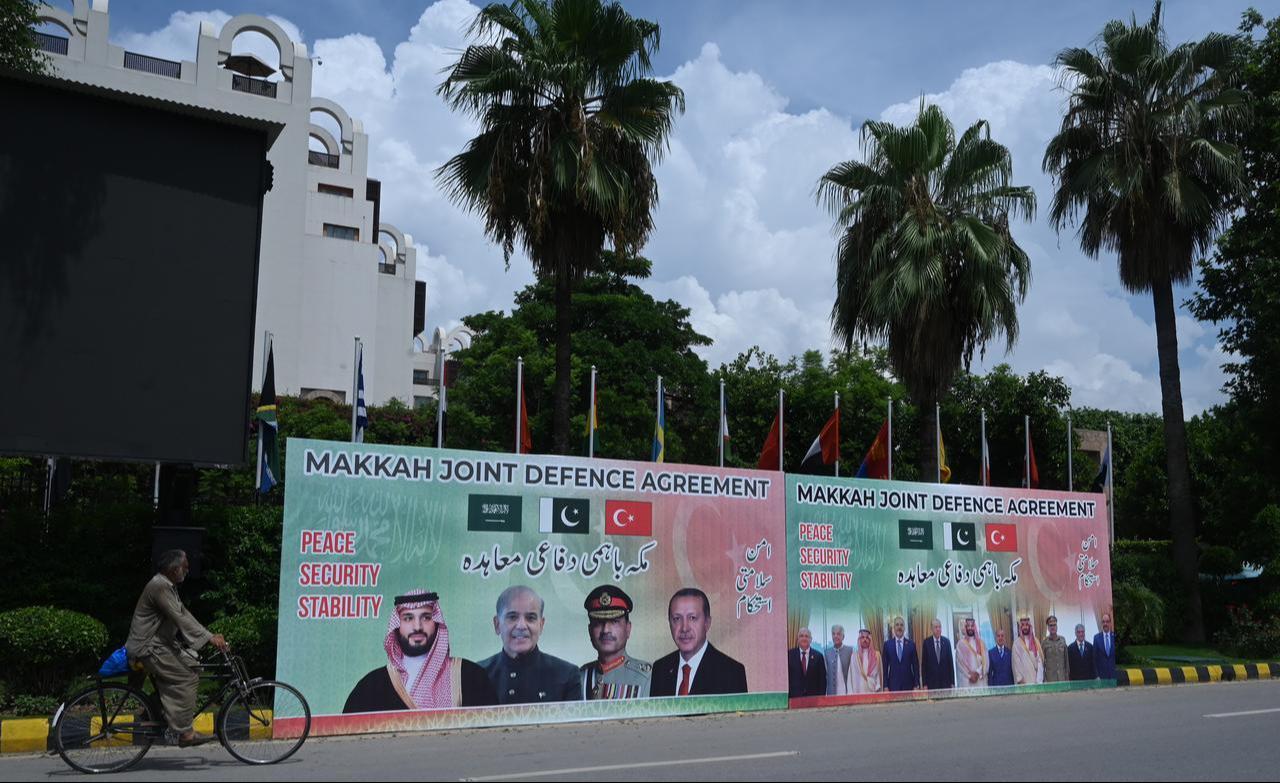
The Mecca agreement's commitment to treat an attack on one member as an attack on all has invited comparisons to NATO's Article 5, and the official said the pact's drafters drew inspiration from the NATO treaty throughout.
NATO's Article 5 has been invoked only once, following the Sept. 11, 2001, attacks on the United States, and obligates members to assist an ally under attack without requiring the use of armed force or an automatic military response.
"As in the Nato case, Mecca allies will receive a petition from any member states, host a conference on this and decide how to respond," the official said.
"An attack simply doesn't trigger a military counter-attack," the official noted.
The official pointed to precedents within NATO itself to argue that the absence of an immediate joint response is not unusual.
"Russian drones have repeatedly violated NATO airspace and landed in several allied countries, what was NATO's response?" the official asked, also citing Germany's response to a suspected drone attack at Leipzig/Halle Airport on Aug. 4.
During the attack, an explosive-laden drone was found near a Ukrainian cargo aircraft but failed to detonate, and parts of a second suspected drone were found nearby on Aug. 14, an episode that did not trigger a NATO response, according to the official.
President Recep Tayyip Erdogan said separately during a youth event in Samsun that the Mecca Joint Defense Agreement was designed to send a broader signal to the Islamic world and is already producing "positive developments."
"Saudi Arabia, Pakistan and Türkiye came together and took a step. With this step, let us send a signal to the Islamic world," the Turkish president said, adding, "There are positive developments, and we will succeed in this."
President Erdogan also referenced the situation in the Strait of Hormuz and broader Gulf tensions, saying the Islamic world faces serious challenges and that Türkiye "has put its weight behind the region" to help overcome them.
He said Türkiye had managed to keep the country insulated from surrounding regional conflicts: "At a difficult time when our region is grappling with crises, wars and conflicts, we have kept our nation away from these dangers."
 2 min read
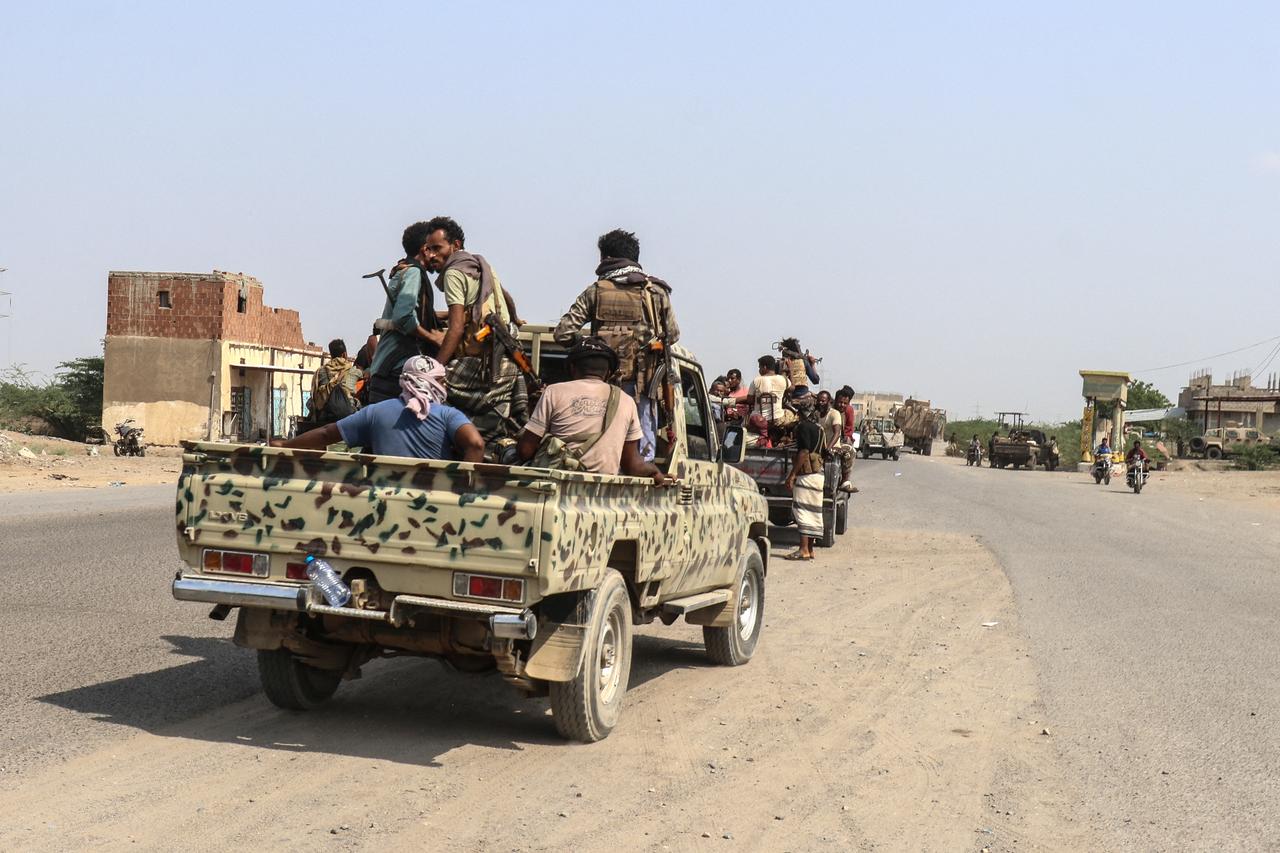
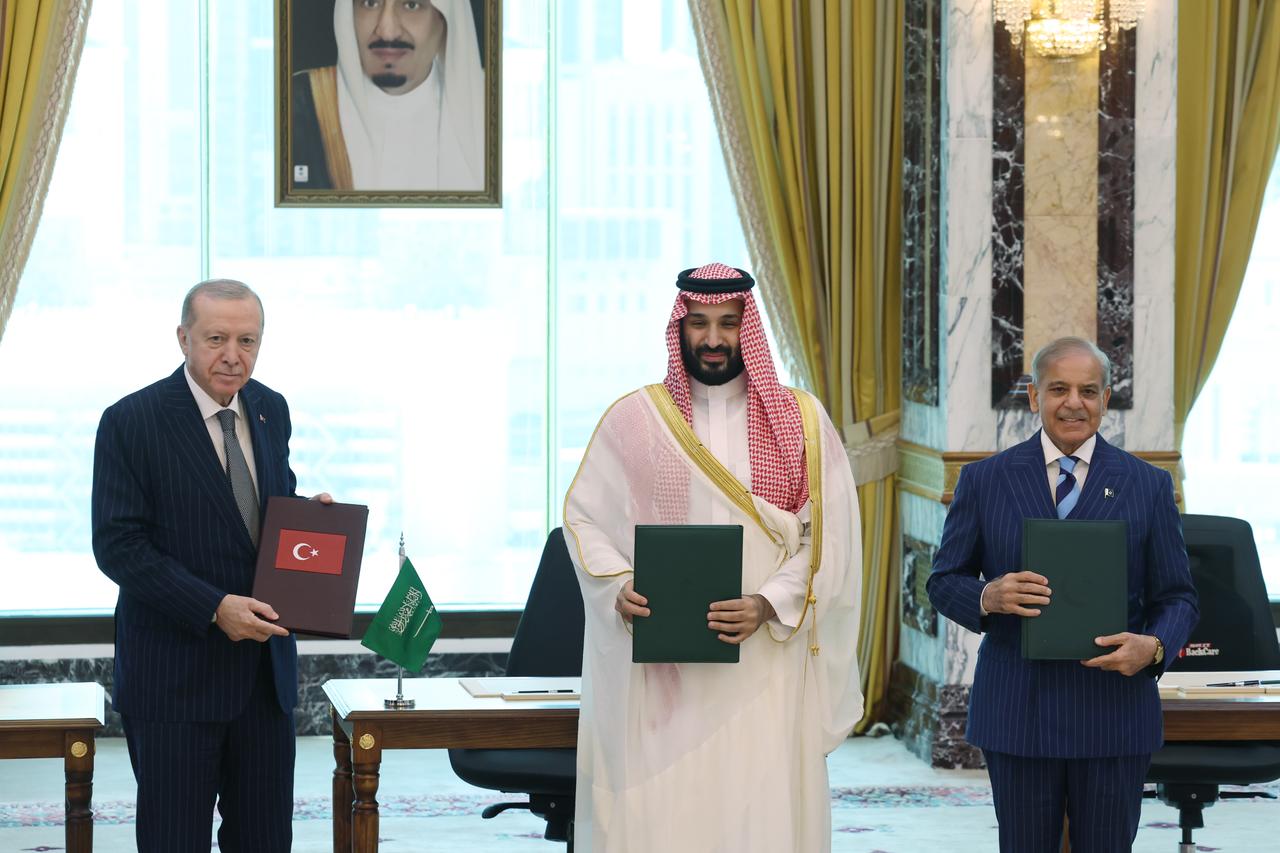
The Mecca Joint Defense Agreement was signed Aug. 7 by Erdogan, Saudi Crown Prince Mohammed bin Salman and Pakistani Prime Minister Shehbaz Sharif, committing the three countries to mutual defense if any signatory comes under attack.
Bangladesh has expressed interest in joining the pact, while Iran has said it has not received a formal invitation to do so.


 Set as preferred source
 Set as preferred source


 1 min read