Newsletters





A parliamentary subcommission in Türkiye completed a draft report on digital threats facing children. The report carries the title "Threats and risks awaiting our children on digital platforms". It includes 204 pages, six sections, and 82 proposals.
Ruling Justice and Development Party (AK Party) lawmaker Radiye Sezer Katircioglu chaired the commission. Katircioglu said children face physical, mental, and emotional risks in digital spaces and described digital harm to children as a modern social problem that concerns all parts of society. She said protecting children from digital threats stands as a shared responsibility. The report aims to prepare national legal measures to reduce risks and strengthen child safety in digital environments.
The draft calls for a dedicated law to protect children in digital spaces. It urges lawmakers to update the Child Protection Law with rules that secure digital privacy and impose stronger penalties for cyber crimes against minors and also proposes binding rules to stop uncontrolled sharing of children's images on digital platforms, including by public institutions.


The report proposes age-based access limits for social media and digital services. It recommends that social media platforms should not offer services to children under the age of 15. Platforms should provide filtered content until age 18. It also calls for mandatory age verification systems for all digital services.
Lawmakers propose a rule that requires users to label the target age group when uploading content on social media. The report also calls for ethical publishing principles for content that features children. It urges stronger oversight of child influencers and content creators who are minors. It also proposes special legal protection to prevent exploitation in digital advertising and online promotion activities.
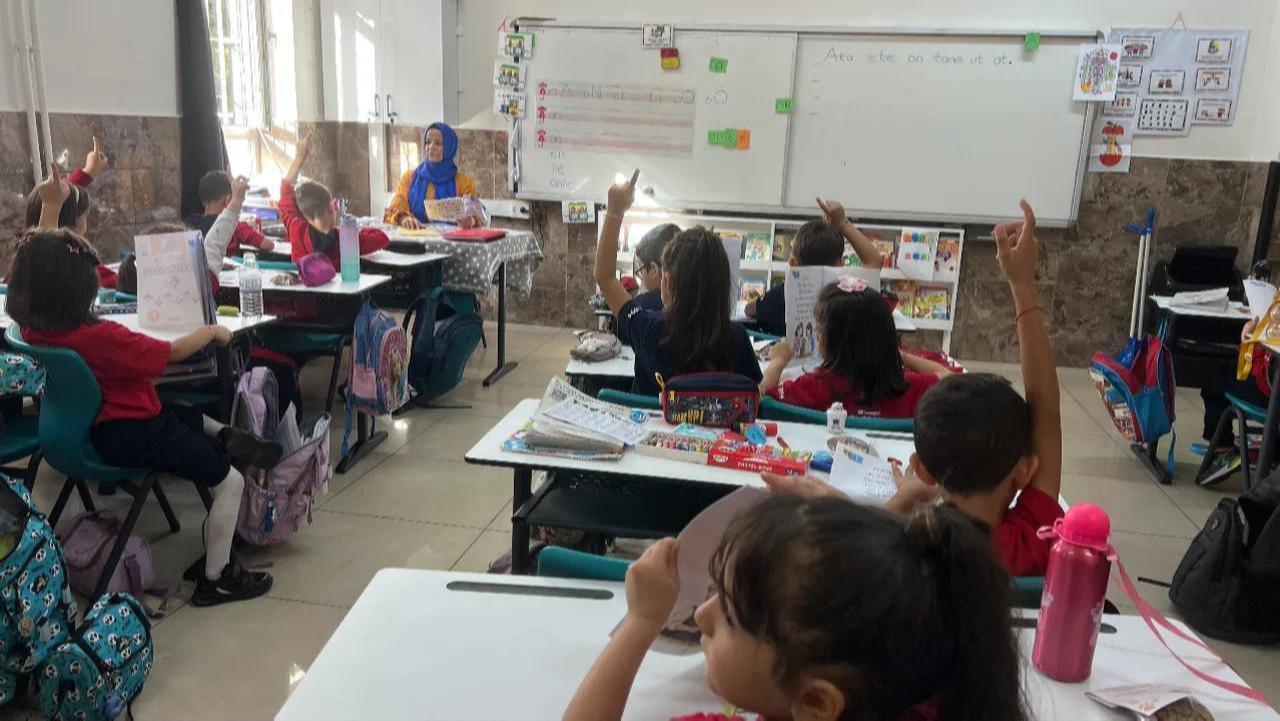
The draft also recommends mandatory digital literacy and digital security courses in the national education curriculum, including kindergarten. It calls for new rules to prevent educators from sharing student images on digital platforms without consent. It also proposes limits on the use of phones and smart devices in schools when not needed for education.
One of the key proposals introduces a cocuk hatti style SIM card for users up to age 18. These SIM cards would provide filtered access and additional safety controls. Authorities would assess technical details with expert institutions if needed.
The report also proposes automatic internet restrictions for minors during night hours. Children under 18 would face slowed or limited internet access between 10 p.m. and 6 a.m. The system would operate with a national age verification infrastructure integrated with e-Devlet.
The draft places online games under new oversight proposals. It recommends an independent game review system to check content and ethical compliance in games targeting children. It also proposes bans on loot boxes, random reward systems, and in-game purchases that encourage compulsive behavior. The report calls for measures to block content that promotes illegal betting or gambling to minors.
The commission also proposes stronger school-based psychological support to address digital addiction, cyberbullying, and online exploitation. It calls for more guidance counselors and early intervention programs.
The Child Subcommission completed the draft and forwarded it to the upper commission. Lawmakers will now review the proposals and decide on legislative steps.


 Set as preferred source
 Set as preferred source



 2 min read