Newsletters


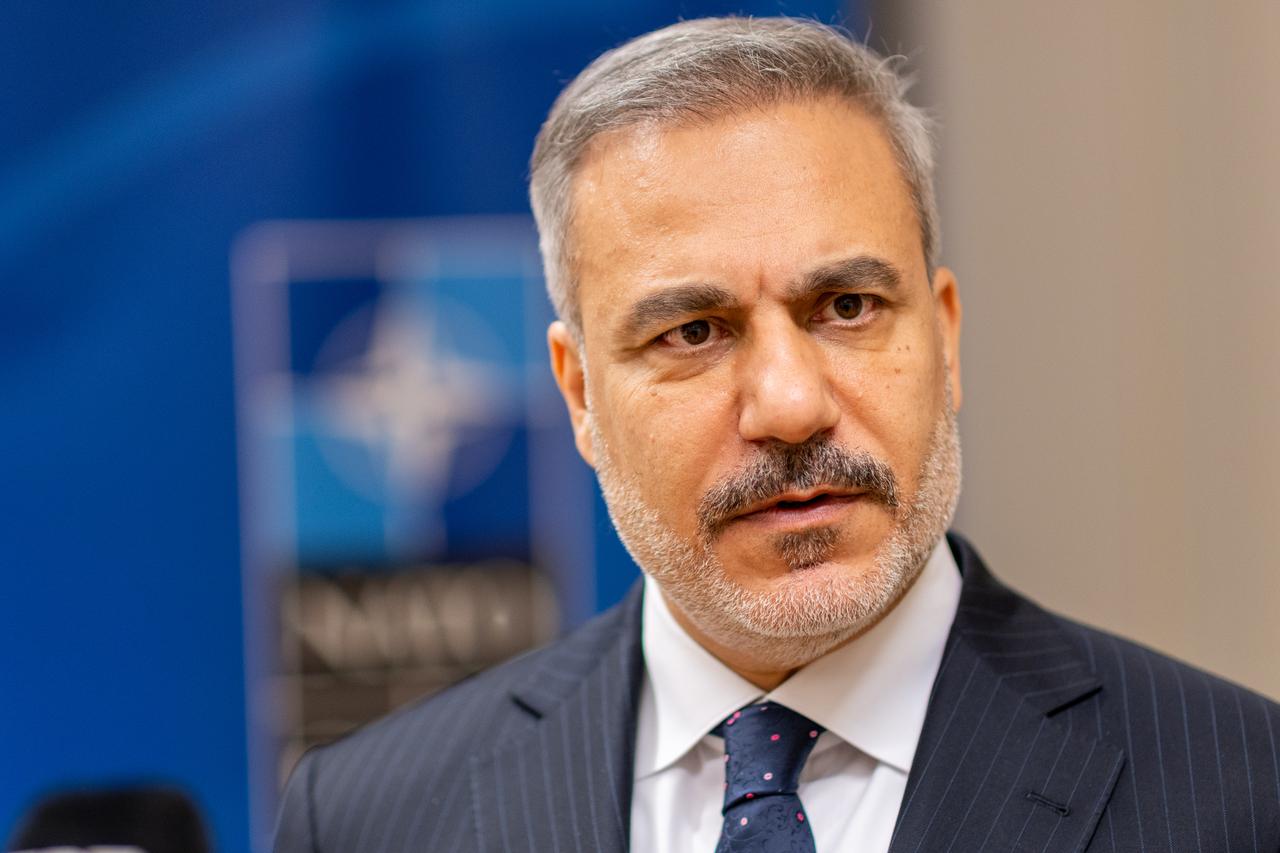


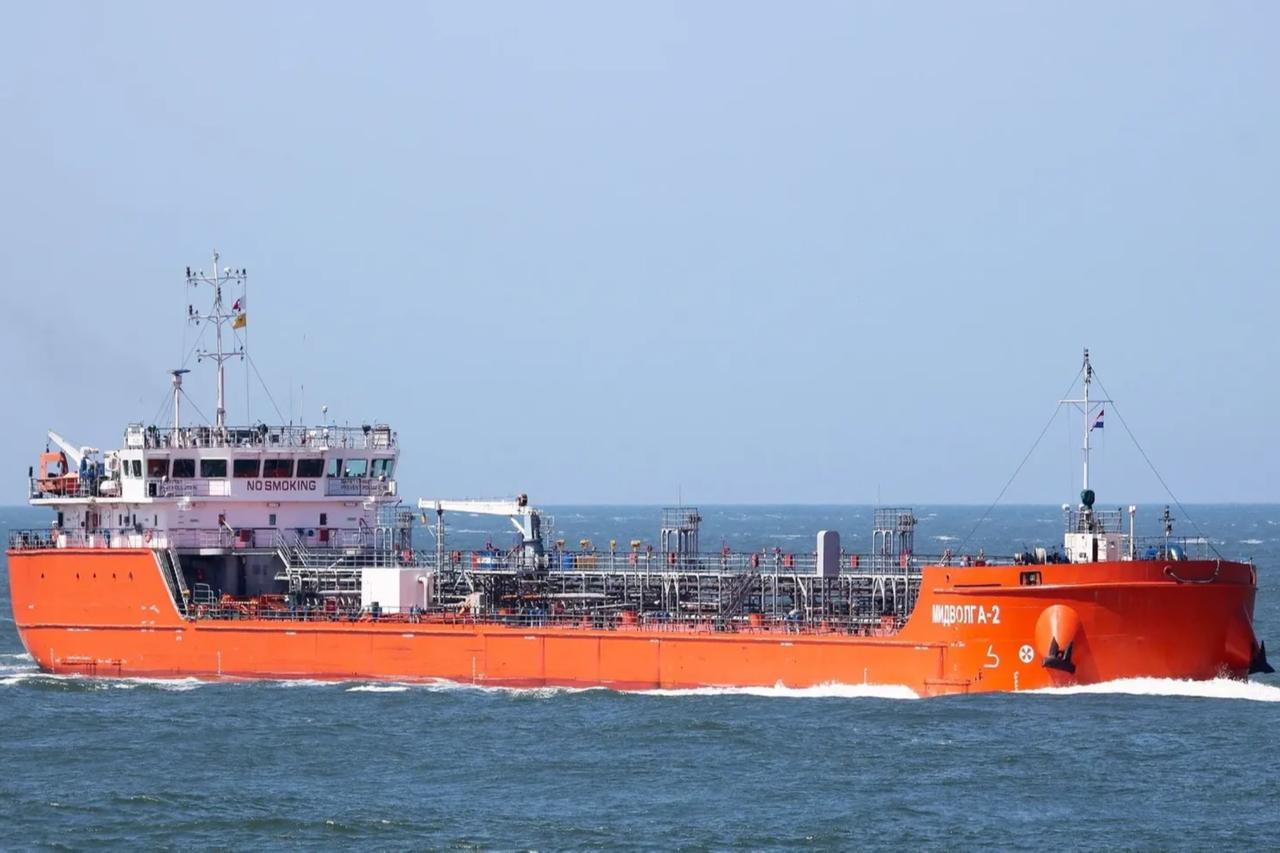
Foreign Minister Hakan Fidan said Tuesday that recent attacks on commercial vessels in the Black Sea are violating navigation safety and transforming the waterway into a closed zone for trade and human transportation, warning that the war's geography is expanding in a "frightening" manner.
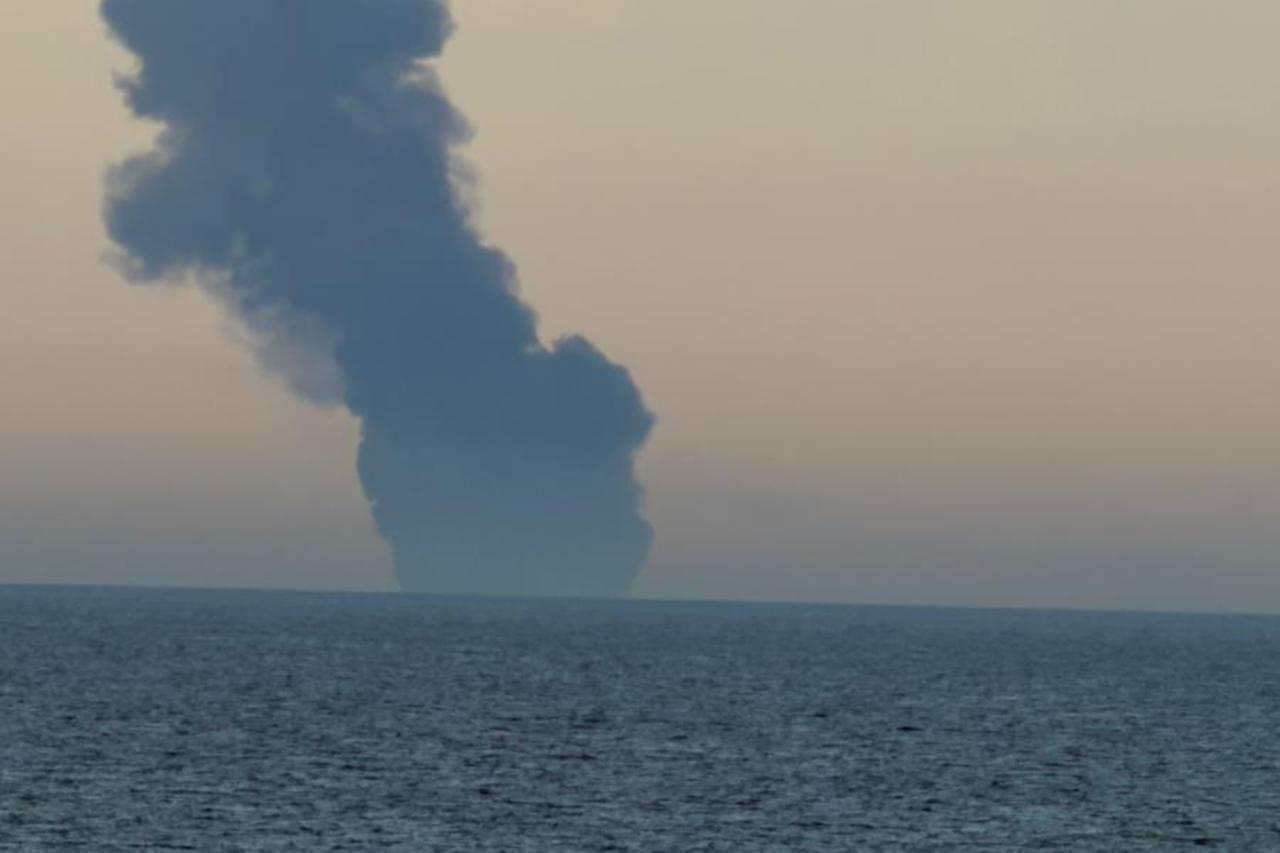
Speaking to Turkish journalists following a NATO Foreign Ministers meeting in Brussels, Fidan described the attacks on two ships sailing in Türkiye's exclusive economic zone as validation of Ankara's longstanding warnings about the Russia-Ukraine conflict's potential spread beyond the immediate war zone.
"The attacks on these two ships sailing in Türkiye's exclusive economic zone not only endanger navigation safety in the Black Sea, but also turn the Black Sea into an area closed to trade and human transportation," Fidan said.
The minister revealed that Türkiye, Bulgaria and Romania have established a working group to address the security crisis, with naval forces already beginning coordination efforts to protect critical maritime activities including shipping, pipelines, energy exploration and fishing operations.

Fidan noted that while Türkiye has access to international waters through the Aegean and Mediterranean seas, countries like Romania and Bulgaria depend entirely on the Black Sea for maritime access, making the security situation particularly critical for Black Sea littoral states.
"This issue is a bigger problem for them. But as the country with the longest coastline on the Black Sea, we also need to take great responsibility. We are doing our part in this regard," Fidan said.
The three nations discussed developing additional measures and establishing coordination mechanisms during their meeting. The working group will also address the ongoing challenge of mines drifting toward coastlines from the war zone.
Fidan emphasized the economic stakes involved, noting that the Black Sea hosts important activities including navigation routes, pipelines, energy lines, fiber optic cables, energy exploration work and fisheries. "But when you are affected by war conditions, you cannot benefit from this economic opportunity. On the contrary, it becomes risky," he said.
Beyond the Black Sea security crisis, Fidan expressed continued optimism about potential peace negotiations to end the Russia-Ukraine conflict, saying Türkiye is being consulted as a key actor in the process.
"The most important thing I've seen over the years while doing special representation on behalf of our President or mediating in other matters is not leaving the table," Fidan said. "No matter how bad the conditions are, no matter how different the positions are, if you are at the table with the intention of reconciliation, you will meet somewhere."
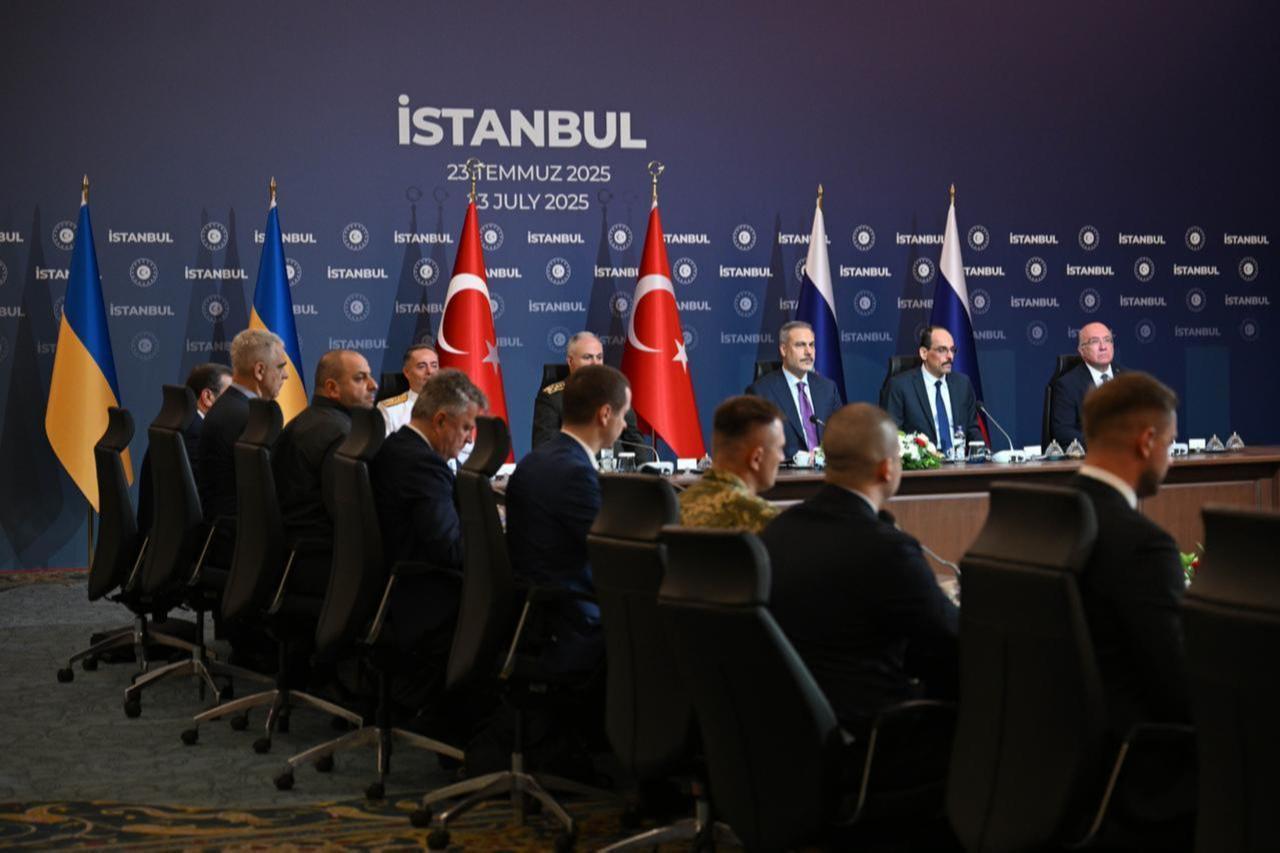
The foreign minister highlighted Türkiye's renewed push to host direct negotiations between Russian and Ukrainian officials in Istanbul, noting that Russia has responded positively and expressing confidence that Ukraine would soon adopt a favorable position as well. Fidan pointed to three rounds of talks Türkiye hosted in Istanbul last summer as proof of the country's capability to facilitate productive discussions.
"There is no more suitable place than Türkiye for negotiations," he said, adding that participants in the Istanbul meetings "really left happy" each time and that the discussions provided substantial groundwork for ongoing negotiations, even though they did not resolve all issues between Russia and Ukraine.
Fidan credited Steve Witkoff, U.S. President Donald Trump's special envoy for the Ukraine conflict, with having the equipment and capabilities necessary to play an important mediating role. He noted that any framework agreement on paper would require the parties to meet face-to-face to finalize details.
The minister emphasized that the negotiations involve multiple interconnected issues, including Ukraine's territorial integrity, Russia's strategic objectives and security concerns, and Europe's own security architecture. He said the potential agreement would not only end the war but also establish a new post-war system for Europe, making every party intensely focused on the outcome.
On Türkiye's European Union membership process, Fidan indicated that work continues on opening certain chapters of negotiations, requiring the removal of specific blockages and reversal of decisions made in 2019. He said Türkiye and the EU are working on several fundamental issues including the Customs Union, visa liberalization and full restoration of European Investment Bank activities in Türkiye.
The minister expressed frustration with what he characterized as the Greek Cypriot administration's obstruction of Türkiye-EU relations, describing it as a situation where "more than 400 million people's fate is being held hostage by a group of people."
"Everyone I talk to complains about GKRY," Fidan said, using the Turkish acronym for the Greek Cypriot administration. He suggested that the EU's consensus-based decision-making process on many issues is being abused, though he noted that bilateral relations with individual EU member states remain strong.
Fidan emphasized that Türkiye is advancing cooperation with the EU on critical foreign policy issues including the Russia-Ukraine conflict, Gaza and Syria. He also highlighted growing collaboration on challenges in North Africa and sub-Saharan Africa, where Türkiye's years of engagement are creating new opportunities for partnership with the EU and other global actors.
"When you bring all of these together, Türkiye actually offers great potential, but for the ongoing adventure, our story with the European Union as an institution to come to an end at some point, some blockages need to be lifted," he said.


 Set as preferred source
 Set as preferred source


 1 min read
 1 min read