Newsletters


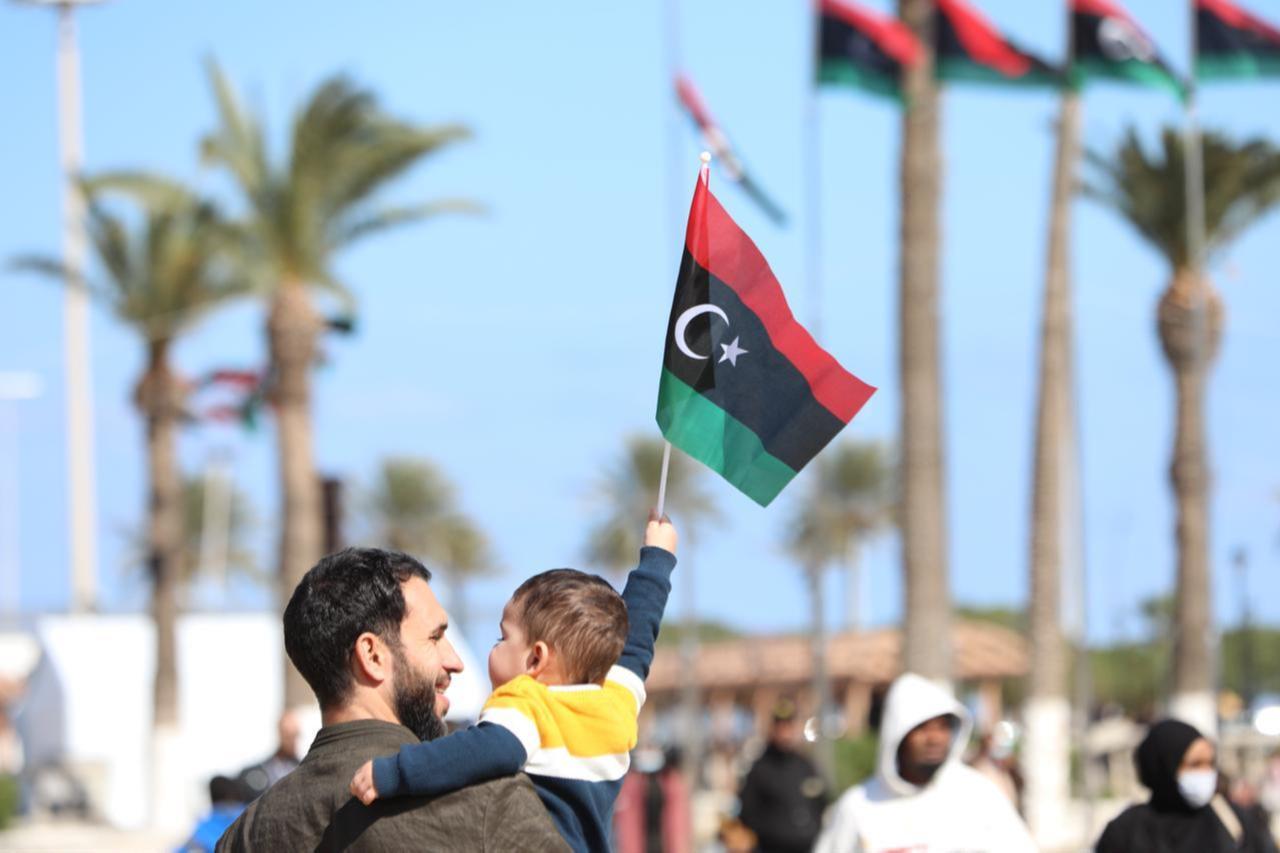


Ten nations including the United States, key European governments, and major Gulf states have endorsed Libya's first unified national budget in more than ten years, calling it a pivotal step toward reconciling the country's long-divided east and west.
In a joint statement released April 19, Qatar, Egypt, France, Germany, Italy, Saudi Arabia, Türkiye, the United Arab Emirates, the United Kingdom, and the United States welcomed the signing of a unified 2026 budget for Libya on April 11, describing it as a critical step to increase economic coordination between the country's rival western and eastern leaderships.
Libya has been mired in political and institutional fragmentation since the 2011 NATO-backed uprising that toppled Muammar Gaddafi, leaving the country split between competing governments and armed factions. The absence of a unified budget has been both a symptom and a driver of that paralysis, hampering development, weakening state institutions, and fueling economic instability.
The new agreement marks the first time Libyan leaders on both sides have aligned on a national spending framework in over a decade, a development the signatories said has "the potential to foster increased unity, stability, and prosperity for Libya."
The budget carries particular significance for Libya's energy sector. It includes the National Oil Corporation's first operational budget in years, along with financing aimed at increasing energy production, and oversight provisions designed to ensure the funds are used effectively.
The signatories framed expanded oil and gas output as a benefit not only for Libyans but for international partners, saying increased production would "contribute to regional and global energy security," a reference that carries weight at a time of ongoing volatility in global energy markets.
Beyond energy, the joint statement emphasized the budget's potential to stabilize the Libyan dinar and protect citizens' purchasing power, enable development projects and attract international investment, and reinforce key technocratic bodies, including the Central Bank of Libya, the National Oil Corporation, and the Libyan Audit Bureau.
The ten governments were careful to frame the budget agreement as complementary to, rather than a replacement for, a broader political settlement. The statement reaffirmed support for the United Nations Support Mission in Libya and the roadmap developed by UN Special Representative of the Secretary-General Hanna Tetteh, urging all stakeholders to use that framework to advance a Libyan-led political process leading to unified governance and national elections.
"Increased economic integration will complement and strengthen the political process," the statement read, with the signatories concluding that a Libya with unified economic, military, and political institutions is "in all of our interests."
Libya has seen multiple failed attempts at political unification since 2011, with UN-brokered agreements repeatedly stalling amid disputes over power-sharing, oil revenues, and the role of armed groups. Whether the budget agreement can hold, and whether it translates into tangible political progress, remains to be seen.


 Set as preferred source
 Set as preferred source


 1 min read
 1 min read