Newsletters


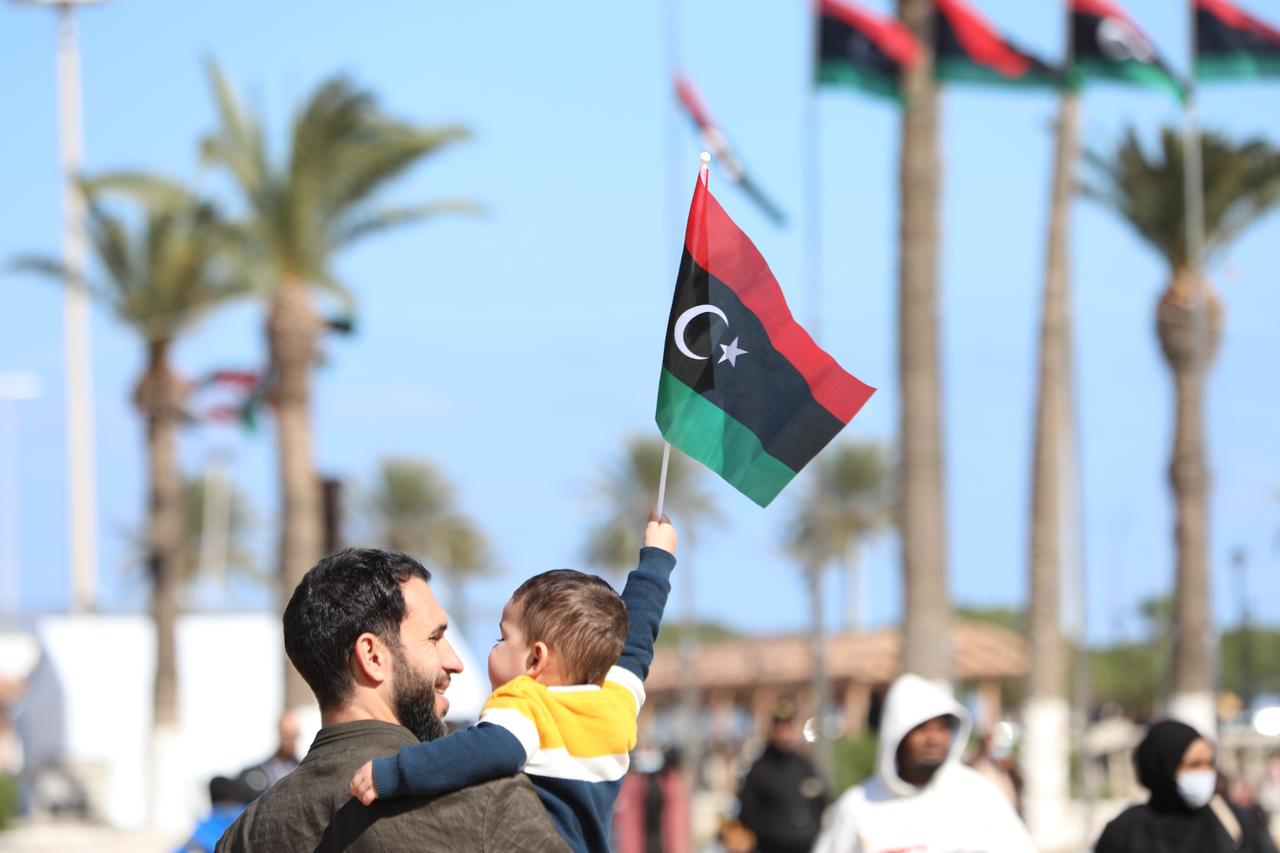


Libya’s rival eastern and western legislative bodies have signed a U.S.-mediated agreement to unify public spending across the divided country for the first time in more than a decade, the central bank said Saturday.
The central bank described the deal as “the first consensus on unified spending across Libya in over 13 years,” saying it marks significant progress toward consolidating fiscal policy.
“This step reflects real progress toward unifying fiscal policy and strengthening the good management of public spending,” the bank said.
The agreement was signed by Issa Al-Arebi, representing the Benghazi-based House of Representatives, and Abdul Jalil Al-Shawish, representing the Tripoli-based High Council of State.
Libya has struggled to recover from the turmoil that followed the 2011 Arab Spring uprising that toppled longtime ruler Muammar Gaddafi.
The country remains divided between the U.N.-recognized government in Tripoli, led by Prime Minister Abdulhamid Dbeibah and a rival eastern administration in Benghazi backed by military commander Khalifa Haftar.
Despite generating $22 billion in oil revenue last year, more than 15% higher than the previous year, Libya faces a foreign currency deficit of $9 billion, according to the central bank.
In January, the bank devalued the Libyan dinar by nearly 15% for the second time in less than a year, citing multiple factors, including the absence of a unified state budget.
The central bank said the new spending agreement would help bolster financial stability.
It also praised “the positive role of the United States in supporting mediation efforts” between the rival sides.
Libya holds Africa’s largest proven oil reserves, estimated at around 48.4 billion barrels.
The country currently produces about 1.5 million barrels of oil per day and is seeking to increase output to 2 million.
Dbeibah also thanked Trump's senior adviser on Arab and African affairs, Massad Boulos, for “supporting the mediation efforts that led to this agreement.”
“This is a step that carries promising signs, but the true test remains the serious commitment of all parties, so that it translates into tangible results for citizens in their daily lives,” Dbeibah said in a statement.


 Set as preferred source
 Set as preferred source


 1 min read

 1 min read