Newsletters


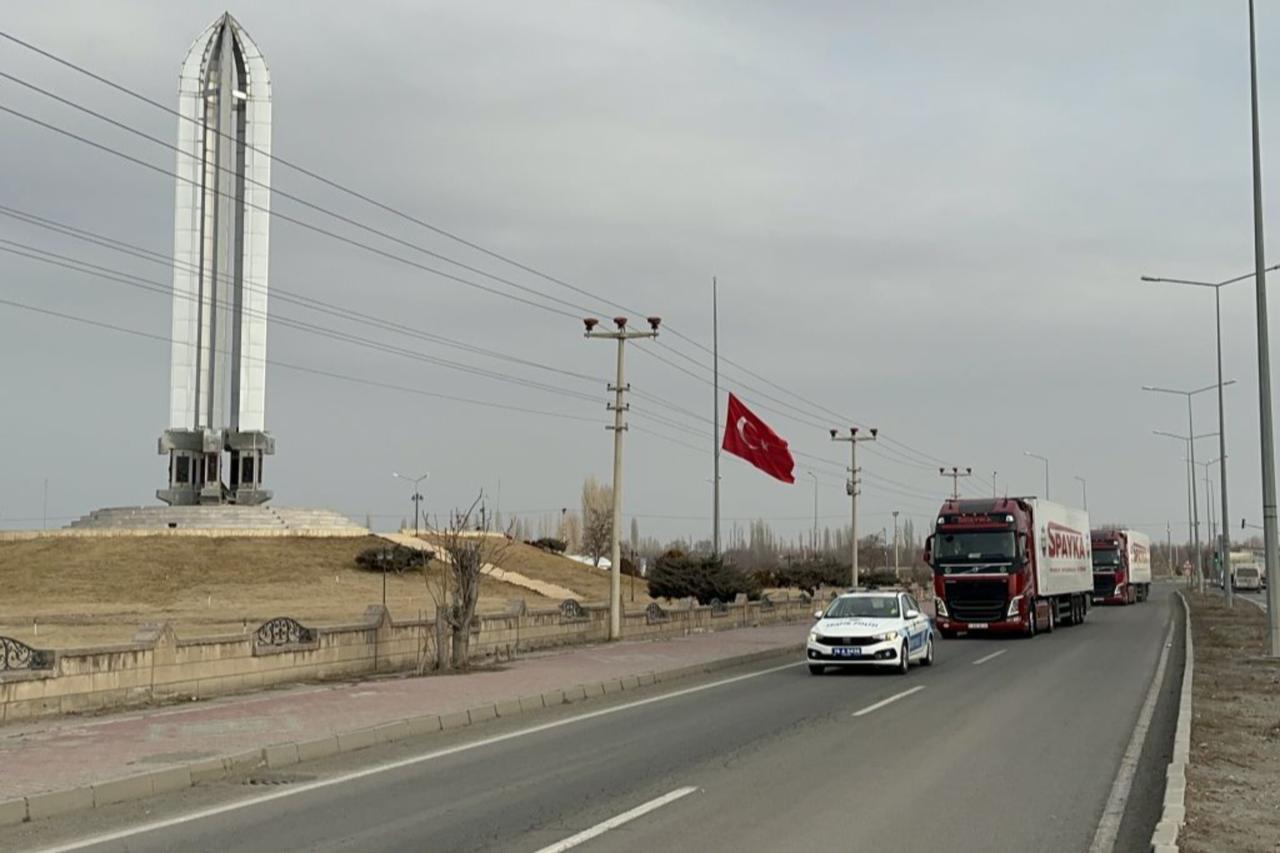


Türkiye and Armenia have agreed to allow direct bilateral land trade via Georgia, removing a decades-old re-export mechanism in the latest confidence-building step of their normalization process amid broader U.S.-led peace efforts in the South Caucasus.
The development, reported by Al-Monitor on Thursday, citing two trade-sector sources, eliminates the need for Georgian intermediary companies that previously reclassified Turkish goods as separate exports upon entering Georgia.
Under the new arrangement, cargo transiting Georgia will retain its original export status while in transit, enabling direct bilateral trade without reopening the closed land border, according to the report.
"The decision had been taken some time ago, and technical works have been underway," Noyan Soyak, executive vice chairman of the Turkish-Armenian Business Development Council, told Al-Monitor.
Eliminating the re-export mechanism is expected to remove an additional 10%-15% cost burden for Turkish companies.

Bilateral trade between Türkiye and Armenia exceeded $336 million in 2024, according to Armenia's Statistical Committee.
Armenian imports from Türkiye accounted for about $335 million, with roughly 40% estimated to move overland via Georgia.
Soyak estimates total trade reached approximately $400 million in 2025, though official figures have not been released.
Türkiye's main exports to Armenia include machinery and mechanical appliances, iron and steel products, other industrial goods and textiles.
"With this step, Armenian exports to Türkiye are also expected to rise," Soyak added.
Armenian traders could technically ship goods to Türkiye via Georgia before, but uncertainty at Turkish land customs over Armenia-origin products complicated procedures and sometimes led to cargo losses, according to Al-Monitor.
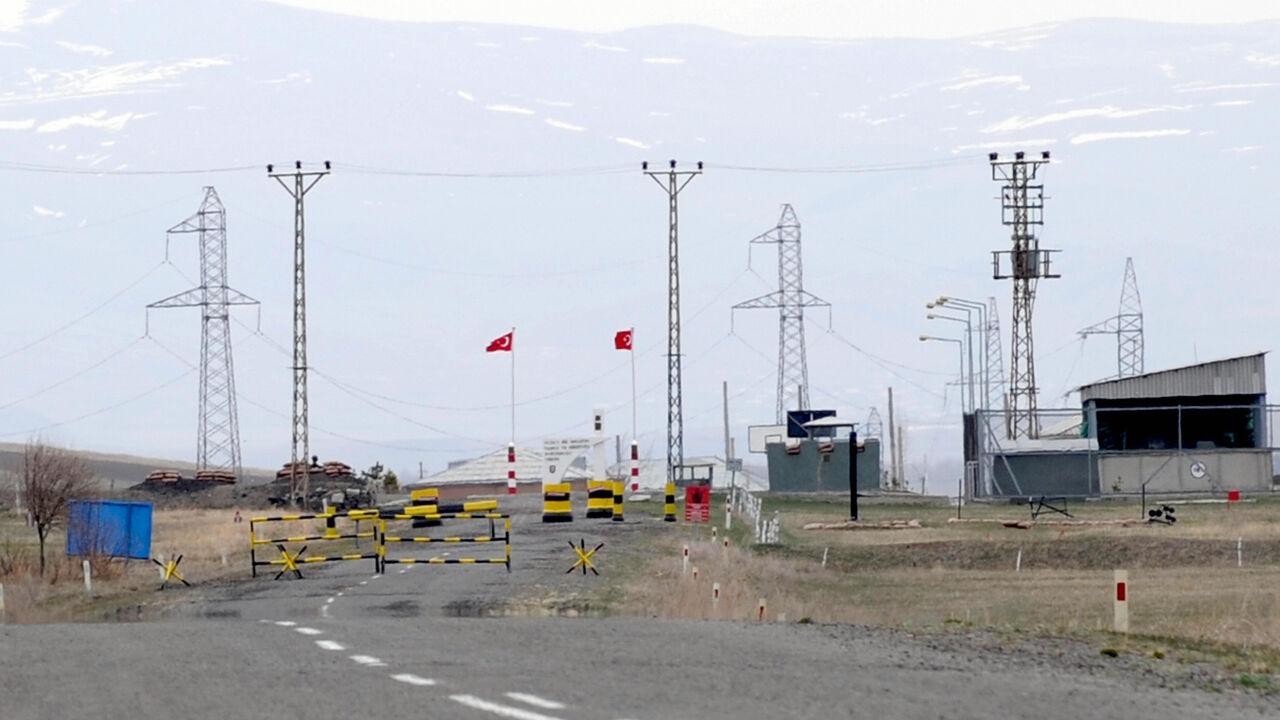
Construction at the Alican-Margara checkpoint—which will serve as the main border crossing linking Türkiye's easternmost province of Igdir to Armenia's southern Marz province—is about 90% complete, Anadolu Agency reported in January.
Earlier talks also produced an agreement to open the land border to third-country nationals and diplomatic passport holders, though implementation remains pending due to technical preparations on both sides.
The two countries launched direct air cargo trade in 2022 as part of earlier normalization steps.


 Set as preferred source
 Set as preferred source


 1 min read
 1 min read