Newsletters


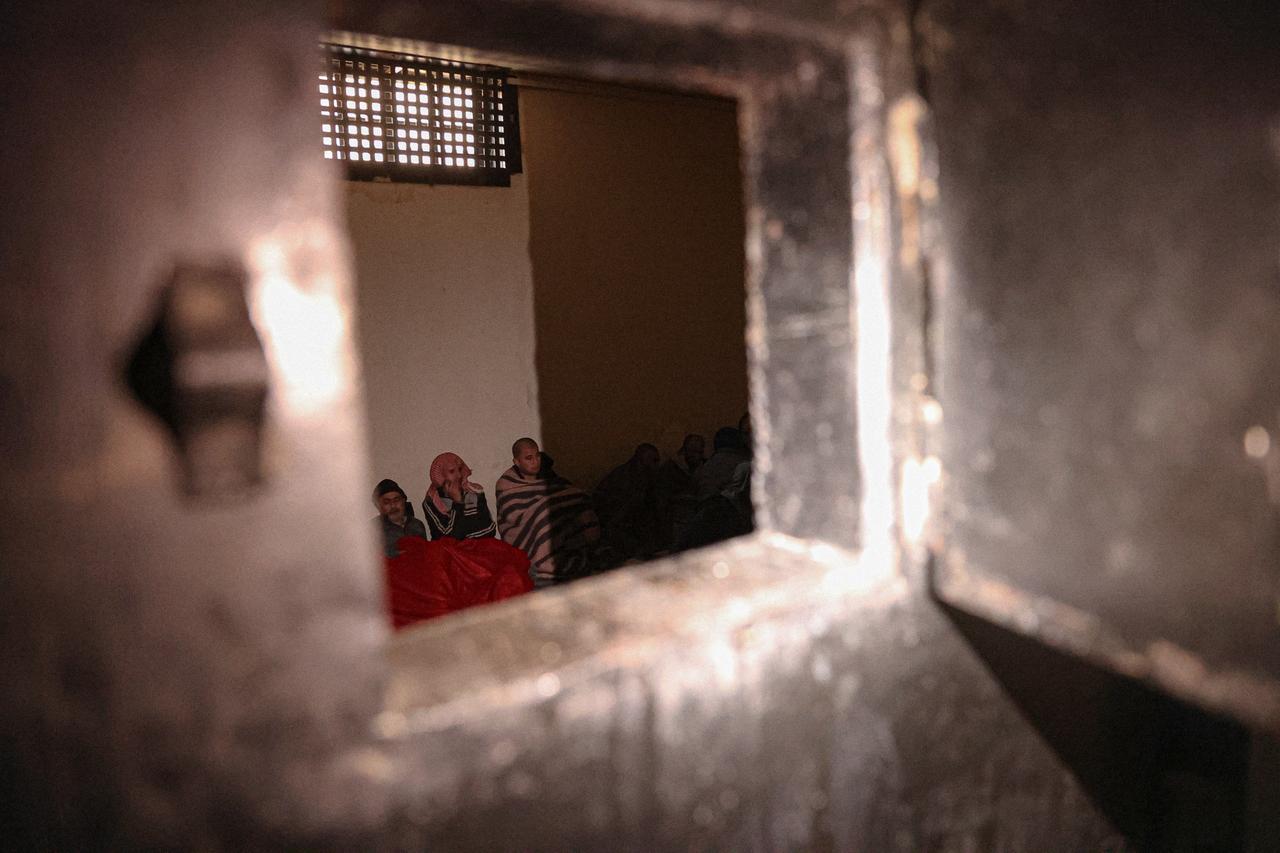


All 184 Turkish citizens held on charges of membership in the terrorist organization Daesh at Baghdad's al-Karkh Central Prison have been transferred to Ankara, including a fugitive suspect in the 2015 Ankara train station attack, Turkish news outlet T24 reported on Monday.
Turkish authorities are now preparing to transfer roughly 250 Turkish citizen women held at al-Rusafa Prison in Baghdad, according to the report.
Some of the Daesh suspects reportedly called their families in Türkiye after completing processing, telling them they had arrived in Ankara.
T24 first reported on Sept. 4 that an initial group from the 184-person list at al-Karkh had been transferred to Ankara, with transfers continuing in the following days until the full list arrived.
Processing continues for those brought to Türkiye, with individuals facing open investigations, indictments or arrest warrants expected to be sent to relevant provinces, according to the report.
Among the 184 names is Savas Yildiz, a fugitive defendant in the Oct. 10, 2015, Ankara train station attack case. The next hearing in the case against fugitive defendants is scheduled for Sept. 25, though it remains unclear whether Yildiz will be brought before the court.
According to court documents cited by T24, Ankara's 4th Heavy Penal Court sent a letter to the Turkish National Police's Interpol-Europol Department on May 6, 2026, seeking address or country information to begin extradition proceedings for fugitive defendants believed to have been transferred from Syria to Iraq, including Yildiz.
After receiving no response, the court sent a second letter on July 7, again naming Yildiz.
It was reported that the list also includes individuals known from other Daesh investigations in Türkiye.
Mahmut Gazi Tatar's name appeared in investigations related to the Adiyaman group associated with Mustafa Dokumaci. Tatar was previously included on a list of potential suicide bombers compiled after the 2015 Suruc attack and was once featured on the Interior Ministry's "blue" category terrorism wanted list.
Ilyas Aydin, who used the code name "Abu Ubeydah" within Daesh, also appears on the list; his real identity had reportedly been known for years.
Aydin met with a group of journalists in 2019 while held at a prison in Rmeilan, in Syria's al-Hasakah province. The indictment in Türkiye's main Istanbul Daesh case shows that Aydin operated at a managerial level within the terrorist organization's Istanbul structure.
Burak Hazar, whose name appeared in investigations into a Daesh network in Adana, is also on the list.
Some individuals connected to a group known in police records as the "Sanayi Group" traveled to Syria to join Daesh starting in 2014, and Hazar was reportedly among them.
Captured Daesh members were sent to prisons in northeastern Syria, with Turkish nationals who had joined Daesh held in these facilities at various points. Daesh lost its last territory in Syria with the fall of Baghouz in March 2019, though transfers of members to northeastern Syrian prisons had begun years earlier.
One challenge in identifying Turkish citizens held in these facilities was that some Daesh members concealed their true identities or nationalities.
It was reported that some Turkish citizens, after being captured, claimed to be citizens of other countries. Individuals fluent in Arabic or Persian identified themselves as Syrian or Iranian, while others who spoke Dari or Pashto claimed Afghan citizenship. This practice complicated efforts to match names from Turkish investigation and court files with detainees held in northeastern Syria.
T24 reported that Turkish investigations into Daesh membership over the years produced extensive lists of suspects and defendants, supported by arrest warrants, court files and civil registry records used to help establish identities. However, some individuals held in detention under incomplete or inconsistent identity information required further verification.
As part of its reporting, T24 said it spoke directly with five families whose relatives were later transferred to Iraq. All five said relevant authorities had collected DNA samples from them between December 2023 and January 2024, with the resulting DNA profiles entered into police records.
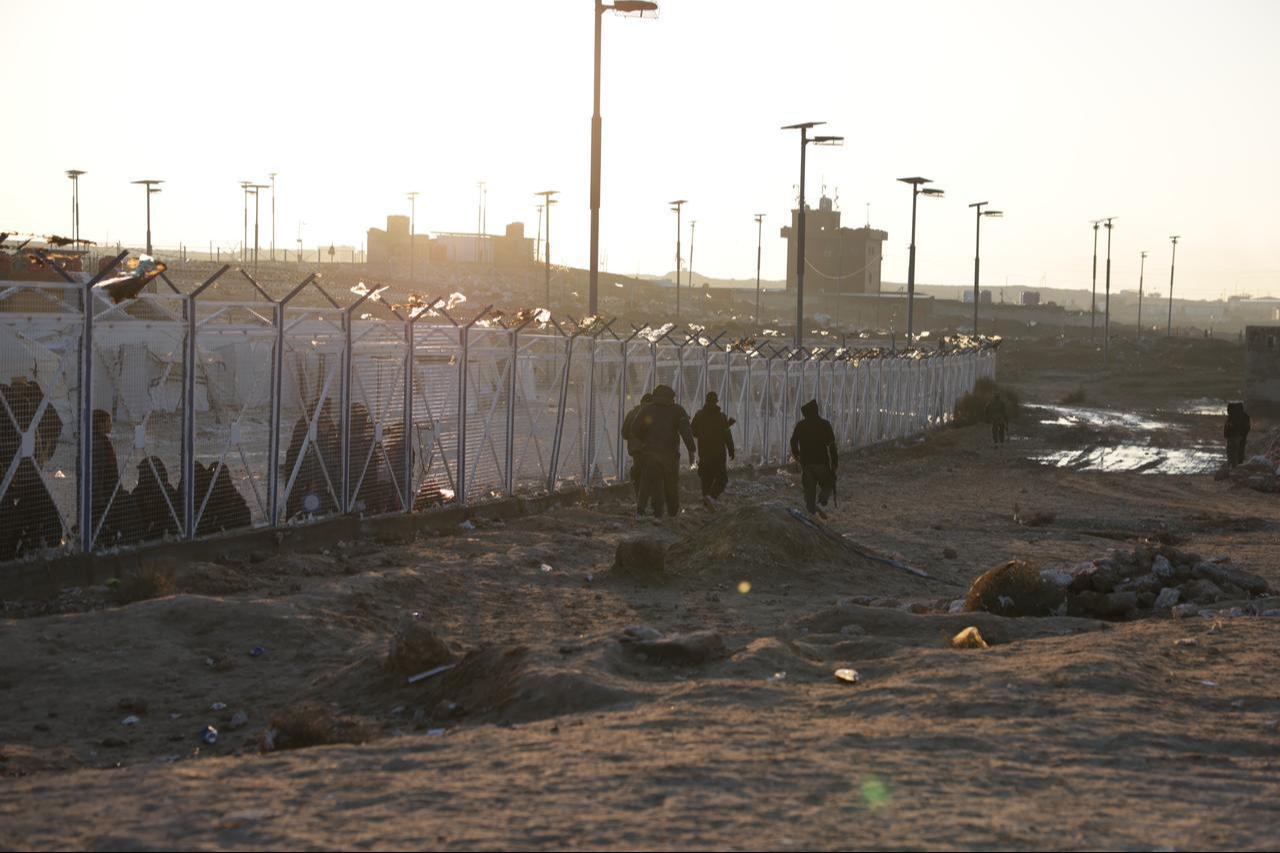

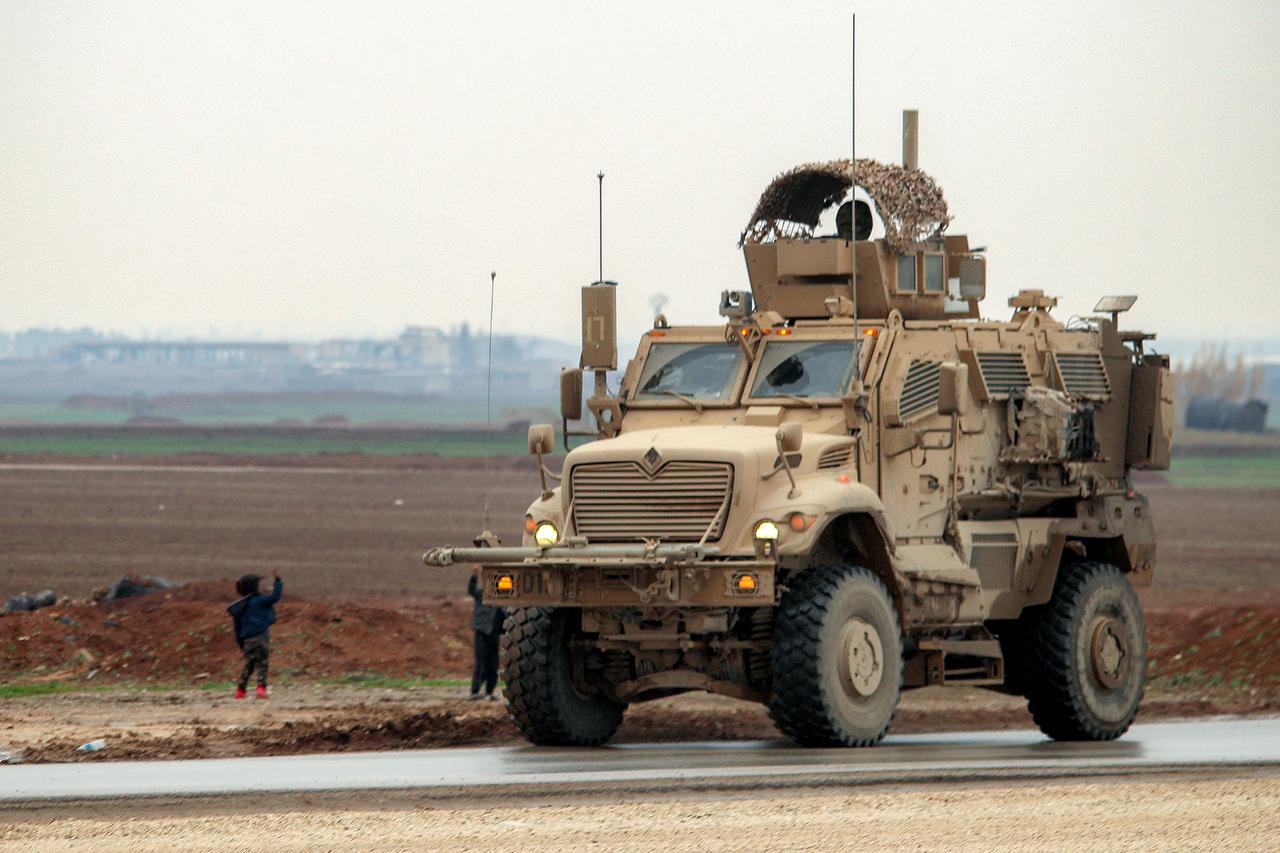
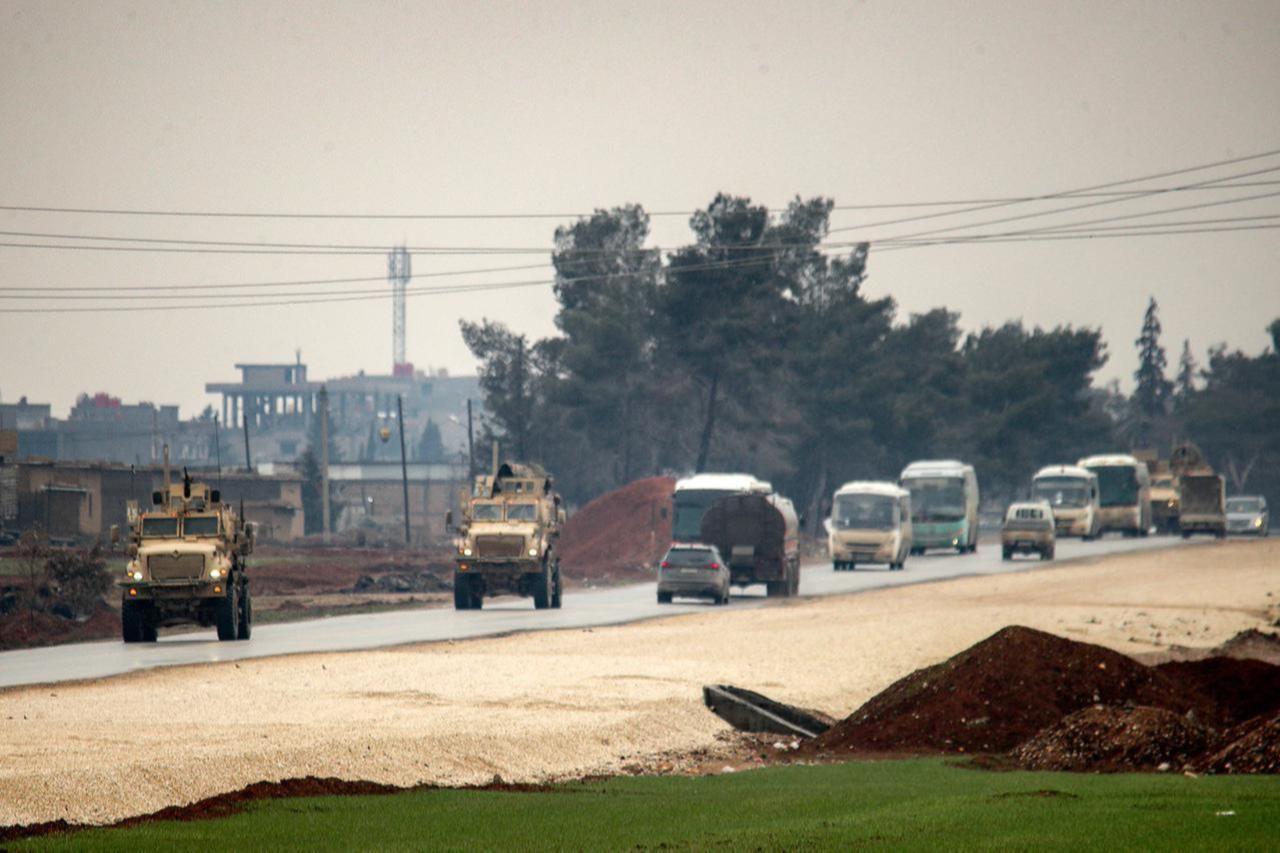
The transfer of thousands of Daesh members held in northeastern Syrian prisons to Iraq began in January 2026, with more than 5,700 adult male Daesh detainees sent to Iraq within 23 days, a figure corroborated by U.S. Central Command (CENTCOM), which announced completion of the transfer operation on Feb. 13 following a final nighttime flight.
CENTCOM Commander Adm. Brad Cooper said at the time that the mission reflected close coordination with regional partners.
T24 reported that before the transfer, the identities of detainees believed to be Turkish citizens were reviewed, with independent monitors involved in the process; DNA profiles taken from detainees were compared against profiles previously collected from families in Türkiye and held in police records. Identification relied on a combination of detainee statements, prison records, Turkish judicial records, civil registry and family information, and DNA matches.
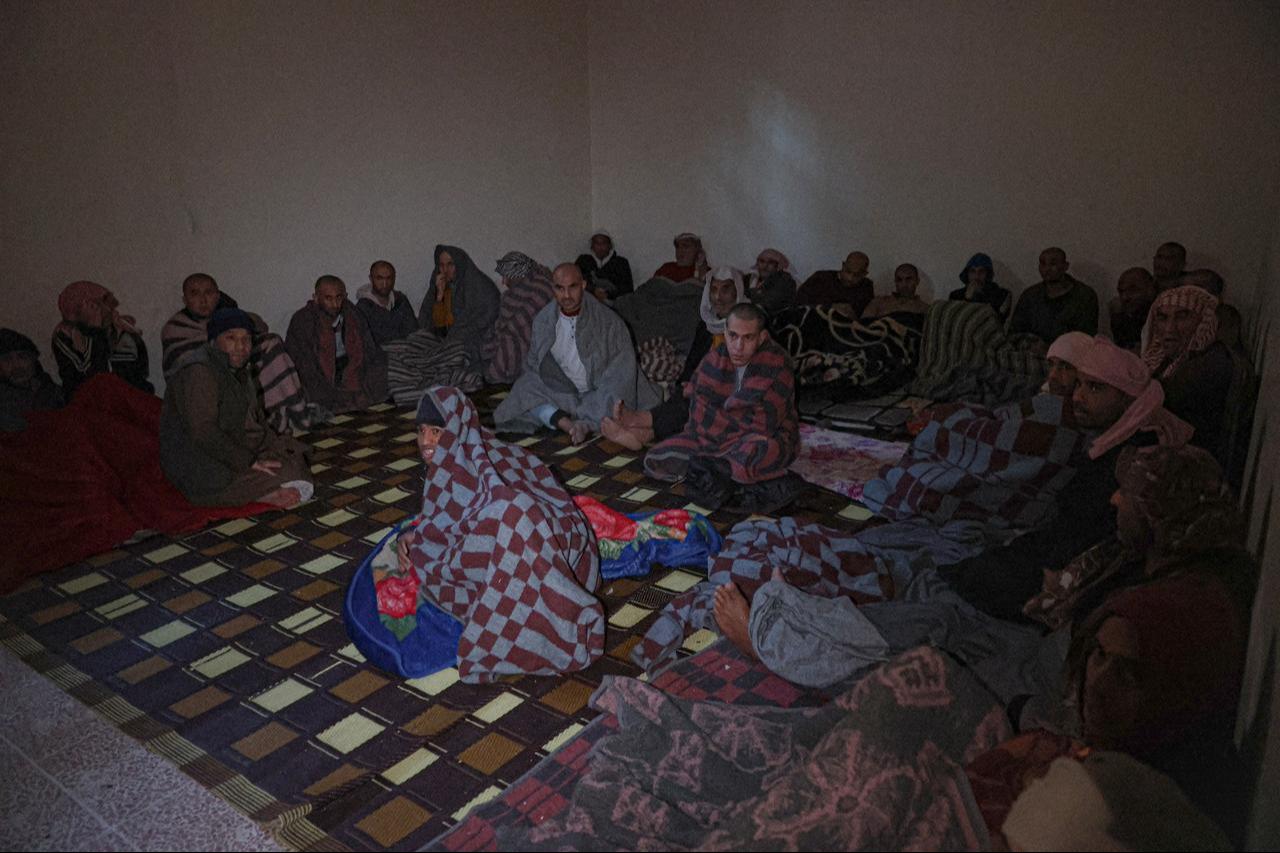
With the transfer of the 184 men from al-Karkh complete, Ankara is now preparing to bring roughly 250 Turkish citizen women held at Baghdad's al-Rusafa Prison to Türkiye, T24 reported. Most of the women have been held in Iraq since 2017, and some have been sentenced by Iraqi courts to death, life imprisonment or lengthy prison terms.
Preparations for their transfer began in September 2025, when a Turkish delegation of justice and security officials traveled to Baghdad to interview the women individually, comparing fingerprints and photographs against Turkish civil registry records and Iraqi prison files.
The effort also included children held in prison alongside their mothers.
DNA samples were taken from the children, and their maternal lineage and their fathers' nationalities were examined. The children's fathers were found to hold citizenship in 14 different countries.
Birth, civil registry and citizenship records for children born in Iraq were separately reviewed.
According to T24, Turkish citizen women are expected to be brought to Türkiye by September, though it remains unclear whether children staying with their mothers in al-Rusafa will be transferred as part of the same operation.


 Set as preferred source
 Set as preferred source


 1 min read
 1 min read