Newsletters


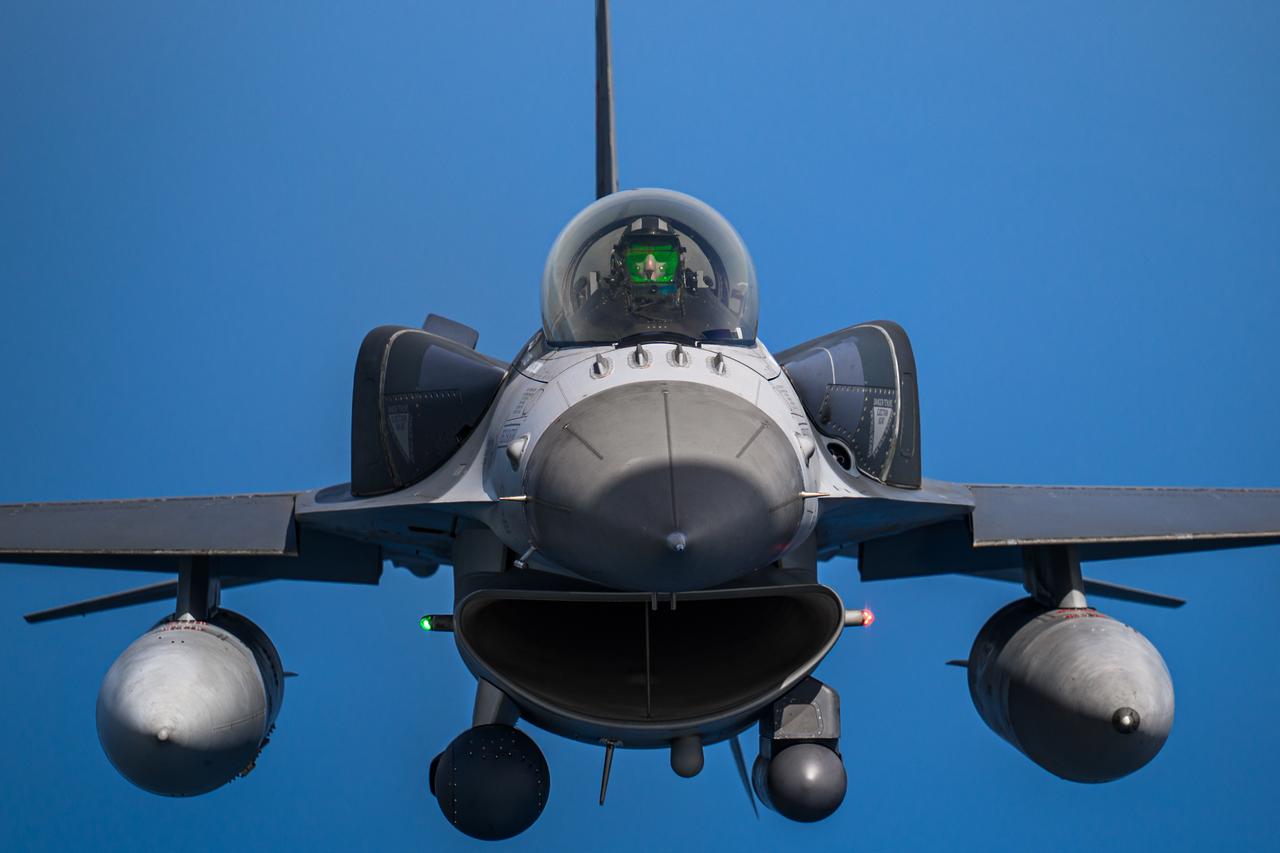


Türkiye has completed the acceptance phase of Havelsan's Fleet-Level Mission Planning software under the Ozgur (Free) Project, which aims to enhance the capabilities of F-16 fighter jets in the Turkish Air Force's (TurAF) inventory through domestically developed avionic systems and munitions.
The Ministry of National Defense (MoND) previously announced that the serial modernization of the remaining aircraft in the F-16 fleet is planned to be completed by the end of 2026.
The Ozgur Project, meaning "free" in Turkish, represents Türkiye's most comprehensive push to reduce foreign dependence in military aviation, integrating national radars, mission computers, smart munitions, and now a fully certified domestic mission-planning system across its F-16 fleet and beyond.
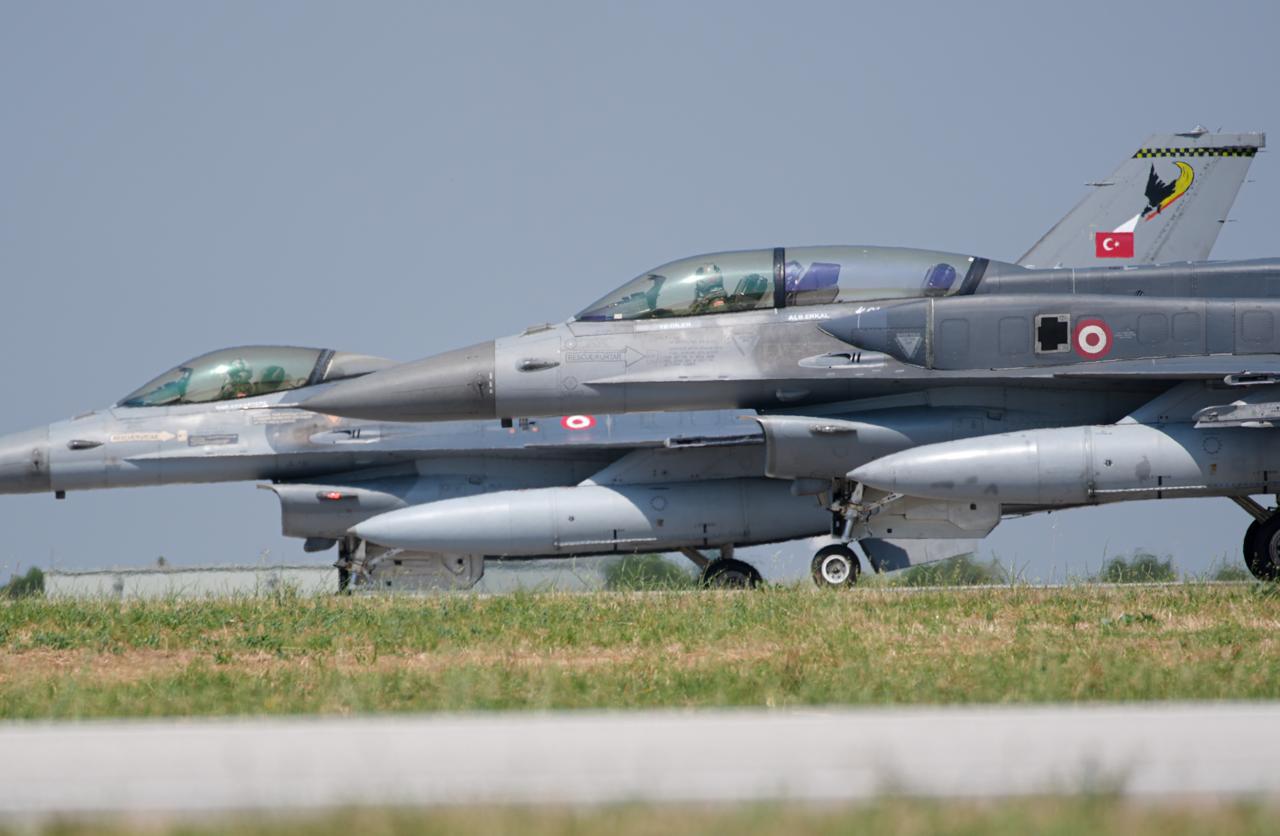

Havelsan's Fleet-Level Mission Planning software, originally developed beginning in 2003 and in active use with the Turkish Air Force Command since 2007, has now completed its acceptance phase within the Ozgur Project framework.
The system provides capabilities spanning Geographic Information System support, route and navigation planning, flight performance calculations, MEA/MSA/ESA analyses, threat and risk assessments, classical munitions attack planning, munitions interface integrations, mission rehearsal, data upload/download, and post-mission analysis.
Beyond combat aircraft, the software supports mission planning and post-mission evaluation for training, cargo, and Airborne Warning and Control System (AWACS) platforms.
The system is fully integrated with the Air Force Information System, enabling the use of air mission orders, airspace data, meteorology, NOTAM, and intelligence data in mission planning.
It also supports standalone operation independent of network connectivity. Integration work with the Air Force Information System is ongoing.
Within the Ozgur Project, mission planning software has also been developed for national smart munitions, including TEBER, and successful system integrations have been completed for HGK, KGK, SOM, and Tolun munitions.
Mission planning capabilities are being extended to the Hurkus, Hurjet and Kaan platforms, deepening integration across the national aviation ecosystem.
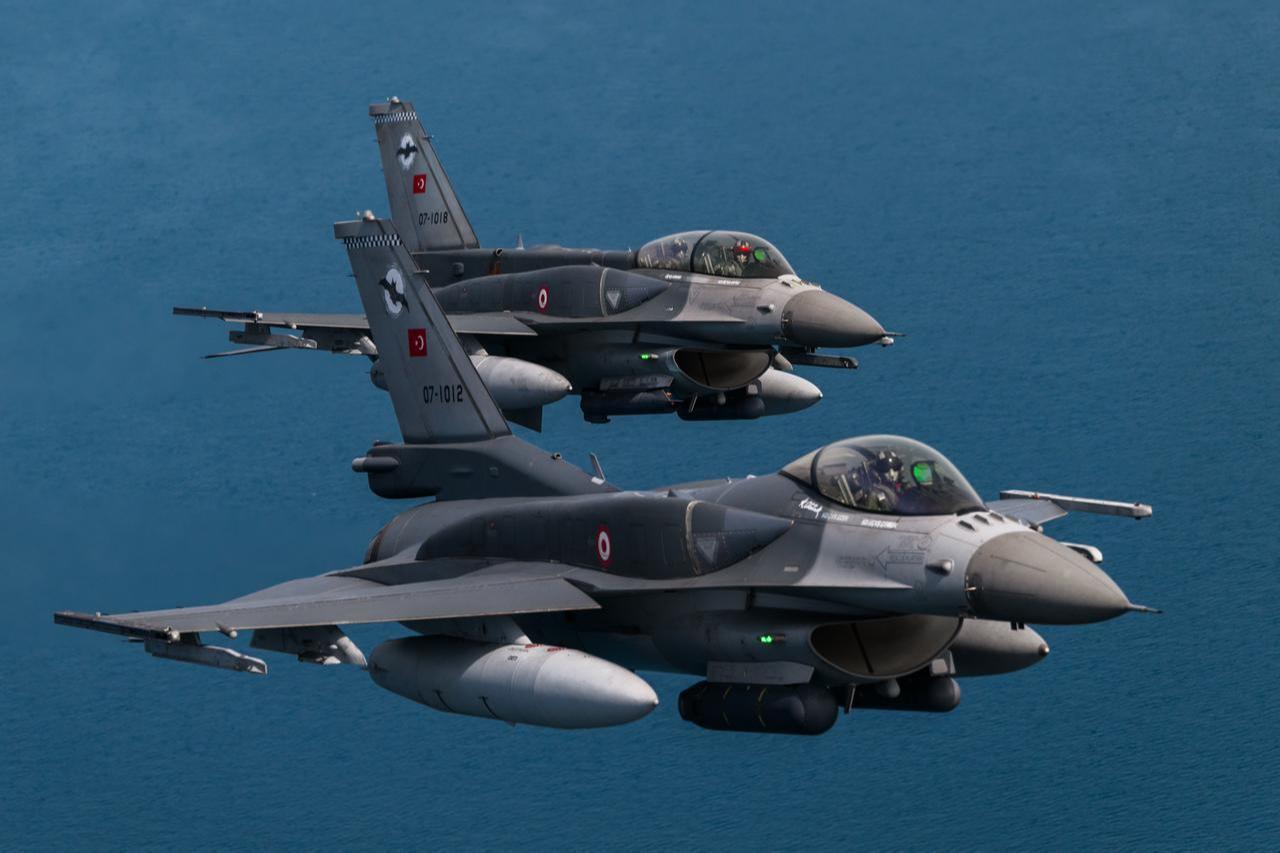
The Ministry of National Defense's 2025 Annual Activity Report confirmed that the serial modernization of F-16 aircraft in the Air Force Command's inventory is continuing, with modernization of the remaining aircraft planned for completion by the end of 2026.
The Ozgur project, launched under a contract signed between Turkish Aerospace Industries (TAI) and the Presidency of Defense Industries (SSB) in 2009, equips F-16 Block 30 aircraft with domestically developed systems, including an Identification Friend or Foe (IFF) system, a national mission computer, color multi-function displays, and other avionic upgrades.
Aselsan's MURAD AESA (Active Electronically Scanned Array) radar has also been integrated into the project.
The most recent development in this area, disclosed in TUBITAK's 2025 Annual Activity Report, was the first successful firing of a Gokdogan air-to-air missile, guided via an AESA nose radar data link, from an Ozgur F-16.
Structural improvement work carried out by TAI on F-16 Block 30 aircraft involves the renewal or overhaul of 1,200 to 1,500 structural components per aircraft, according to figures shared by former Defense Industries President Ismail Demir.
Through repairs, replacements, and fuselage reinforcement, the structural service life of the F-16 fleet is being extended from 8,000 to 12,000 flight hours, significantly prolonging the platforms' operational life.


 Set as preferred source
 Set as preferred source


 2 min read