Newsletters


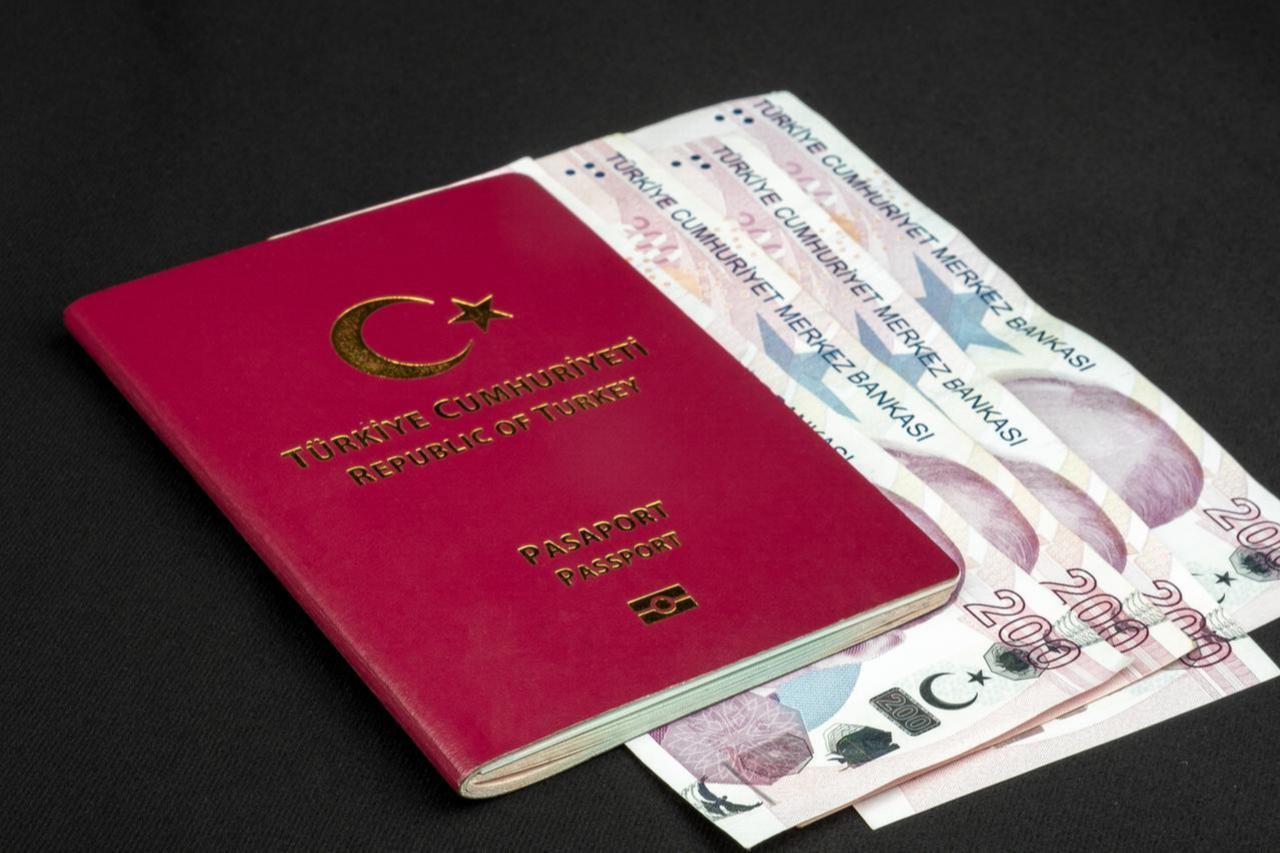


Turkish authorities have identified 1,070 foreigners who allegedly obtained citizenship unlawfully through fictitious real estate sales, as they launch a second operation targeting companies involved in the transactions.
The operation was carried out Monday morning by the Istanbul Provincial Police Department under the coordination of the Istanbul Chief Public Prosecutor’s Office, Justice Minister Akin Gurlek said in a post on X. Investigators examined property sales involving Gul Insaat, Beyaz Insaat and LIV Insaat.
Authorities have also launched administrative procedures to revoke the citizenship of those found to have obtained it unlawfully, Gurlek said.
Investigators reviewed sales involving 734 foreign nationals and found that 274 transactions were fictitious. The probe found that 1,070 people, including family members, had obtained Turkish citizenship through unlawful means, while 11 others were still in the process of obtaining citizenship.
More than ₺3.5 billion ($71.7 million) in transactions were also found to involve fictitious sales, Gurlek noted. The operation led to legal proceedings against 88 suspects, 72 of whom were detained.
Police seized digital materials from addresses linked to the suspects and companies involved in the probe. Authorities also placed 2,011 properties, a hotel, 86 motor vehicles, two yachts and 42 bank accounts under measures.
Gurlek added that 30 companies had been seized and placed under trusteeship.
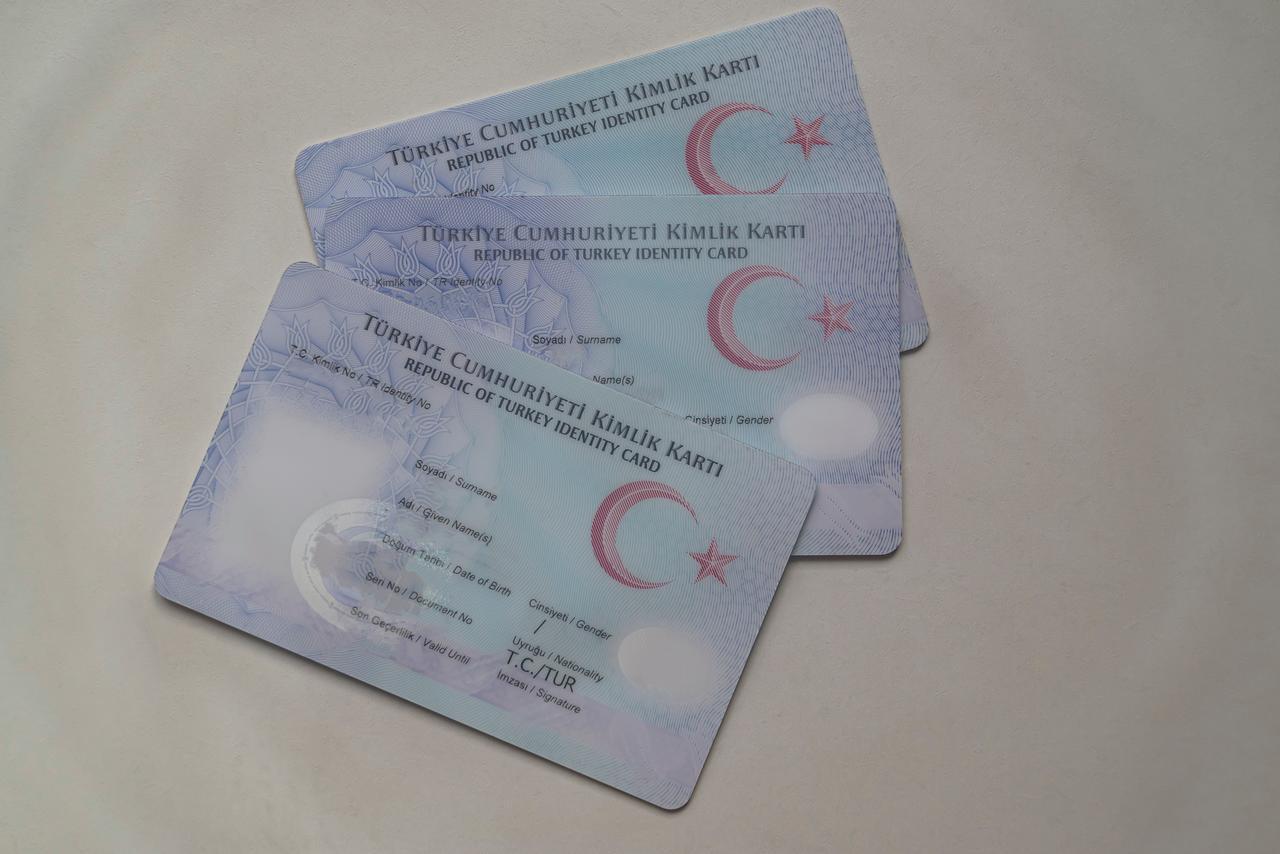

The latest operation follows an August probe that led to proceedings to revoke the citizenship of 687 foreign nationals. Investigators found that low-value properties were sold using inflated appraisals to help applicants meet the investment threshold.
After the first wave, the Interior Ministry said it had revoked or canceled citizenship for 6,134 foreign nationals in total to date, including cases linked to fraudulent property transactions and public-order or national-security concerns.
Türkiye launched its citizenship-by-investment program in 2017, initially setting the real estate threshold at $1 million. It was cut to $250,000 in 2018 before rising to $400,000 in June 2022, where it remains.
Real estate is the main route, while other options include a $500,000 fixed-capital investment, a $500,000 bank deposit, government bonds or approved funds, or the creation of at least 50 jobs.
Most routes require investments to be maintained for at least three years, and applicants must pass national security and public-order checks.


 Set as preferred source
 Set as preferred source


 2 min read
 1 min read