Newsletters




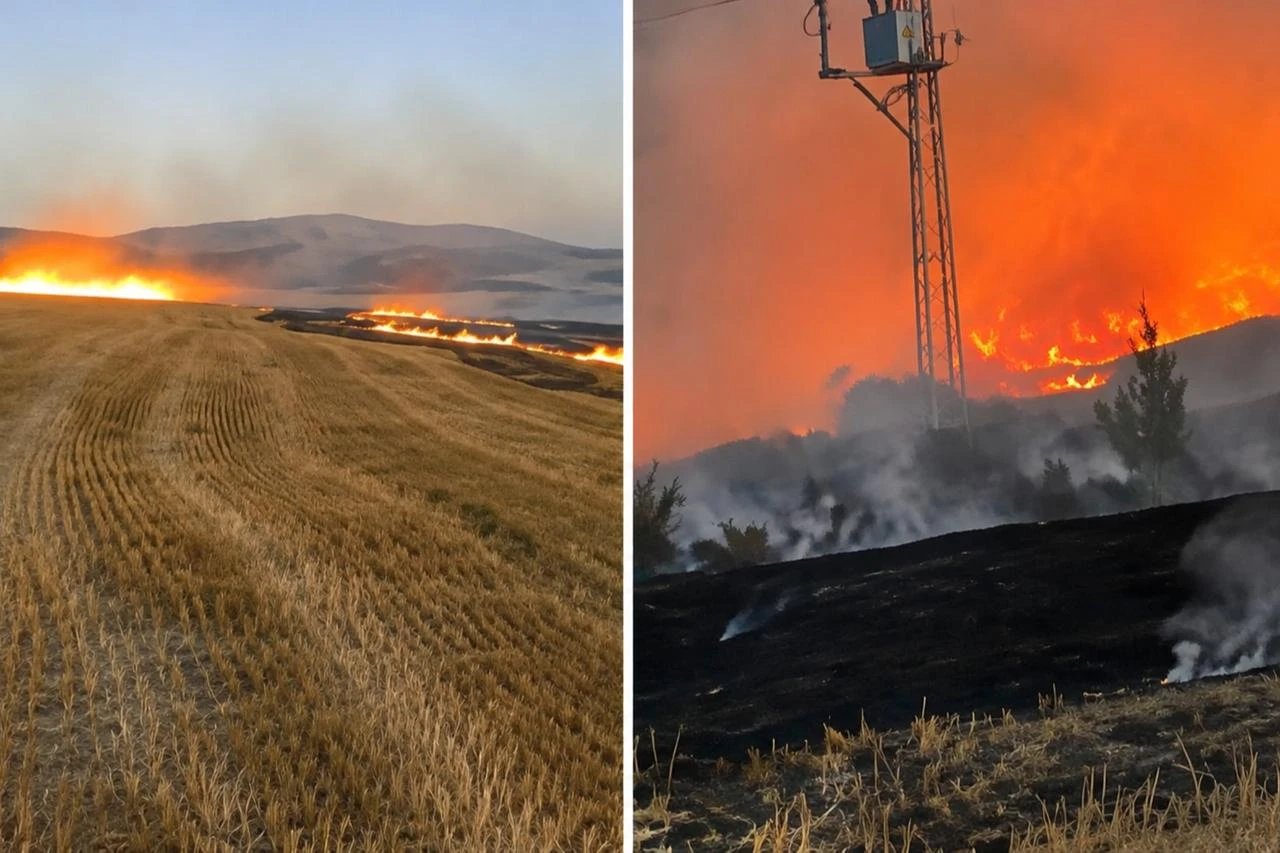
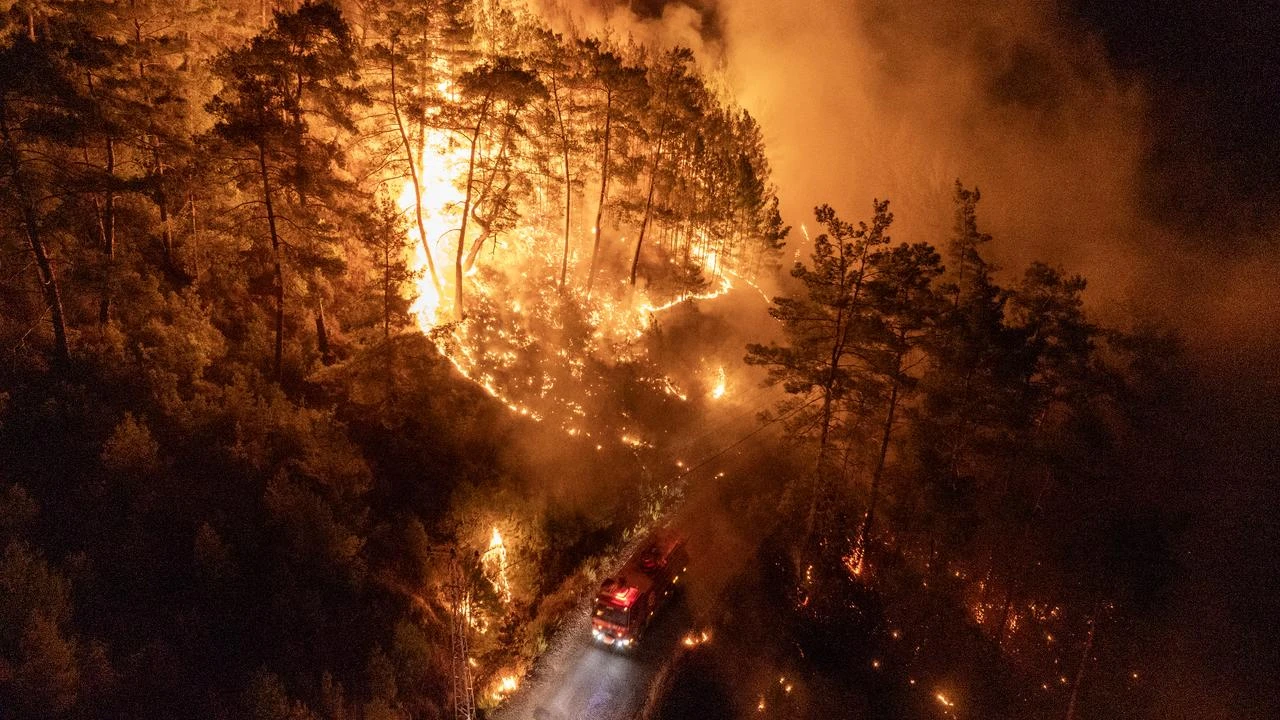
Türkiye's intensifying wildfires are bringing a less familiar danger into focus: pyrocumulonimbus clouds, powerful fire-driven storm systems that can generate abrupt winds, dry lightning and new outbreaks while making a blaze much harder to predict.
As crews continue to bring fires under control across several regions, experts say the danger cannot be assessed through temperature and drought alone.
Strong winds, unstable air, dry vegetation and mountainous terrain can combine with the heat of a major fire, allowing the blaze to build up its own local weather system.
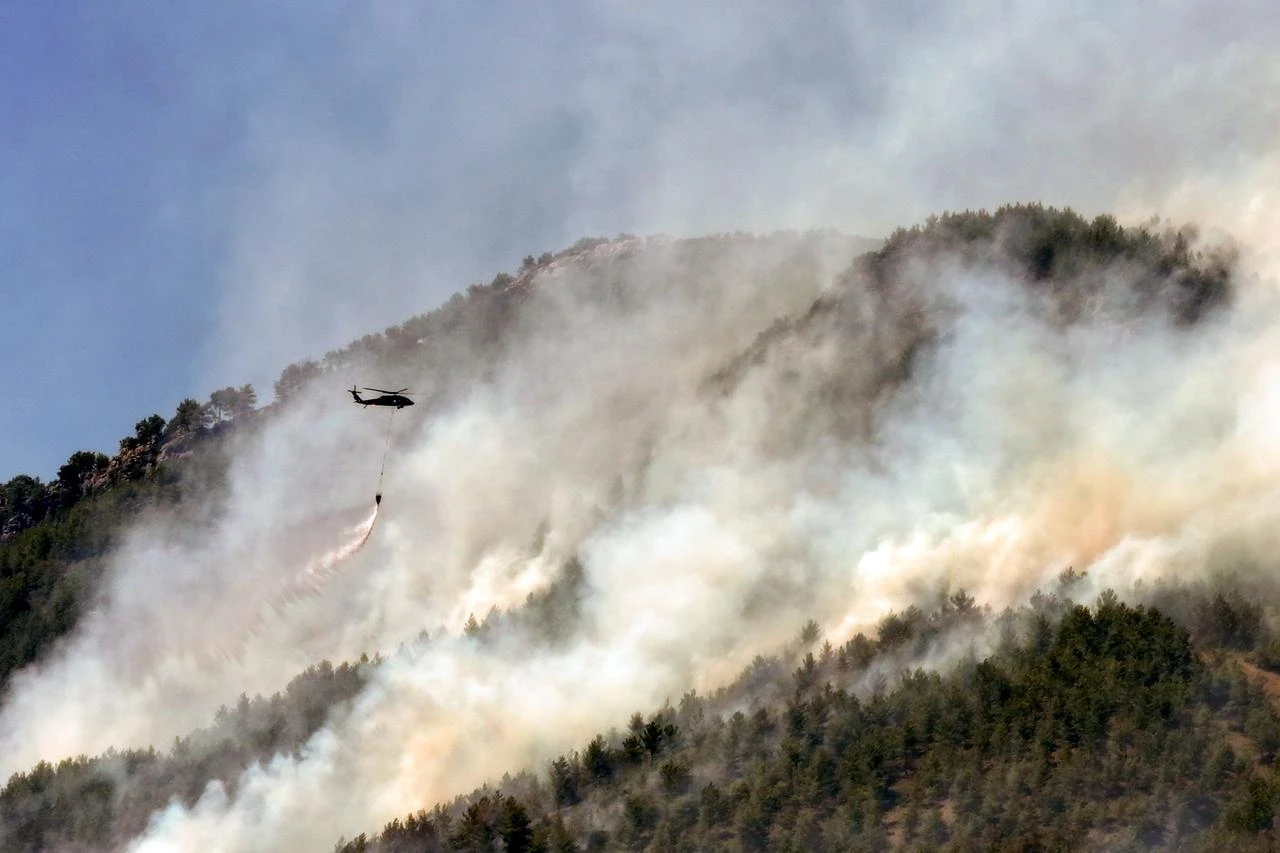

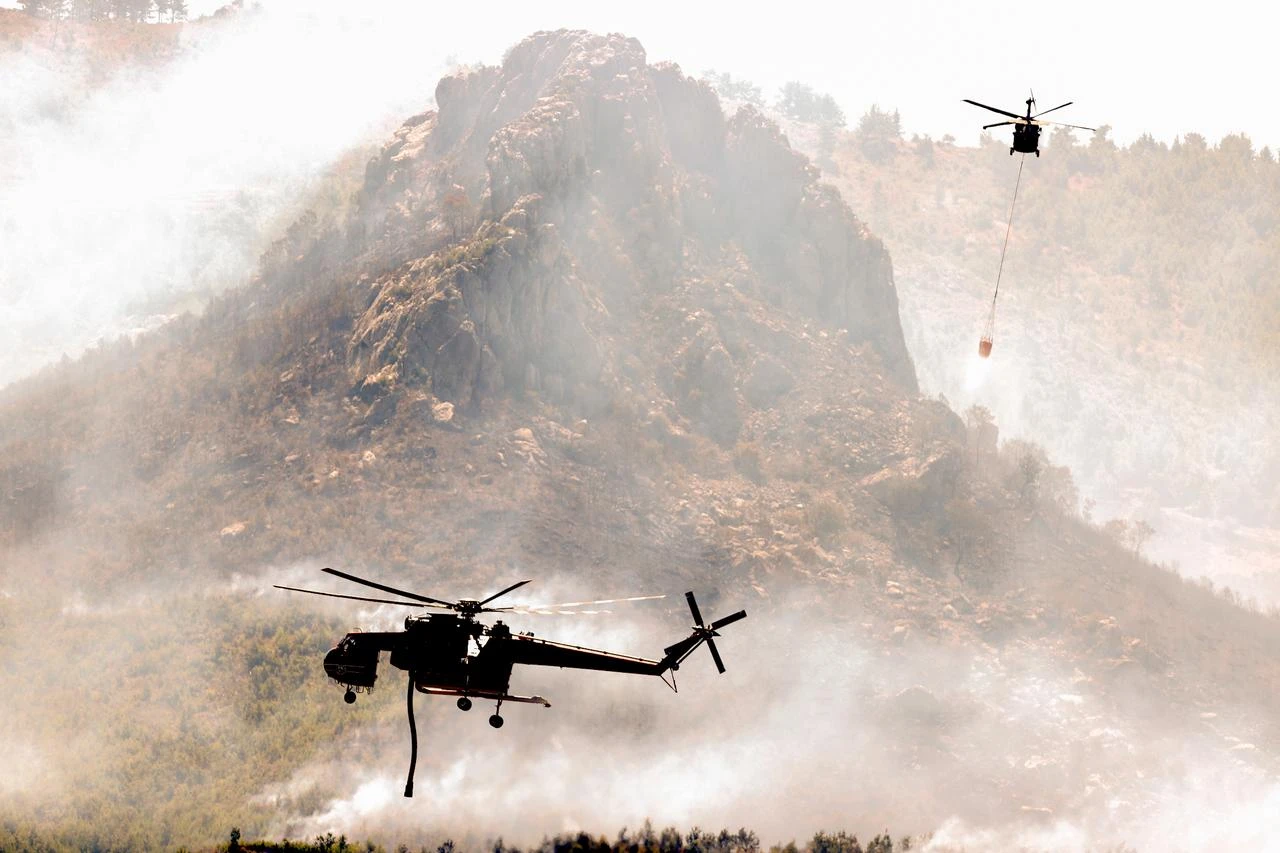
Known scientifically as pyrocumulonimbus, or PyroCb, a fire cloud forms when intense heat drives hot air, smoke, ash and water vapor rapidly upward. Under sufficiently unstable atmospheric conditions, the rising column can develop into a thunderstorm-like cloud.
At that stage, the fire may change direction or speed without warning. Murat Turkes of Bogazici University's Climate Change and Policies Research Center, who spoke to DW Turkish, said these clouds should not be treated only as a result of wildfire because they can actively reshape fire behavior.
Turkes said strong convection can set off sudden wind shifts, fire tornadoes and dry lightning, while also creating conditions for new fires. The danger grows when hot winds and rugged terrain come together.
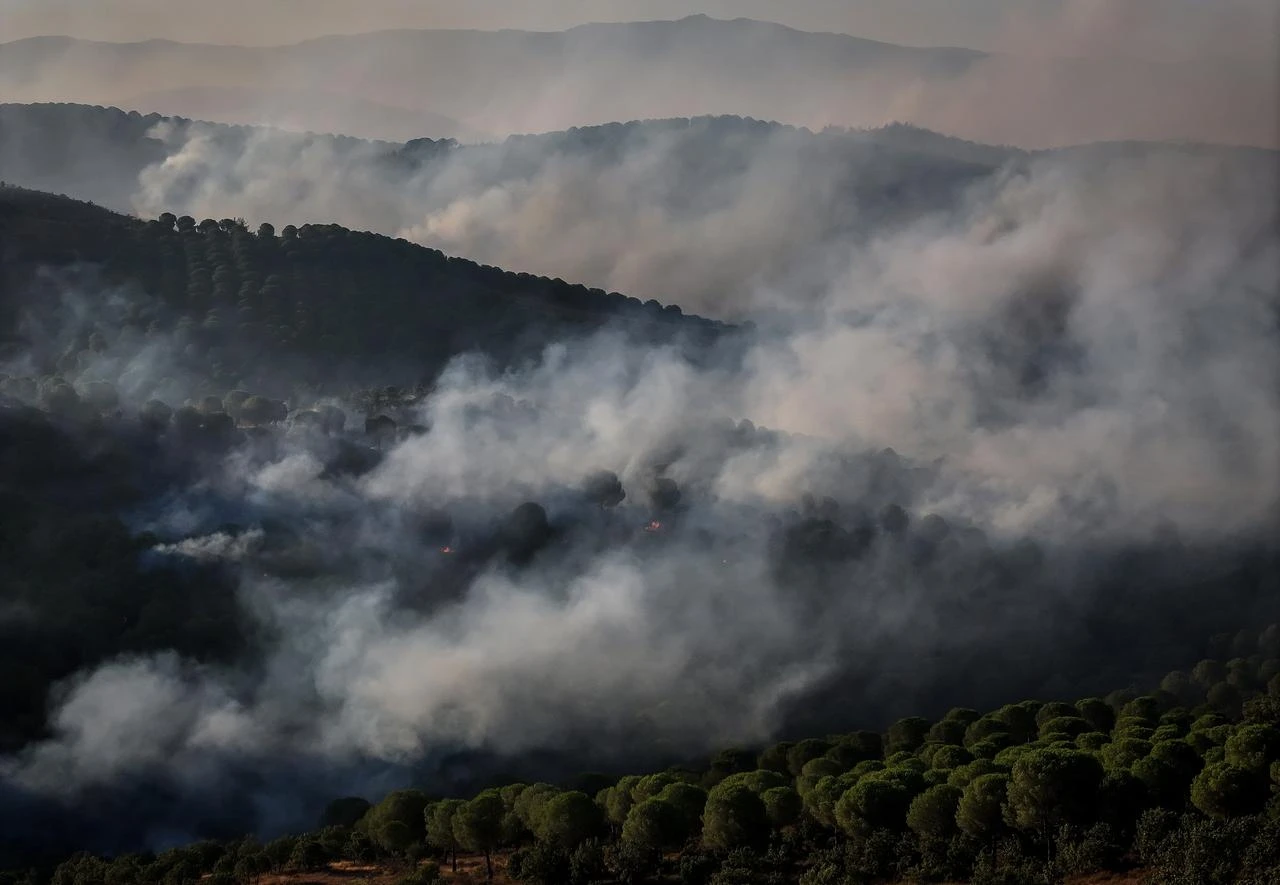
Research on PyroCb in Türkiye remains limited. Turkes and forestry expert Doganay Tolunay addressed the issue in a 2023 book on forest fires, drawing on the major blazes that swept through southwestern Anatolia in 2021.
A March 2026 analysis by researchers from Eskisehir Osmangazi University and Dokuz Eylul University argued that PyroCb should be handled not only as a meteorological event, but also as a disaster management and social resilience challenge.
The study found that policy documents, including AFAD's Türkiye Disaster Risk Reduction Plan, do not directly define PyroCb and similar emerging threats. Researchers said this leaves planning focused too narrowly on the physical spread of fire and limits a broader approach covering multiple, interconnected hazards.
Although AFAD, the General Directorate of Forestry, the Turkish State Meteorological Service and TUBITAK have developed warning, monitoring and response systems, the study said PyroCb-specific training, technical capacity and institutional knowledge have not yet been brought together systematically. It also pointed to limited awareness among field personnel.
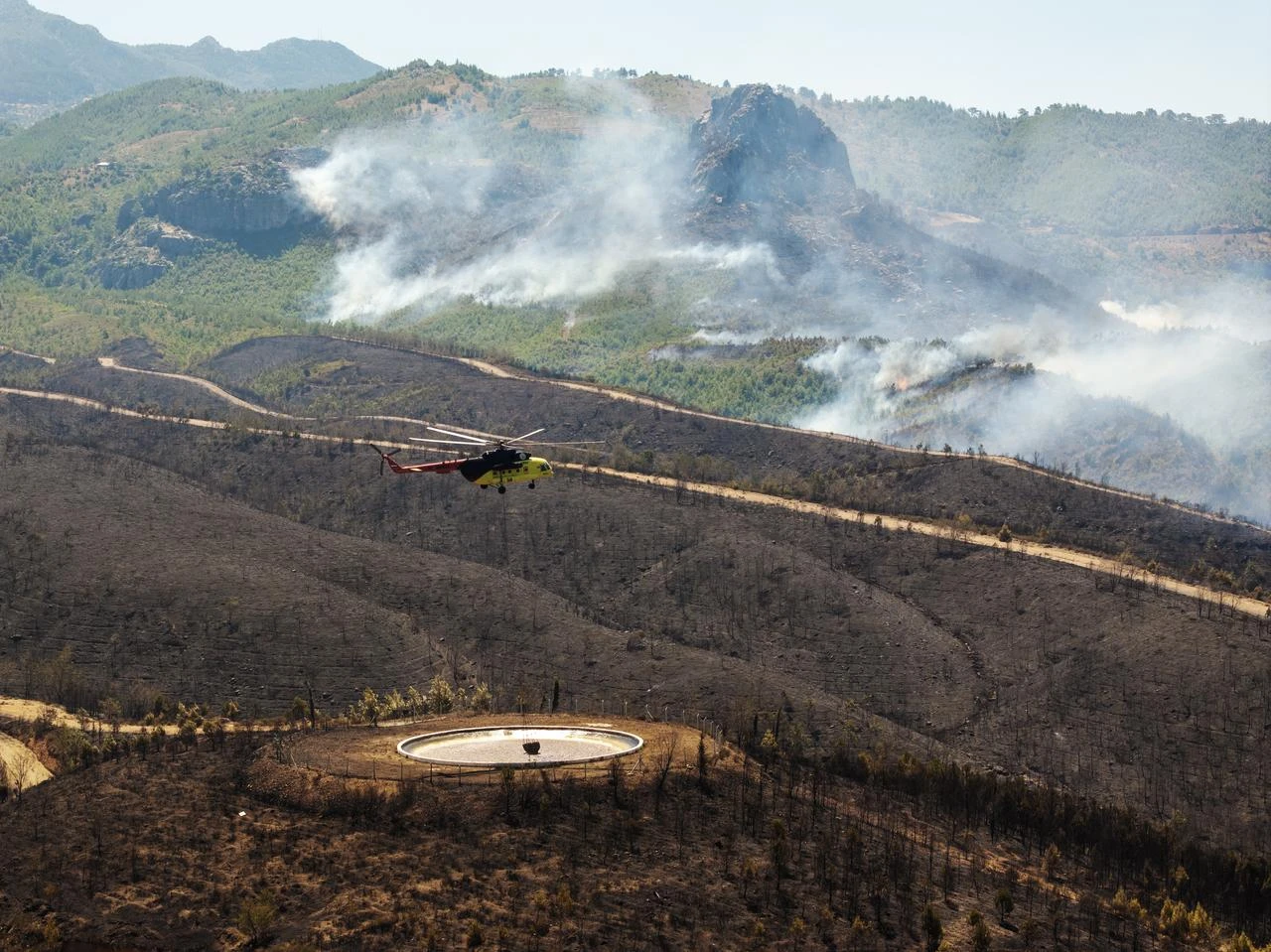
Turkes said fire clouds have become more frequent and intense in major fires across Canada, Australia, northern Russia, California and the Mediterranean basin as climate change brings about higher temperatures, longer droughts, lower humidity and drier vegetation.
Türkiye is exposed because it lies in the Mediterranean climate zone and the climate-sensitive eastern Mediterranean region. The strongest potential remains in large summer fires along the Aegean and Mediterranean coasts, although southern and eastern Marmara and parts of northwestern Central Anatolia have also begun to see major fires.
Turkes said photographs from some 2021 fires in southwestern Anatolia suggest that fire clouds may have formed, although he stressed that this was not a confirmed diagnosis.
Conditions in 2026 may add to the threat. A wet winter and spring increased grass growth, but that vegetation later dried out and built up a larger fuel load. When this combines with heat waves, prolonged drought, unstable air and strong northerly or downslope winds, the chance of a fire producing its own convective system may rise.
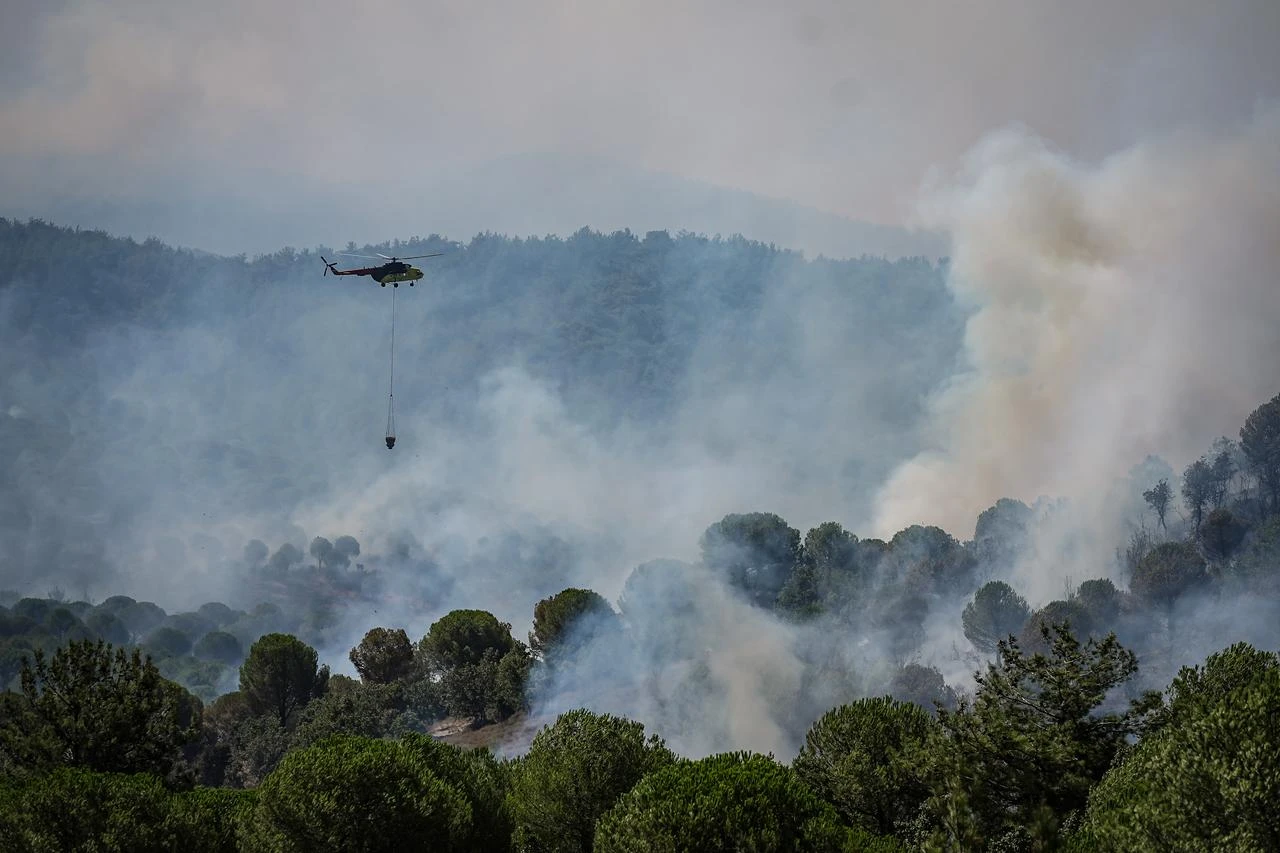
Türkiye currently plans its main wildfire response season from May 1 to Nov. 1, but Tolunay said recent fires have increasingly fallen outside that period.
"Fires can now break out outside the official season and in the Black Sea region, and they can damage large areas," he said.
Tolunay noted that major fires have occurred in September and October, while significant outbreaks can also take place in April and November. In the Black Sea region, fires often break out in January and February.
After large areas burned in Bursa, Sakarya, Bilecik, Bolu, Eskisehir and Karabuk in 2025, Tolunay said Türkiye should reassess its fire calendar and prepare for outbreaks throughout the year.
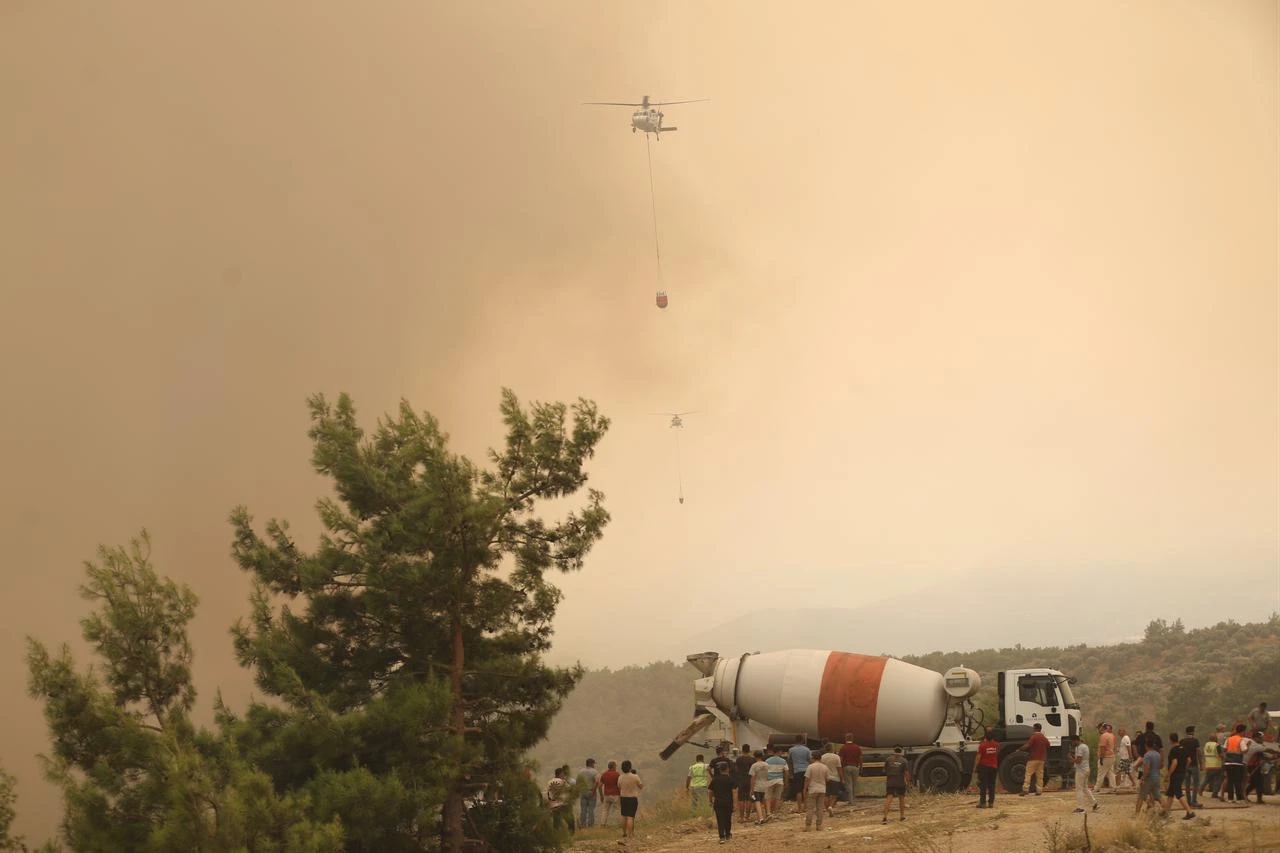
Tolunay argued that wildfire policy should not be reduced to the number of aircraft, vehicles or other equipment available after a fire begins.
He said reducing risk requires coordinated action across institutions, including regular maintenance around power transmission lines, better planning where forests meet settlements, removal of combustible vegetation and controlled burning of dry leaves and grass.
 2 min read
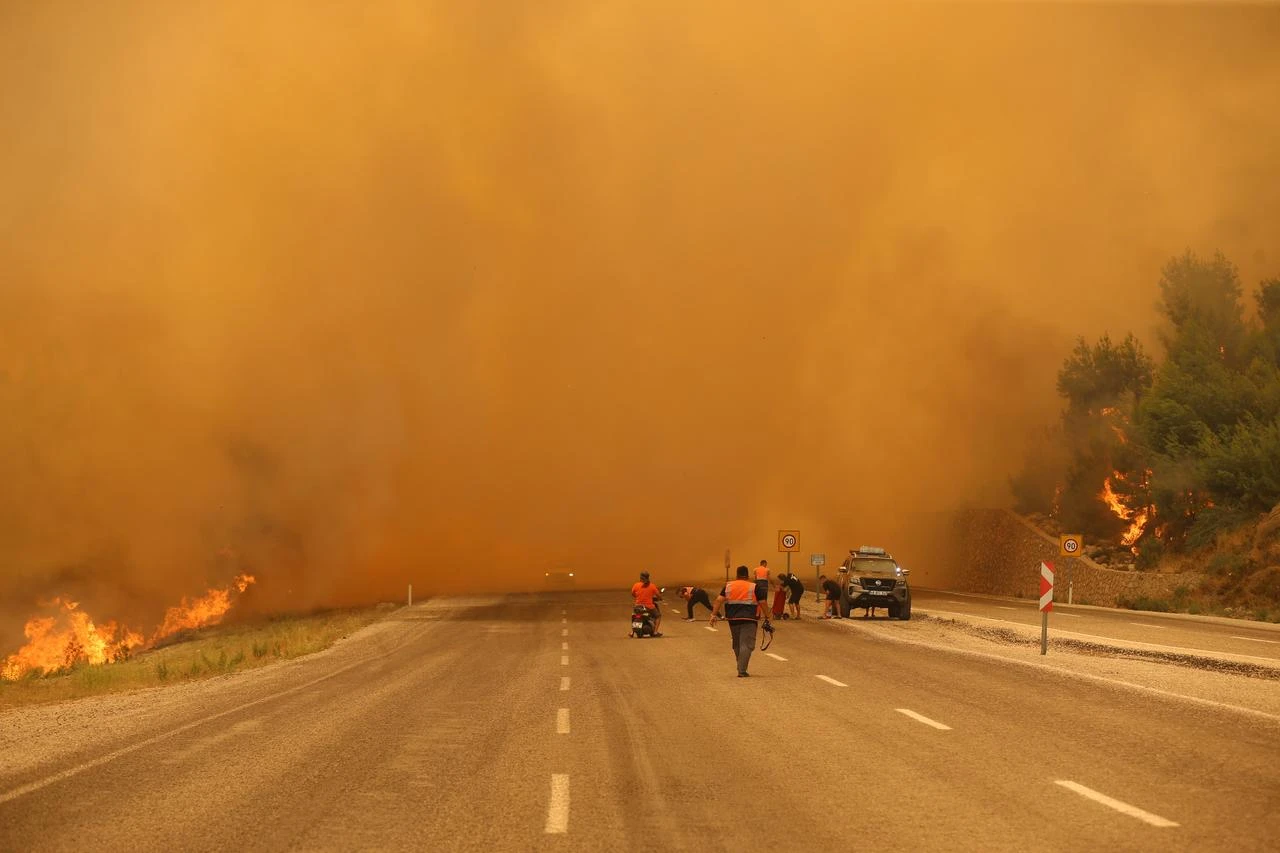
The main objective, he added, should be to reduce the annual number of fires, currently around 3,000 to 3,500, rather than relying mainly on a larger response once flames have already spread.


 Set as preferred source
 Set as preferred source


 1 min read