Newsletters


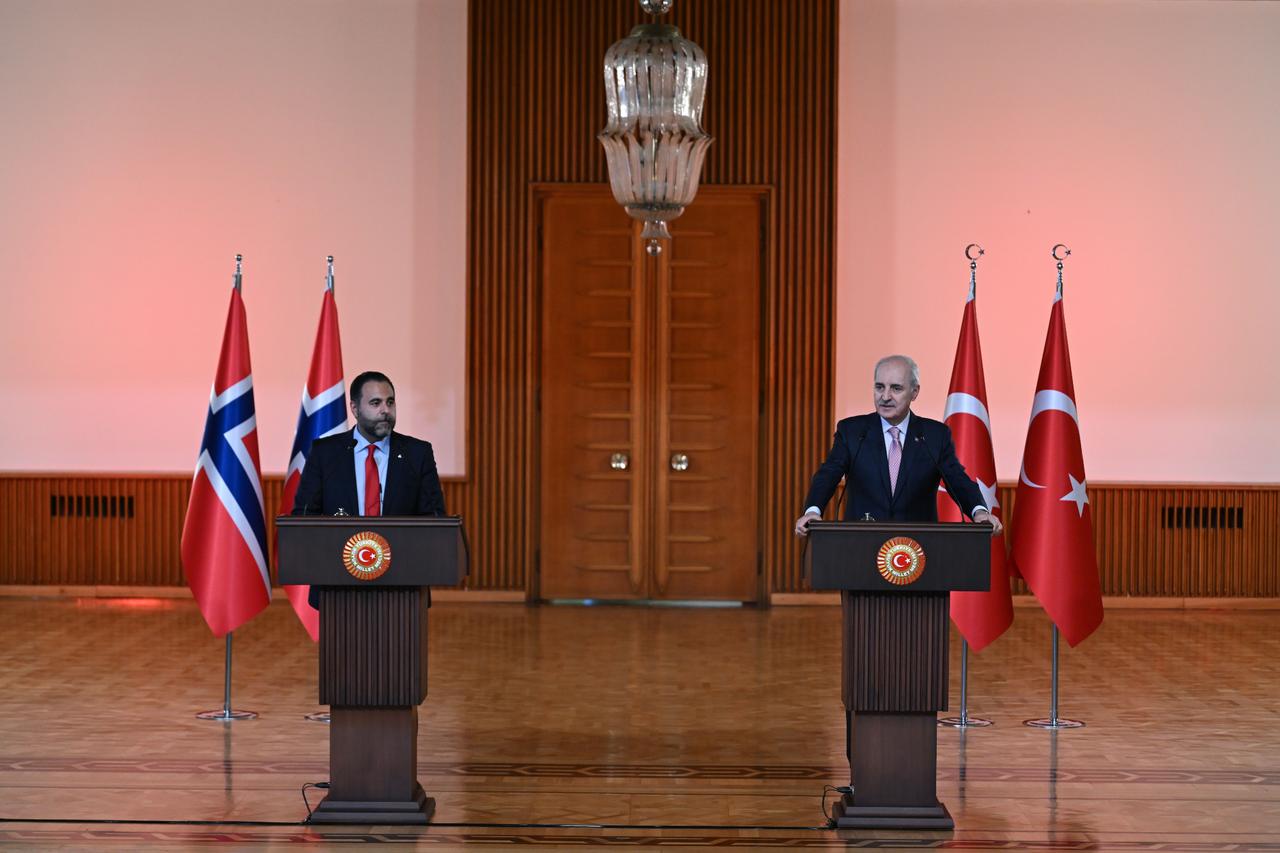


Norwegian Parliament Speaker Masud Gharahkhani affirmed on Tuesday that both Türkiye and Norway are successfully meeting their alliance obligations ahead of next week's NATO summit in Ankara. The statement came as parliamentary leaders from both nations strongly reaffirmed NATO unity alongside their shared diplomatic commitment to a two-state solution for Palestine.
"Next week, we will discuss important issues. Türkiye and Norway are doing their part. We want to believe that all allies are doing the same," Gharahkhani said during a joint press conference with Turkish Parliament Speaker Numan Kurtulmus in Ankara.
Gharahkhani described Türkiye as an important NATO ally with one of the alliance's largest armed forces.
"It is the country in NATO with the largest armed forces. It is a country that invests in defense. Seeing the investments it has made is also very impressive," he said.
He emphasized the shared values underpinning the alliance.
"We are allies in NATO. Human rights, democracy, freedom of expression, freedom of thought, peace, prosperity, security, and economic growth will continue to remain highly important values between our countries," Gharahkhani noted.
Speaking about the NATO Parliamentary Summit held in Istanbul on June 28-29 and the upcoming NATO summit in Ankara on July 7-8, Gharahkhani said the most important point of both meetings was the alliance's ability to stand together during difficult times.
"We can produce more in this sense. Türkiye is already trying to fulfill this commitment. We are trying to do the same in Norway. Our major companies, those working in the defense industry, are already working harder, and I think this is important," he added.
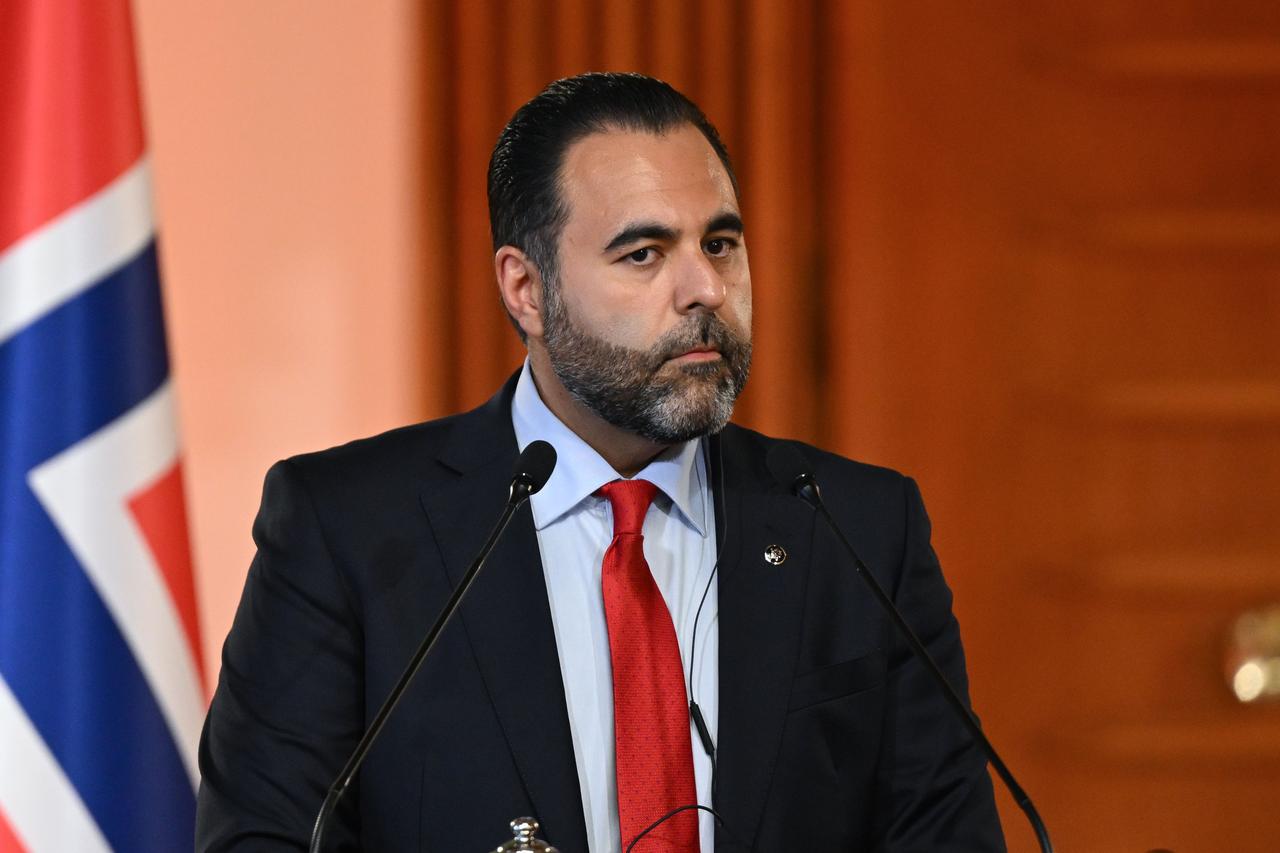

Kurtulmus said next week's summit in Ankara is expected to be significant. He said it is taking place at a time when NATO is undergoing a "historic period," as global balances shift and new ideas about the formation of a new world order emerge.
He noted that Gharahkhani had also attended the NATO Parliamentary Summit in Istanbul, where the two exchanged views on rising security risks in Europe, regional instability and shifts in global politics.
Kurtulmus said President Recep Tayyip Erdogan had used a dinner hosted for parliament speakers during the Istanbul summit to convey Türkiye's perspective on peace and its role in ensuring security.
"Allah willing, next week on July 7-8, the NATO Leaders Summit will be held in Ankara. On this occasion, I would like to say that Türkiye, with its approach that places particular importance on diplomacy and its belief that all conflicts in the world can be resolved at the negotiating table, has become one of the important centers of international diplomacy, especially in recent times," he said.
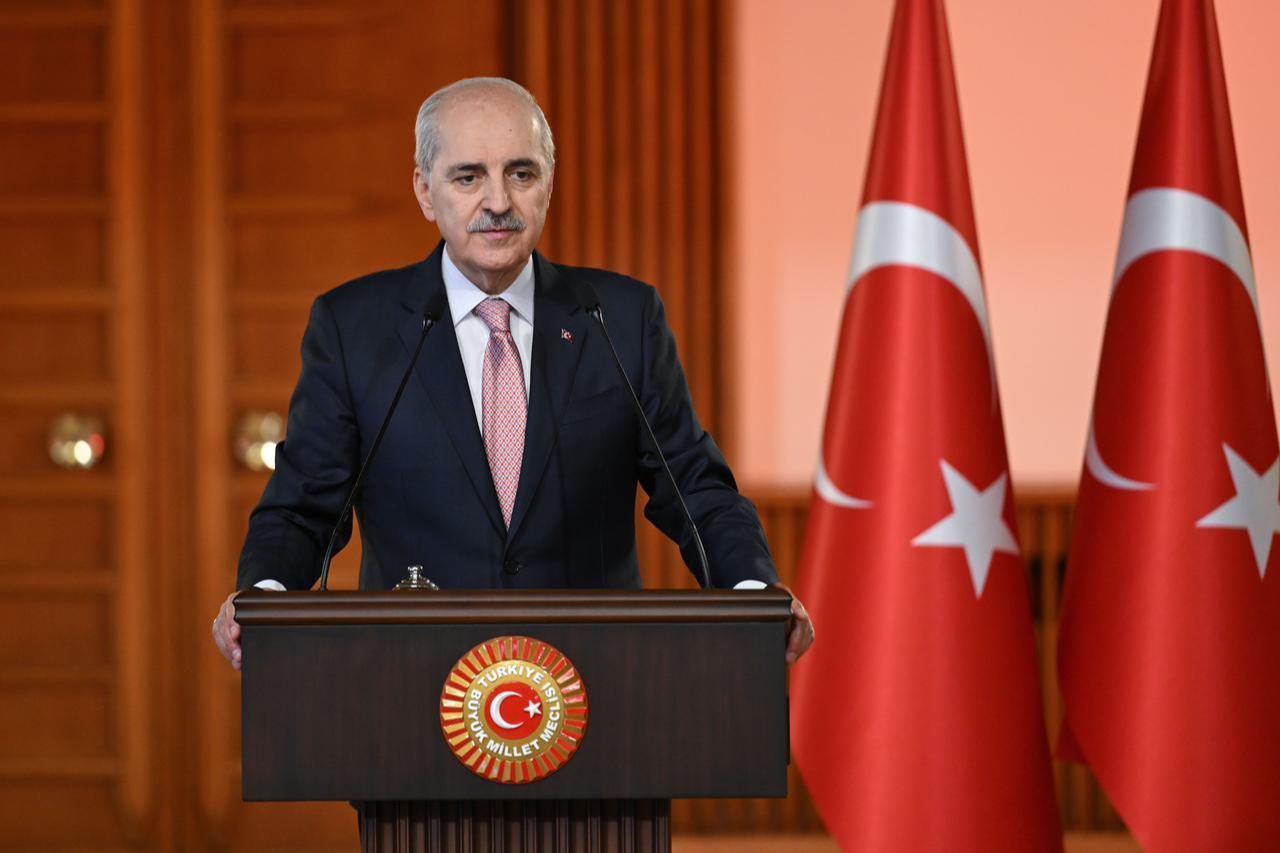
Kurtulmus pointed to a string of major gatherings hosted by Türkiye this year, including the 152nd Assembly of the Inter-Parliamentary Union in Istanbul in April, which he called the highest-attended meeting of its kind to date, and the Antalya Diplomacy Forum held around the same time.
He said the NATO Speakers' Meeting in Istanbul was the third such gathering after Washington and Brussels, and expressed hope that these meetings would become a regular, institutionalized tradition.
"Türkiye has become a country whose proposals on conflict resolution are closely watched. This has also made Türkiye a diplomatic center of gravity," Kurtulmus said, adding that Norway shares a similar approach.
"Norway is also one of the extremely important countries when it comes to mediation and conflict resolution. It has very broad experience and has successfully played the role of mediator in conflicts between many countries. Norway's fundamental approach, like ours, is that negotiation and diplomacy, not war, not weapons, should form the basis for resolving issues and conflicts. I would like to underline that we share this similarity with Norway," he added.
Kurtulmus noted that Türkiye will host another major gathering in November, the 31st Conference of the Parties to the U.N. Framework Convention on Climate Change (COP31), which he said will be held in Türkiye with extremely broad participation and significant international standing.
Kurtulmus said he and Gharahkhani found significant common ground on the Palestinian issue, which he described as the Middle East's most important problem and a key issue for world peace.
He said both Türkiye and Norway believe there is no path forward other than a two-state solution, with a fully sovereign and independent Palestinian state established within the 1967 borders.
"I would like to once again express our appreciation for Norway's official recognition of the State of Palestine in 2024," he added.
Kurtulmus said Türkiye similarly supports the ongoing negotiations between the United States and Iran.
"We believe that resolving this issue as soon as possible through mutual negotiations, and bringing to a conclusion a peace process acceptable to both sides, is of vital importance both for the peace of our region and for world peace. In this context, we hope the U.S.-Iran talks that began in Geneva and will continue in Doha yield good results," he said.
He warned against potential provocations targeting the talks.
Kurtulmus urged all participating nations and the international community to safeguard the ongoing diplomatic momentum between Washington and Tehran. He cautioned that regional actors invested in perpetual instability, specifically Israel, remain highly resistant to any potential US-Iran rapprochement. "Preventing Israel's provocations, and giving it no opportunity to act on them, is the most fundamental requirement for this process to proceed in a healthy manner," Kurtulmus said.
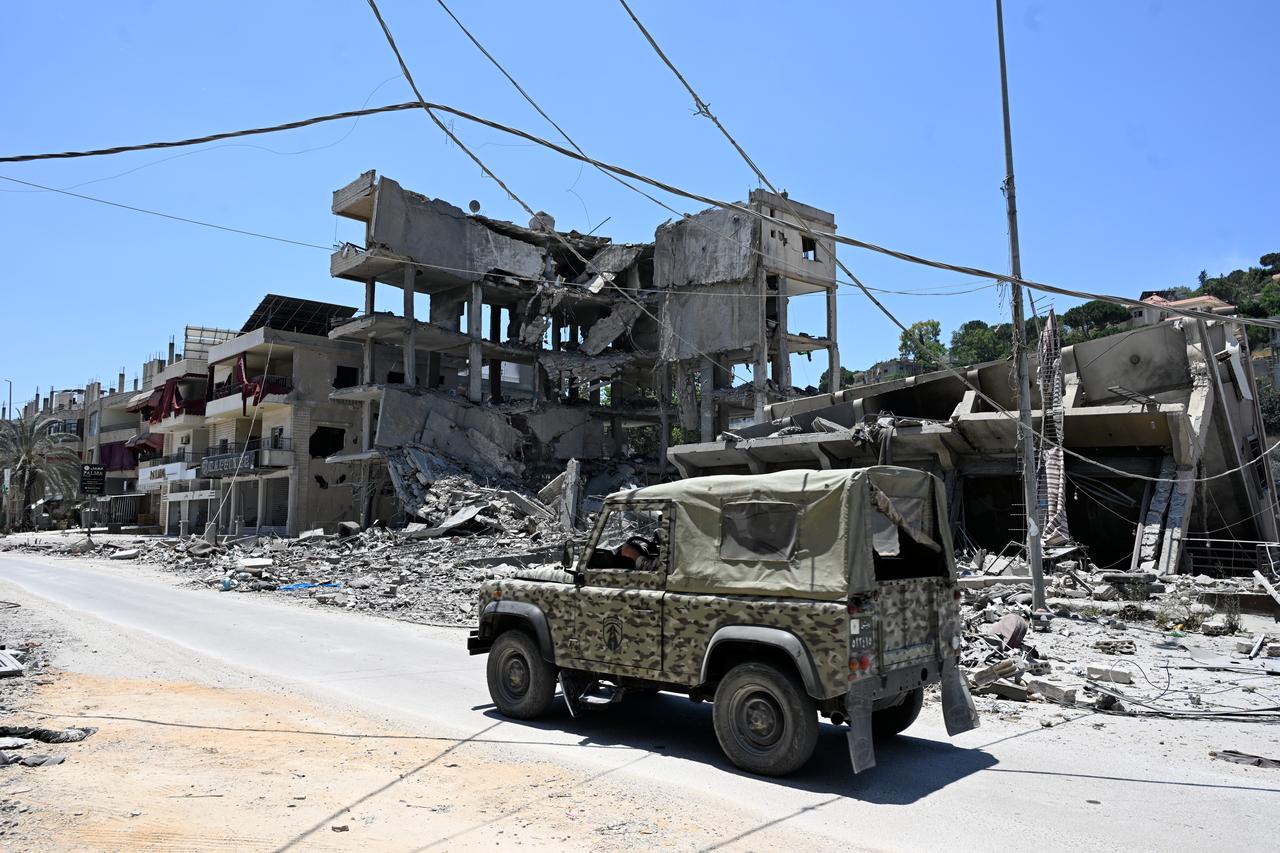
"In this context, we view Israel's ongoing attacks in Lebanon as well as its attacks against Syria as clear violations of international law, and we once again reiterate that our region needs calm and peace," he said.
"Halting Israel's aggression is the first condition for regional peace. Therefore, with a negotiating environment now established between the U.S. and Iran, and with a real possibility of reaching a result, the international community must never allow Israel to derail this process," the Turkish official stated.
Gharahkhani said Norway intends to expand trade with Türkiye, particularly in shipbuilding, citing the maritime heritage shared by both countries.
"Both of our countries are maritime nations. Shipbuilding is an important part of both our identity and our history, and we believe we can develop trade between our two countries in this regard," he said.
He also pointed to energy as a promising area for future cooperation.
"Norway is also an energy country. This could become one of the interesting areas where we can cooperate in the future," he said.
Gharahkhani praised Türkiye's role in easing and resolving conflicts worldwide, particularly its mediation efforts in the Russia-Ukraine war.
He noted that Norway has provided $9 billion in support to Ukraine, largely in military aid. "Military support makes up most of this. Because we, too, recognize how important peace is for Ukraine," he said.
Kurtulmus highlighted the extremely important agenda items between Türkiye and Norway, particularly bilateral trade, and noted that the approximately 25,000 Turkish citizens living in Norway form a strong bridge between the two countries.
He noted that Gharahkhani resides in the region of Norway where Turkish citizens from Konya have settled, and has developed close relations with the Turkish community there.
"We wish him success in his constituency as well, and we would like to ask him to convey our greetings and respects to our Turkish citizens there," he said.
He expressed hope that the positive agenda between the two governments would continue between their parliaments, and thanked Gharahkhani for his commitment to advancing relations between Türkiye and Norway.


 Set as preferred source
 Set as preferred source


 8 min read