Newsletters


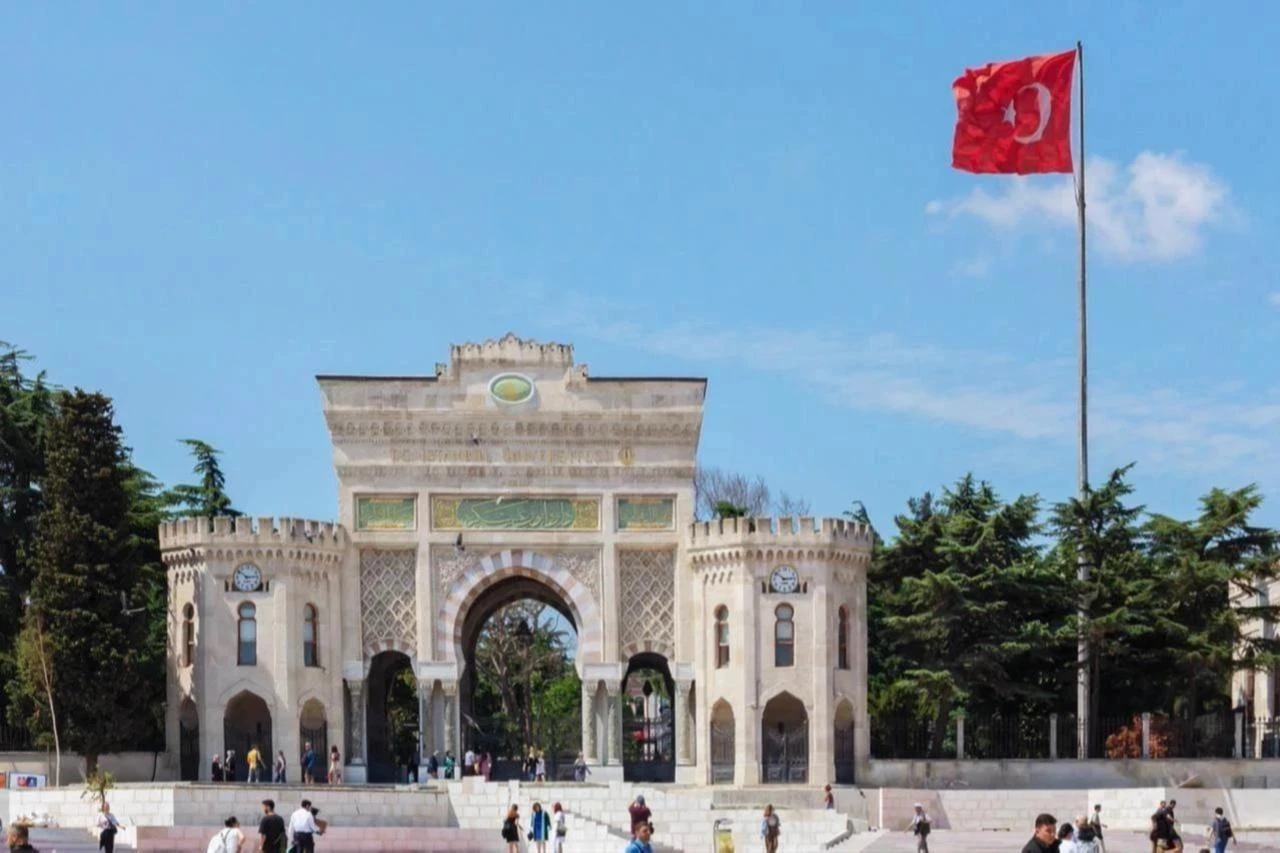


In a policy development that received little public attention but may have significant practical consequences for thousands of international graduates, Türkiye’s Directorate of Migration Management has introduced a new administrative practice that effectively extends the amount of time certain foreign graduates may legally remain in the country after completing their studies.
The change does not amend the Law on Foreigners and International Protection (Law No. 6458). Instead, it reflects a new interpretation of the existing legal framework designed to better align Türkiye’s immigration policy with its higher education and labor market objectives.
Until now, Article 31/1(i) of Law No. 6458 allowed international students who completed higher education in Türkiye to apply—within six months of graduation—for a one-time short-term residence permit valid for up to one year. The wording of the law appeared straightforward, and in practice graduates generally understood that this permit represented their only post-graduation residence option unless they qualified for another immigration category, such as a work permit or family residence permit.
The directorate’s latest instruction introduces a notable degree of flexibility.
Graduates who have already obtained this one-year post-graduation residence permit may now submit a new application either during the validity of that permit or within 90 days after its expiration. If they continue to satisfy the general conditions for a short-term residence permit under Article 32 of Law No. 6458, they may be granted an additional one-year residence permit under Article 31/1(g), the provision generally reserved for foreigners who are required to remain in Türkiye due to the request or decision of judicial or administrative authorities.
In practical terms, this means eligible graduates may now remain in Türkiye for a total of up to two years following graduation without immediately transitioning into another immigration category.
The legal mechanism chosen by the directorate is particularly interesting.
Rather than attempting to reinterpret the explicit limitation in Article 31/4—which restricts residence permits issued under Article 31/1(i) to a maximum of one year and to a single issuance—the administration relies on a different legal basis within the same article. By issuing the second permit under Article 31/1(g), authorities avoid contradicting the statutory limitation while still achieving the broader policy objective of retaining qualified international graduates.
From an administrative law perspective, this represents an example of using existing legal discretion to accomplish policy goals without requiring legislative amendment.
The policy rationale accompanying the circular is equally noteworthy.
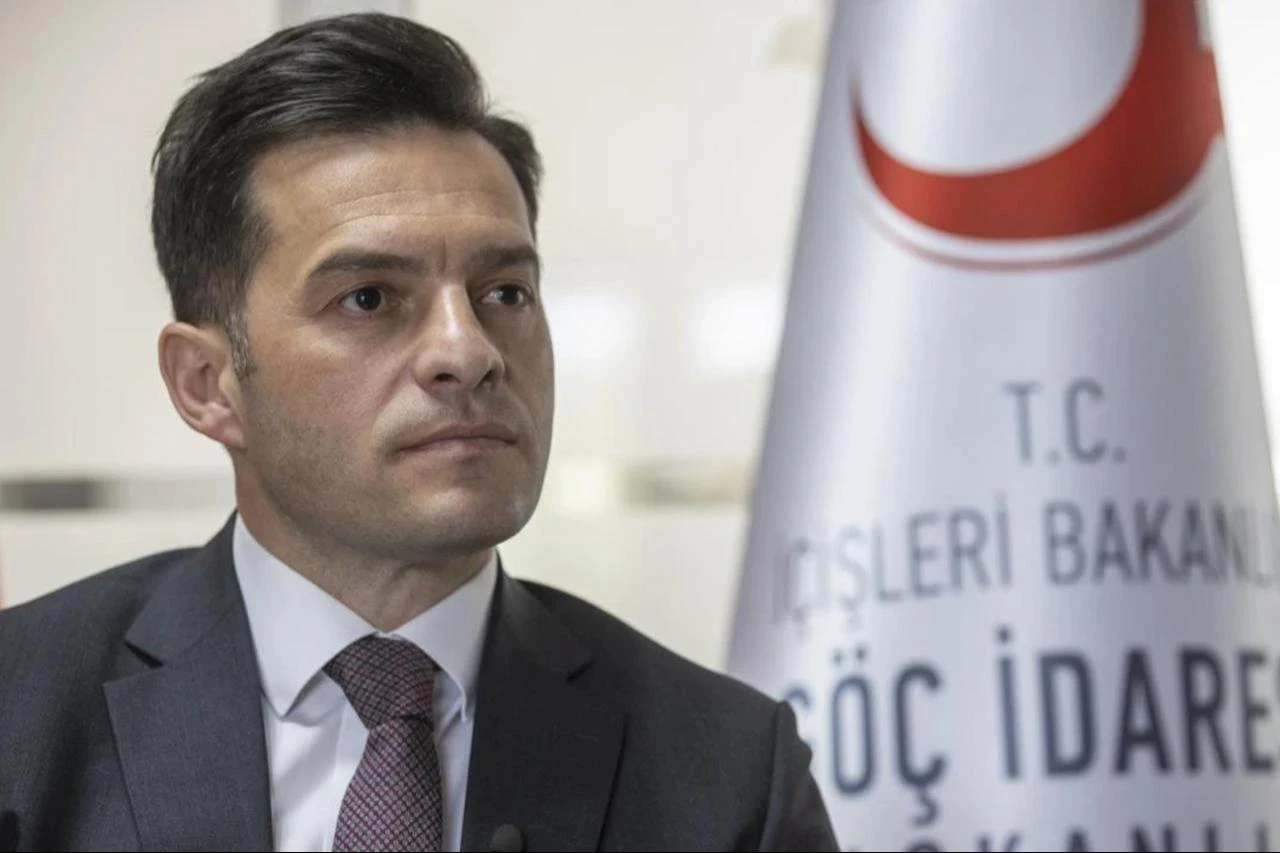

The directorate expressly states that the measure aims to allow international graduates to continue master’s or doctoral studies, pursue academic and scientific activities, improve access to employment opportunities matching their qualifications, address labor market needs in sectors requiring skilled personnel, and strengthen long-term economic, cultural, and social ties between Türkiye and the countries of origin of these graduates.
These objectives mirror trends observed across many Organization for Economic Cooperation and Development (OECD) countries, where governments increasingly view international students not merely as temporary visitors but as potential long-term contributors to national economies.
Türkiye has historically attracted hundreds of thousands of international students, particularly from Central Asia, the Middle East, Africa, and the Balkans. However, one recurring challenge has been the relatively limited transition period between graduation and entry into professional employment. Many graduates have struggled to secure employment or obtain employer-sponsored work permits before their post-graduation residence rights expired.
Providing an additional year may substantially improve this transition.
Graduates seeking skilled employment often require several months to navigate recruitment processes, obtain diploma equivalency where necessary, complete Turkish language training, or secure positions aligned with their academic qualifications. A longer legal stay reduces pressure on both graduates and employers while potentially increasing graduate retention.
It is equally important, however, to understand the limits of the new policy.
The additional residence permit is not automatic. Applicants must still satisfy the general eligibility requirements under Article 32 of Law No. 6458, and the administration retains discretion when assessing individual applications. Furthermore, the circular applies specifically to graduates who already received the initial one-year residence permit under Article 31/1(i). It does not create a new right for graduates who failed to submit their original application within six months of graduation.
For universities, international education offices, and immigration practitioners, the circular provides clarification and creates a more predictable post-graduation pathway for foreign students planning their careers.
While the change may appear modest on paper, administrative decisions of this nature often have consequences extending well beyond immigration law. They influence international student recruitment, university competitiveness, employer access to global talent, and Türkiye's attractiveness as a destination for higher education.
At a time when many countries compete intensely to retain educated international graduates, extending lawful post-study residence—even through administrative interpretation rather than legislative reform—signals an increasingly pragmatic approach to migration management.


 Set as preferred source
 Set as preferred source



 2 min read