Newsletters


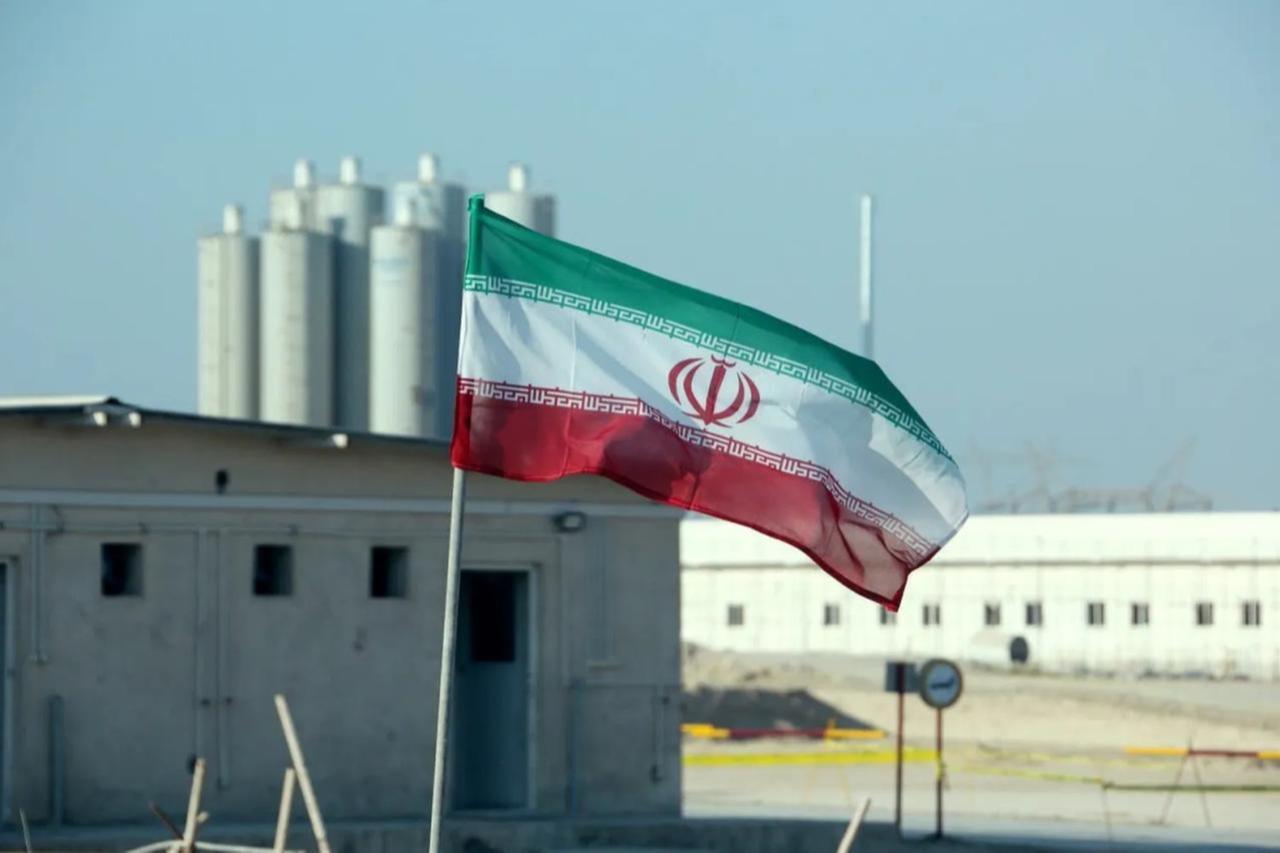


Türkiye has allegedly offered to take custody of Iran's stockpile of enriched uranium as part of diplomatic efforts to prevent a potential US military attack on Iran, according to Israeli media reports.
A senior Turkish official reportedly told Haaretz that Istanbul may propose transferring Iran's enriched uranium to Türkiye with a pledge that the material would never be returned to Iran. The proposal targets approximately 440 kilograms of uranium enriched to 60 percent purity, along with other stockpiles, as Tehran faces mounting pressure from the Trump administration over its nuclear program.
President Recep Tayyip Erdogan is leading mediation efforts between Washington and Tehran as US military forces build up in the region. Erdogan has proposed dividing discussions with Iran into separate chapters to develop gradual agreements rather than pursuing a comprehensive deal all at once, according to Turkish sources who reportedly talked to Haaretz.
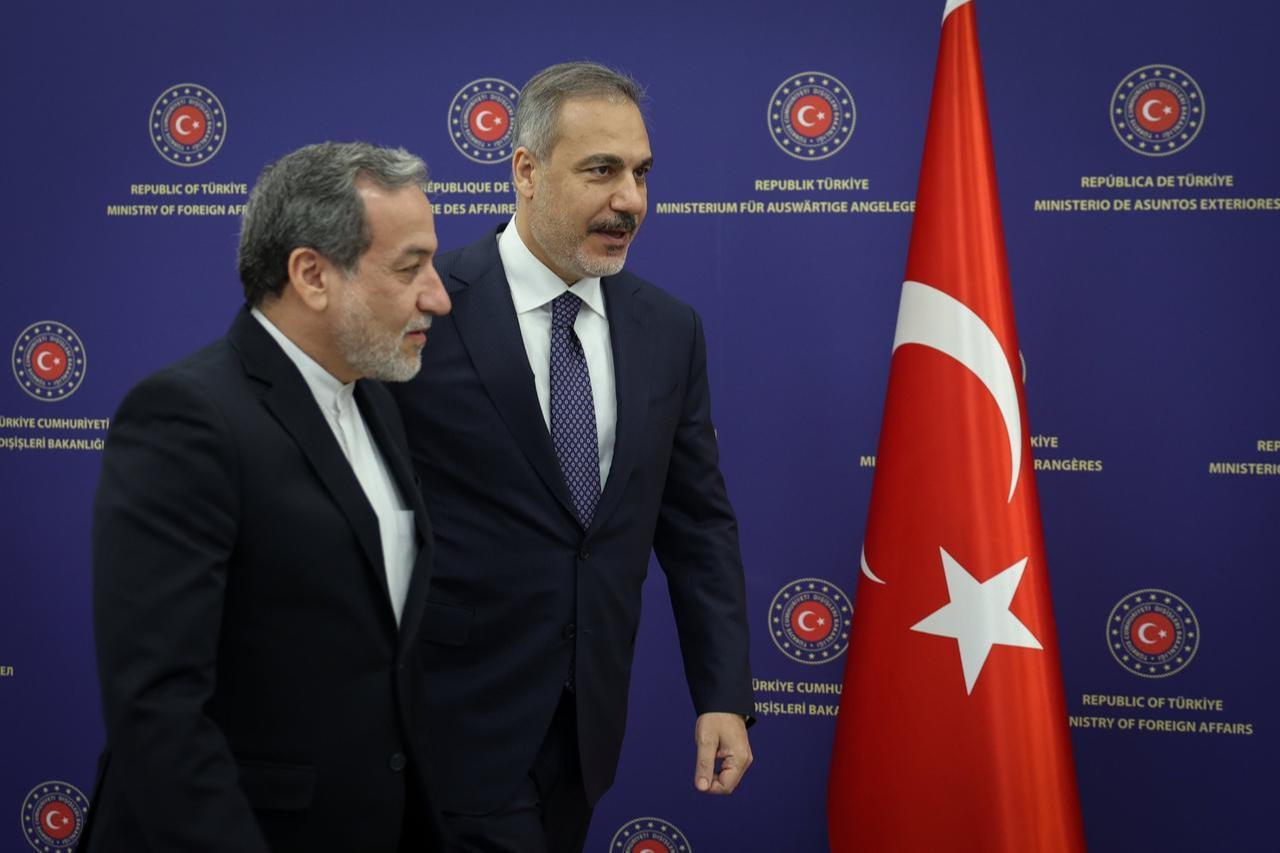

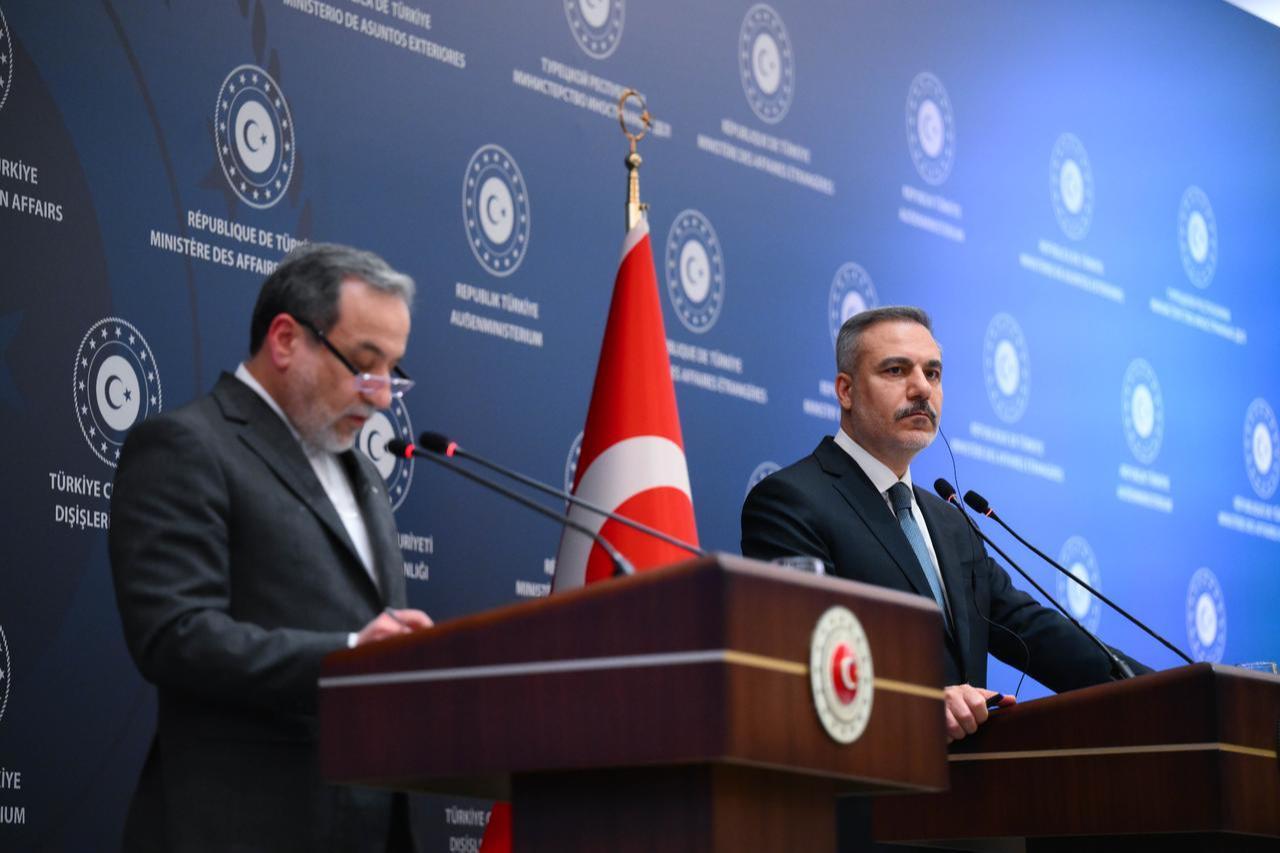
Foreign Minister Hakan Fidan met with his Iranian counterpart Abbas Araghchi in Istanbul on Friday, where Türkiye declared its opposition to any military action against Iran. Erdogan has offered to host a three-way video meeting with Iranian President Masoud Pezeshkian and Trump, though such an event appears unlikely.
"The way to reach a solution is to act step by step," Fidan said last week, outlining Türkiye's proposed approach to negotiations.
The Turkish official told Haaretz that given Trump's close relationship with Erdogan, the US president may view Türkiye as a more reliable custodian for Iranian uranium than Russia, which has also offered storage services. "Against the backdrop of his close relationship with Erdogan, Trump may see Turkey as a more reliable entity than Russia," the official said.
Türkiye has previous experience with similar arrangements. In 2010, Türkiye, Brazil and Iran signed an agreement for the shipment of 1,200 kilograms of uranium enriched to 3.67 percent to Türkiye in exchange for nuclear fuel rods meant for research. However, leading members of the International Atomic Energy Agency opposed the deal, leading to its cancellation.
In late 2015, as part of the nuclear agreement between Iran and world powers, Russia took possession of approximately 11,000 kilograms of low-enriched Iranian uranium.
Iran has signaled some openness to negotiations on nuclear issues while maintaining firm red lines on other matters. "Iran's defense and missile capabilities will never be subject to negotiation," Araghchi declared, suggesting Tehran would find it difficult to offer concessions on its ballistic missile program, which it considers essential to its defense network.
An Arab coalition including Saudi Arabia, Qatar, Oman and Egypt is exerting pressure on both Trump and Iranian leadership to resume negotiations. However, mixed signals from Riyadh have complicated the diplomatic landscape.
Saudi Defense Minister Prince Khalid bin Salman told representatives of think tanks and Jewish organizations on Friday that if Trump doesn't follow through on his threats against Iran, "it will only embolden the regime." He added that any US attack should mitigate the risk of regional escalation.
These remarks appear to contradict the public stance of Crown Prince Mohammed bin Salman, who opposes an attack on Iran and seeks a diplomatic solution. Last Tuesday, the crown prince assured Pezeshkian in a phone call that Saudi Arabia would not allow the United States to use its airspace for an attack on Iran.
US Secretary of State Marco Rubio addressed the potential collapse of Iran's regime cautiously when questioned in the Senate Foreign Relations Committee on Wednesday. "You're talking about a regime that's in place for a very long time, so that's going to require a lot of careful thinking, if that eventuality ever presents itself," Rubio said.
Trump has credited Erdogan with solving multiple regional crises, including Hamas' shift on hostages in Gaza, mediation in the Russia-Ukraine wheat agreement, and recent developments involving Syrian leadership. Iran's willingness to channel secret talks with the United States through Türkiye suggests Tehran may view Ankara as a more effective mediator than Saudi Arabia, particularly given the mixed messages from Riyadh.
The Turkish official noted that advancing a diplomatic solution will require concrete concessions from Iran beyond what has been offered so far.


 Set as preferred source
 Set as preferred source


 1 min read
 1 min read