Newsletters


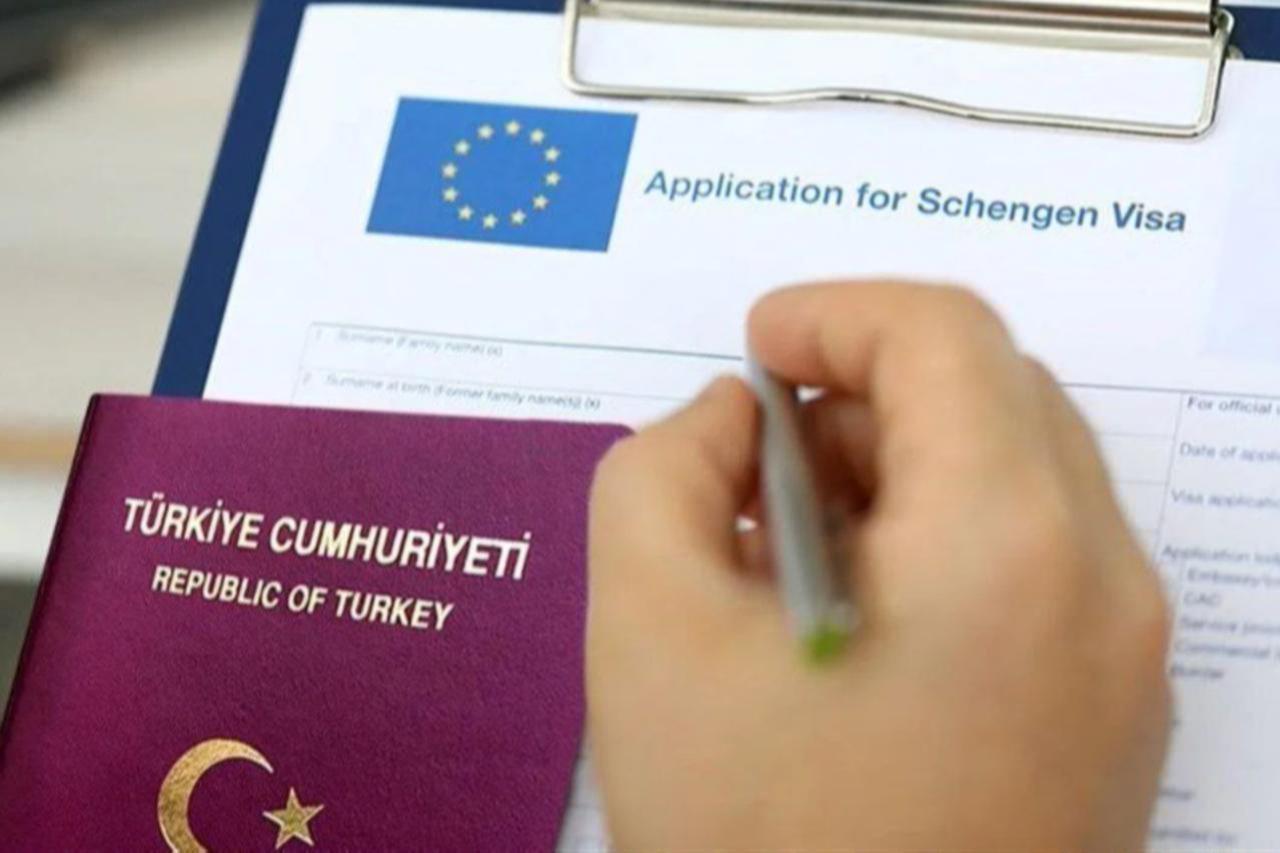


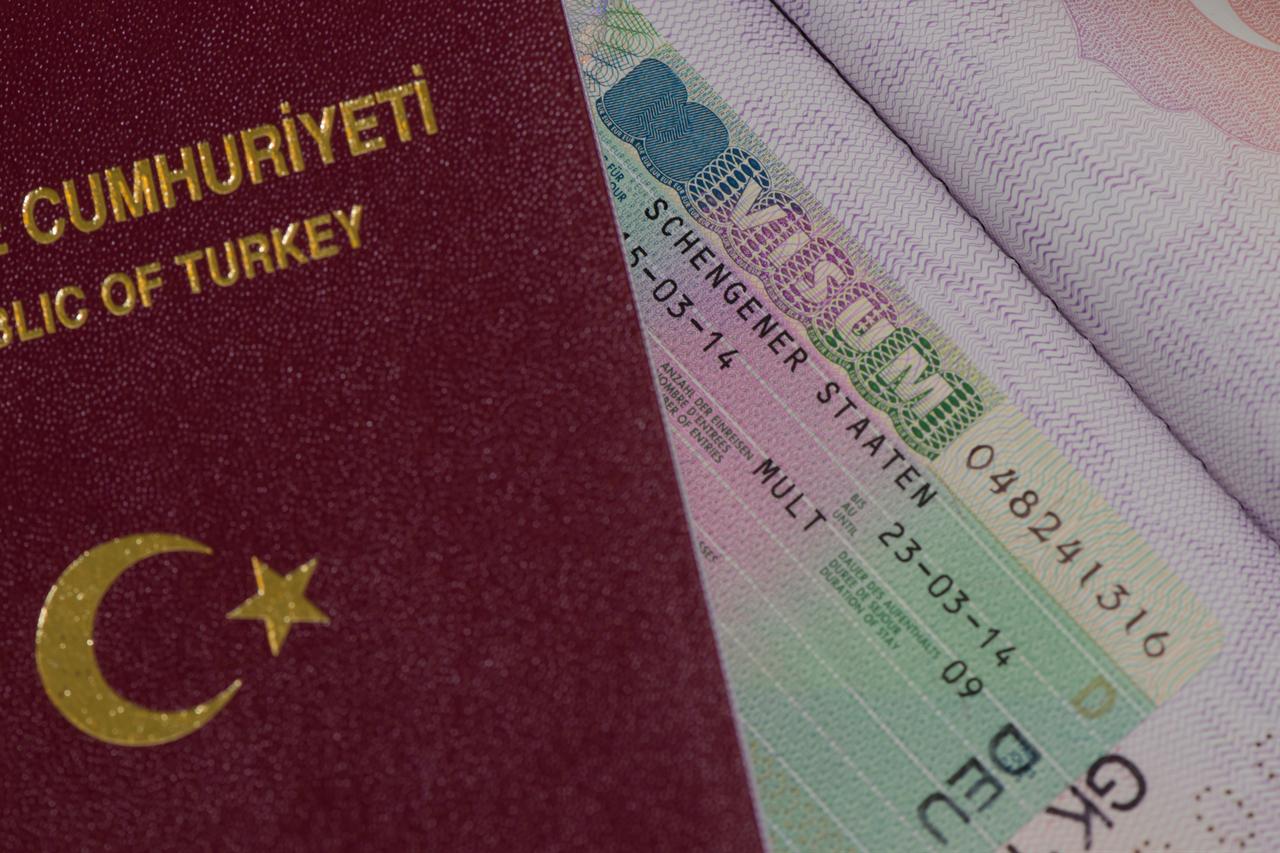
Türkiye's Trade Ministry has launched investigations into seven companies that offer Schengen visa application services, following allegations that the firms used automated bot software to monopolize appointment slots and extract illegal profits from applicants.
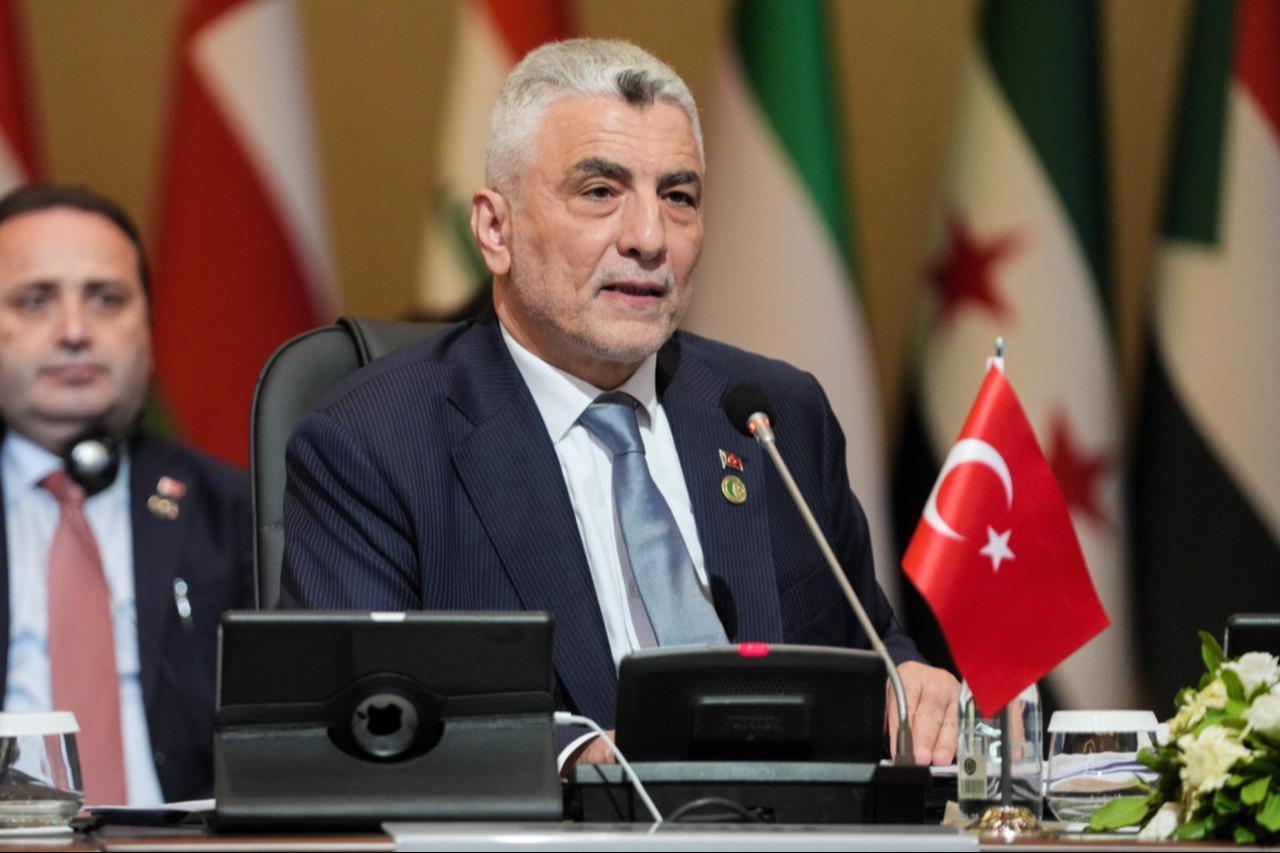
Trade Minister Omer Bolat confirmed the probes in a written response to a parliamentary question submitted by Elif Esen, a lawmaker from the Yeni Yol Party representing Istanbul.
Six of the seven companies were placed under investigation on the ministry's own initiative.
The investigations are being conducted by the Advertising Board under Articles 61 and 62 of Law No. 6502, which governs consumer protection and covers deceptive advertising and unfair commercial practices.
Minister Bolat noted that regulatory action in this sector is not new. As of 2023, one company was ordered to halt advertisements deemed deceptive or misleading to consumers under Article 61 of the same law, while a second company received both a suspension order and administrative fines. The seven companies currently under review represent an expansion of that scrutiny.
The minister acknowledged that no specific regulatory framework currently exists governing how visa intermediary firms price their services, set refund conditions, or fulfill their disclosure obligations to consumers, a gap that has left applicants with limited formal protections.

Consumer grievances against visa intermediary services have accumulated steadily. Over the past five years, Turkish consumers submitted 143 complaints through the government's public petition system, and 10 through the e-Government portal. Those complaints were directed toward dispute resolution mechanisms available under Law No. 6502.
The volume of cases reaching arbitration panels tells a broader story. Bolat stated that consumer arbitration boards received 1,187 applications over the same five-year period targeting visa intermediary firms, underscoring the scale of dissatisfaction among applicants.
Some complaints alleged that payments were collected through personal bank account numbers, with no invoices issued, a practice that raises tax compliance concerns. Those cases were forwarded to the Ministry of Treasury and Finance as well as the Ministry of Foreign Affairs.
Demand for Schengen visas has surged in recent years as European travel rebounded following the pandemic, placing appointment systems under significant strain.
Intermediary firms that exploit automated tools to acquire and resell scarce appointment slots have become a growing problem across multiple countries, prompting calls for tighter oversight from both consumer advocates and governments.
The Schengen Area, comprising 29 European countries, requires non-EU nationals, including Turkish citizens, to obtain visas for short stays, making appointment availability a critical bottleneck for millions of applicants each year.


 Set as preferred source
 Set as preferred source


 1 min read

 1 min read