Newsletters


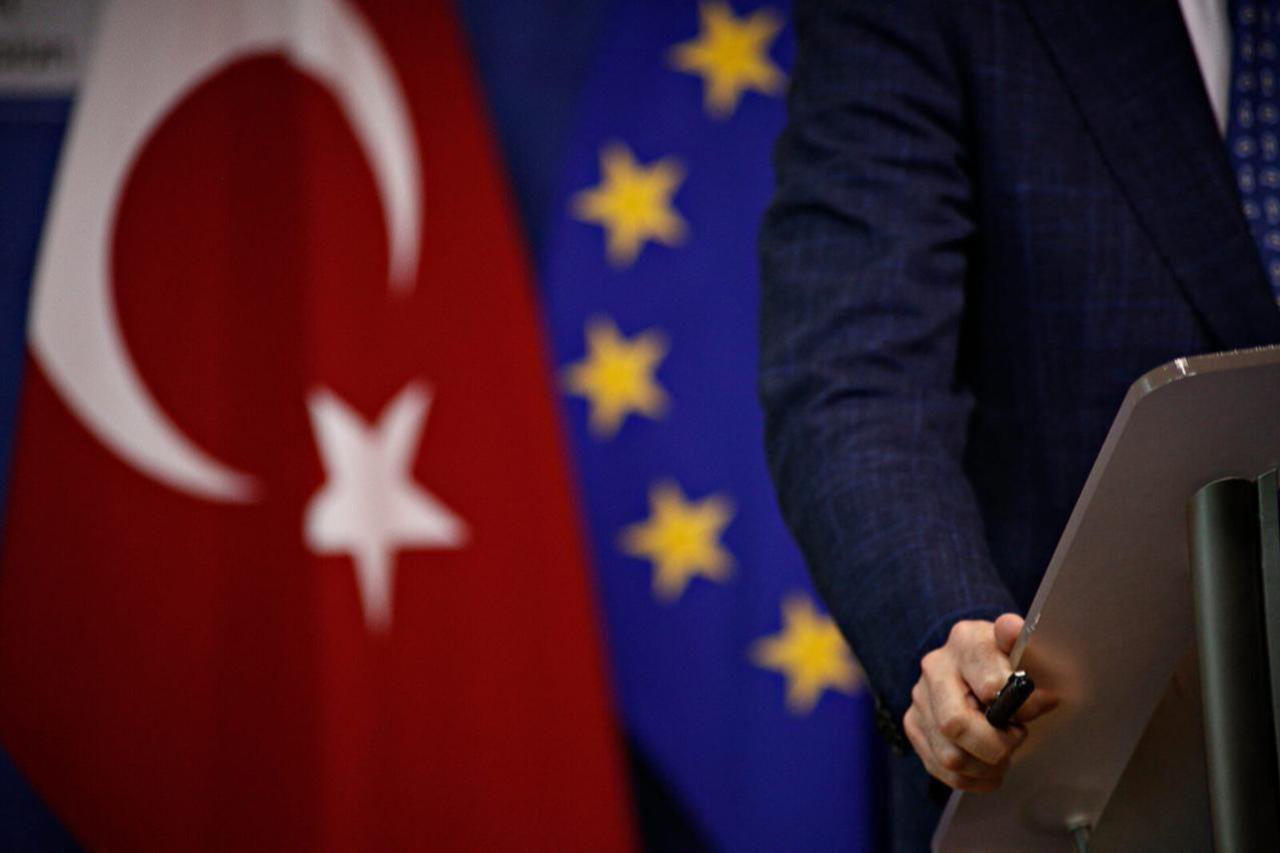


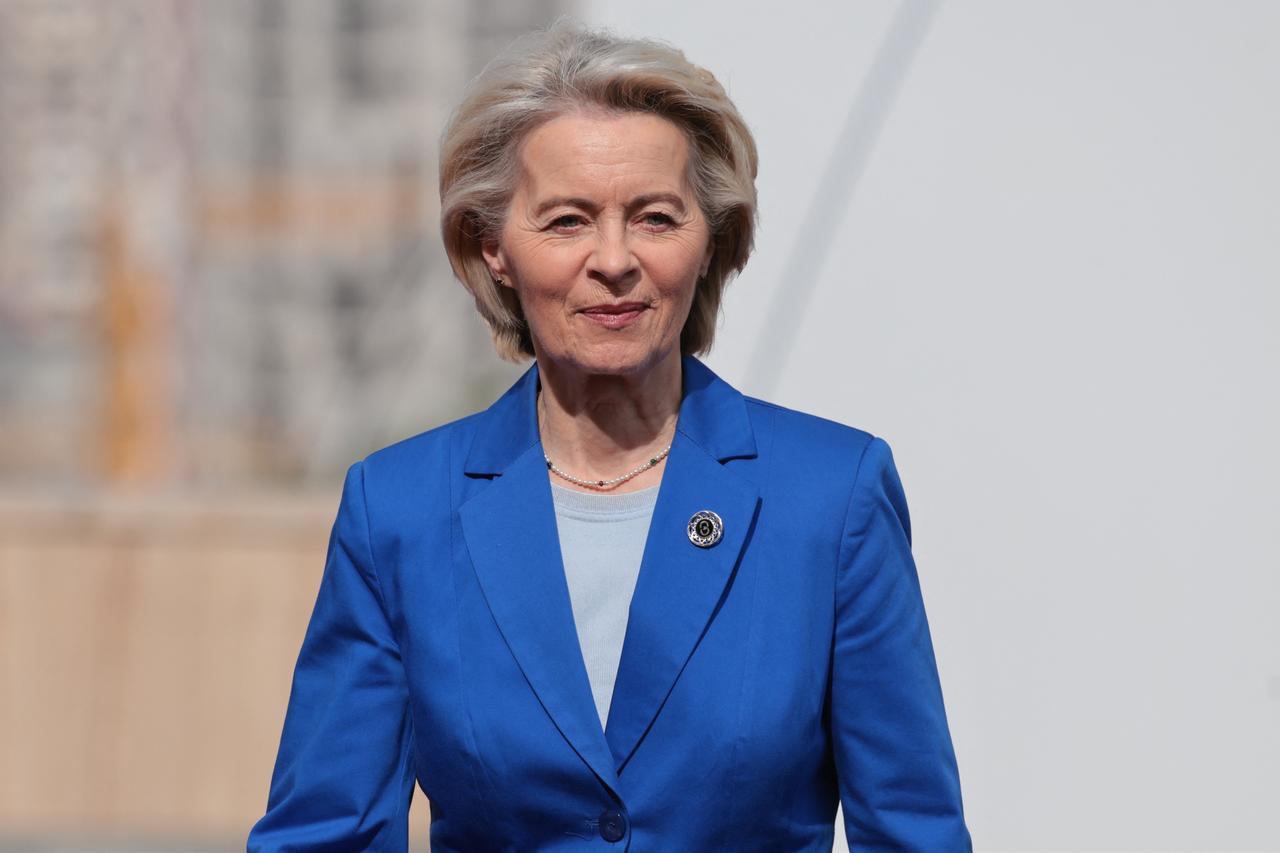
The recent comments by European Union Commission President Ursula Von der Leyen, who put Türkiye together with China and Russia, prompted discussion about how Brussels views Ankara.
Regardless of the intention of von der Leyen, the EU-Türkiye relations remain in a deadlock for at least a decade to the comfort of both sides. Turkiye is, in practice, unwilling to reignite the reform process. On the other hand, the EU is implicitly content with that, as a Turkiye advancing towards fulfilling membership requirements would put the European politicians in a difficult situation.
However, I am not here to argue for or against any of that.
Personally, I would support Türkiye’s full membership if I were given a vote in a referendum. Unfortunately, I find such a debate irrelevant. That is because the EU will not be able to offer full membership to Türkiye in the foreseeable future. That is at least a couple of decades.
Even if Türkiye writes an extraordinary success story in the coming years—and there is considerable political will on both sides—the ongoing identity and immigration issues in Europe will easily derail Türkiye’s full membership. Just a scapegoat right-wing party in a member state, taking Turkish accession to a referendum would be enough.
We have already seen this phenomenon in the Brexit referendum when the Brexiteers presented Türkiye’s candidacy as a potential threat. The late Jacques Chirac had promised such a referendum to the French people in 2004. It would be naive to assume that none of the 27 members of the EU would choose a similar path in the future. A large country like Türkiye should not lead its European policy through such a minefield.
So, is there an alternative? After all, a proud country like Türkiye cannot remain an eternal candidate.
Perhaps such a long candidacy is useful as a freezer to put problems away. However, it is costly. Today, the Turkish economy is increasingly in need of updating a 30-year-old customs agreement. The Turkish people are being humiliated by the Schengen visa process. It has become a challenge to even reserve an appointment. Turkiye also tries to find itself a place in the emerging European defense system.
Against all these troubles, I believe a special or privileged framework, as coined by Angela Merkel, could be the answer.
Türkiye could resolve the pressing issues with the EU under such a package. First of all, Turkiye needs to update the customs union with the EU. The current customs union covers only industrial and processed agricultural products. The Turkish economy would benefit greatly if the scope of the agreement were broadened to include all agricultural products, services, e-commerce, and public procurements.
Türkiye also needs to become a party to the new and more comprehensive trade deals the EU has been signing in recent years.
Secondly, Türkiye seeks visa-free travel to the Schengen area. Extended waiting times and increasing refusal rates have been hurting Turkish students, businesspeople, and professionals.
Thirdly, Türkiye, as a non-EU NATO country, would like to join the common EU defense framework, which might one day play a much bigger role in European defense.
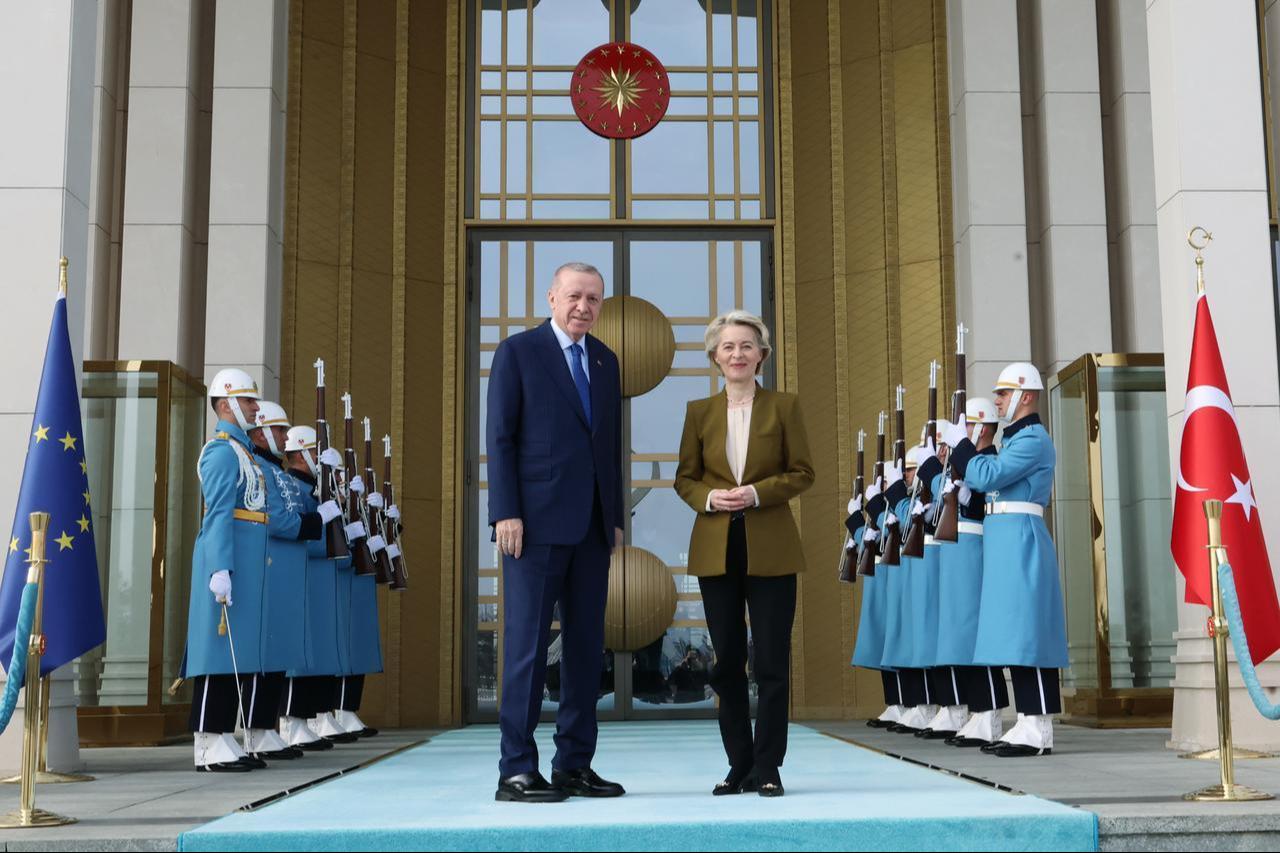

Türkiye can get a good deal in all of these areas and keep the privileges of the EU candidacy permanently with such a deal. That deal would also help advance Türkiye’s democracy and anchor it to European values.
Türkiye could also refrain from certain disadvantages of full EU membership this way.
First of all, the principle of freedom of movement would negatively affect Türkiye. The country is already facing an emigration problem. Türkiye is undergoing a rapid demographic shift toward an aging population, and the birth rates are falling more quickly than previously expected. A full member Türkiye might lose a fraction of its young and talented people to the other EU countries. Greece is in a similar situation now, and Türkiye could face the same issue if it were to become a full member.
Secondly, Türkiye has a wide spectrum of special relations across the Greater Middle East, Caucasus, and Central Asia. Being an EU member could limit Türkiye in certain ways in its relations with those countries. For instance, a Türkiye within Schengen might have to impose visas on some countries, hurting its tourism industry and cultural ties. On the other hand, the EU would not have to absorb such a large country, which would hold a large number of seats in EU institutions due to its large population.
In the final analysis, Türkiye and the EU can solve some of the most important issues in their relations while avoiding certain limitations and difficulties of full membership for each other.
Whatever future agreement both sides reach, Türkiye should never let the 1963 Ankara Agreement be annulled, which is the legal basis of Türkiye-EU relations and Türkiye’s place in the European political sphere.
Would a special status for Türkiye in the EU be a better outcome than full membership? Probably not, but given the circumstances, it can be the best possible outcomefor now.


 Set as preferred source
 Set as preferred source


 1 min read
 1 min read