

 Newsletters


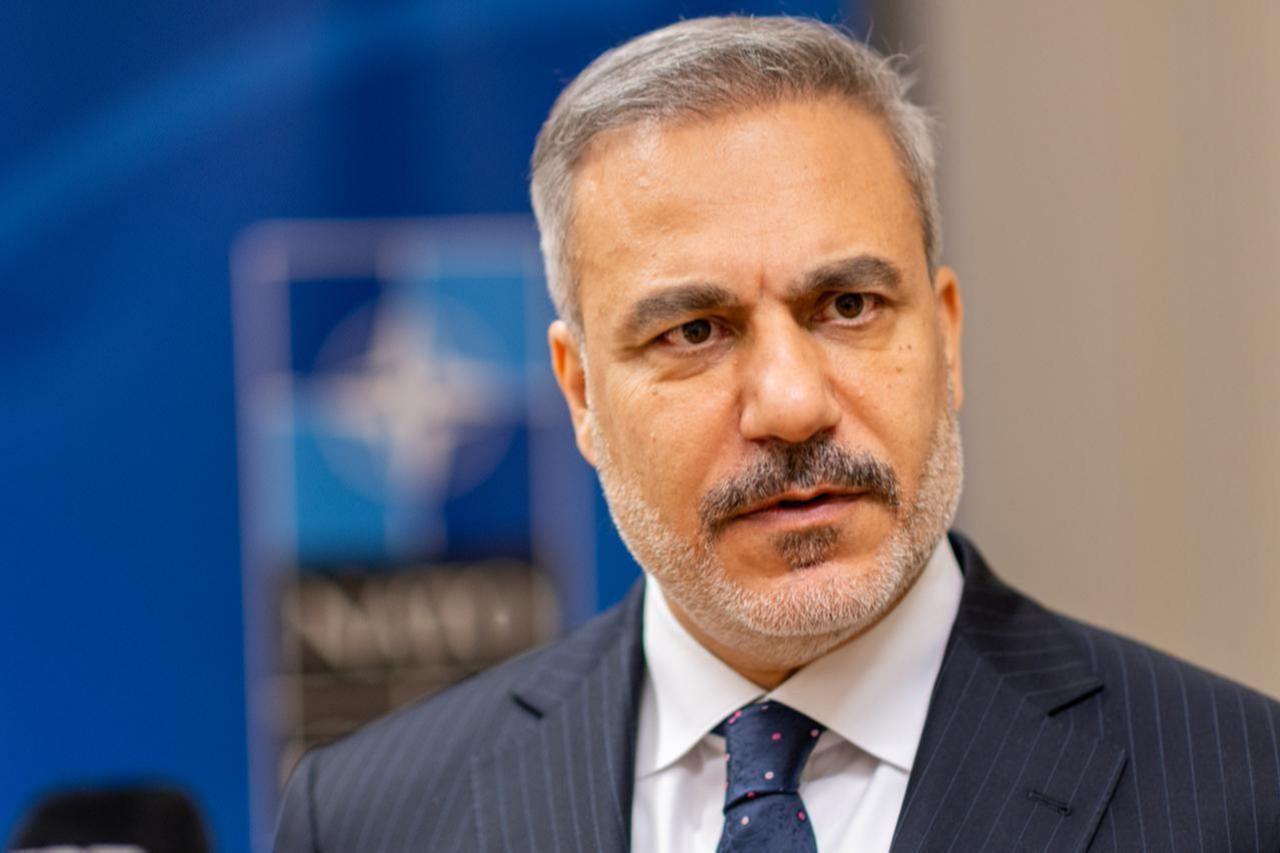


Foreign Minister Hakan Fidan outlined an ambitious vision for regional security cooperation Thursday, proposing that major European powers including the United Kingdom, France and Germany join with Ankara to create an independent security architecture less reliant on American protection as questions mount about the future of NATO and the broader Western alliance.
In a wide-ranging interview with Al Jazeera conducted in the Turkish capital, Foreign Minister Hakan Fidan addressed conflicts stretching from Syria to Ukraine while arguing that middle powers must band together to avoid being marginalized in an increasingly fractured global order. His comments come as tensions grow within the transatlantic community over Russia policy, trade tariffs, and American engagement in European security, with some major European countries now speaking openly about self-reliant defense structures.
"We can create our own center of gravity in this region," Fidan said, suggesting that European nations need collective security capacity to avoid "orbiting on different powers' center of gravity." He warned that without such capabilities, European countries risk being pulled toward competing spheres of influence from the United States, China or Russia rather than charting their own strategic course.
The minister framed his proposal as a response to shifting American foreign policy priorities under President Donald Trump, including possible disengagement from European security structures, disputes over Greenland, and new tariff policies that are straining transatlantic relations. While describing NATO as the primary framework for transatlantic security cooperation that serves both European and American interests, Fidan suggested the alliance's future effectiveness depends on avoiding internal divisions.
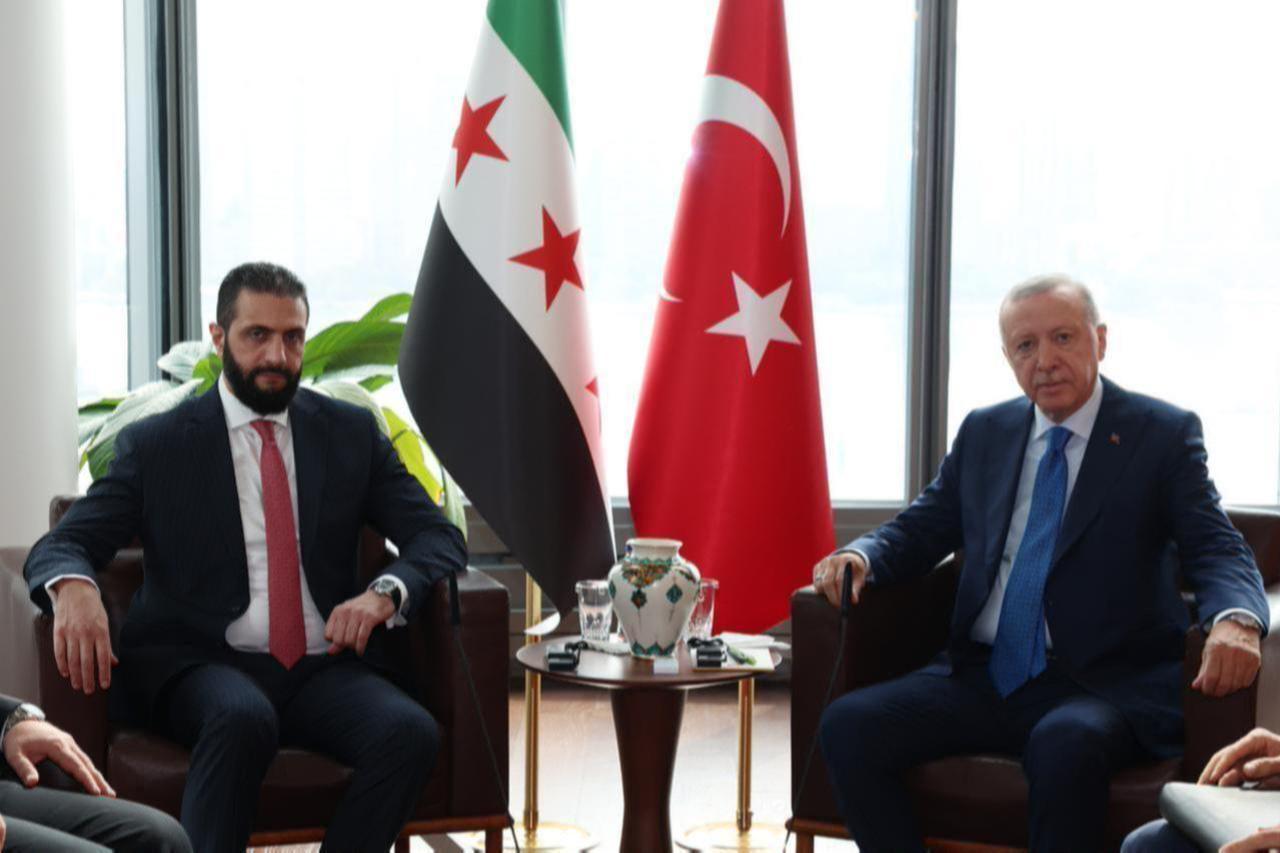

Fidan described Syria as a point of convergence rather than tension with Washington, marking a significant shift after more than a decade of disputes over American support for SDF/YPG that Ankara views as terrorists. He credited the Trump administration's foreign policy objectives with creating opportunities for alignment, expressing support for American efforts to bring ceasefire to Gaza, end the Russia-Ukraine war, and establish responsible governance in Damascus.
The minister expressed support for American efforts to transfer Daesh prisoners from Syria to Iraq under a ceasefire agreement between SDF terror organization and the Damascus government, saying Ankara is working to facilitate the operation. He described the largely holding ceasefire as a significant development that deserves international support.
"Whatever the parties they reach an understanding, we support it because as long as they agree on certain principles, I think it is worth the support in our way," Fidan said, while emphasizing that Türkiye maintains its own concerns and red lines regarding national security interests.
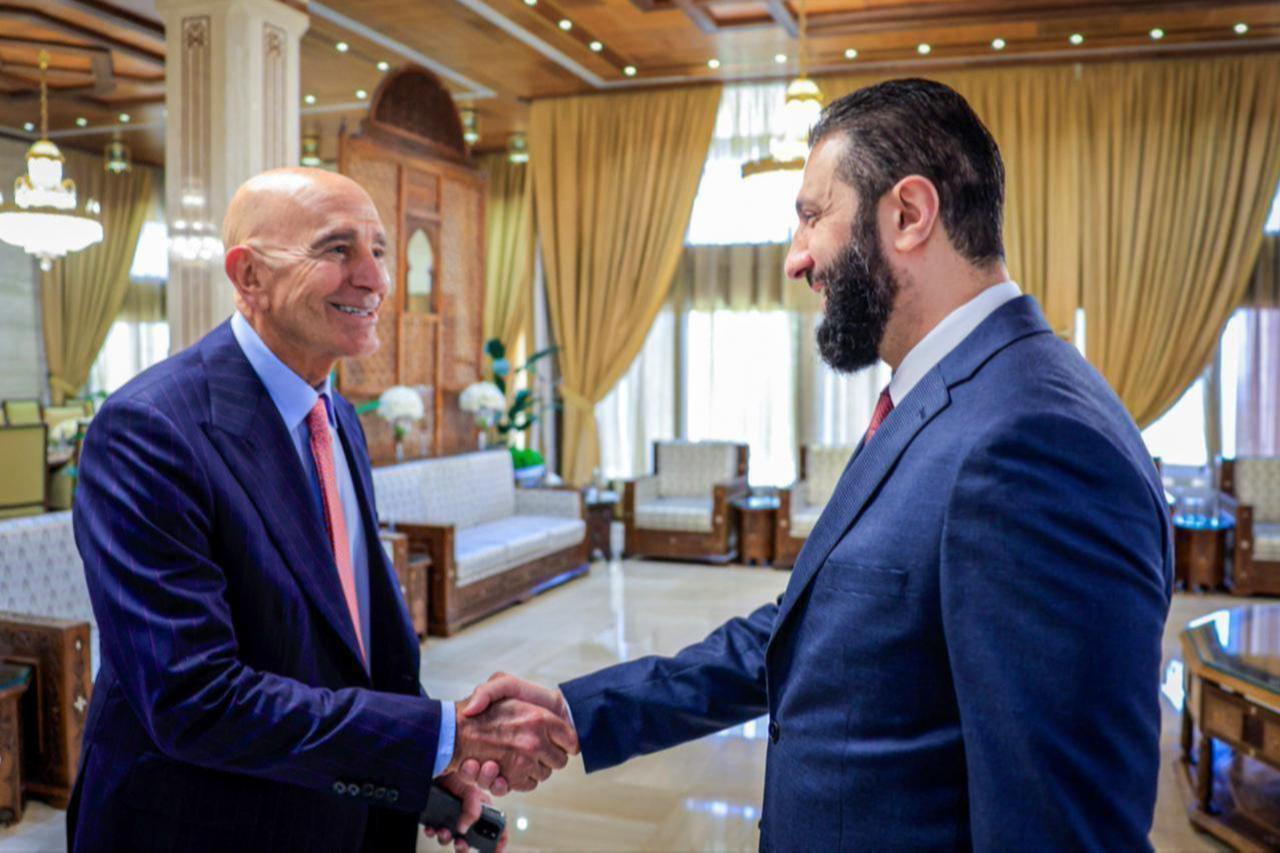
The minister outlined Türkiye's specific demands regarding SDF, which he characterized as essentially an extension of the PKK terrorist organization that operates across four countries including Syria, Iraq, Iran and Türkiye. He called for the departure of non-Syrian PKK elements who were recruited and deployed to Syria, estimating hundreds of such fighters currently operate there with the sole objective of harming Turkish national security interests.
Fidan noted that perspectives between Türkiye and the Trump administration on Syria largely overlap, with both wanting to see the new Syrian administration responsibly address its problems and become a responsible member of the international community. He praised Damascus leader Ahmed al-Sharaa's recent signing of a charter joining the international coalition against Daesh during a Washington visit as meaningful progress in institutional terms.
The minister acknowledged occasional disagreements between Americans and Damascus regarding problems with SDF, saying Türkiye, the United States and Syrian authorities are having extensive discussions to smoothly sort out the issue.
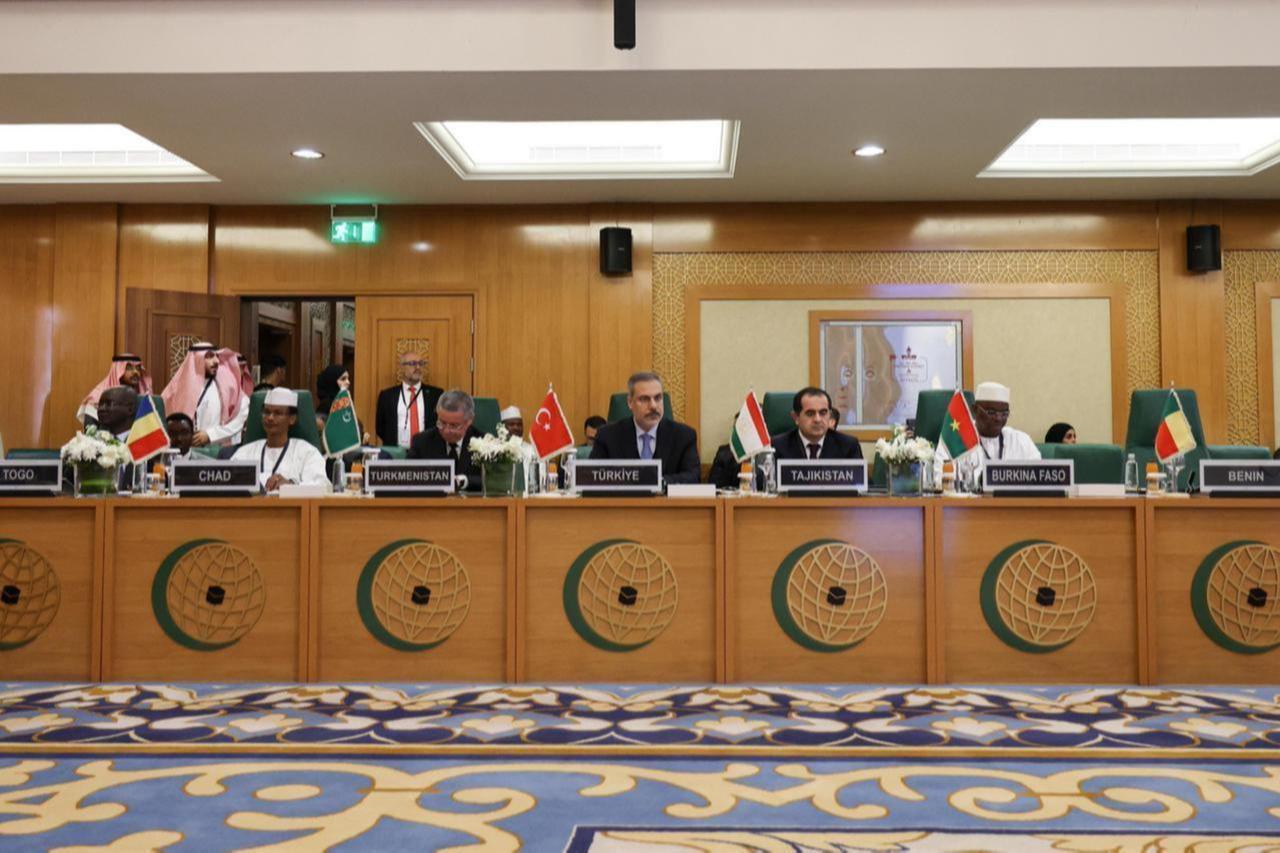
On broader Middle East security, Fidan advocated for inclusive regional cooperation rather than alliance blocs that could prove divisive, arguing that the region's fundamental problem is lack of trust between nation states rather than military threats. He confirmed Türkiye's intention to join a defense pact recently signed between Saudi Arabia and Pakistan, but emphasized such arrangements should evolve to encompass most regional countries rather than creating competing camps.
"Any pact in the region should be more inclusive. This is important. Otherwise, we don't want to be divisive," Fidan said, describing an ideal outcome where initial cooperation between two or three countries expands into an all-encompassing platform including most regional states.
The minister framed this approach as necessary to avoid dependence on external hegemons who he argued often leave situations worse than they found them while demanding significant payment for their involvement. He pointed to historical examples of outside powers intervening in regional conflicts, suggesting that regional countries must develop the capacity to resolve their own problems rather than outsourcing security to distant powers.
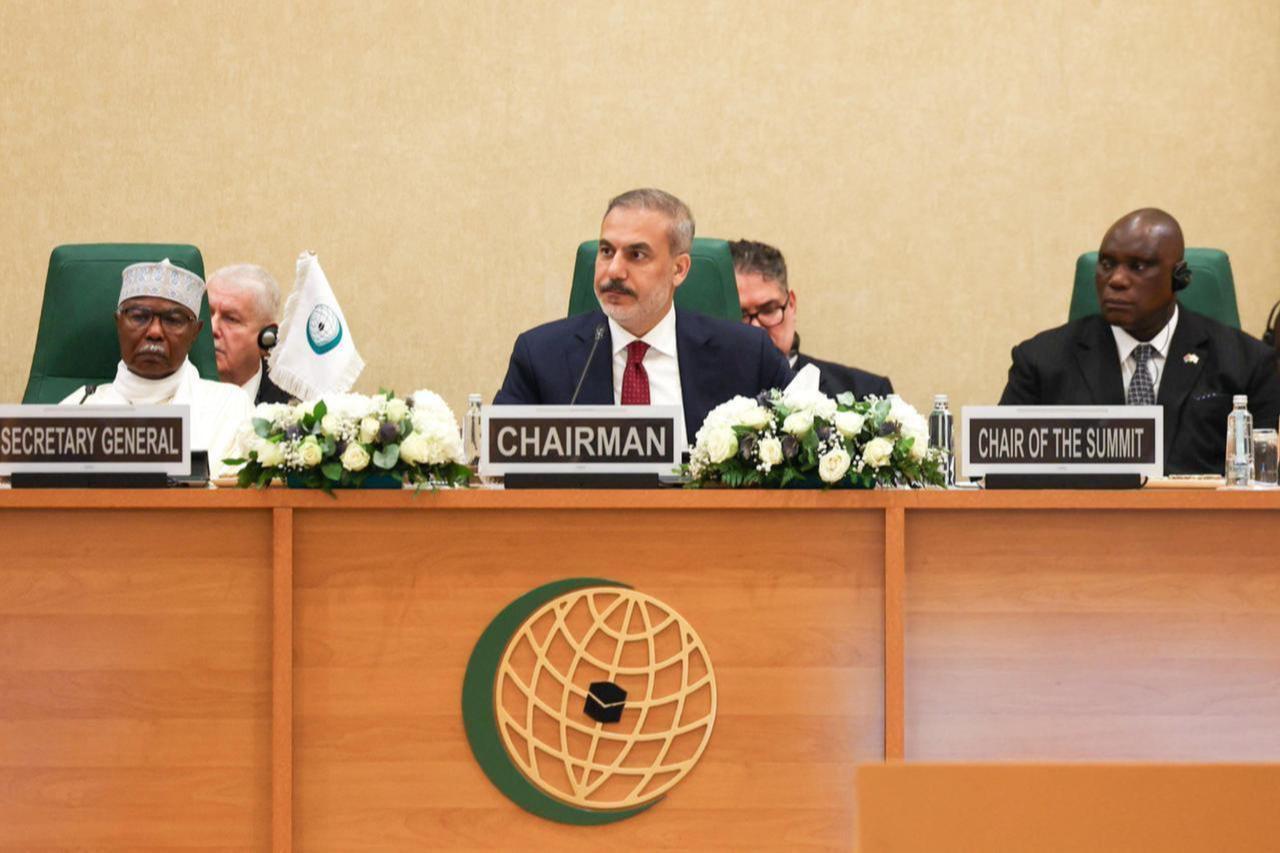
"In the absence of regional solidarity, we always need a hegemon. When the hegemon comes to sort out problems, most of the time when they leave, things they leave behind is worse than when they come," Fidan said, adding that such interventions come with a big cost and often fail to serve the hegemon's national interests either.
The minister described building trust as the primary objective of regional security arrangements rather than creating deterrence against external threats. He drew parallels to European integration, asking why Middle Eastern countries cannot replicate the trust-building process that transformed Europe from a conflict-ridden continent into a cooperative union. His vision emphasized equal partnership with no single power dominating the region, whether Turkish, Arab or Persian.
Fidan positioned Iran as potentially fitting into this regional framework, though he stressed Tehran must build trust with neighboring countries and abandon certain policies. Speaking about his visit to Iran two months ago, he said he spoke frankly with Iranian counterparts about the need to create regional trust, noting that regardless of different ideologies, regimes and sectarian identities, nation states in the region must learn to cooperate since none are going anywhere.
"They need to give up from certain practices, certain policies," he said, while emphasizing Iran's ability and capability to perform a significant regional role if it addresses concerns of neighboring countries.
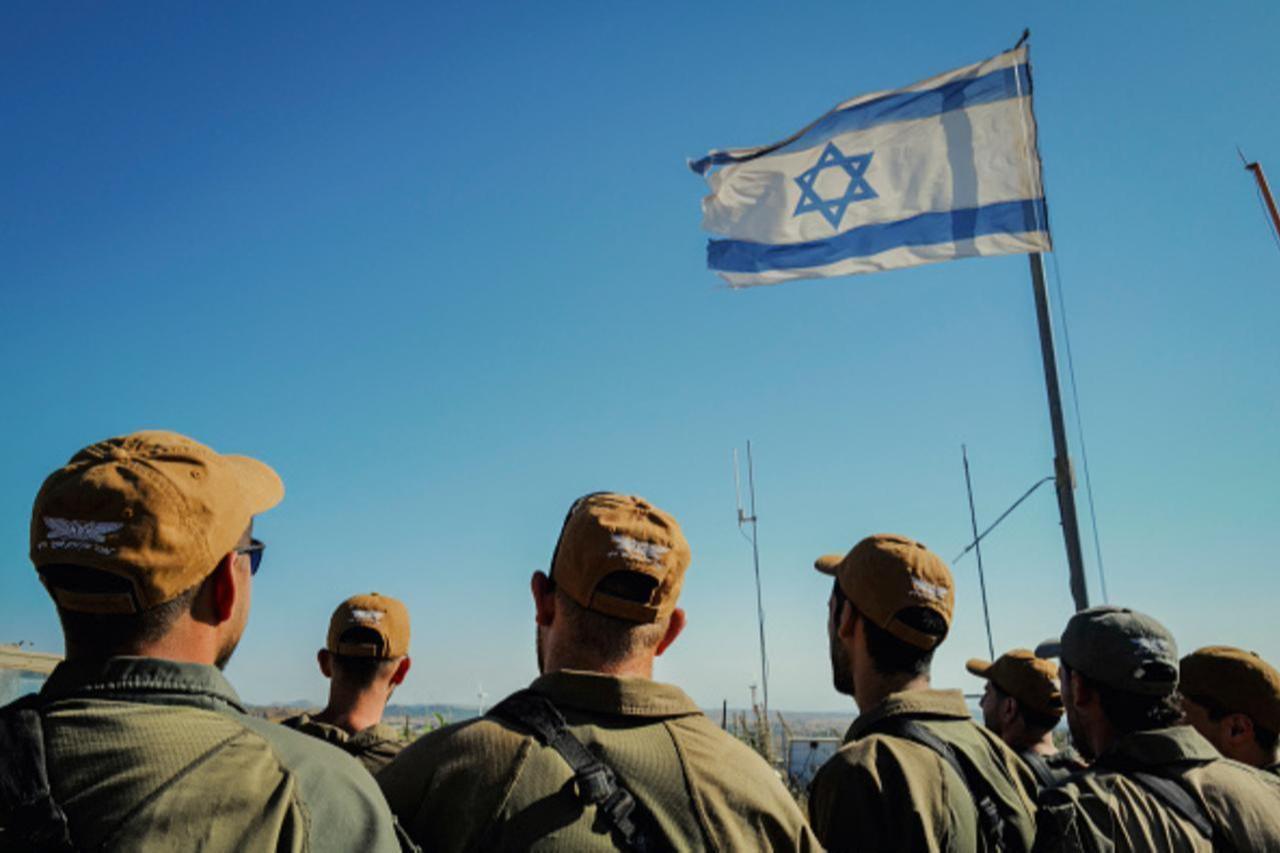
Addressing Türkiye's suspended trade relations with Israel, Fidan characterized the rupture as conditional rather than structural, indicating relations could be restored if Israeli policies change. Ankara cut trade with Israel during the Gaza war, making clear at the time that commerce would not resume as long as the conflict continued and humanitarian aid was blocked from entering Gaza.
"Our problem is not with Israel. Our problem is with the Israeli policies in the region, especially towards the Palestinians, and the recent one especially the genocide in Gaza," Fidan said when asked whether the rupture is structural or conditional.
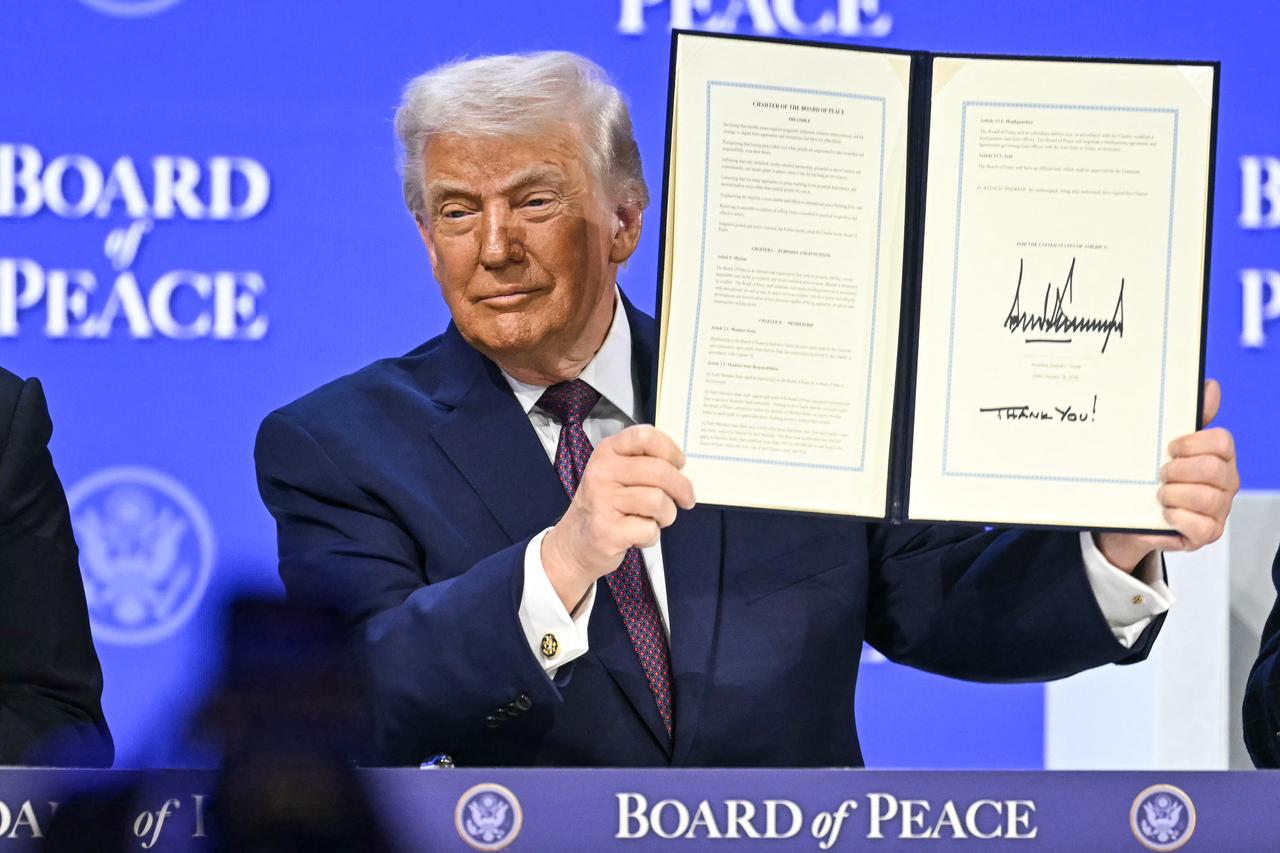
The minister participated in Trump's Gaza peace initiative despite Israeli Prime Minister Benjamin Netanyahu's objections to Turkish involvement. Fidan noted that Netanyahu also opposed Türkiye's participation in the Board of Peace and the inclusion of the Turkish foreign minister in the Gaza Executive Committee, yet Ankara joined because it is a core member of the mediation group alongside Egypt, Qatar and the United States.
On the prospect of deploying Turkish troops to Gaza as part of an international stabilization force, Fidan said Ankara is ready to provide military units if asked, despite Israeli opposition. He described the proposed ISF as important for helping both Israel and Palestinians ensure that neither party attacks the other or violates security agreements, potentially opening a new chapter in the Palestinian question.
The minister pushed back against the notion that Hamas serves as a deterrent to Israeli aggression, arguing that while the organization has resisted occupation, there is no military match between Israeli power supported by American military strength and Hamas capabilities. He described Hamas security forces as adequate for running Gaza and providing local policing but incapable of deterring Israeli military operations, which Israel has conducted whenever it chose regardless of Hamas presence.
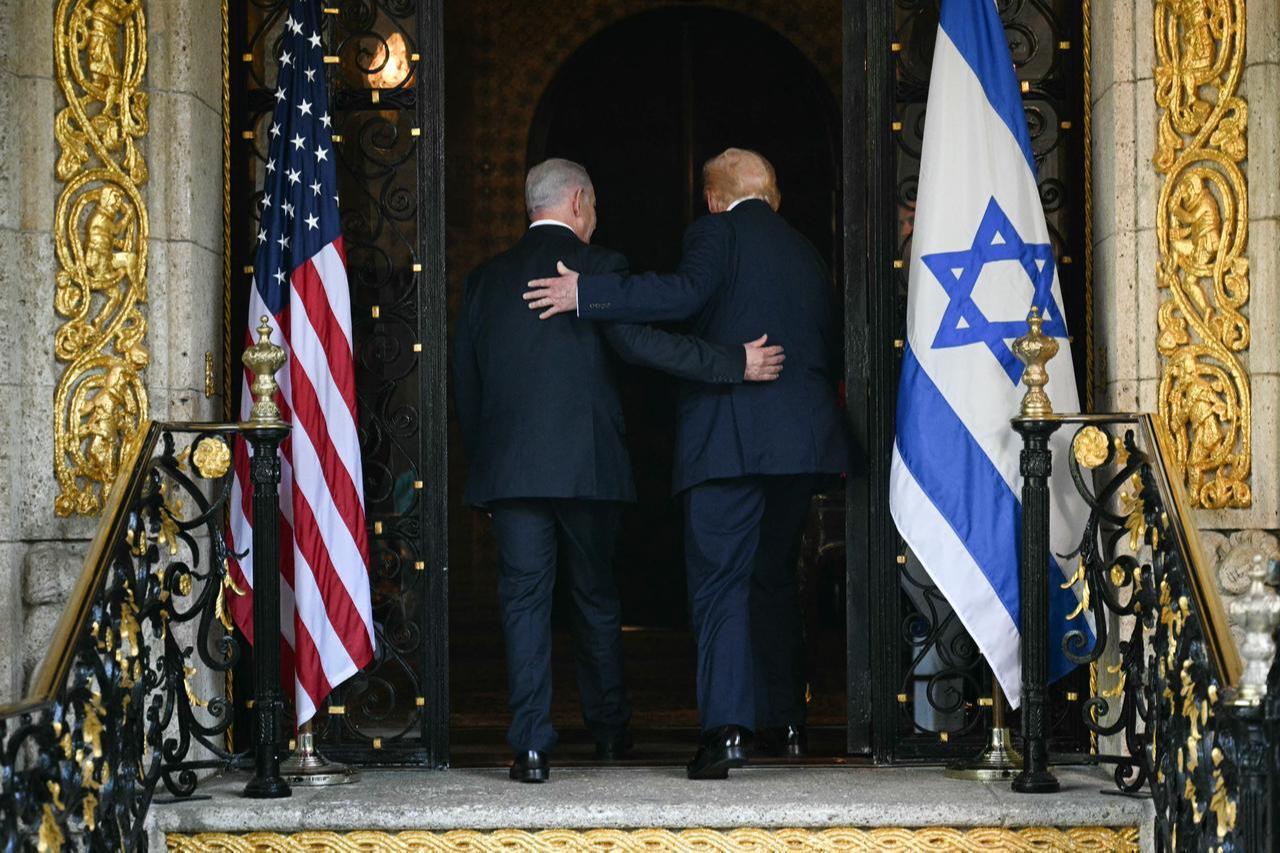
Fidan warned against military strikes on Iran, advocating instead for phased negotiations on contentious issues starting with the nuclear file. While declining to detail the intelligence or indicators behind his recent assessment that Israel may be looking for an opportunity to strike Iran, he said anyone analyzing the situation can easily reach similar conclusions.
"It's wrong. It's wrong to attack Iran. It's wrong to start the war again," Fidan said, noting that Iran is ready to negotiate on the nuclear file.
The minister recommended that American officials close files with Iran one by one rather than demanding a comprehensive package deal covering all contentious issues simultaneously. He suggested starting with the nuclear issue, resolving it, then moving to other matters in sequence rather than bundling everything together in a way that would be difficult for Iranian leadership to digest and potentially humiliating to accept.
"If we can make things better tolerated, I think it will help," Fidan said, arguing that a phased approach would make it easier for Iranian officials to explain agreements both to themselves and their leadership.
When asked what Israel might aim to achieve through strikes on Iran, Fidan said the primary objective would be destroying critical Iranian military capabilities rather than regime change, noting that the latter depends on the Iranian people rather than outside military intervention. He observed that the Iranian population historically unites around its leaders during times of war and external attack, particularly when strikes come from Israel.
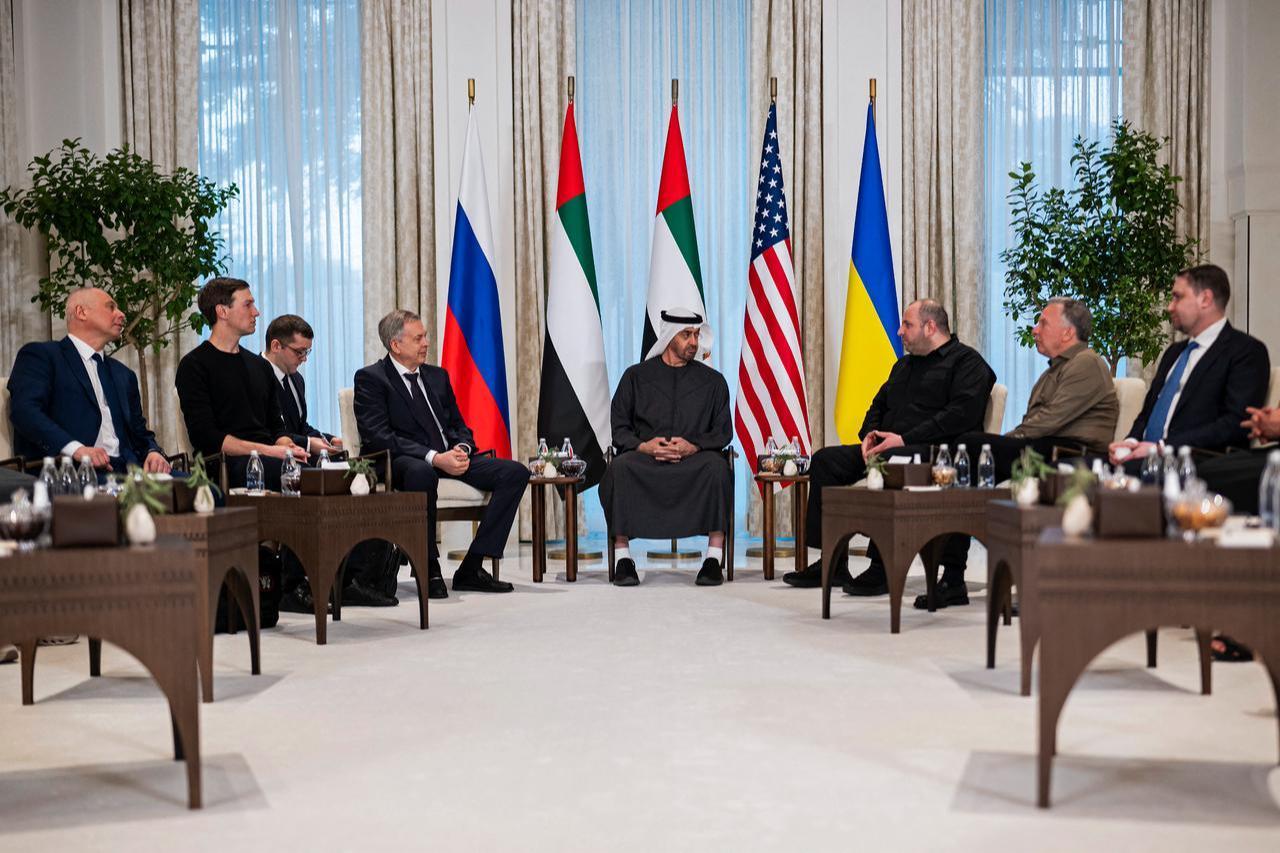
The minister expressed cautious optimism about Ukraine peace prospects, describing current negotiations as closer to success than any previous efforts due to the inclusion of all major parties including European countries, the United States and to some extent Russia. He said one or two outstanding issues are being worked out by the parties, with Türkiye maintaining constant communication with relevant sides.
Fidan credited the Trump administration's efforts to bring ceasefire as working, though he acknowledged uncertainty about whether the ultimate goal can be reached. He identified territorial issues related to land as particularly difficult to address, requiring creativity from the parties, while noting that security guarantees and related matters have already been agreed to some extent.
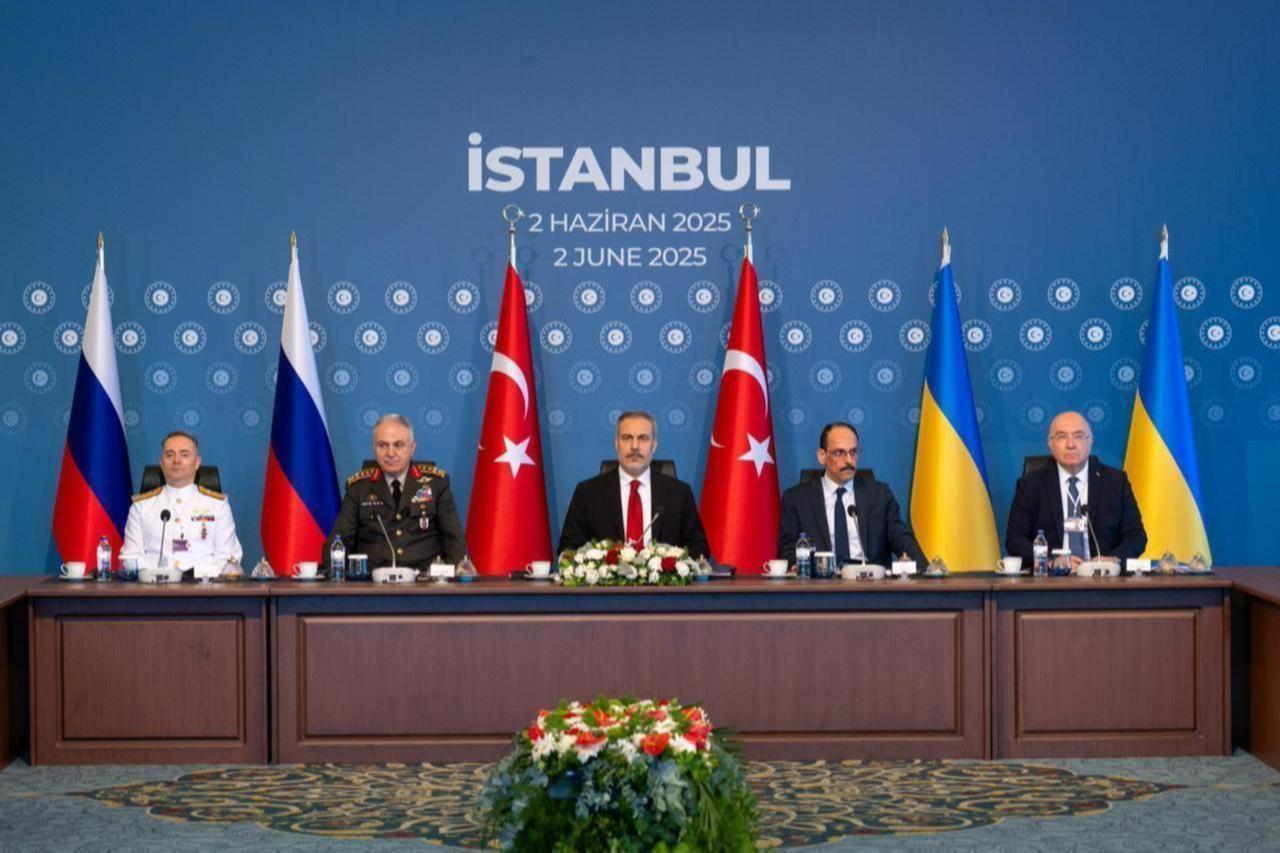
The minister emphasized Türkiye's significant role over the past four years in facilitating ceasefire talks, prisoner exchanges and other humanitarian efforts while the war continued. He described this engagement as part of Turkish foreign policy objectives to see ceasefire in Ukraine, noting that Ankara recognized the need for discussions between parties even as fighting raged.
Fidan highlighted that any peace agreement between Russia and Ukraine will extend beyond those two countries, also redefining relations between Europe and Russia as well as economic and trade relations between the United States and Russia. This broader scope, he suggested, adds complexity to negotiations but also creates opportunities for comprehensive resolution of tensions within the Western camp.
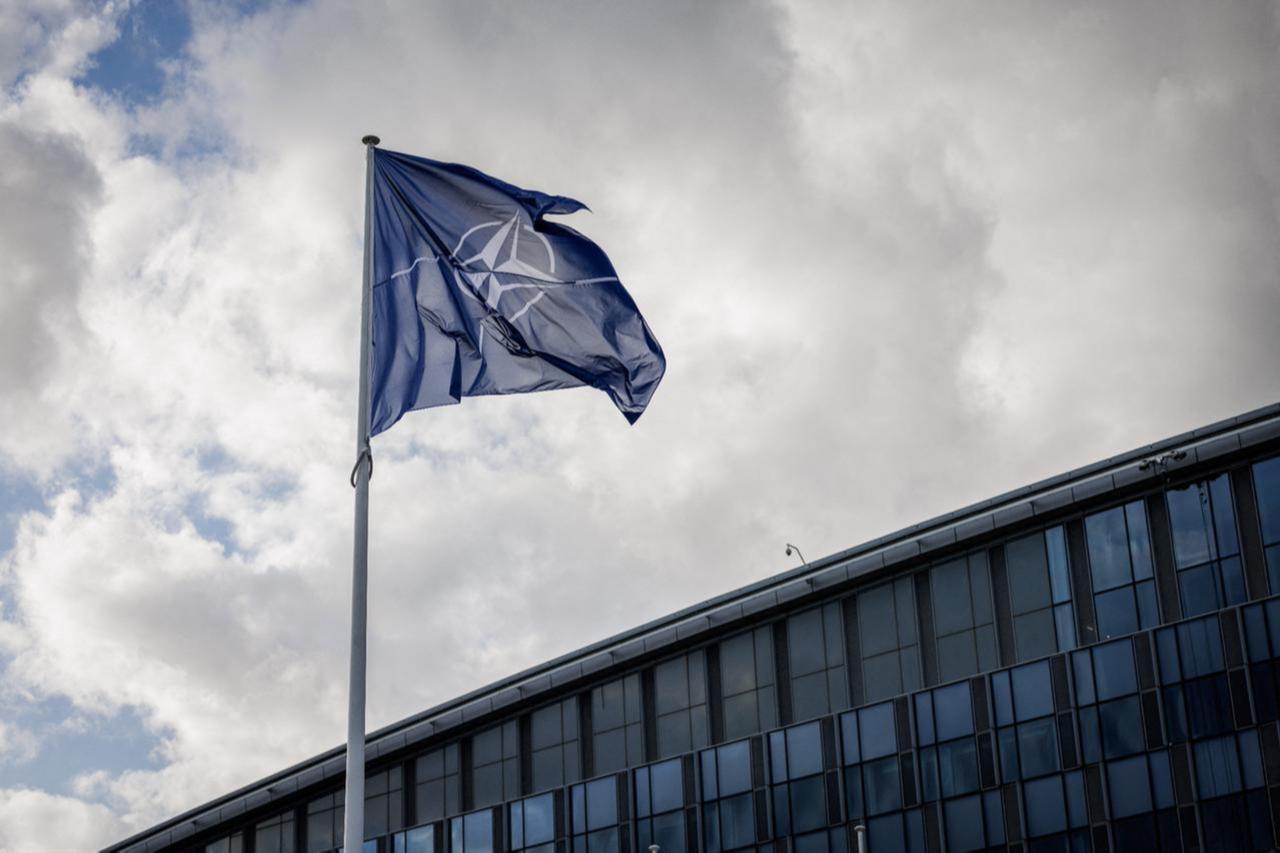
When asked about concerns regarding NATO's future amid growing tensions between the United States and Europe over issues including Greenland, alliance roles, Russia policy and relations with China, Fidan acknowledged these as major issues within the transatlantic community. He described possible American disengagement from European security structures as a major concern for European nations, with multiple factors now adding to this debate beyond just the Russia-Ukraine war.
The minister listed American positioning on Ukraine, potential disengagement from European security, the Greenland dispute and new tariffs as creating a complex set of problems that are prompting fundamental questions about transatlantic cooperation. He noted that some major European countries now speak openly about a self-reliant European security order as an alternative to US-led NATO.
 1 min read

While describing NATO as the primary framework of cooperation on transatlantic security that serves both European and American interests as long as it can function, Fidan emphasized that Europe needs to increase defense capacity regardless. He pointed to the European Union's Strategic Autonomy Framework for the European defense industry as an example of measures being taken, though he suggested more comprehensive discussions are needed.
"What's happening right now is unless we have a collective good security capacity capability here in the region, we will be orbiting on different powers' center of gravity," Fidan said, arguing that creating an independent European center of gravity would allow the continent to maintain high-quality cooperation with major powers including the United States, China and Russia without being pulled decisively into any single orbit.
The minister emphasized the need to create safety and security for everybody in the region, suggesting that European nations face a choice between continuing to expect American security umbrella protection indefinitely or developing their own collective capabilities. His proposal for bringing together the UK, Türkiye, France, Germany and other major European countries for discussions about a new security architecture represents an attempt to chart a middle path between full dependence on American protection and fragmented national defense efforts.


 Set as preferred source
 Set as preferred source



 1 min read


