Newsletters


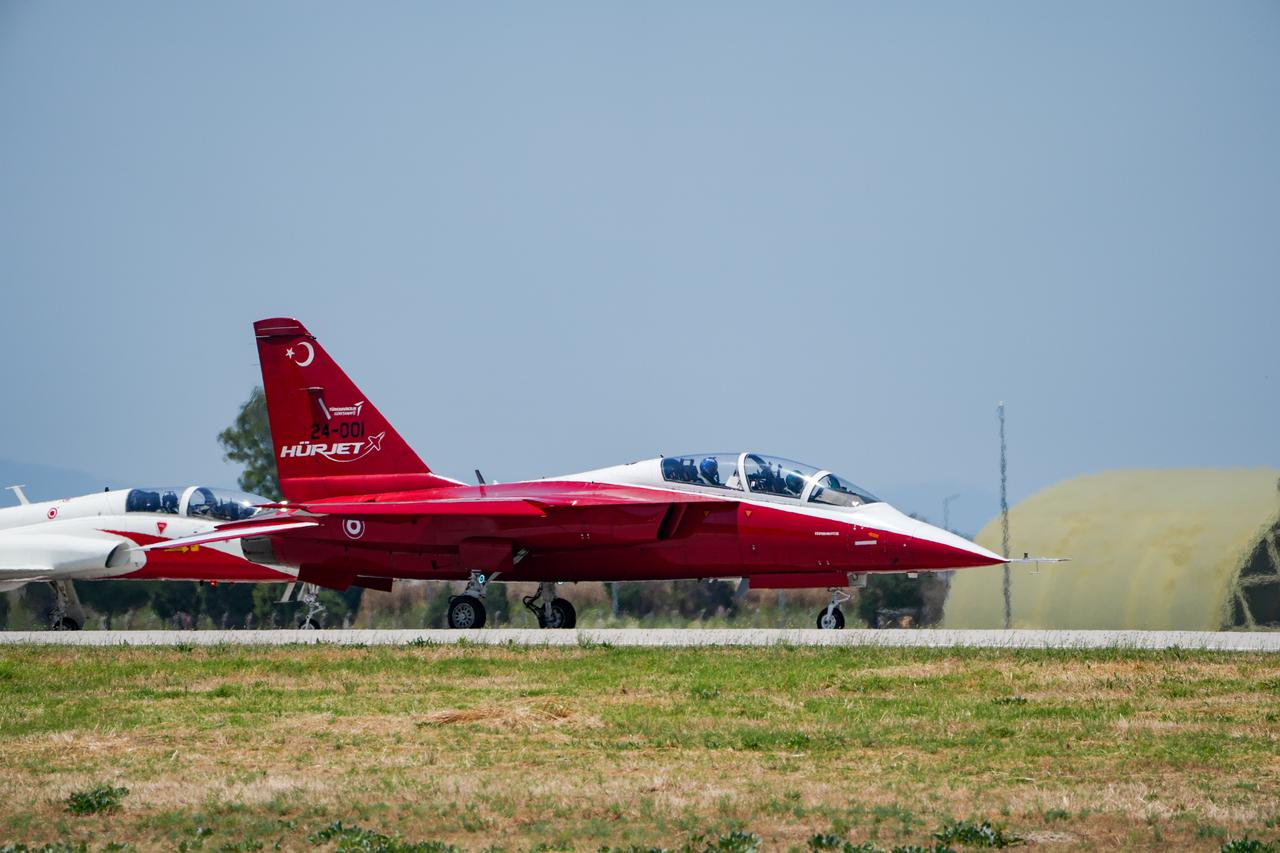


Türkiye is ready to take greater responsibility within NATO's defense-industrial ecosystem and wants allies to regard it not merely as a supplier of platforms but as a strategic partner capable of offering training, technology transfer, joint production and long-term industrial cooperation, Türkiye's Presidency of Defense Industries (SSB) President Haluk Gorgun said.
He made the remarks during an interview with Polish defense publication Defence24's Aleksander Olech ahead of the NATO Summit in Ankara.
With the Ankara summit scheduled for July 7-8, the first NATO meeting on Turkish soil since Istanbul in 2004, Gorgun's remarks signal Ankara's intent to use the gathering not only to project military credibility, but to establish itself as a central node in NATO's industrial supply chain.
Gorgun told Olech that Türkiye had moved from a period of heavy dependence on external procurement to one where its companies can "design, develop, produce, modernize, sustain and export advanced systems across different operational domains."
"For us, technological independence is not a slogan; it is a strategic necessity. It means securing critical technologies, strengthening our supply chains, developing our own engineering capabilities, and ensuring that our security forces have access to reliable systems whenever they need them," he said.
He described Türkiye's defense export strategy as partnership-oriented rather than transactional by stating, "We do not want to be seen only as a supplier. We want to be regarded as a strategic partner that can support training, maintenance, modernization, local capacity building, and, where conditions are suitable, joint production and technology cooperation."
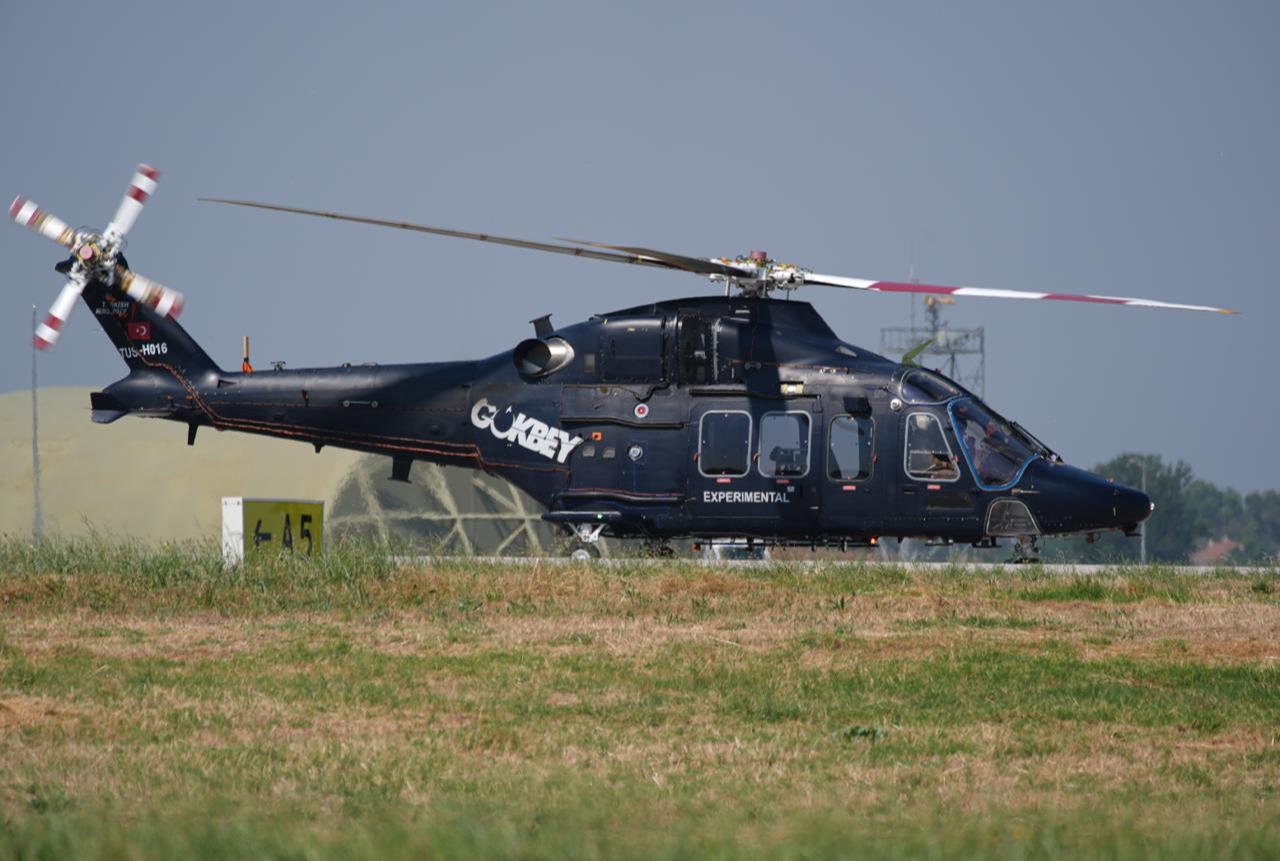

Gorgun said Turkish companies could support NATO capability requirements across unmanned systems, air defense, command and control, secure communications, electronic warfare, naval systems, cyber resilience, and emerging technologies. He added that Türkiye's strength lies in its ability to offer integrated solutions rather than individual platforms.
As a recent example, Gorgun cited NATO's Steadfast Dart 26 exercise in Germany. The Turkish Armed Forces deployed roughly 2,000 personnel over 6,450 kilometers using both land and naval routes, a move he said proved Türkiye's "mobility, readiness, interoperability, and operational value."
On the next generation of unmanned systems, Gorgun outlined three lessons from recent conflicts: the centrality of AI-enabled autonomy, the primacy of integration within a "system of systems" architecture, and the growing importance of survivability, covering low radar signatures, electronic warfare resilience, and secure data links.
He said future Turkish unmanned platforms are being designed with interoperability with the Kaan fifth-generation national combat aircraft in mind.

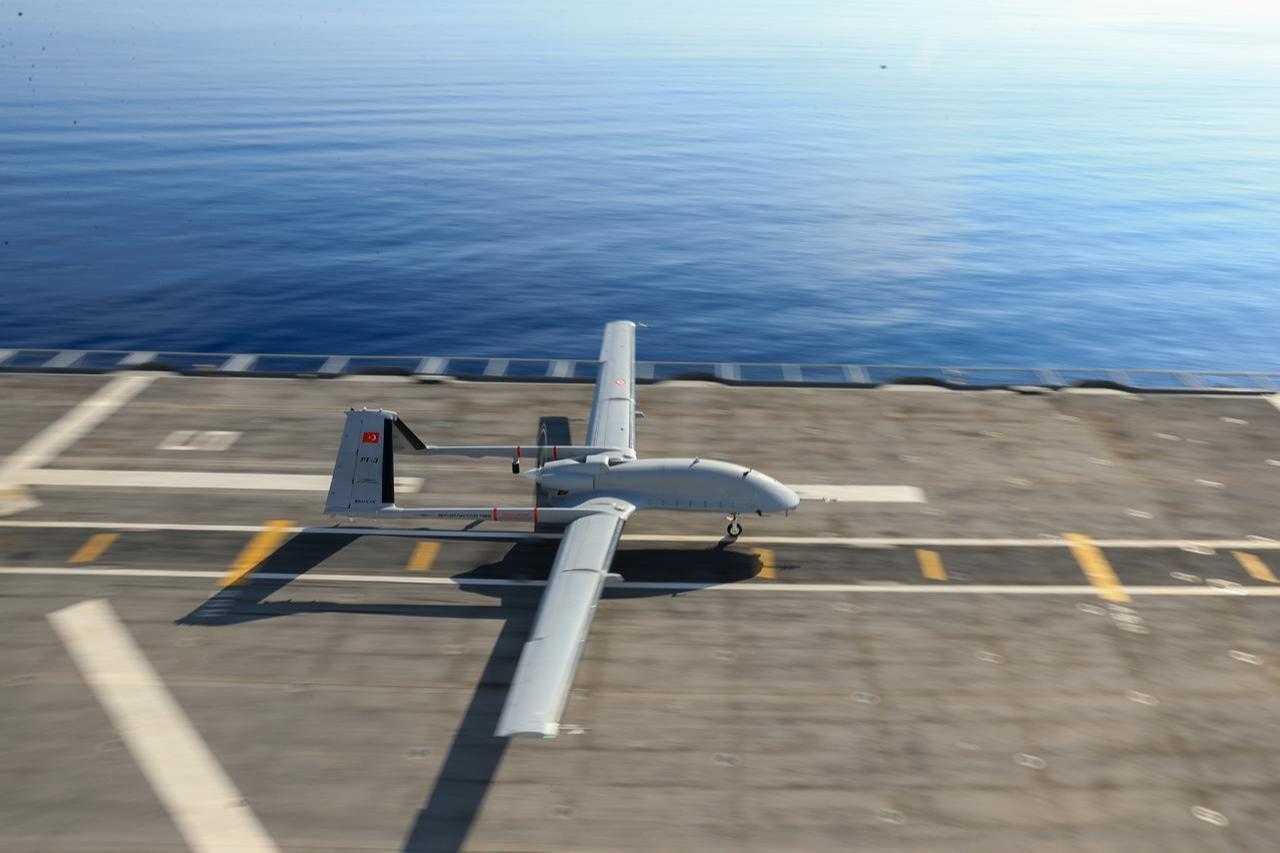
The Turkish defense industry chief identified Kaan, Kizilelma, Anka III, TB3, and layered air defense systems as the strategic programs that would define the next phase of Turkish export capability.
He described Kaan as "a national technology ecosystem" that builds knowledge across avionics, sensors, advanced materials, weapons integration, and test infrastructure. Kaan and Anka III represented "the next chapter in unmanned combat aviation," designed for integrated manned-unmanned operations.
He said Türkiye's naval aviation vision, including short-runway carrier concepts, offered "new possibilities for maritime airpower, particularly for countries that need flexible and cost-effective solutions."
Gorgun described the ecosystem of national warships, unmanned surface vehicles (USVs), and naval aviation platforms as part of a broader maritime deterrence architecture.
"The common feature of all these programs is that they are not isolated projects. They build an ecosystem. And as this ecosystem matures, Türkiye's export capabilities will become more comprehensive, more integrated and more strategic," he noted.
The Turkish official drew a parallel between COVID-19's exposure of supply chain fragility and today's geopolitical environment, describing both as forms of "pandemic" that no country could afford to face without indigenous industrial capacity.
"You can import many things, but you cannot import security," he said.
"We are also prepared for this period of geopolitical turbulence. Now, we are offering to share this experience, infrastructure and industrial capability with our friends and allies," Gorgun added.
He said Türkiye's cooperation models could range from direct procurement and local assembly to joint production, technology cooperation, joint R&D and third-country market collaboration, tailored to each partner's industrial base and strategic priorities.
His message for the Ankara summit and beyond was direct: "Türkiye is ready to take more responsibility within NATO's defense-industrial ecosystem. Our message to allies is clear: a stronger Turkish defense industry means a stronger Alliance."


 Set as preferred source
 Set as preferred source


 2 min read