Newsletters


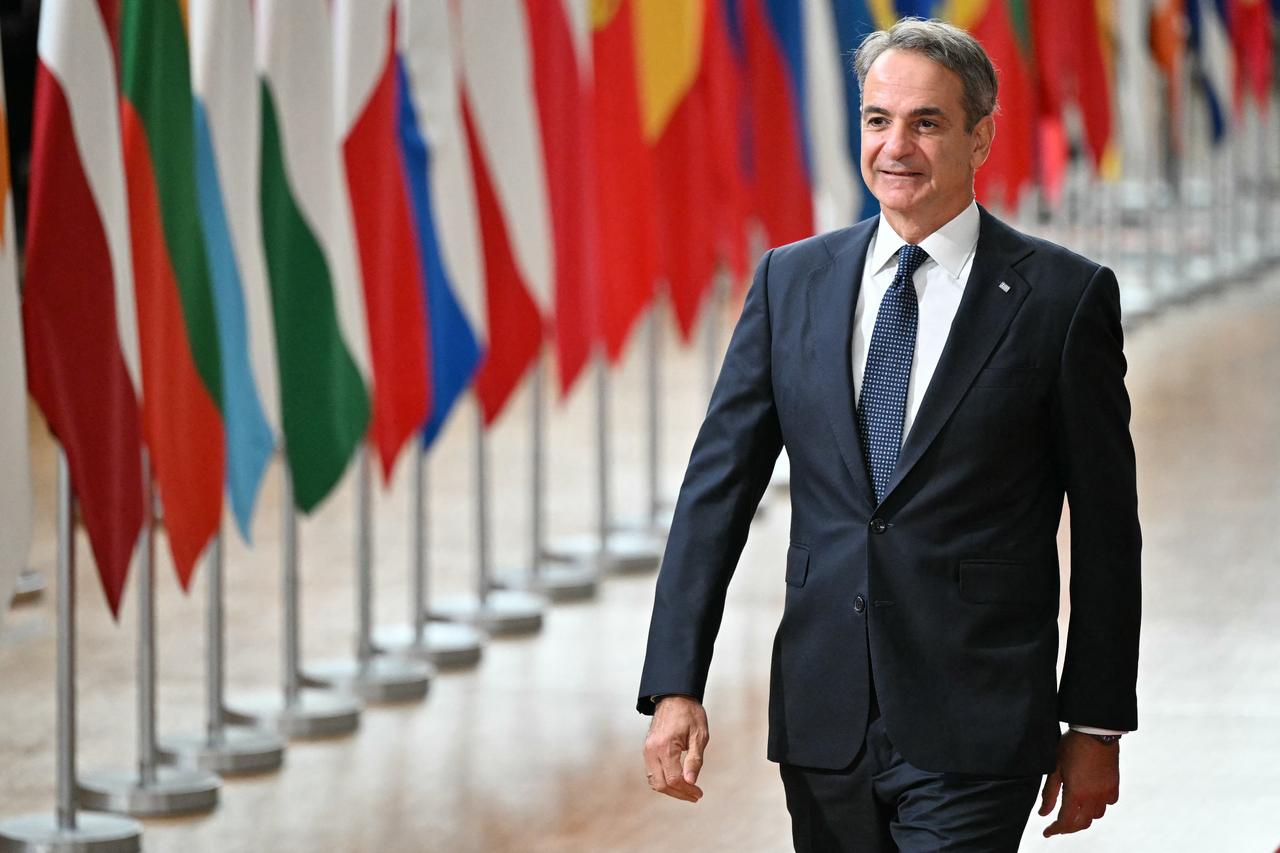


Türkiye’s U.N. envoy told the Security Council that it "is not a maritime delimitation court," responding to Greek Prime Minister Kyriakos Mitsotakis's criticism of the Türkiye-Libya maritime deal earlier in the day.
Ambassador Ahmet Yildiz said the 2019 memorandum between two sovereign states governs only the maritime boundary between its parties and does not affect the rights of non-party states, adding that objections should be addressed through dialogue and equitable delimitation.
"This Council is not a maritime delimitation court. A map can show a claim, but it cannot adjudicate it," Yildiz said at an open debate on new technologies and maritime security.
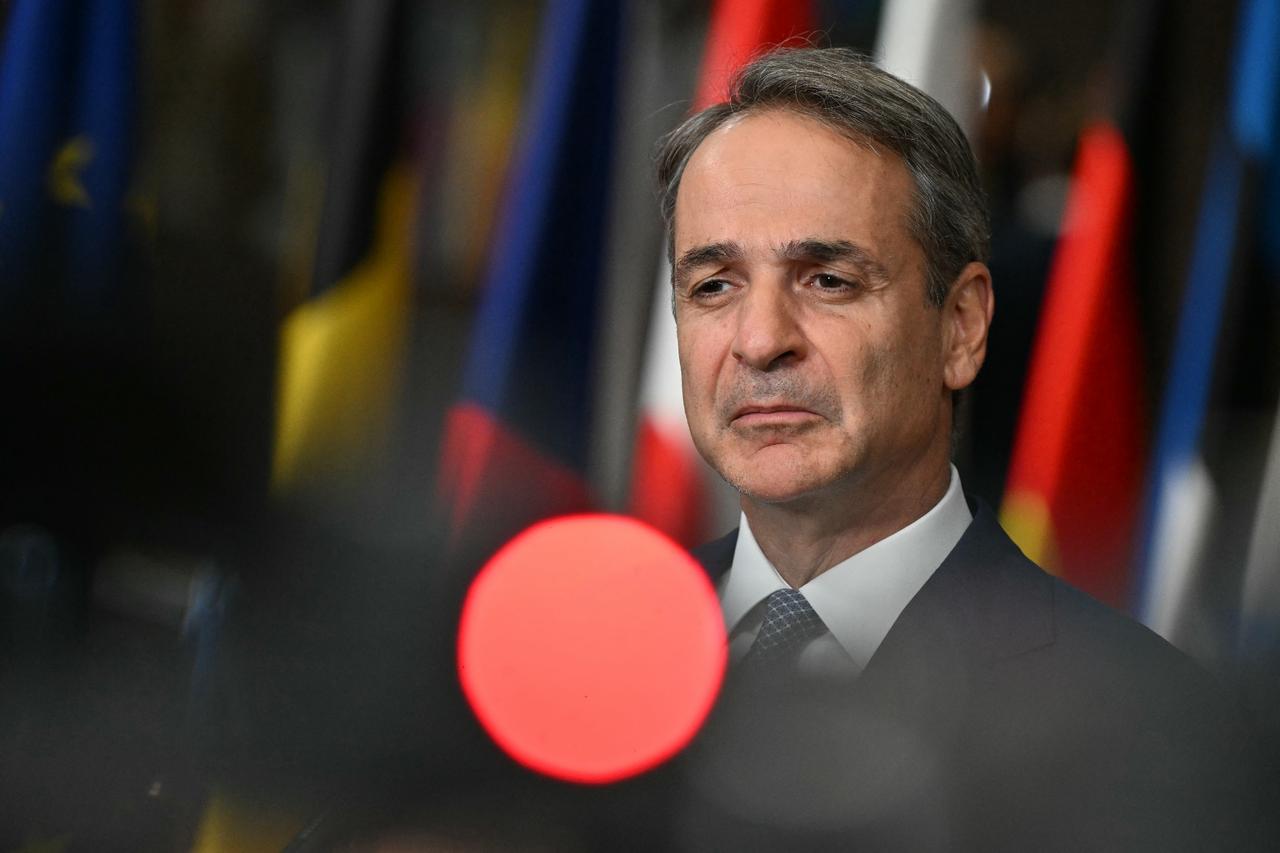
Mitsotakis had told the morning session that the memorandum was invalid and violated international maritime law.
"Türkiye and Libya are two sovereign states, each with the right to conclude international agreements. This sovereign prerogative cannot be denied simply because a third state objects to the delimitation or disagrees with its outcome," Yildiz said.
"The Türkiye-Libya Memorandum regulates the maritime delimitation between its parties; it does not determine or affect the rights of non-party states. This is precisely the principle Türkiye has consistently defended regarding other maritime arrangements. Those arrangements cannot be used to reduce Türkiye’s continental shelf rights," he said.
"Claims to the contrary should be addressed through dialogue and equitable delimitation, rather than by questioning states’ sovereign capacity to conclude agreements," Yildiz added.
Responding to Mitsotakis’s claim that the deal disregards geography, Yildiz said international case law does not automatically grant full effect to every island in the Aegean regardless of coastal configuration and relevant circumstances.
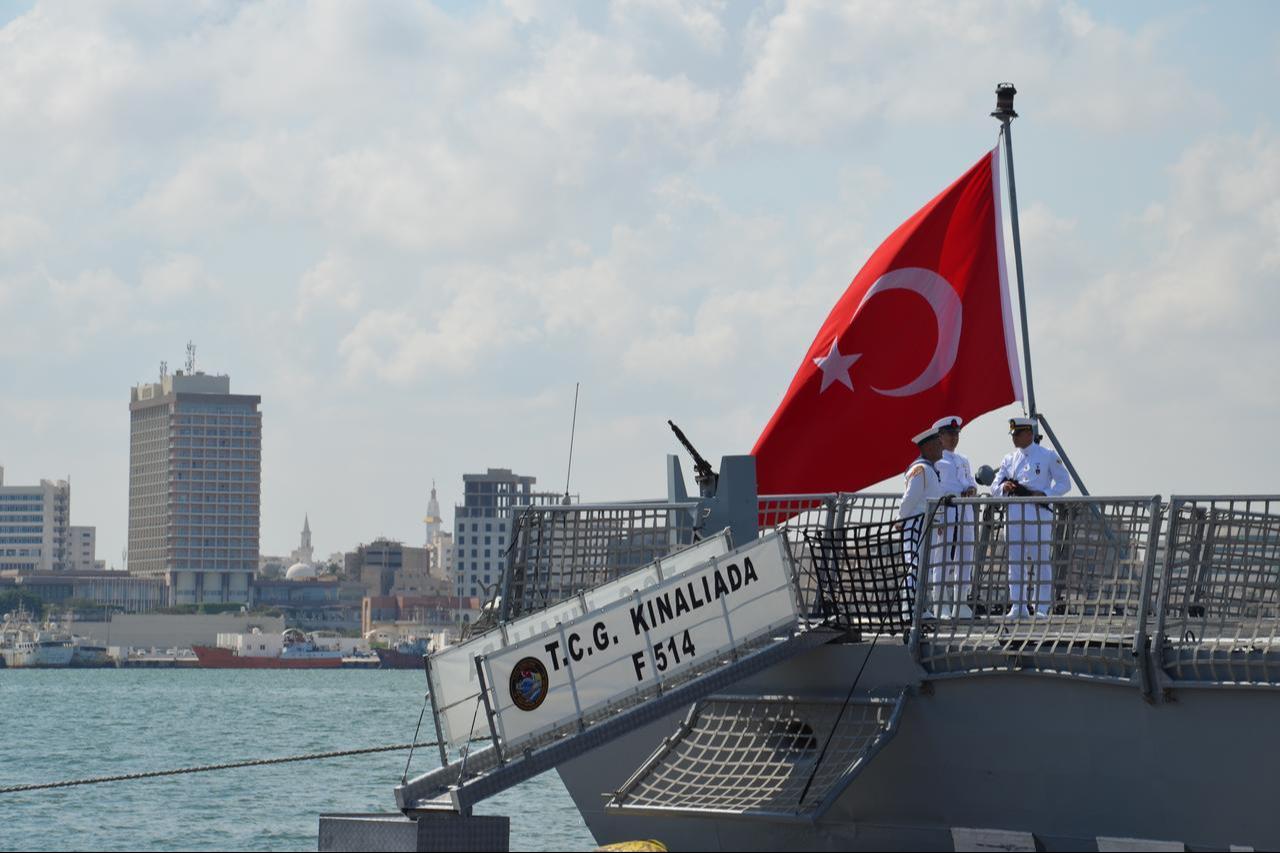

"Türkiye recognizes UNCLOS as an important instrument but is not a party to it. The convention is neither universal nor the sole determining legal text, and it cannot be assumed that every provision invoked against a non-party constitutes binding customary law," Yildiz said.
"As President Recep Tayyip Erdogan stated in his address to the U.N. General Assembly last month, we want the issues in the Aegean Sea and Eastern Mediterranean to be resolved on the basis of good-neighborly relations and in accordance with international law," he said.
"We are ready to engage constructively on this. However, we understand that a comprehensive and lasting approach must also take into account the legitimate rights and interests of Turkish Cypriots and the Turkish Republic of Northern Cyprus," Yildiz added.
 1 min read
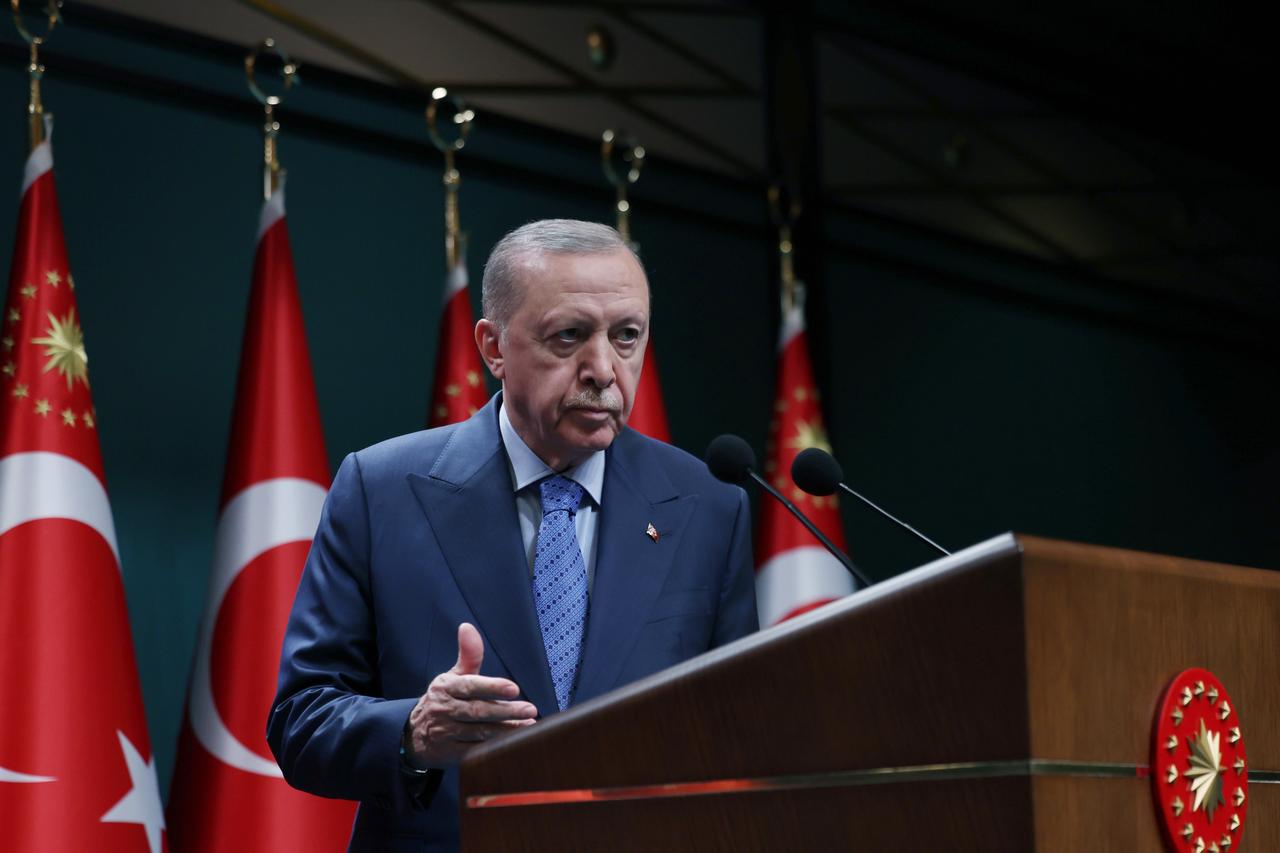
The Turkish ambassador pointed to Türkiye's maritime security cooperation with Bulgaria and Romania regionally and in Somalia and Lebanon globally.
"Our navies have demonstrated effective cooperation under U.N. mandate, so diplomacy should also be able to address differences without turning them into disputes," he said.
"Portraying unresolved delimitation questions as hostility does not serve maritime security. Yes, geography cannot be rewritten, but international law cannot be reduced to a map or a slogan either. Türkiye is ready for meaningful negotiations guided by the principles of equity, mutual respect and good-neighborliness," Yildiz said.
On new technologies, he said they can strengthen maritime awareness, search and rescue and protection of critical undersea infrastructure, but cyberattacks, interference with navigation systems and misuse of autonomous technologies risk disruption and unintended escalation, requiring meaningful human oversight and accountability.
The Türkiye-Libya maritime deal has been in force since 2019.


 Set as preferred source
 Set as preferred source


 1 min read