

 Newsletters


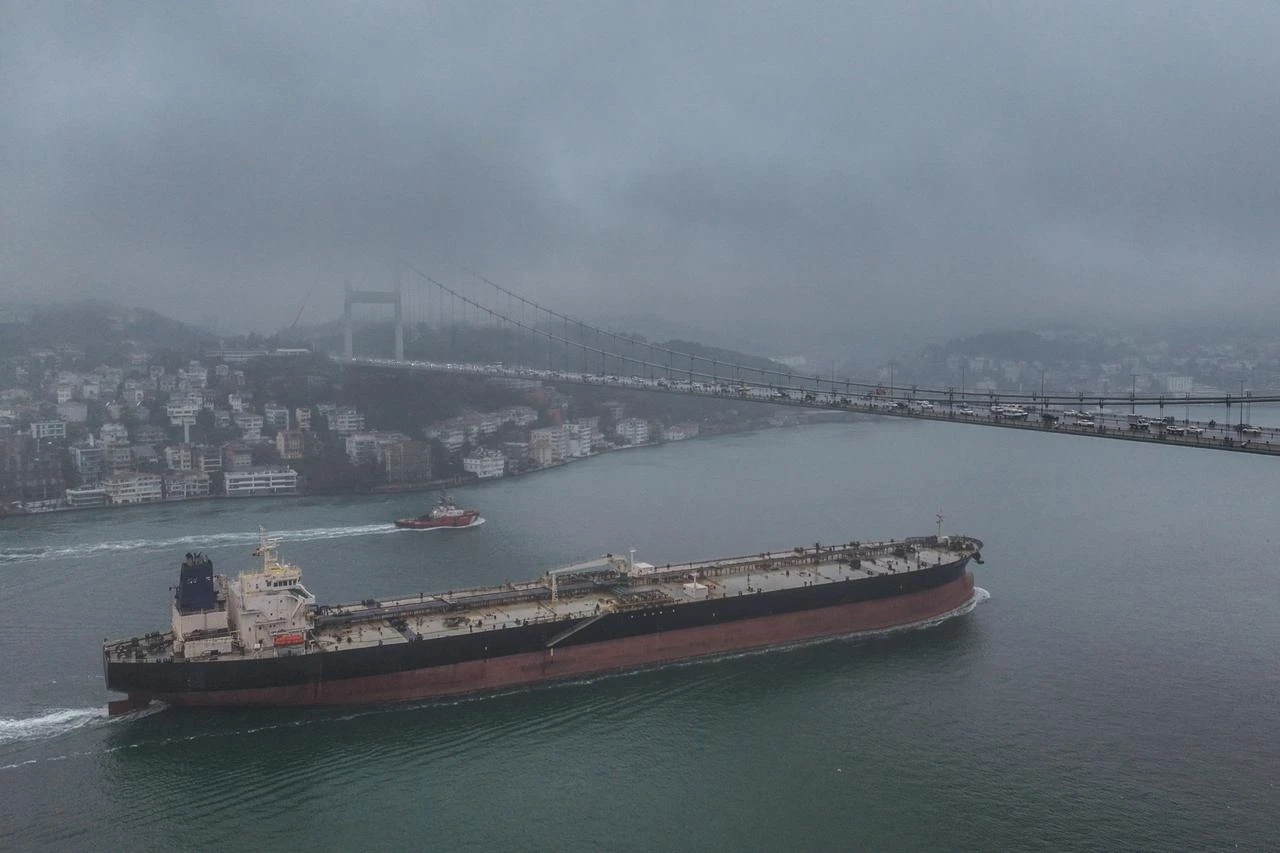


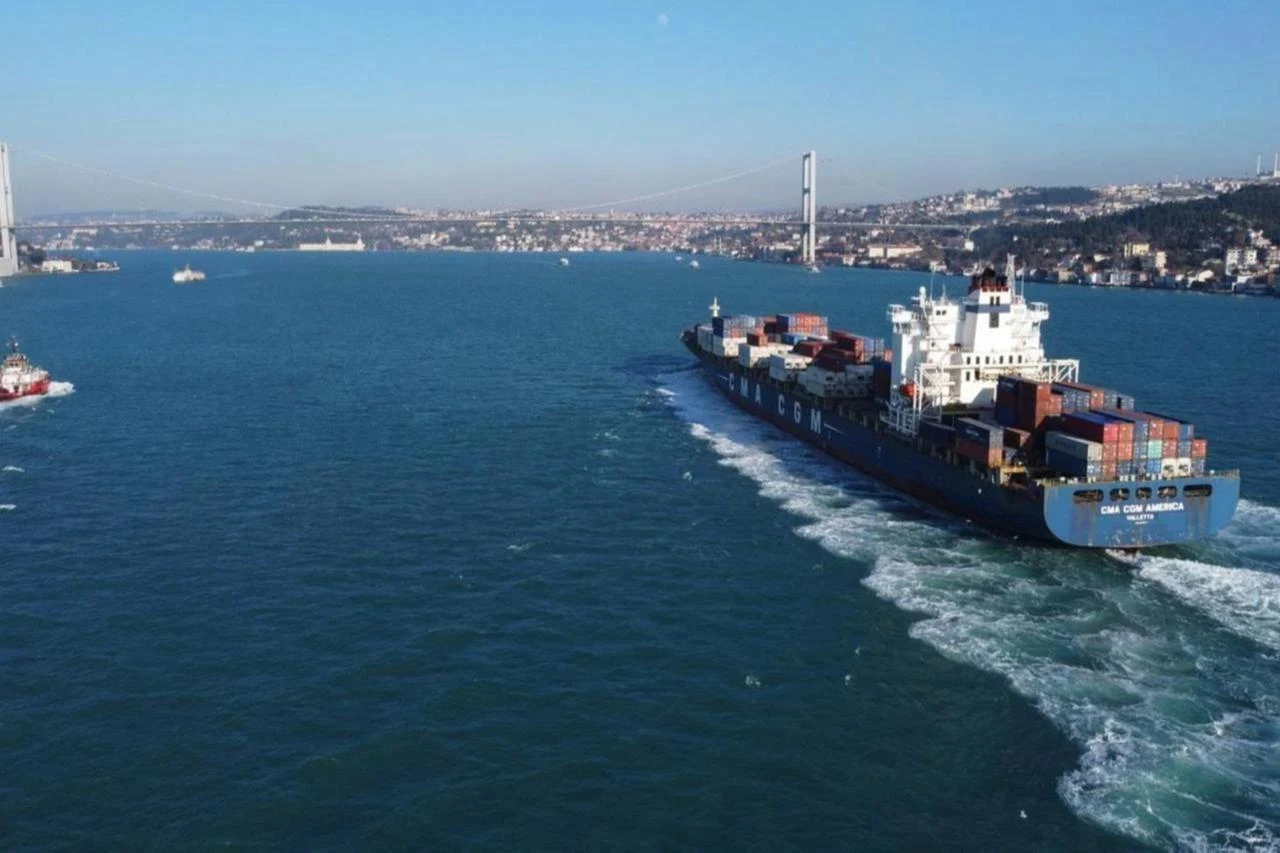
Türkiye is reportedly restricting commercial ship traffic into the Black Sea amid growing concerns in Ankara over a surge in Russian and Ukrainian attacks on civilian vessels, Bloomberg reported Saturday, citing people familiar with the matter.
Türkiye's Directorate General of Coastal Safety has told multiple ships bound for Russia's Novorossiysk, a major oil and grain export hub, that it is not currently issuing transit permits for such voyages or needs additional time to review applications for passage through the Dardanelles, according to Bloomberg.
The people cited by Bloomberg said Turkish authorities had not provided an explanation for the move. They asked not to be identified because the information was not public.
Some vessels have also reportedly been told that the restriction applies to ships heading to Ukraine, according to the report.
The measure appears to effectively limit some commercial vessel traffic entering the Black Sea at a time when attacks on civilian shipping have intensified.
The Directorate General of Coastal Safety referred Bloomberg's questions to Türkiye's Transport and Infrastructure Ministry, which did not respond to requests for comment outside regular business hours, the report said.
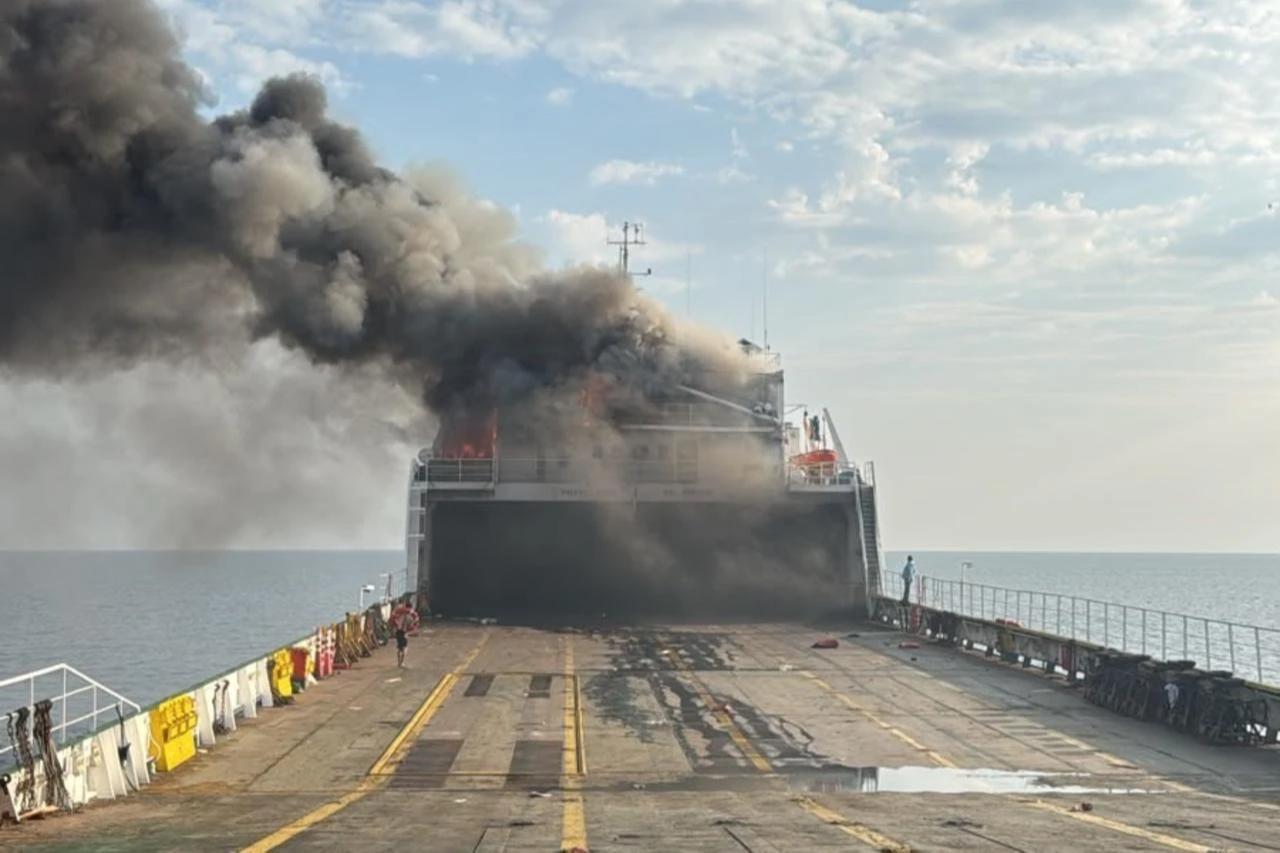

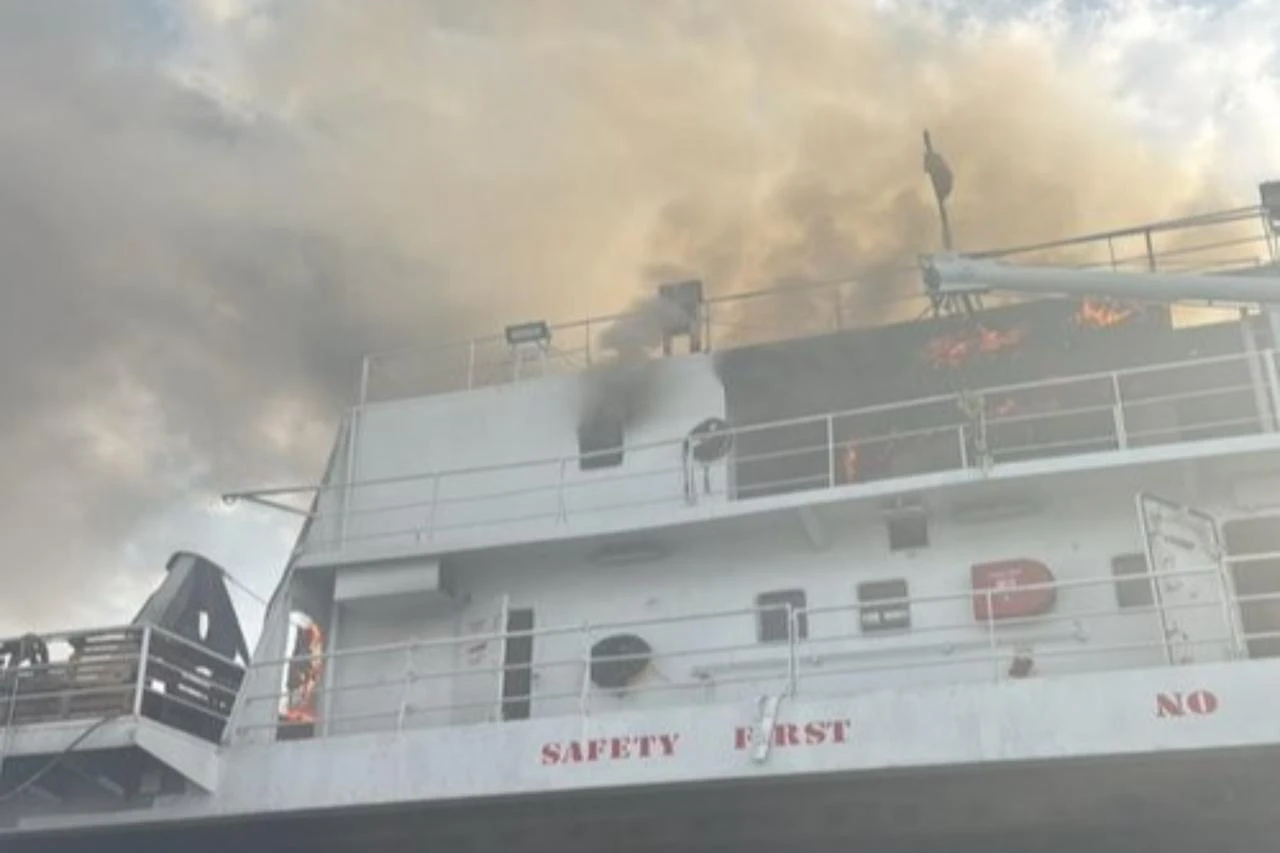
The reported restrictions come as another Turkish-flagged vessel, identified as the MV Gulluk, was reportedly struck by a drone off the Russian port of Novorossiysk.
Maritime monitoring account The Maritime Voice reported that a drone struck the vessel's living quarters. Accounts shared with Türkiye Today by people identifying themselves as relatives and colleagues of crew members also said the vessel had been attacked.
No crew members were reported injured or killed, according to The Maritime Voice, which said the Gulluk had since set course for Istanbul.
Neither the Ukrainian nor Russian government has commented specifically on the reported attack on the Gulluk.
The reported incident would be the latest in a series of drone attacks involving Turkish-owned or Turkish-flagged commercial vessels operating in the Black Sea and near Russian ports in recent months.
Türkiye's Directorate General of Maritime Affairs said the Ro-Ro cargo vessel Nadezhda was struck by a drone about 20 nautical miles off Novorossiysk on Aug. 3 while sailing from the Russian port to Samsun.
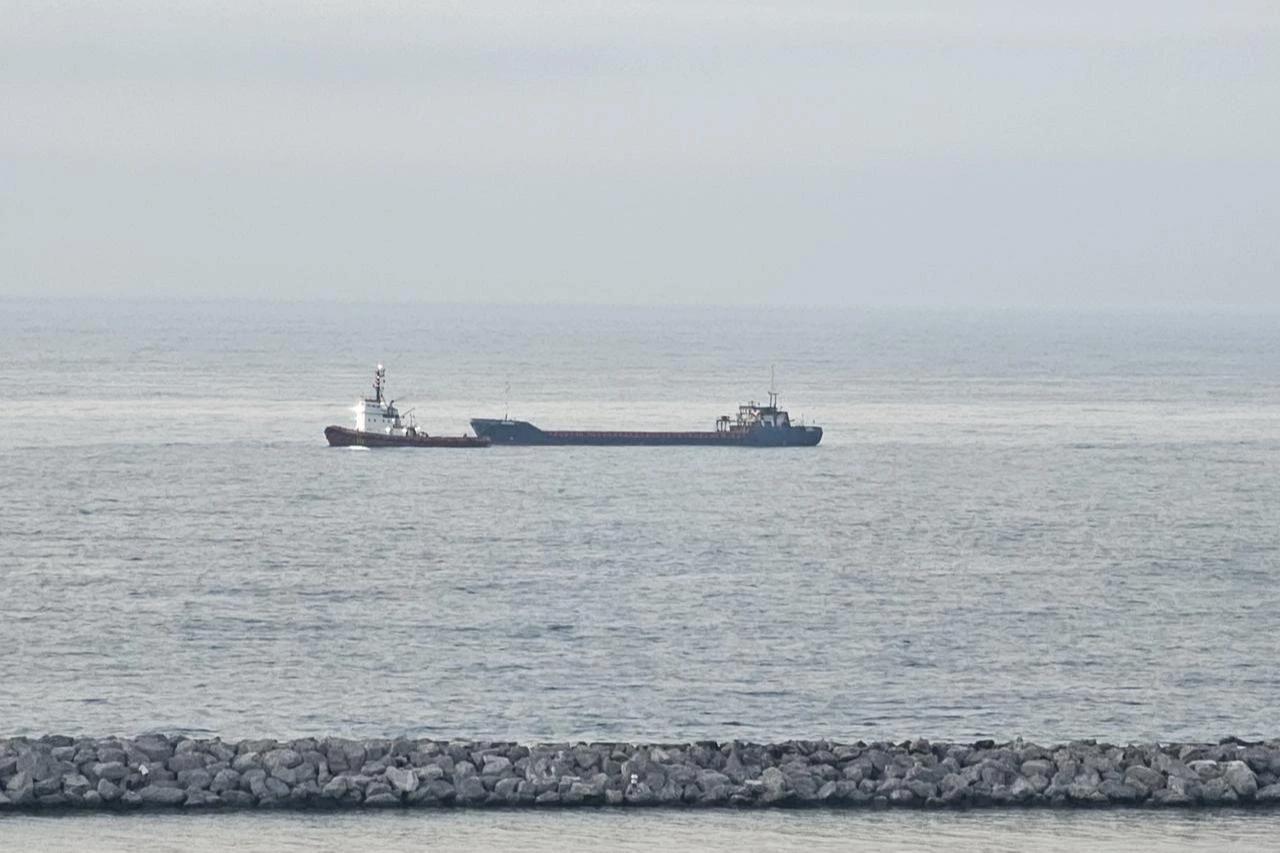
Three of the vessel's 22 crew members were reported to be in serious condition following the attack. Thirteen of those aboard were Turkish nationals. The crew was later evacuated to Novorossiysk by Russian maritime units.
Türkiye's Foreign Ministry separately said two civilian vessels, the Yasar and the Nadezhda, were attacked after leaving Novorossiysk.
The ministry said it was "deeply concerned about the escalating conflict between Russia and Ukraine in the Black Sea, which is affecting civilian shipping despite our numerous warnings."
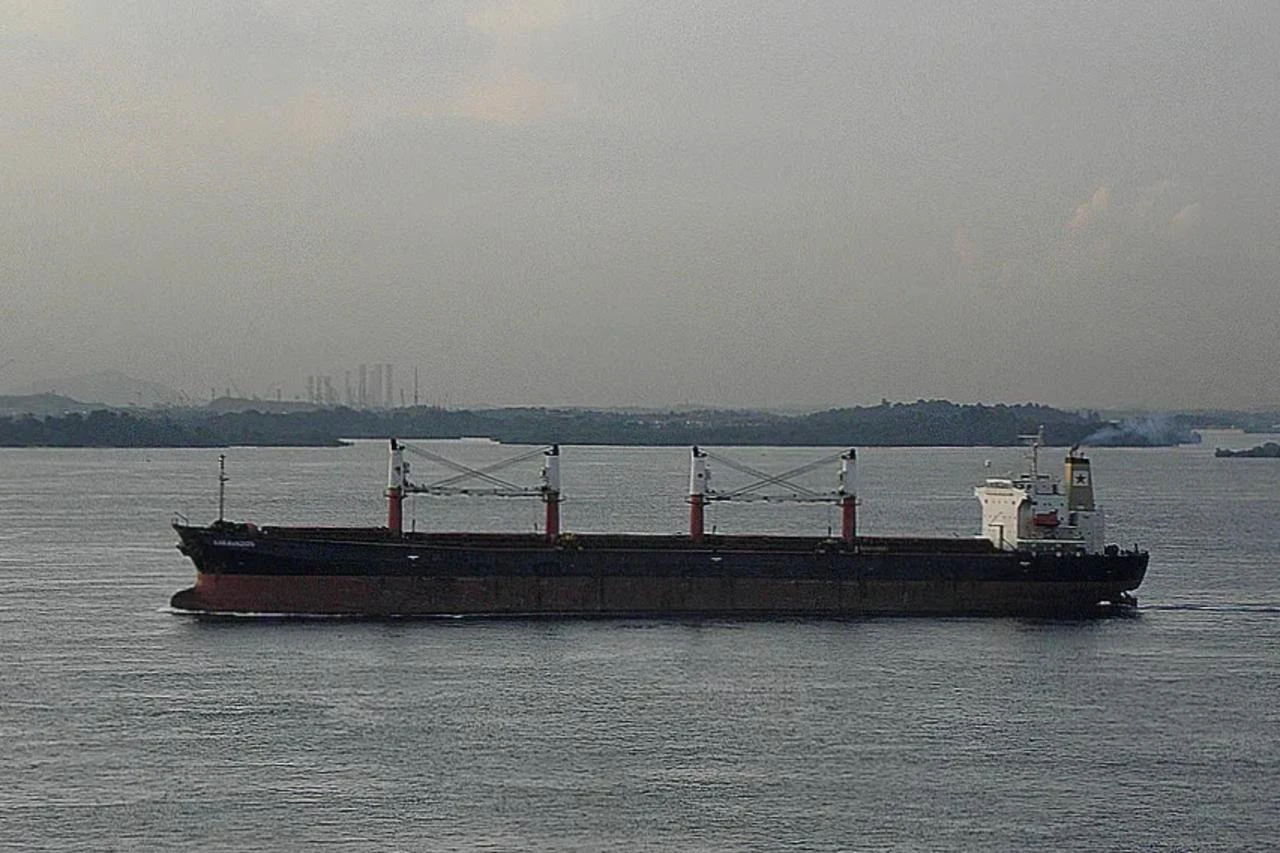
Earlier in the same period, the Turkish-flagged bulk carrier Reyhan Sari was struck by a drone while sailing from Russia's Taman port to Trabzon, killing one crew member and wounding three others.
Following the attacks, Türkiye called on the parties to the Russia-Ukraine war to take steps to protect civilian shipping.
"We reiterate our call to all relevant actors, especially the warring parties, to urgently implement concrete measures to ensure navigational safety in the Black Sea," the Foreign Ministry said Tuesday, according to Bloomberg.
The ministry warned that further escalation could have "multifaceted negative consequences," including for food security.
Ukraine has targeted Russian-flagged vessels and Russia-linked shipping in the Black Sea during the war, accusing Moscow of using maritime routes to transport sanctioned goods. Russia has separately struck Ukrainian port infrastructure and vessels in attacks Kyiv has described as war crimes.
 1 min read
The growing risks to commercial shipping have also raised concerns about Black Sea grain supplies. Bloomberg reported that those concerns helped push wheat prices to a two-year high in July.
The reported Turkish restrictions could add another complication to global trade as oil flows are already being disrupted by the war involving Iran and reduced volumes moving through the Strait of Hormuz.
The restrictions do not appear to amount to a complete halt in northbound commercial traffic. Vessels heading to Bulgarian and Turkish ports continued to sail north through the Dardanelles as of 1 p.m. Saturday, according to ship-tracking data compiled by Bloomberg.


 Set as preferred source
 Set as preferred source



 1 min read


