Newsletters


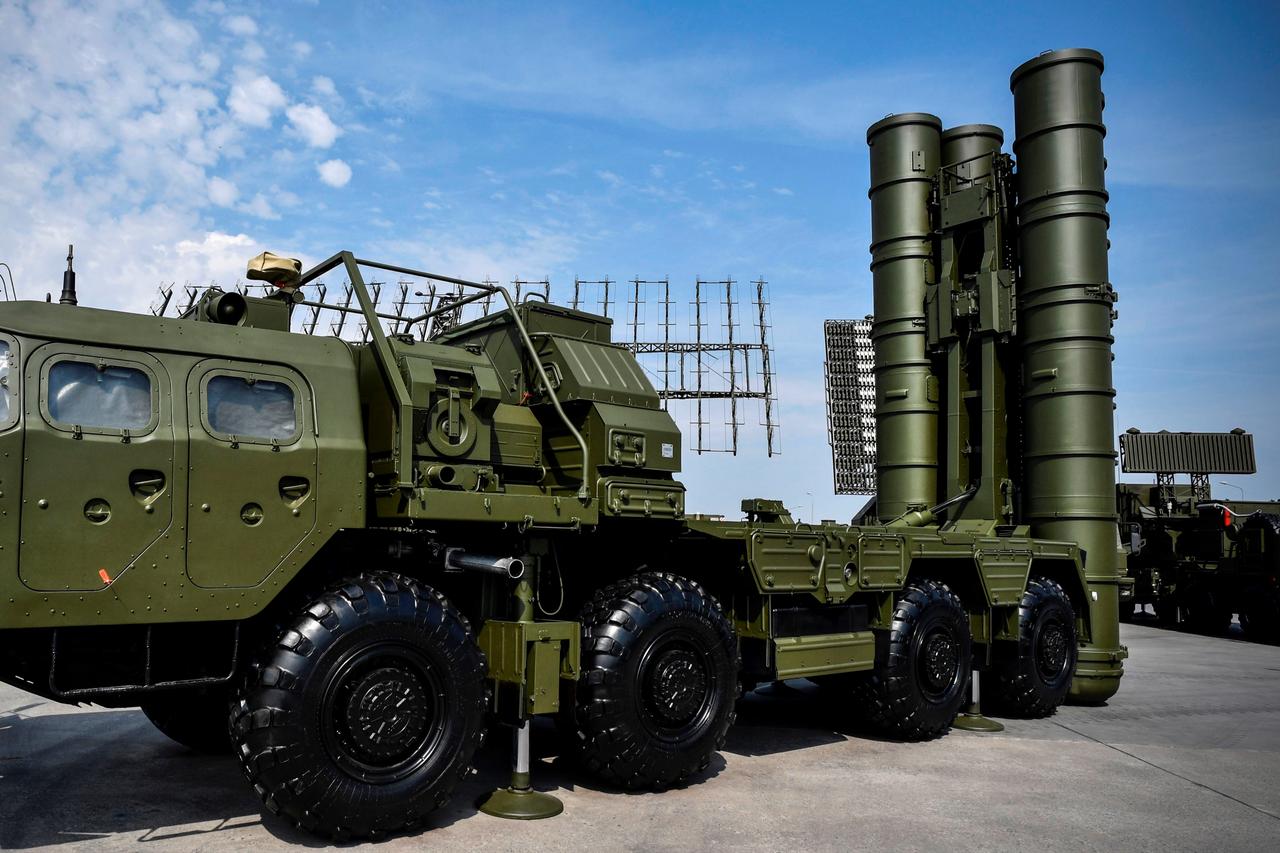


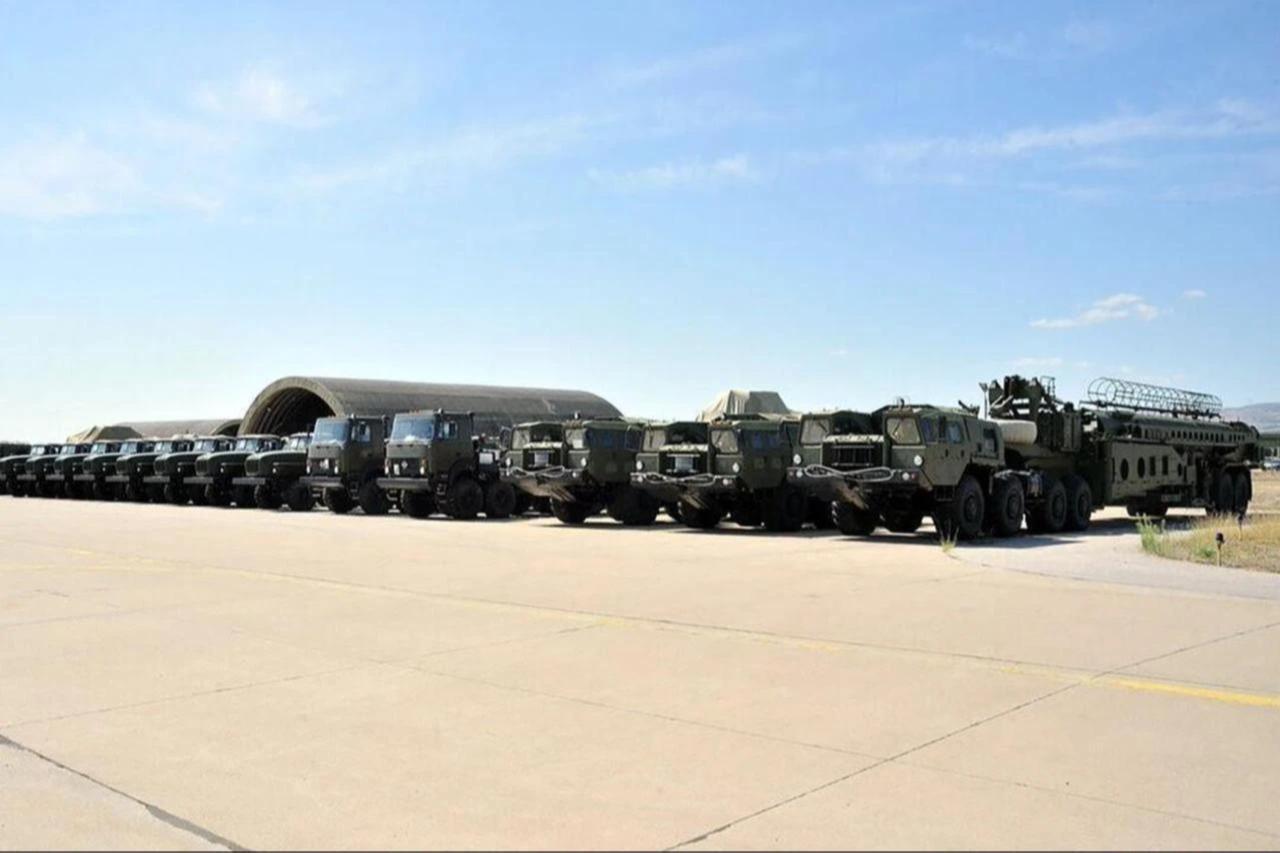
Türkiye is reportedly seeking Russia's permission to sell its S-400 air defense systems to a third country, a move "semi-officially" confirmed to the Turkish media outlet Hurriyet. According to a report by columnist Hande Firat, this also explains the recent delays in finalizing Türkiye's F-16V modernization deal with the United States.
Firat noted that the Washington-Ankara defense track is currently split into two distinct but interconnected issues: the removal of CAATSA sanctions and the potential sale of F-35 fighter jets alongside Türkiye's return to that program. While lifting CAATSA sanctions would not automatically resolve the F-35 dispute, it would eliminate one of the largest political and legal barriers between the two nations.
The report emphasized that U.S. President Donald Trump's message to President Erdogan, stating that Washington would lift sanctions and evaluate the F-35 issue, signaled a major shift. The debate has evolved past a simple sanctions dispute into a broader strategic question of whether Türkiye will fully reintegrate into U.S. and NATO defense systems.
The Turkish media outlet reported that the CAATSA sanctions, which were imposed on Dec. 14, 2020, against Türkiye's Presidency of Defense Industries (SSB) over the S-400 purchase, can be lifted directly by the U.S. president. Under the legislation, the president holds the authority to remove these sanctions, provided that specific statutory conditions are met.
According to the report, Türkiye's path forward also depends on the FY2021 National Defense Authorization Act (NDAA), which contains Türkiye-specific provisions requiring that Ankara no longer possess the S-400 system, that no S-400 or similar system remain on Turkish soil, and that assurances be given against future purchases of similar systems from Russia.
Once the president certifies these conditions to Congress, the legal process for lifting CAATSA sanctions would be finalized without further congressional hurdles. However, the core unresolved challenge remains the physical handling of the S-400 systems.
While previous discussions floated options like off-site storage, removing the systems' trigger mechanisms for joint storage, or placing the hardware in a verifiably inactive status, these formulas fall short for Washington.
According to information obtained by the Turkish media outlet, the American administration considers any approach involving continued Turkish possession—even under U.S.-supervised storage or with removed trigger mechanisms on Turkish soil—insufficient to satisfy the existing legal framework. Washington's core criterion remains entirely unchanged: the S-400 systems must be completely removed from Türkiye's military inventory.
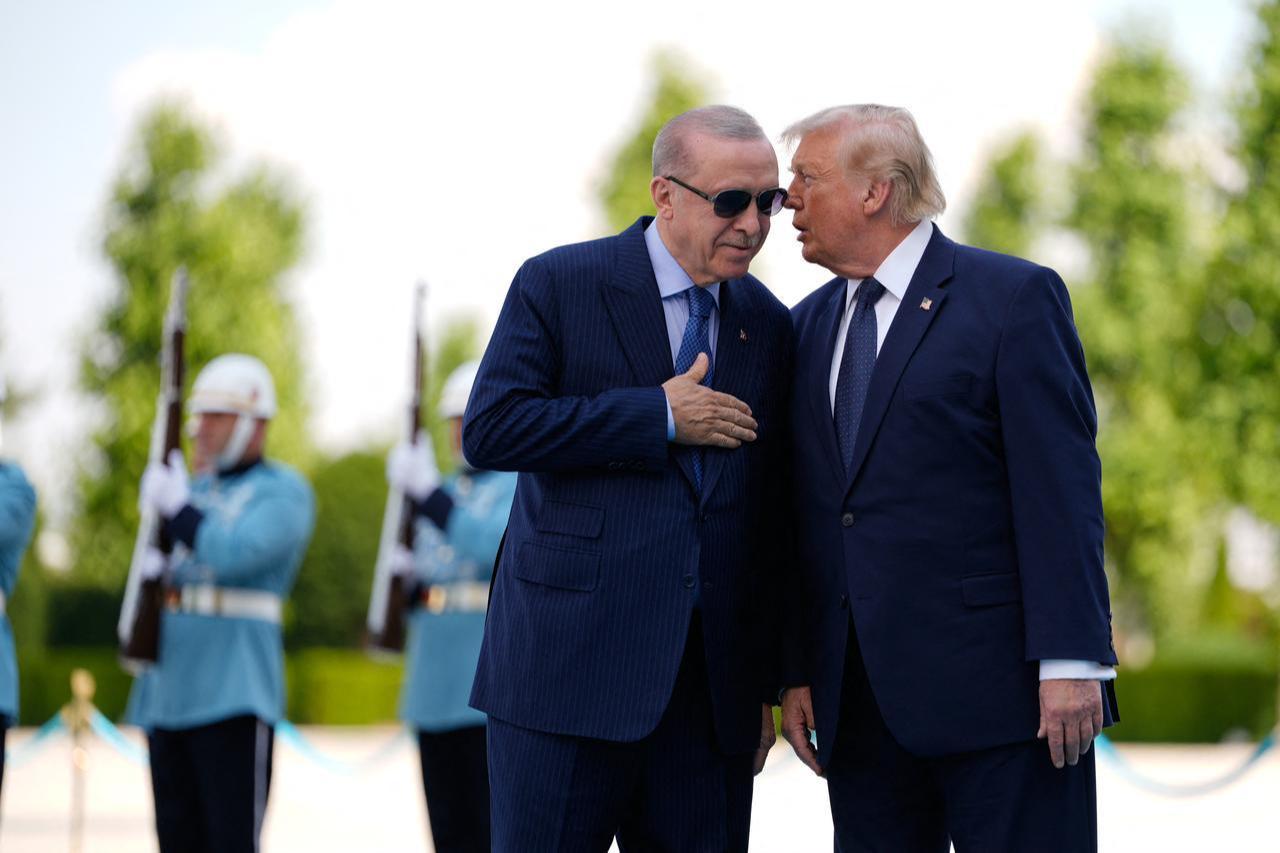

According to the report, ongoing three-way discussions between Ankara, Washington, and Moscow are addressing both the Russia-Ukraine war and the S-400 dispute.
Citing information from American officials, Hurriyet reported that a formula to sell the S-400 systems to a third country is actively under consideration, with Washington viewing a sale to a Gulf nation as the most viable option on the table.
However, any transfer requires Russia's formal involvement under the original purchase's end-user agreement. This means Moscow must approve any sale to a third party.
The report noted that Ankara has already been sounding out Moscow's position on the matter, and the Russian side reportedly does not object in principle.
The report stressed that Türkiye's removal from the F-35 program, though linked to CAATSA, was not a direct consequence of those sanctions alone. Instead, Congress independently added provisions to defense budget legislation specifically restricting F-35 deliveries to the country.
As a result, lifting CAATSA sanctions and restarting the F-35 process require entirely distinct legal actions. While the first involves ending the active sanctions regime, the second is a separate procedure governed by defense export regulations, congressional oversight, and technical assessments from the Pentagon.
According to the report, if the current roadmap being discussed between Washington and Ankara proceeds, the White House would need to notify Congress under the FY2021 NDAA that Türkiye has met the law's conditions and that no legal obstacle remains to reevaluating the F-35 process.
The report said this would trigger a standard 15-day congressional review period under U.S. arms sales procedures, and that Ankara's understanding from the U.S. administration is that no new political obstacle is expected from Congress during that window.
The Pentagon and the F-35 Joint Program Office would still need to complete their own technical security assessments, the report added, and Türkiye's future status in the program, as a co-producer partner or simply as a customer, would be separately negotiated.
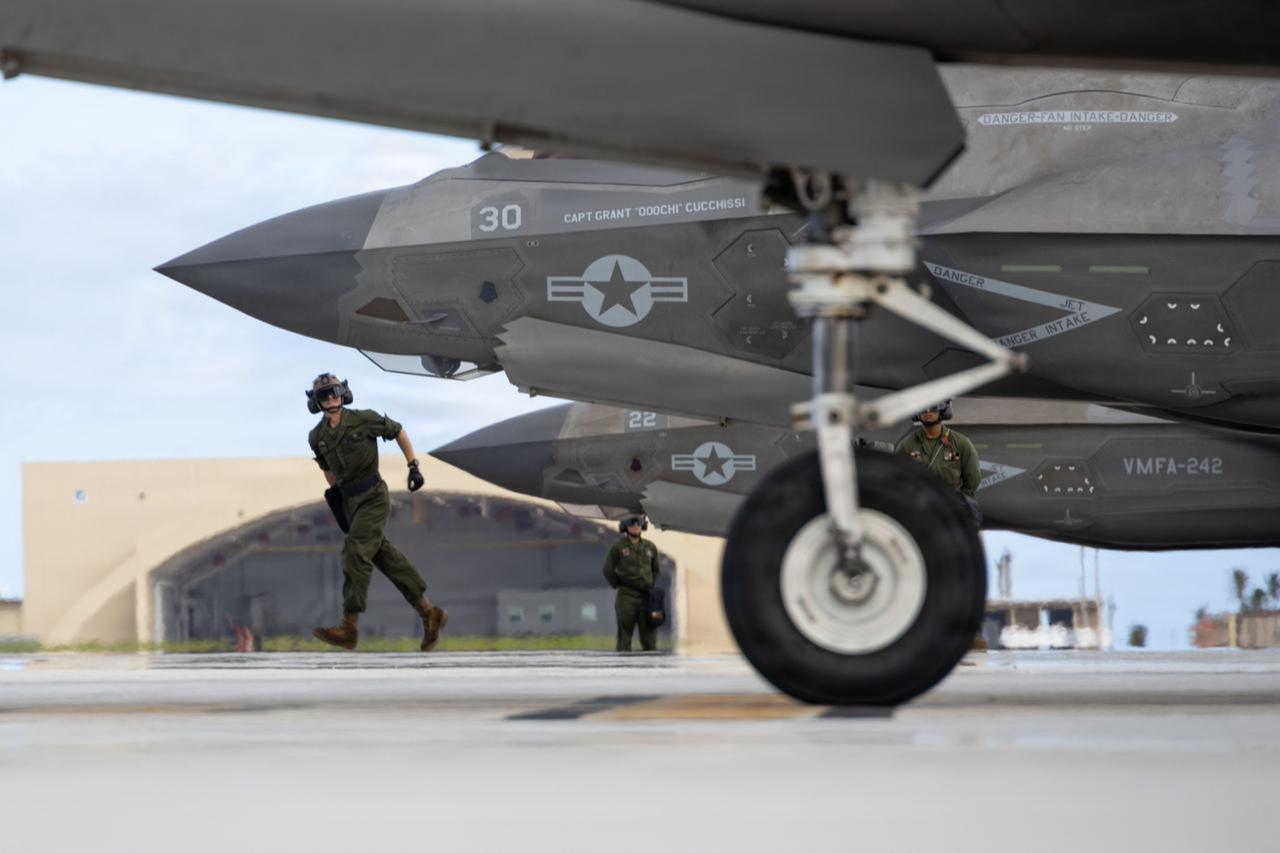
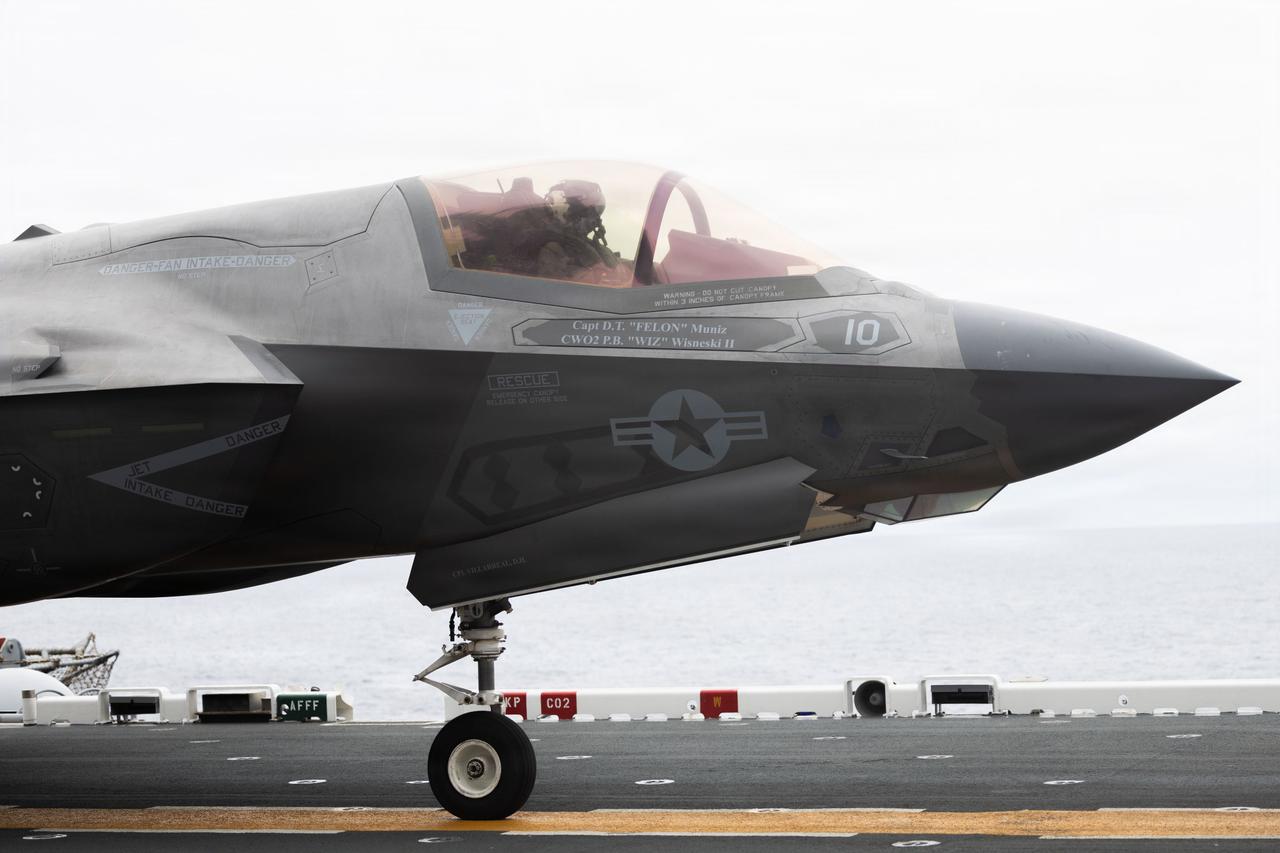
It was reported that if the process moves forward, the first issue likely to be addressed is the six F-35 jets Türkiye already paid for. According to the report, the first of the six aircraft was built in 2018, and the sixth was completed in mid-2019, but all six remained in the United States and were never delivered after Türkiye's removal from the program.
The report said scenarios discussed in Washington include delivering these six jets as an interim step before Türkiye's full return to the program, though this would require the aircraft, which have sat since 2018, to undergo renewed maintenance, along with training new pilots and recertifying maintenance personnel.
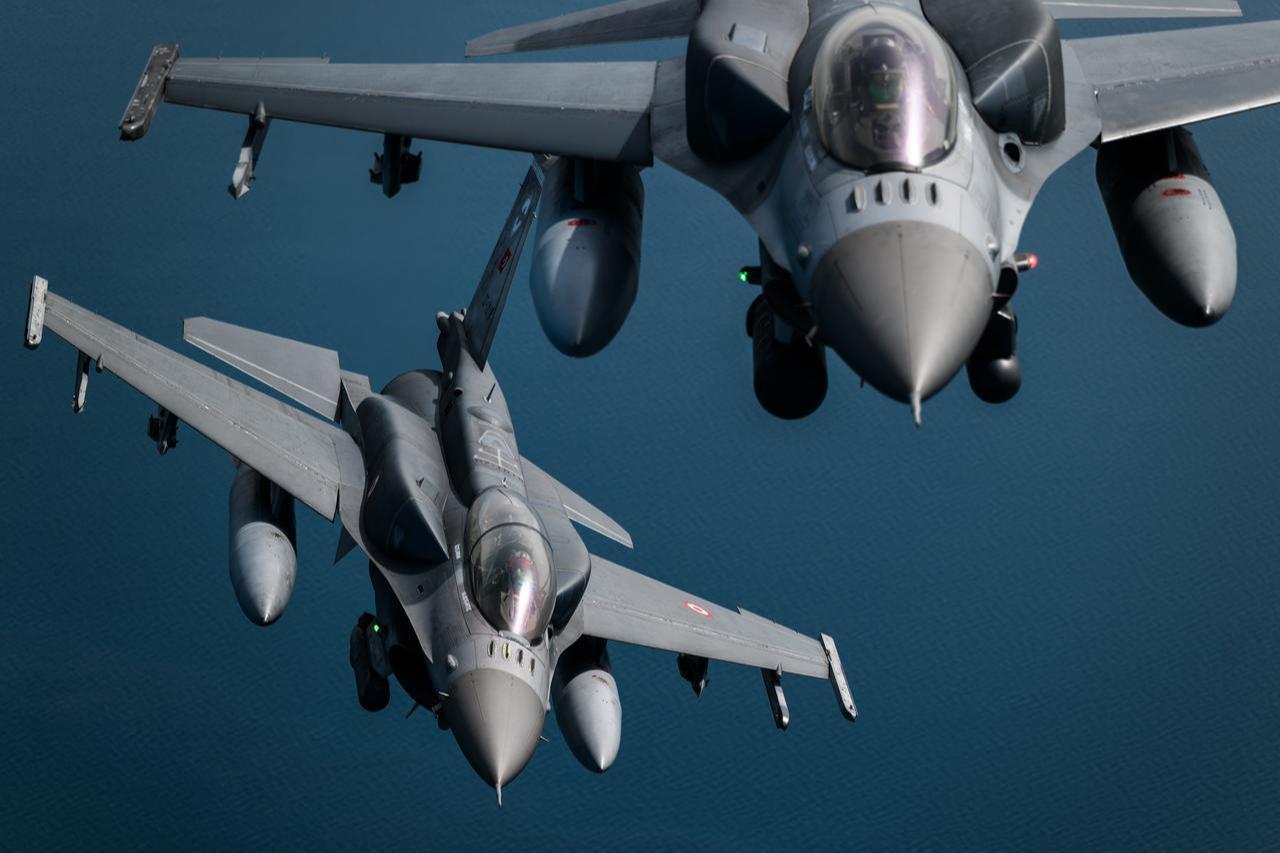
It was reported that Türkiye has dropped the modernization-kit component from its F-16 discussions, though a contract remains on the table for 40 new F-16 jets, for which an advance payment has already been made.
According to the report, the U.S. side's request to include additional production-line costs and new mission computers in the package has reopened negotiations, with the resulting higher cost currently posing a problem between the two countries.
Hurriyet said progress on CAATSA and the F-35 file could strengthen the chances of the F-16 package being revisited.
The Turkish media outlet reported that the fastest-advancing track is the export of engines for Türkiye's KAAN fighter jet, since that process runs primarily through U.S. export licenses, company approvals and executive decisions rather than the more complex F-35 pathway.
According to the report, the congressional objection period for a deal covering more than $700 million and the delivery of 80 engines to Türkiye—enough for roughly 40 KAAN jets at two engines each—was set to expire on July 9. The report noted that Washington's approval of these engine exports serves as a diplomatic signal that the U.S. is willing to resume defense-industry cooperation with Ankara, opting to begin with more limited projects rather than the highly sensitive F-35 dossier.
Separately, during a news conference following the conclusion of the summit, Reuters' Humeyra Pamuk asked President Erdogan what Trump had told him regarding the F-35s, pointing to Trump's earlier statement that he had not yet made up his mind. Pamuk also asked what steps Türkiye would take to divest itself of the S-400 systems, given that U.S. law strictly requires the country to no longer possess the hardware before any F-35 sale can proceed.
Erdogan responded: "Stay tuned."


 Set as preferred source
 Set as preferred source


 1 min read
 1 min read