Newsletters


Türkiye said Wednesday that the cockpit voice recorder and flight data recorder recovered from a private jet crash that killed Libya’s armed forces chief and his aides will be analyzed in a neutral country to determine the cause of the accident.
“The analysis of the voice recorder and flight data recorder to determine the cause of the aircraft's crash will be carried out in a neutral country,” Transport and Infrastructure Minister Abdulkadir Uraloglu said in a post on X, adding that the findings would be shared “with full transparency.”
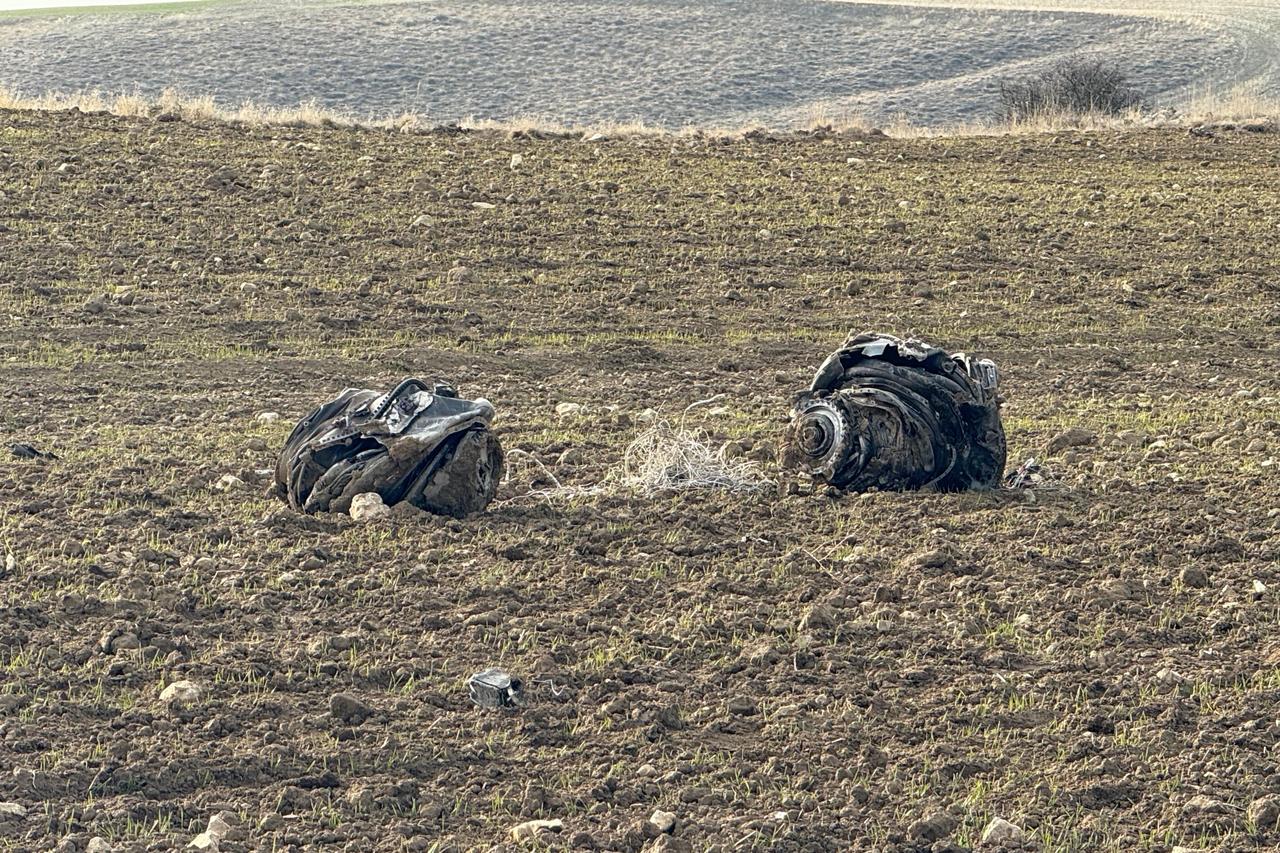
Turkish authorities earlier on Wednesday recovered the cockpit voice recorder and flight data recorder from the wreckage of the Falcon 50 business jet, which crashed near the capital Ankara on Tuesday, killing all eight people on board.
The aircraft, which was returning to Tripoli, requested an emergency landing minutes after takeoff from Ankara’s Esenboga Airport due to an electrical failure, Turkish officials said. Contact with the plane was subsequently lost.
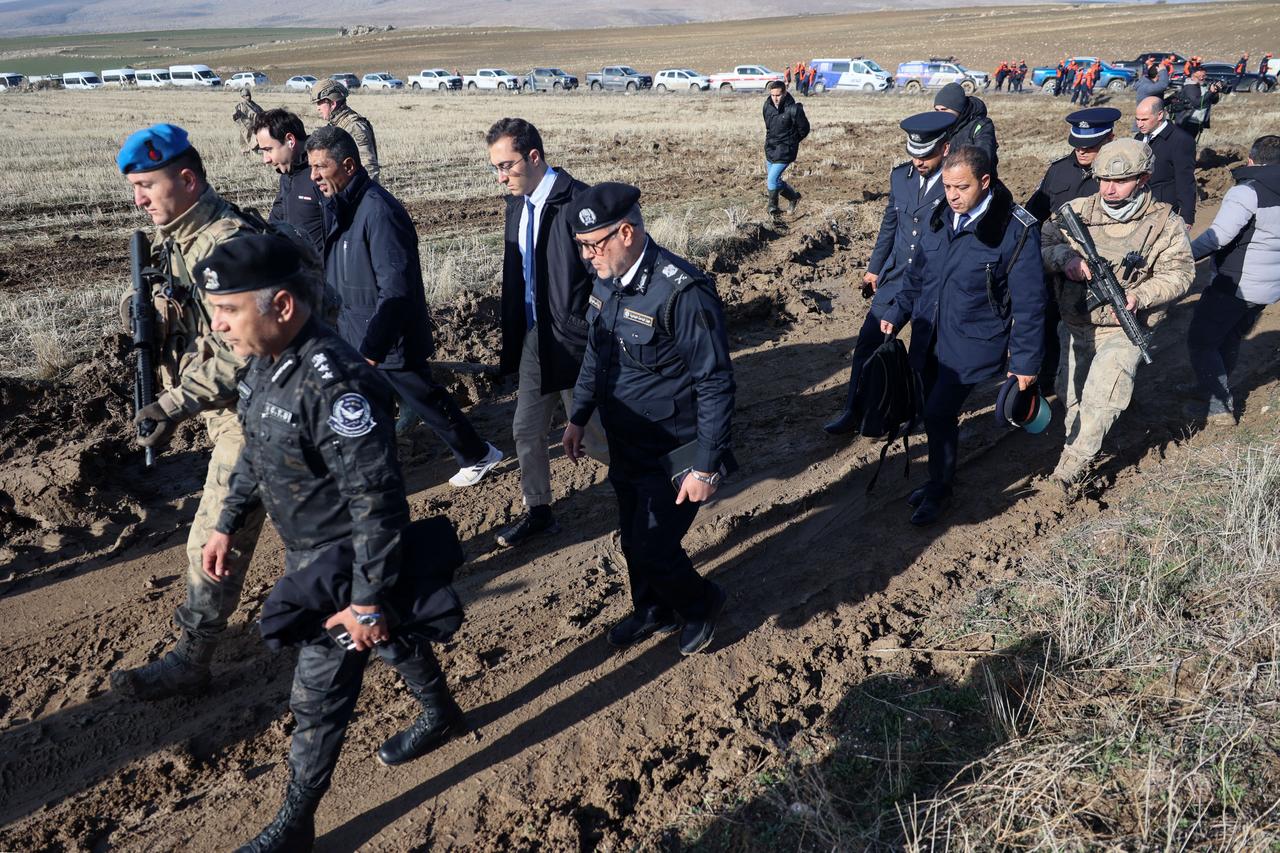
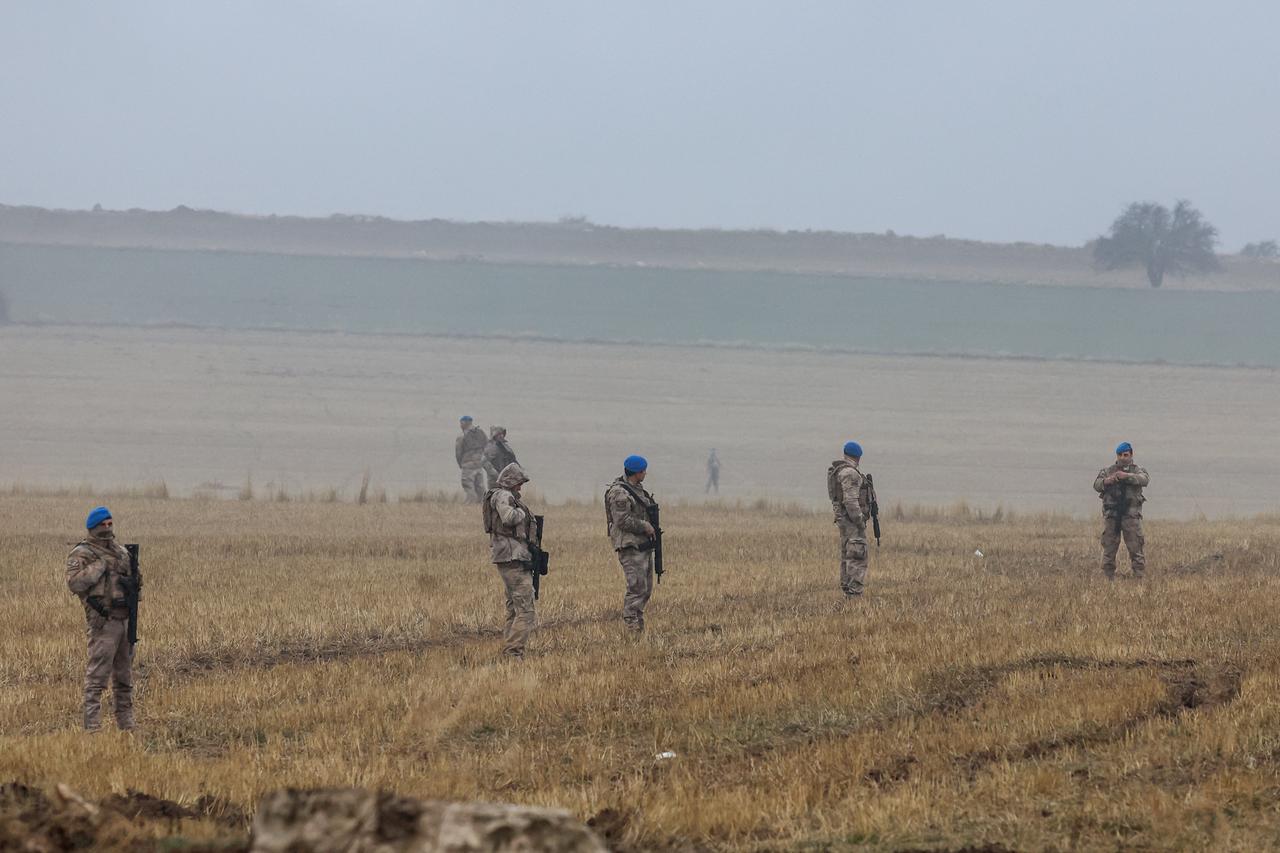
The wreckage was located by Turkish security personnel in the Haymana district south of Ankara.
Interior Minister Ali Yerlikaya told reporters at the crash site that both the voice recorder and flight data recorder had been recovered.
“The examination and evaluation processes of these devices have been initiated,” Yerlikaya said.

Among those killed was Libya’s armed forces chief of general staff, Lt. Gen. Mohammed al-Haddad, along with four members of his delegation and three crew members.
The Libyan delegation had been in Ankara for official talks with Turkish military officials.
Libyan Prime Minister Abdulhamid Dbeibah expressed “deep sadness and great sorrow” over the deaths.
Yerlikaya said the crash site covers approximately three square kilometers (one square mile) and that the bodies were still being recovered. A 22-member Libyan delegation, including five relatives of the deceased, has arrived in Ankara.
A total of 408 personnel from Türkiye’s disaster agency AFAD, police and health services are working at the scene, while drones are providing real-time imagery, he added.
The Ankara Chief Public Prosecutor’s Office has launched a formal investigation into the crash.
Tolga Tuzun Inan, an academic at Istanbul-based Bahcesehir University, told private broadcaster NTV that a single electrical failure would not normally leave an aircraft completely inoperative.
“When multiple triggering factors combine with meteorological conditions, such a situation may occur,” he said, adding that black box data would be crucial but analysis could take several months.
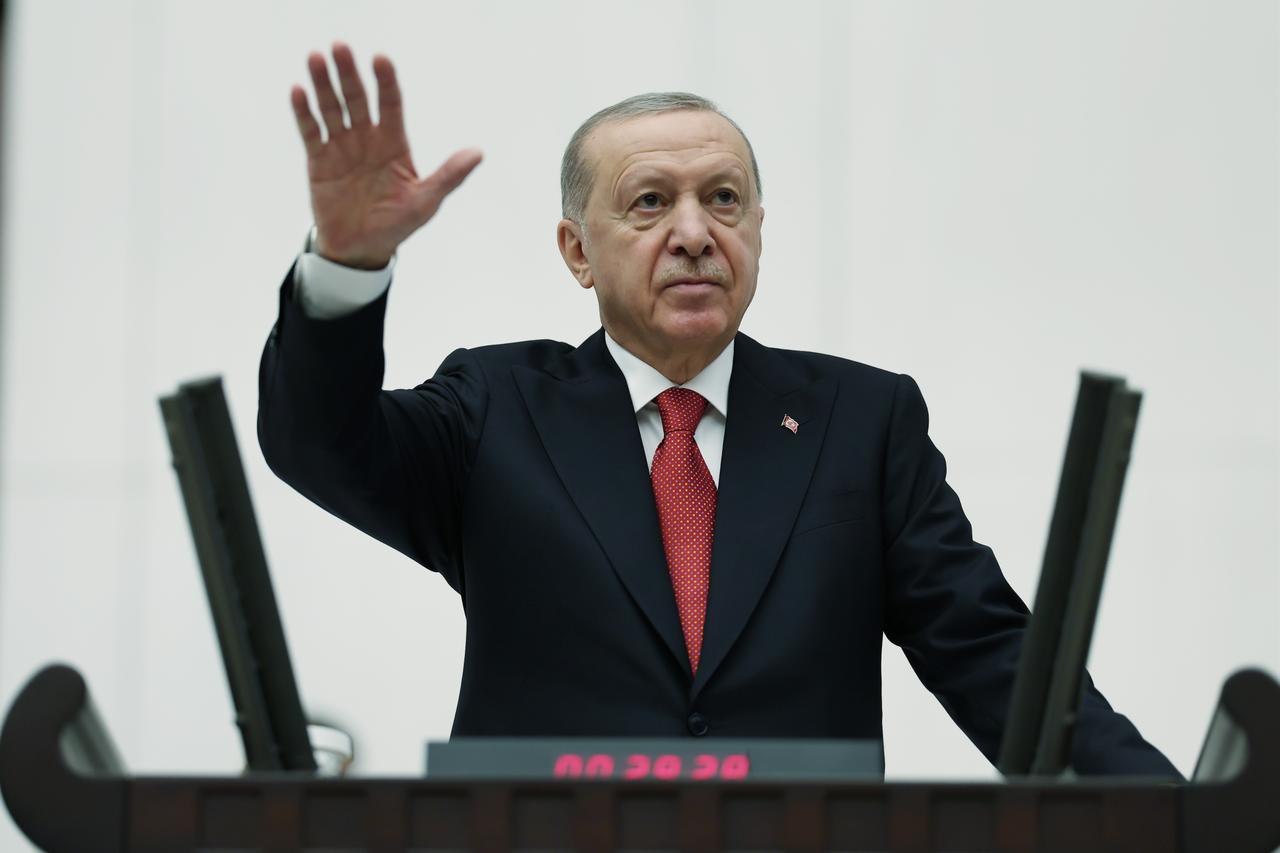
Turkish President Recep Tayyip Erdogan also addressed the incident on Wednesday, offering condolences during a Justice and Development (AK) Party meeting in Ankara.
“The necessary investigation has been launched into the tragic incident involving an aircraft carrying a Libyan military delegation, which deeply saddened us,” Erdogan said.
He extended condolences to the “brotherly Libyan people,” the Libyan armed forces and the government on behalf of Türkiye, following the deaths of Haddad, his aides and the crew.
Erdogan said relevant ministries would continue to provide information on the investigation.
Search and recovery operations continued overnight despite heavy rain and fog, with coordination managed from a mobile command center established by AFAD near the crash site.


 Set as preferred source
 Set as preferred source


 1 min read
 1 min read