Newsletters


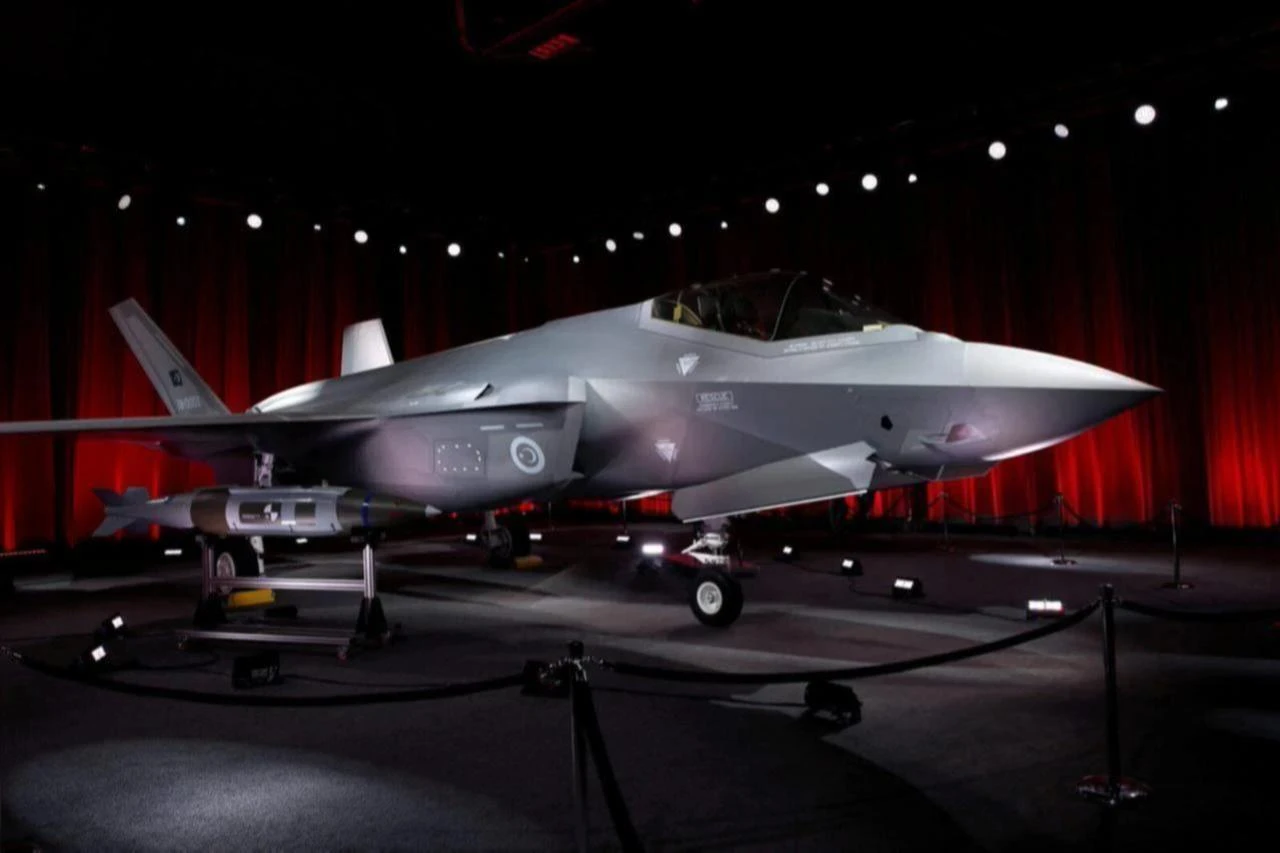


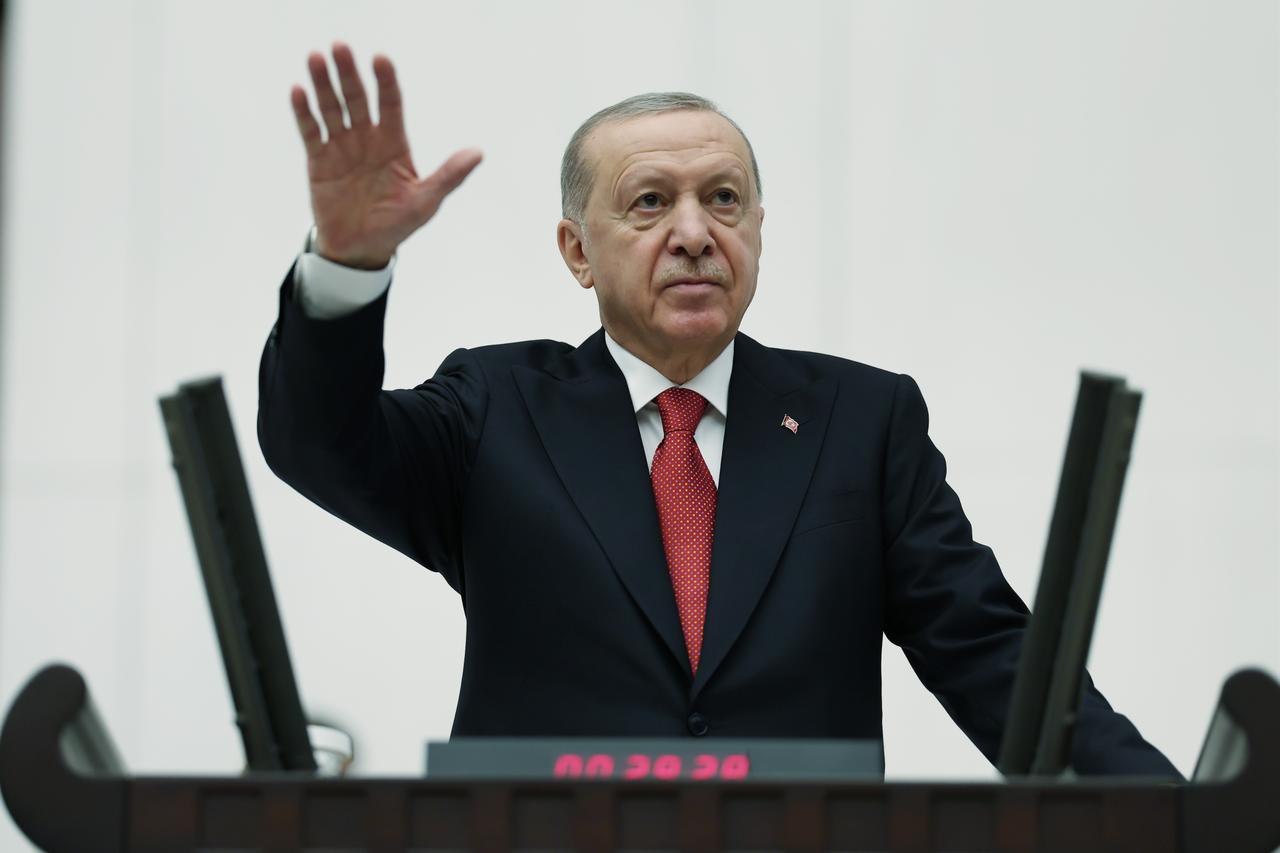
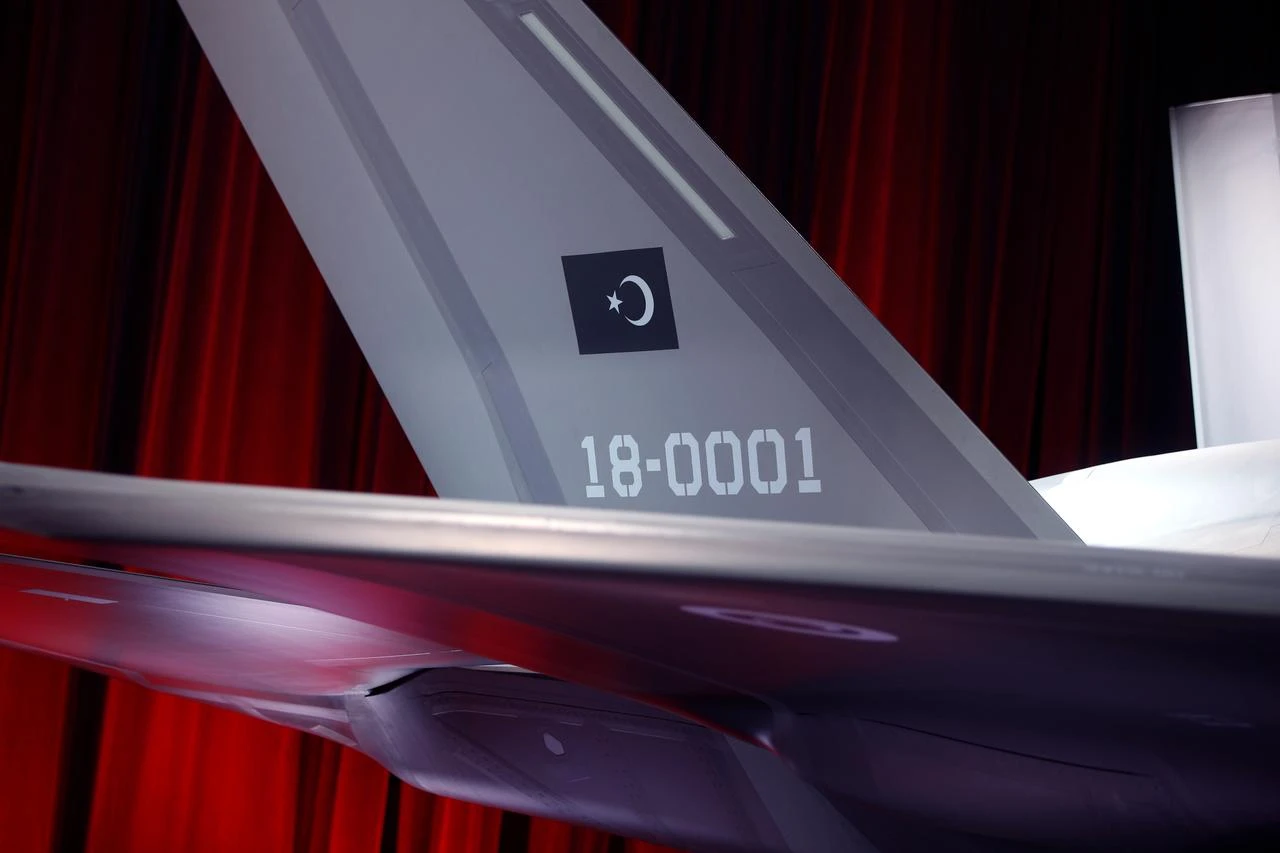
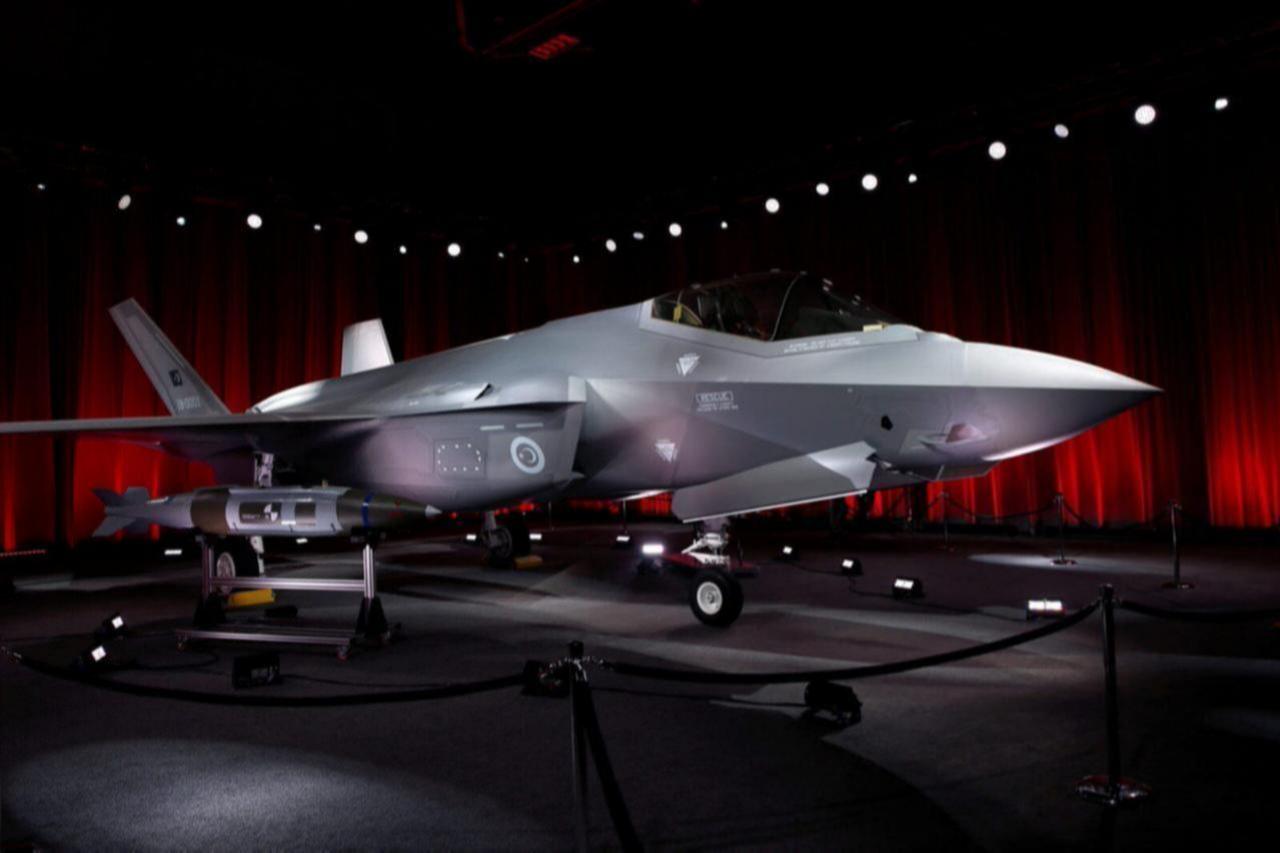
Deputy foreign minister said Thursday that Türkiye and the United States are closer than ever to resolving a years-long dispute over U.S. sanctions and Ankara's exclusion from the F-35 fighter jet program, expressing confidence that both sides can finally close a chapter that has strained the NATO allies' defense relationship for more than a decade.
Speaking at a conference organized by the Atlantic Council in Washington, Deputy Foreign Minister Ambassador Levent Gumrukcu said the two countries are working through multiple options to satisfy both American legal obligations and Turkish political and economic considerations.
"This time we truly feel closer," he said. "We believe we can resolve this issue and leave this problem behind."
Gumrukcu said that resolving the dispute became a top priority with the return of President Donald Trump to the White House, after which a joint political and military working group was established between the two countries.
While declining to offer specifics on the shape or timing of any deal, he said the current moment is distinct from previous failed attempts.
"For the first time, actually for the first time in the last 10 to 15 years, when we reach an agreement, we have full confidence that the U.S. administration will also fulfill its own obligations under that agreement," he said.
Türkiye was removed from the F-35 program in 2019 following its acquisition of the Russian-made S-400 air defense system. The United States imposed sanctions on Ankara's defense procurement agency, the SSB, under the Countering America's Adversaries Through Sanctions Act, known as CAATSA, in December 2020, making Türkiye the first and only NATO ally to face such measures. Successive rounds of diplomacy under the Biden administration failed to produce a resolution.
Gumrukcu emphasized that the current effort extends well beyond simply rejoining the F-35 program. He described it as part of a broader initiative aimed at building what he called "much deeper defense industry cooperation" between the two countries, signaling that Ankara is seeking a structural realignment of the bilateral defense relationship rather than a narrow transactional fix.
On the original purchase of the Russian system, Gumrukcu framed it as a matter of urgent necessity, saying Türkiye had faced an acute air defense gap and been unable to procure alternative systems from its allies at the time.
"We had to buy the S-400 to fill an immediate gap," he said. "But right after, we told our allies it was a one-time purchase."
Gumrukcu also pushed back against opposition from members of the U.S. Congress, including some of Greek heritage, as well as statements from Greece itself. He called such opposition an unnecessary political stance, arguing that Türkiye had never commented on Greece's own defense procurement from the United States and other allies.
"We would only be pleased to see our allies strengthening their own defense capabilities," he said.


 Set as preferred source
 Set as preferred source


 2 min read
 1 min read