Newsletters




A Turkish court sentenced eight defendants for spying on behalf of Israel's Mossad intelligence service.
The court handed a 20-year prison term to a former police officer who prosecutors said ran surveillance operations against individuals targeted by Israeli intelligence, including tracking Iranians in Türkiye, at a time when the information could have been used to plan assassinations or abductions.
Istanbul's 24th Heavy Criminal Court convicted former police officer Hamza Turhan Ayberk of "serial political or military espionage" and sentenced him to 20 years in prison.
Seven co-defendants: Hakan Kabaca, Ercan Kama, Funda Kadayifcioglu, Mehmet Yetimova, Omer Burak Gezer, Ozkan Sahin, and Ismail Kaya, received sentences of four years and two months each for "obtaining information or documents related to state security as accomplices."
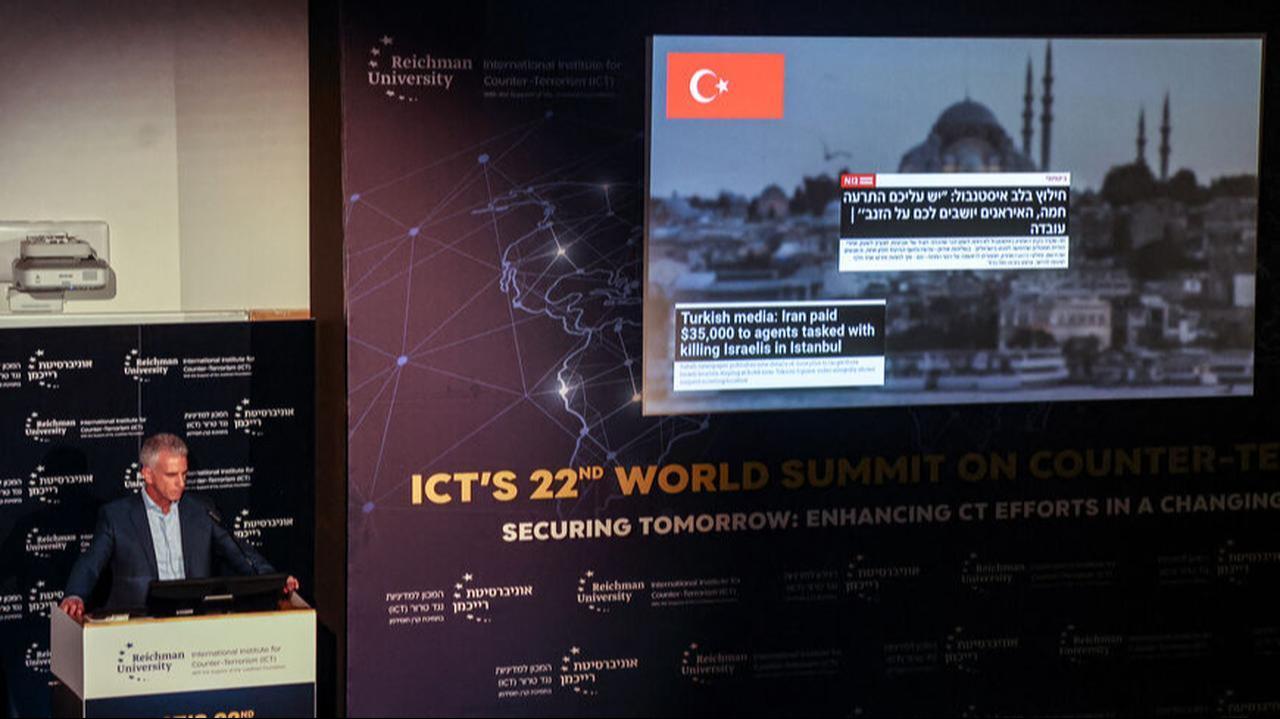

Prosecutors said Ayberk established contact with Mossad agents using the aliases "Victoria" and "Marc" and carried out espionage tasks on their behalf.
He met "Victoria" in Belgrade in 2019, which he confirmed in his own testimony, and subsequently took on assignments involving the surveillance and asset investigation of specific individuals.
Ayberk conducted hotel surveillance of one target, working alongside co-defendants Kama and Kadayifcioglu, and had asset research carried out by Yetimova, prosecutors said. He transmitted findings to his handlers via Skype and email.
In a separate assignment, Ayberk was tasked with tracking two Iranians, beginning surveillance at an airport with co-defendants Kama and Sahin.
Kabaca provided support during the operation.
Payments were made through bank transfers and cryptocurrency, and Ayberk confirmed in his testimony that he paid Kama and Sahin for their roles.
The prosecution said the defendants obtained and shared confidential information about individuals in Türkiye who were assessed to be targets of Israeli intelligence, including personal data, residence information, images and locations where these individuals gathered.
Prosecutors warned this information could have been used in later stages for "assassination or kidnapping" operations.
The prosecution noted that under international conventions, individuals who had sought refuge in Türkiye due to persecution, and who would face persecution if returned, had their residence, communication and workplace information classified as confidential.
"Current developments, with the State of Israel in a state of war with multiple states, increase the likelihood that people living in these states will face persecution," the prosecution stated.
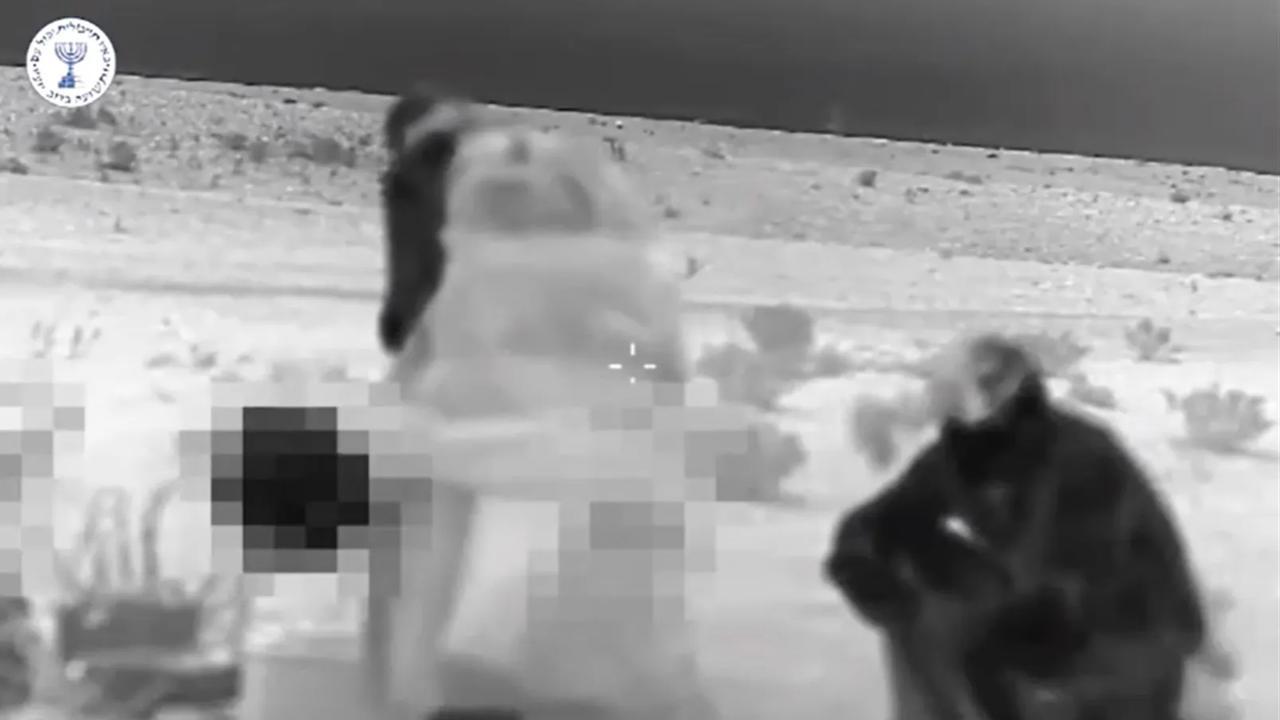
Financial intelligence reports confirmed the defendants received payment for their activities. Phone records showed Kabaca was in contact with Ayberk seven times and shared 1,483 common base station records across three of Ayberk's phone lines.
Kabaca also shared common base station data with Kaya 48 times, Yetimova eight times, Gezer twice and Sahin 82 times.
Ayberk stated in his testimony that he requested asset information, travel records, accommodation details and passport data from Kabaca in exchange for cash payments.
While the court ordered Ayberk to remain in custody, Kabaca was released under judicial supervision. The remaining defendants, who had been free pending trial, remain at liberty.


 Set as preferred source
 Set as preferred source


 2 min read


 1 min read