Newsletters




Türkiye is preparing a sweeping maritime zones law that would codify its 6-nautical-mile territorial waters limit in the Aegean Sea as a legal provision and confirm the 12-nautical-mile limits in the Black Sea and Mediterranean.
Greece's foreign and defense ministers immediately condemned the bill as unilateral, legally void, and consistent with Türkiye's "increasingly revisionist goals," according to reporting by Oksijen's Metin Kaan Kurtulus, who cited diplomatic sources familiar with the draft.
Diplomatic sources cited by Kurtulus said the bill is needed to create "a framework law that will define Türkiye's rights and interests in the seas in accordance with international law and provide a legal basis for these authorities in Turkish domestic law."
The sources said the law would establish that all economic, scientific and environmental activities in the declared Turkish exclusive economic zone (EEZ), and all activities on the seabed and subsoil of the Turkish continental shelf, would be "subject to the permission and/or consent of the Republic of Türkiye."

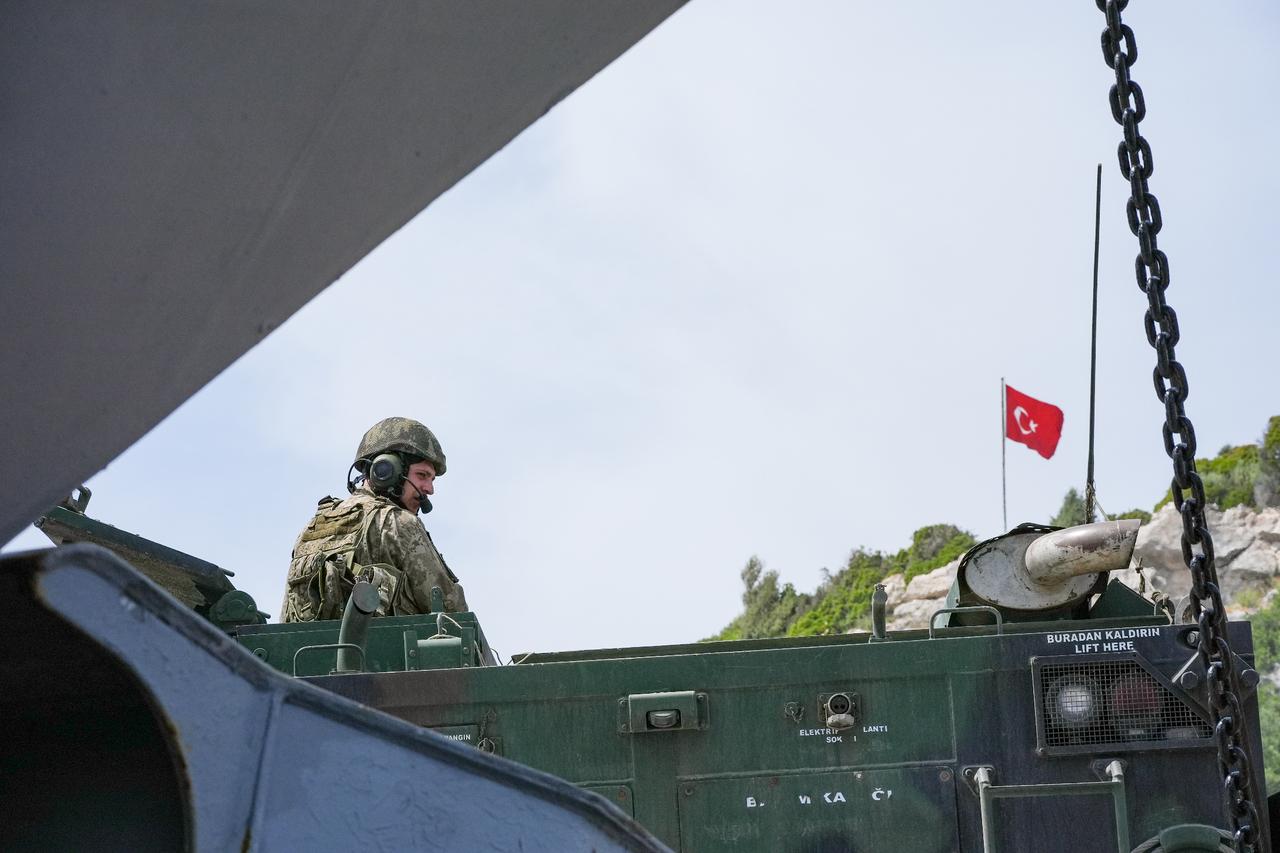
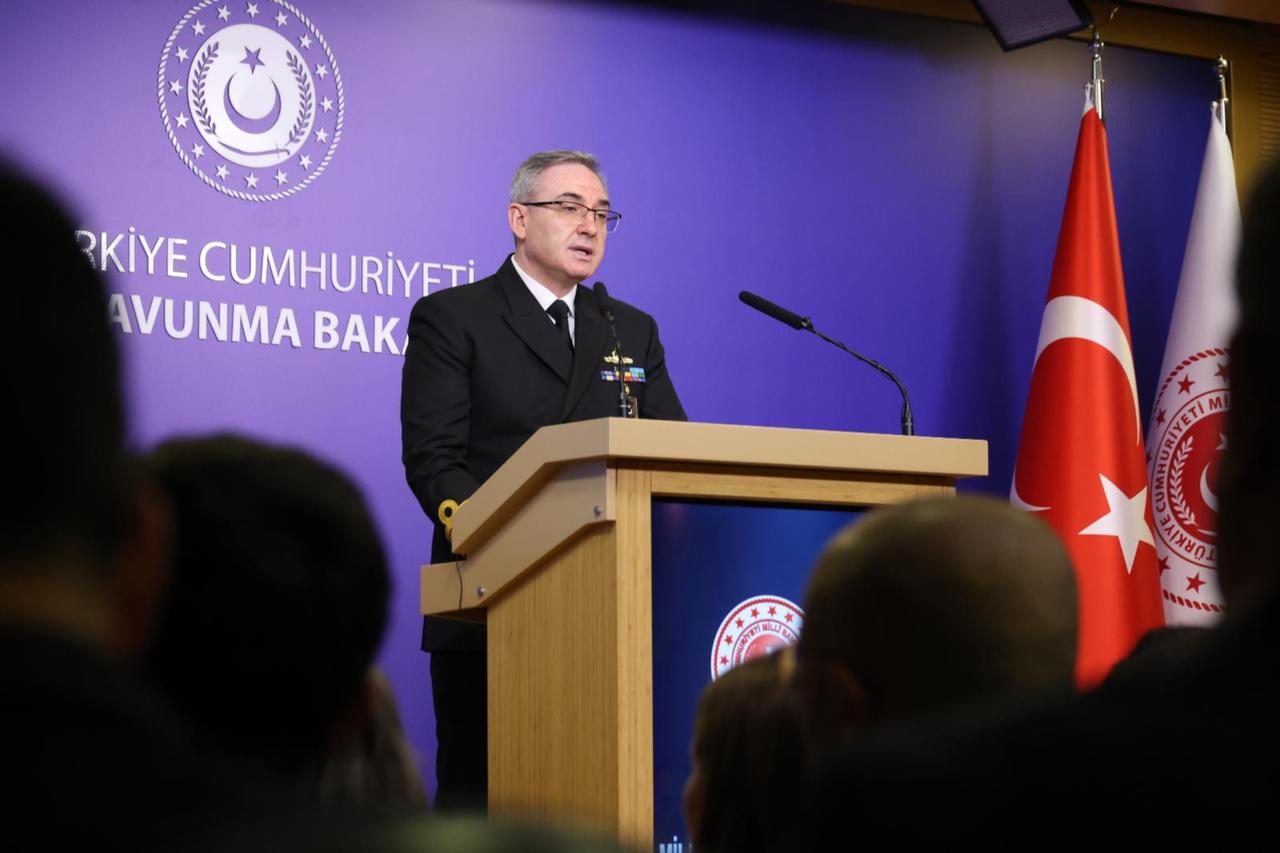
The Turkish Ministry of National Defense (MoND) confirmed its involvement in a statement, saying the Maritime Zones Law bill is "a framework law that will determine responsibilities in our jurisdictions in the seas and address deficiencies in our domestic legislation."
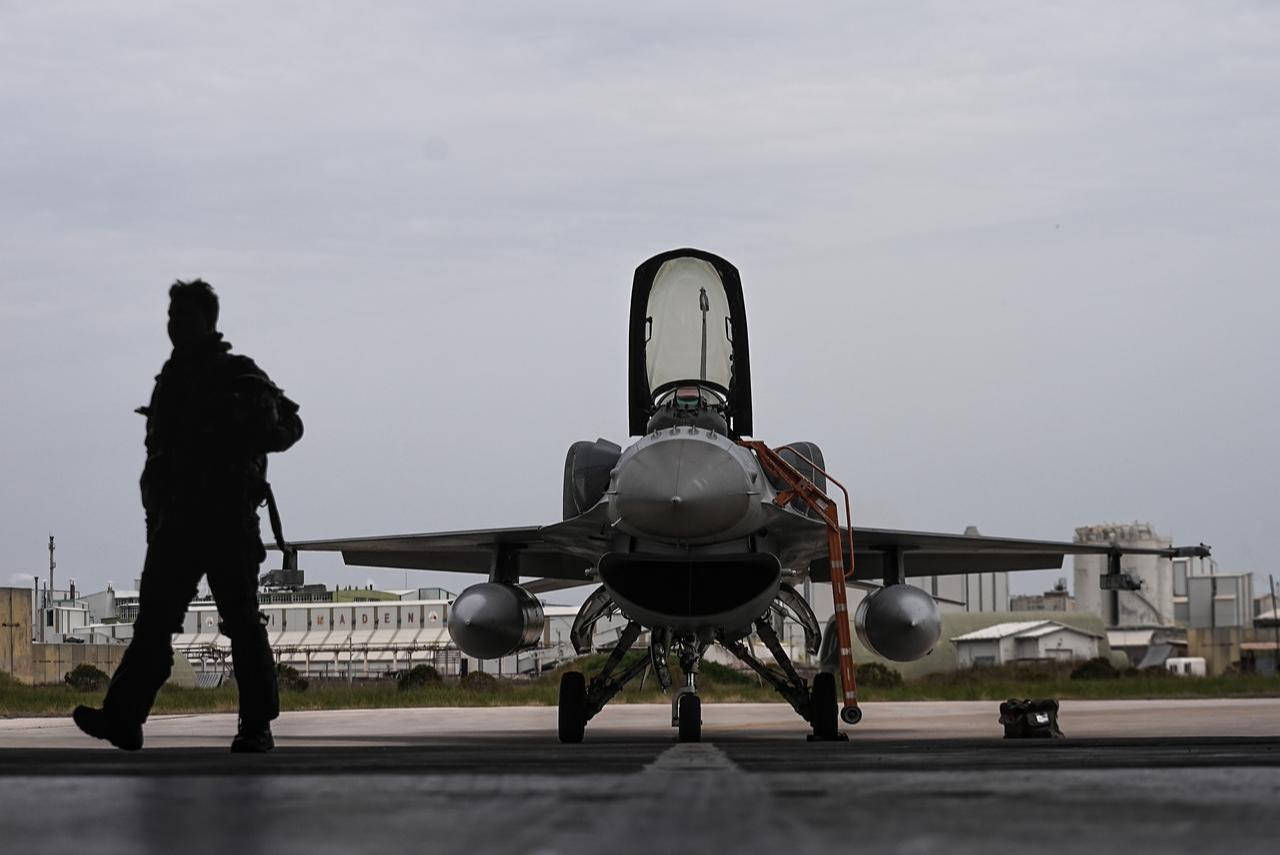
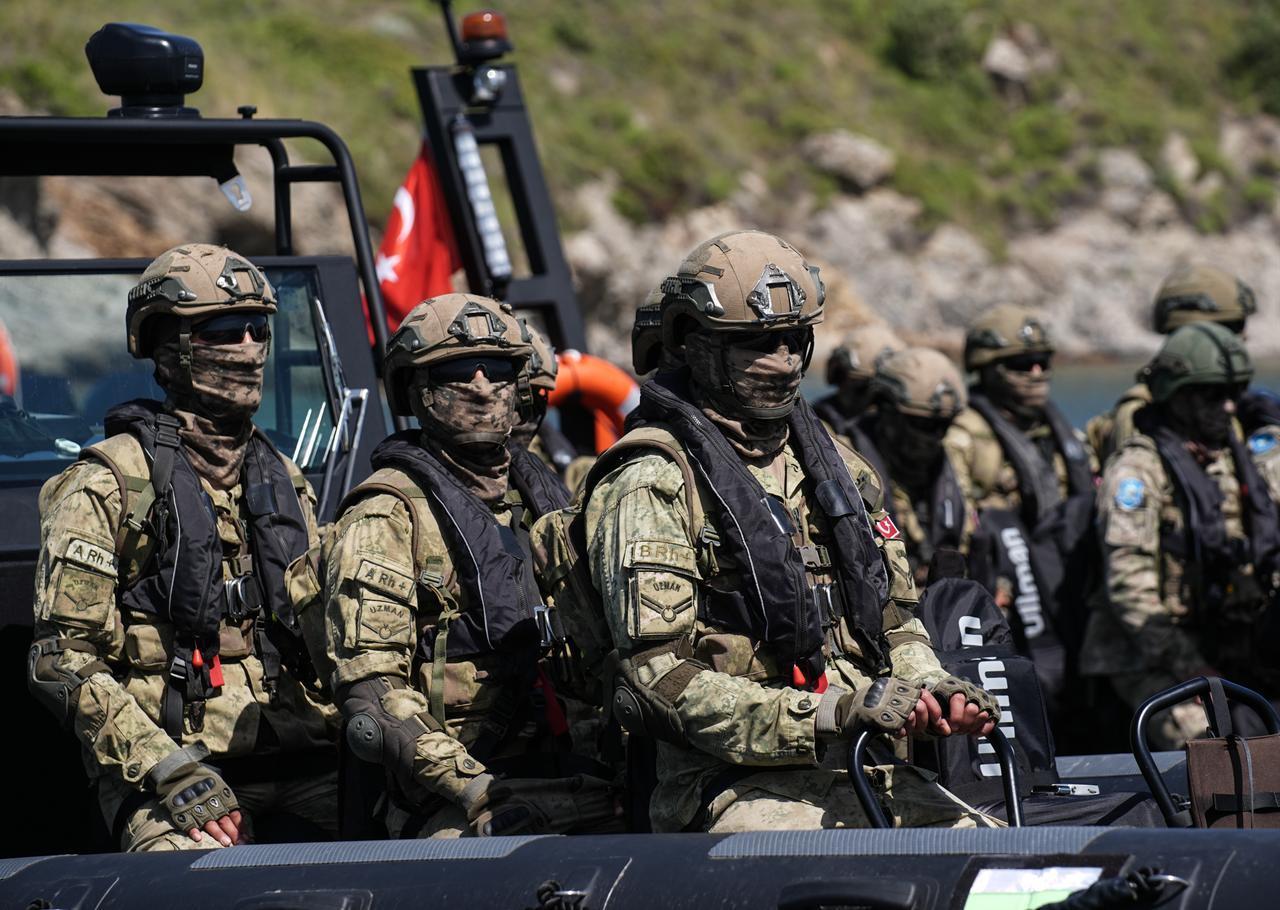
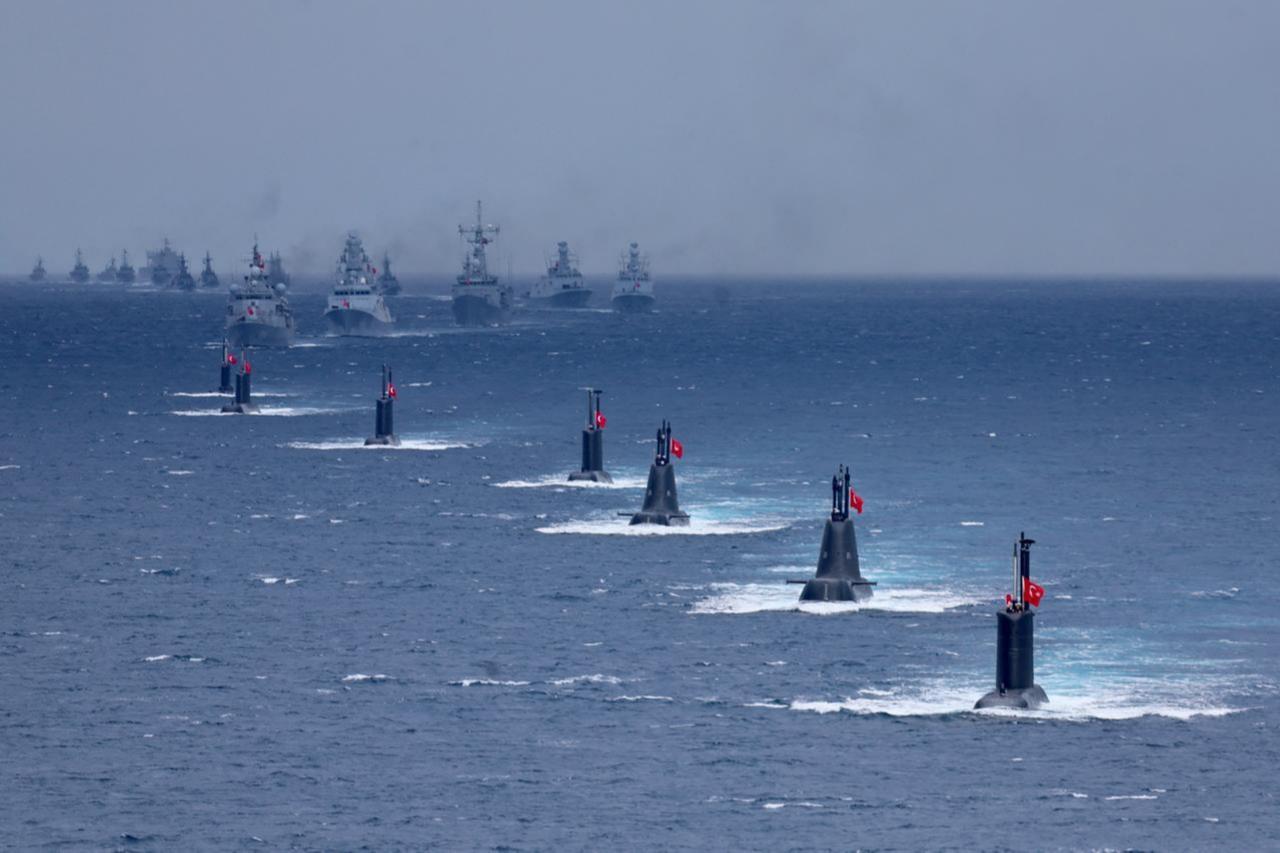
The MoND added that "the Turkish Armed Forces will continue to protect the rights and interests of our country in its maritime jurisdictions with the same determination as always."
Ankara University's Maritime Law Research Center Director Mustafa Baskara recently said the draft "grants the Republic of Türkiye exclusive sovereign rights in the management of living and non-living resources, minerals, hydrocarbons and energy resources such as currents, tides, wind and solar in the seabed, subsoil and water column in areas constituting the Turkish exclusive economic zone."
At the center of the dispute is the United Nations Convention on the Law of the Sea (UNCLOS), which has been in force since 1994 and has been signed by 169 countries, excluding Türkiye.
The UNCLOS grants islands the same maritime entitlements as mainland coasts, including territorial seas, contiguous zones, exclusive economic zones, and continental shelves.
Türkiye's core position, as reported by Kurtulus, is that islands cannot generate an EEZ or continental shelf, a position that UNCLOS explicitly contradicts.
In the Aegean, both Türkiye and Greece currently maintain 6-nautical-mile territorial waters.
Greece has long asserted the right to extend its territorial waters to 12 nautical miles. The Turkish Parliament passed a resolution in 1995 declaring any such extension a casus belli, a cause for war. Kurtulus reported that diplomatic sources confirmed Türkiye would not back down from this position.
 1 min read
Greek Foreign Minister Giorgos Gerapetritis said Türkiye's proposed legislation "aimed at legitimizing the so-called 'Blue Homeland'" could not produce legal consequences under international law.
"International law must prevail over domestic intentions or visions, and that is how we conduct our bilateral relations," he said.
He stressed that UNCLOS provisions, even where Türkiye has not signed, formed part of customary international law binding on all states.
"If any country chooses to take unilateral measures which, under international law, should be organized on a multilateral or bilateral basis, those measures have only domestic effect and no international application," he said.
Greek Defense Minister Nikos Dendias claimed that Türkiye is pursuing "increasingly revisionist goals."
"All our islands have the rights envisaged by UNCLOS, no more, no less," he added.
Diplomatic sources in Athens told Greek media the situation remained "manageable" with communication channels functioning, but that Greece is preparing responses for all possible scenarios.


 Set as preferred source
 Set as preferred source


 1 min read