Newsletters


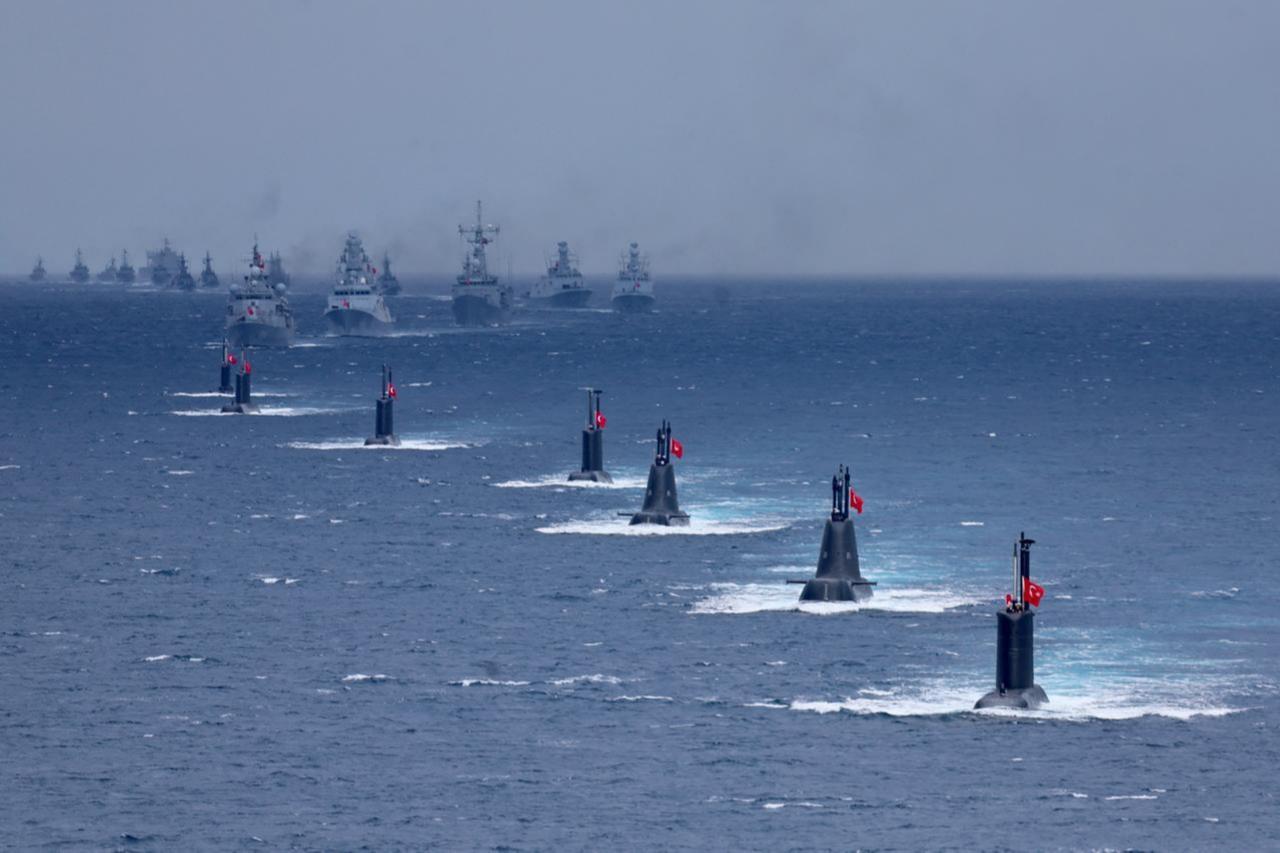


Following a preparatory process lasting more than a decade, the draft “Law on Turkish Maritime Jurisdiction Areas,” which will enshrine Türkiye’s sovereign rights at sea in domestic law, has been shared with the public.
Unveiled in detail at a press conference organized by Ankara University’s National Research Center for Maritime Law (DEHUKAM) on May 12, 2026, this draft bill represents a strategic transformation of Türkiye’s maritime policy.
Aiming to go beyond the 1982 Territorial Waters Law No. 2674, this legislation seeks to bring together under a single framework the fragmented structure relating to the continental shelf, the exclusive economic zone (EEZ), the contiguous zone, and the protection of marine resources.
The draft is expected to be submitted to the Turkish Grand National Assembly as a bill in the near future.
First and foremost, the draft in question is a concrete reflection of a fundamental shift in the mindset within Türkiye’s maritime law policy.
Türkiye is one of the few major maritime states that is not a party to the 1982 United Nations Convention on the Law of the Sea (UNCLOS); this stance has been utilized for years both as a defense mechanism and as a tool for strategic flexibility.
However, this flexibility has also brought with it legal uncertainty, making it difficult for Türkiye to defend its maritime claims on the international stage.
It is precisely at this juncture that the draft framework law addresses a fundamental shortcoming. As Türkiye is not a party to the UN Convention on the Law of the Sea, this legislation will incorporate the unwritten provisions of international law into domestic law. This, in turn, will strengthen Türkiye’s hand in international negotiations.
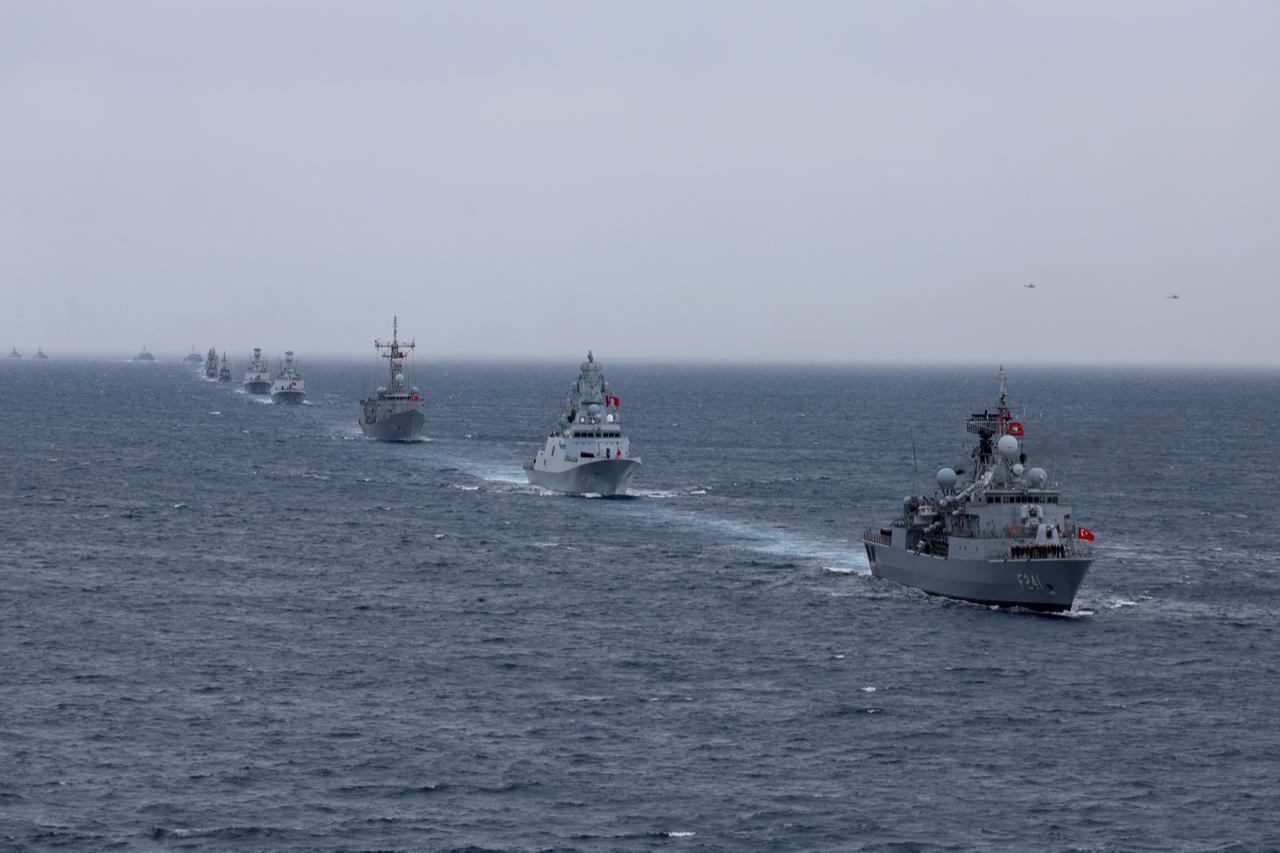

Türkiye’s existing legal framework on the law of the sea had been fragmented.
Regulations concerning territorial waters, the continental shelf, the exclusive economic zone and the contiguous zone were scattered across different pieces of legislation. In some areas, there were clear legal gaps. This situation made it difficult to defend Türkiye’s position, particularly in disputes in the Aegean and the Eastern Mediterranean.
While Türkiye’s arguments were strong at the level of political declarations, their counterpart in domestic law was insufficient.
The draft provides a comprehensive framework aimed at addressing this gap.
The draft covers Turkish internal waters, Turkish territorial waters, the Turkish continental shelf, the Turkish contiguous zone and the Turkish exclusive economic zone. It reaffirms at the level of law that the Istanbul Strait, the Canakkale Strait and the Sea of Marmara are part of Turkish internal waters.
This matter may appear to be a mere technical detail; however, it carries immense significance from the perspective of international law.
The incorporation of Türkiye’s understanding of sovereignty over the straits into the text of the law signifies that this position has moved beyond the realm of political rhetoric to acquire a legal basis.
For the first time, this law both explicitly mentions the Montreux Convention on the straits and clearly reflects the procedures relating to the straits regime at the level of legislation.
This provision anchors Türkiye’s historically assumed role as the administrator of the straits in a legal guarantee, establishing a robust framework within domestic law against potential revisionist claims regarding Montreux.
Another critical innovation in the draft concerns provisions relating to the management of energy and natural resources.
The draft law grants the Republic of Türkiye exclusive sovereign rights over the management of living and non-living resources, minerals and hydrocarbons in the seabed, subsoil and water column, as well as energy sources such as currents, tides, wind and solar energy, within the areas constituting Türkiye’s exclusive economic zone.
In today’s conditions, where energy independence is becoming increasingly important, the strategic value of this provision is indisputable.
At a time when hydrocarbon exploration activities and renewable energy investments in the Eastern Mediterranean are gaining momentum, Türkiye is now underpinning its sovereign rights over these resources with the assurance of the law.
The new law also grants the president the authority to designate special-status maritime areas for fishing, marine conservation and other purposes in zones where the EEZ has not yet been declared.
The concept of a “maritime area with special status” is a relatively new tool in the literature of international maritime law. Türkiye’s incorporation of this concept into its domestic law enhances its capacity to bring flexible and creative options to the negotiating table in potential resolution scenarios.
Perhaps the most nuanced provision of the draft is the regulation concerning delimitation.
Article 10 of the draft law provides that “relevant and specific conditions” shall be taken into account in determining the boundaries of maritime zones. This article provides a comprehensive legal safeguard within the context of Türkiye’s equity-based delimitation arguments.
This wording directly targets delimitation arguments in the Aegean Sea that are based solely on distance and purely geographical calculations.
For years, Türkiye has adopted a distinct stance regarding the impact of islands on the continental shelf and the EEZ, emphasising the principle of “relevant conditions” as derived from international court precedents.
This article now enshrines this stance in law.
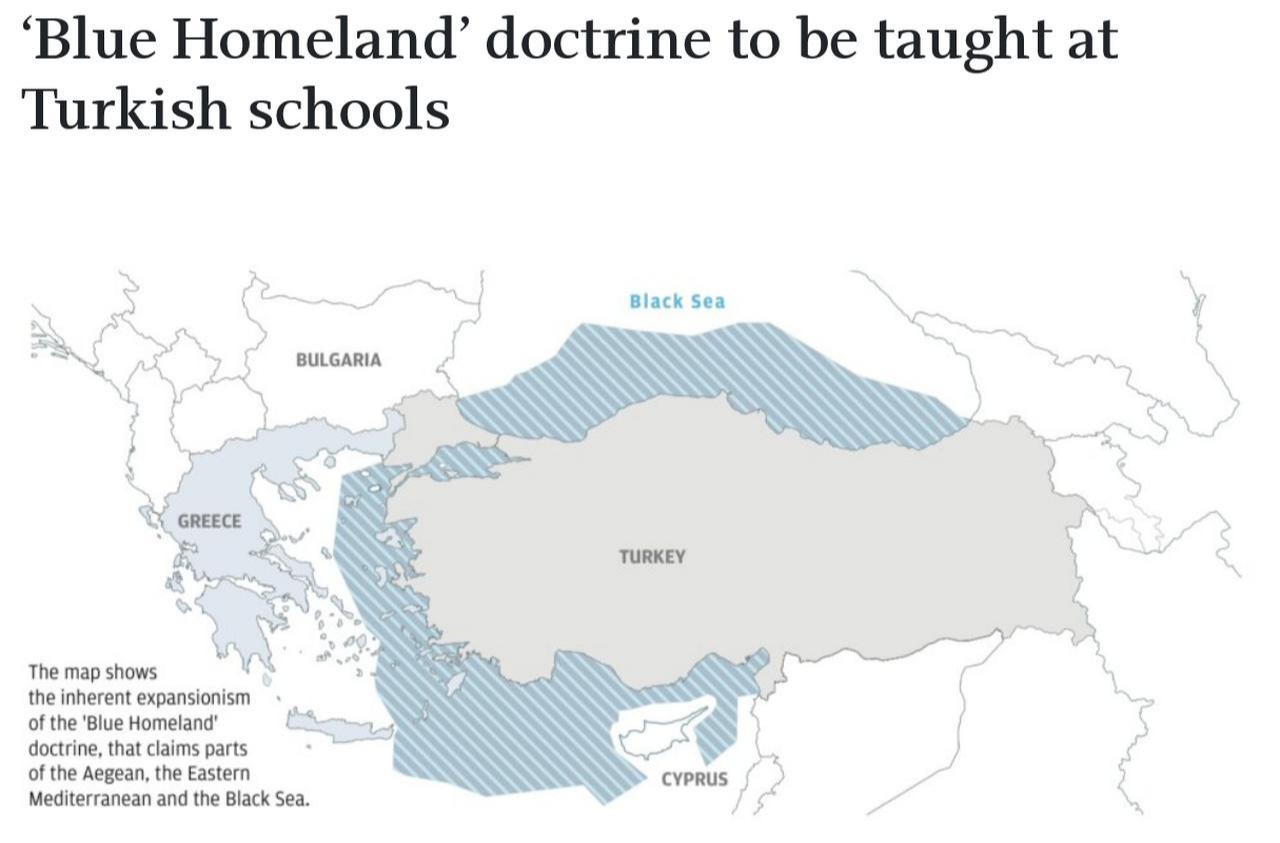
The regional implications of the draft present a far more complex picture than its legal dimensions. The aspect of the draft expected to provoke the most debate is its provisions concerning the Aegean.
Current practices regarding territorial waters will remain unchanged. The 6-mile territorial sea width will be maintained in the Aegean, whilst the 12-mile application will continue in the Mediterranean and Black Seas. At first glance, this decision may appear modest. However, it is significant as a strategic choice.
Türkiye has opted to maintain the status quo rather than reserving the right to switch to 12-mile territorial waters in the Aegean. In doing so, it has avoided steps that would escalate tensions with Greece whilst preserving its negotiating flexibility.
The draft bill also addresses the legal status of the islands, islets and rocks in the Aegean Sea—often referred to as the “grey zone”— which have occasionally caused tension. The definition and status of these geographical formations are set out in the text of the law in accordance with the principles of international maritime law.
The inclusion of the “grey zone” issue in the text of the bill gives concrete form to Türkiye’s position on this matter.
However, the fact that this provision has been drafted in carefully measured diplomatic language should be seen as a deliberate choice aimed at preventing Athens from interpreting the draft as a provocation.
Indeed, the draft’s architects have once again demonstrated their belief in resolving the Aegean issues through dialogue by explicitly emphasizing that the preparatory process was not aimed at Greece.
This statement is more than diplomatic niceties. It reflects an approach parallel to the exploratory talks Türkiye has conducted in recent years.
Ankara is taking care to maintain the delicate balance between asserting its rights and engaging in dialogue.
When considering the Black Sea dimension, it is evident that the draft gains significance against the backdrop of Russia’s 2022 invasion of Ukraine and the new security architecture that has emerged in its wake.
Türkiye is meticulously safeguarding its control over the straits and the mediating role it can play in the region. The draft also underpins this strategic position through legal instruments.
In the Eastern Mediterranean, however, the picture is complex.
Türkiye has cemented its presence in the region on a concrete legal footing through the Memorandum of Understanding on maritime jurisdiction areas signed with the Libyan Government of National Accord in 2019, which has sparked controversy.
The draft framework law strengthens the domestic legal foundation of this agreement. It provides a shield of legitimacy for Türkiye’s maritime boundary claims.
The draft’s significance on the international stage cannot be overlooked.
Turkish maritime law experts emphasize that Türkiye has moved beyond merely being an active player in the application of maritime law terminology to becoming a state that directly contributes to the processes of developing and codifying these concepts.
This observation points to a far more assertive position than is commonly assumed.
Türkiye, which is not a party to the UNCLOS, is effectively seeking to shape the jurisprudence of international maritime law through its domestic legislation.
The incorporation of the principle of special circumstances, the straits regime and the criteria for delimiting the EEZ into the text of the law has the potential to establish a precedent for Türkiye’s stance in this area.
Of course, a careful assessment of this situation is also required.
The enactment of the draft legislation will not resolve existing tensions. Indeed, it may be interpreted by some circles as a factor fuelling such tensions.
The fact that Türkiye is the only major maritime state not to be a party to the UNCLOS limits the international binding force of a stance supported solely by domestic law.
Türkiye’s ability to put its positions into practice on the international stage will continue to depend on bilateral agreements, negotiations and, from time to time, deterrent naval operations.
However, the draft’s fundamental significance lies not so much in the outcome as in the process.
This document, the product of over a decade of coordinated work by the Ministry of Foreign Affairs, the Ministry of National Defence, the Presidential Policy Councils and academic circles, demonstrates that Türkiye’s maritime policy is now being conducted with an integrated, consistent and institutionalized approach.
This approach will also provide a strategic roadmap for future governments.


 Set as preferred source
 Set as preferred source


 2 min read

 1 min read