Newsletters


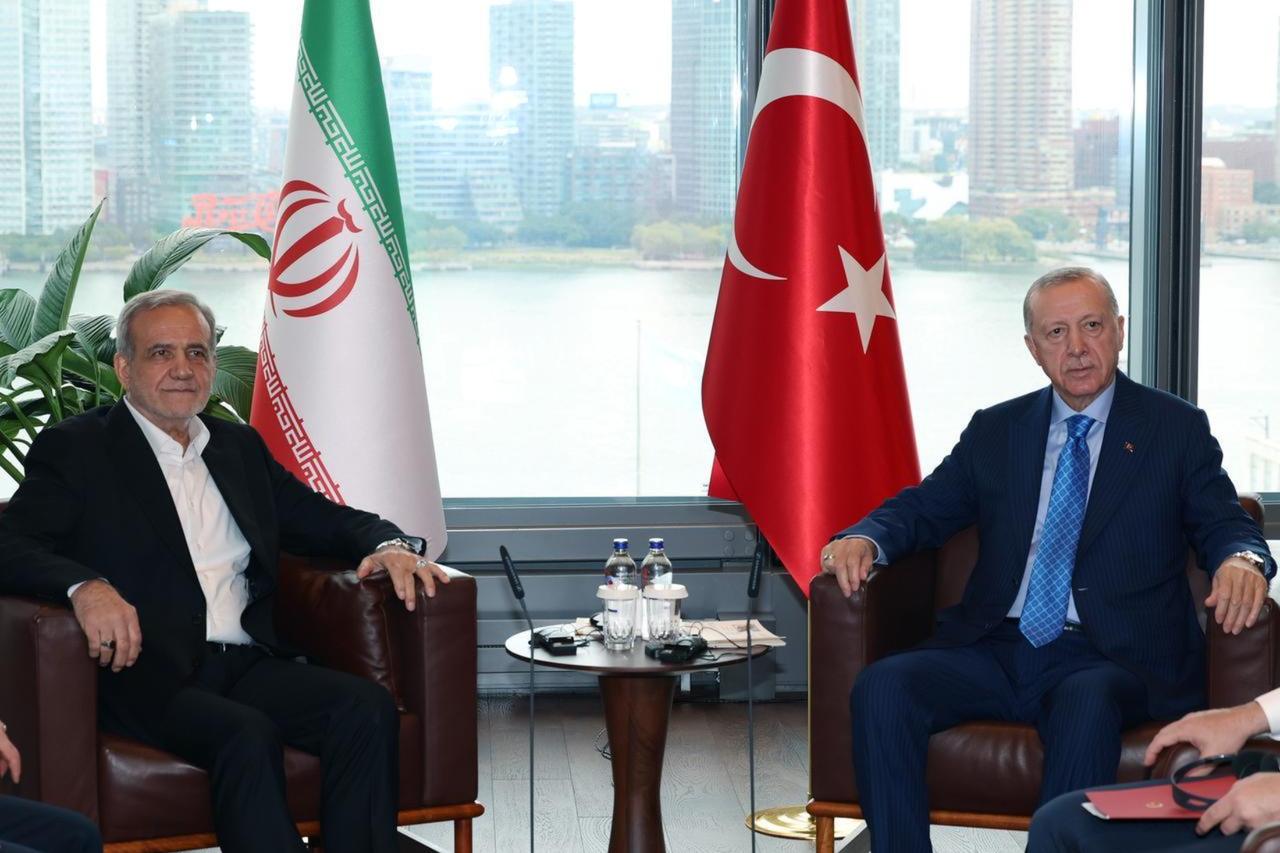


Türkiye, Egypt and Qatar are working to organize a meeting between a senior White House envoy and Iranian officials in Ankara later this week, according to regional sources, as the Trump administration signals openness to negotiations while simultaneously deploying substantial military assets to the Gulf.
The three countries that brokered the recent Gaza ceasefire are now coordinating efforts to bring together White House envoy Steve Witkoff and senior Iranian officials in the Turkish capital, two regional sources said. A second U.S. official confirmed the potential meeting could occur this week.
"It is moving. We are doing our best," an official from one of the mediating countries said.
The diplomatic push comes as President Donald Trump has ordered a massive military buildup in the Gulf region, heightening concerns about whether dialogue can prevent a U.S. strike on Iran and a broader regional conflict. White House officials say Trump has not made a final decision on military action and remains open to a diplomatic resolution.
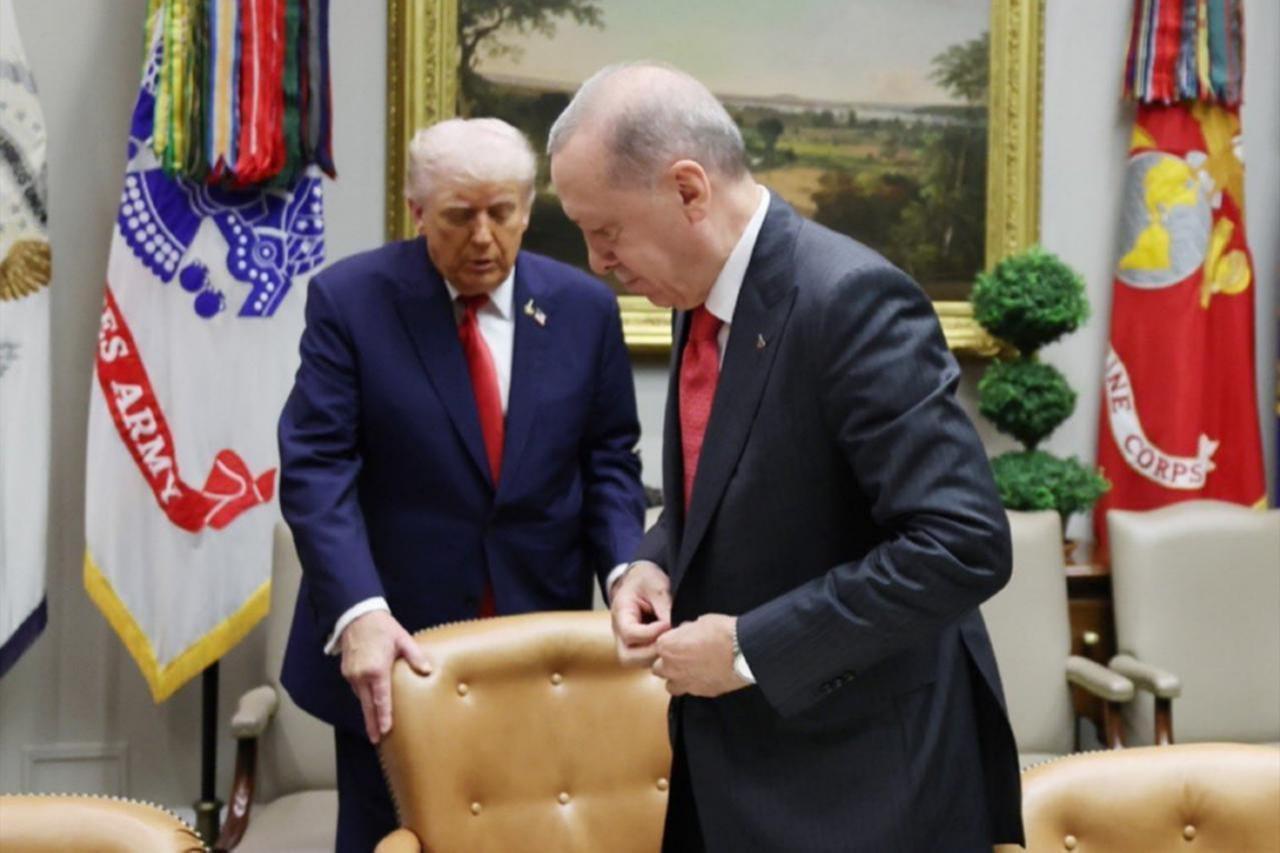

The Trump administration has communicated through several channels its willingness to meet and negotiate a deal, a senior U.S. official said. U.S. officials emphasized that Trump's recent comments about negotiations are genuine, though uncertainty remains about whether Iran's Supreme Leader Ayatollah Ali Khamenei will authorize diplomats to reach terms acceptable to Washington.
Qatar, Egypt and Türkiye have been conducting parallel discussions with both sides while coordinating their mediation efforts, sources said.
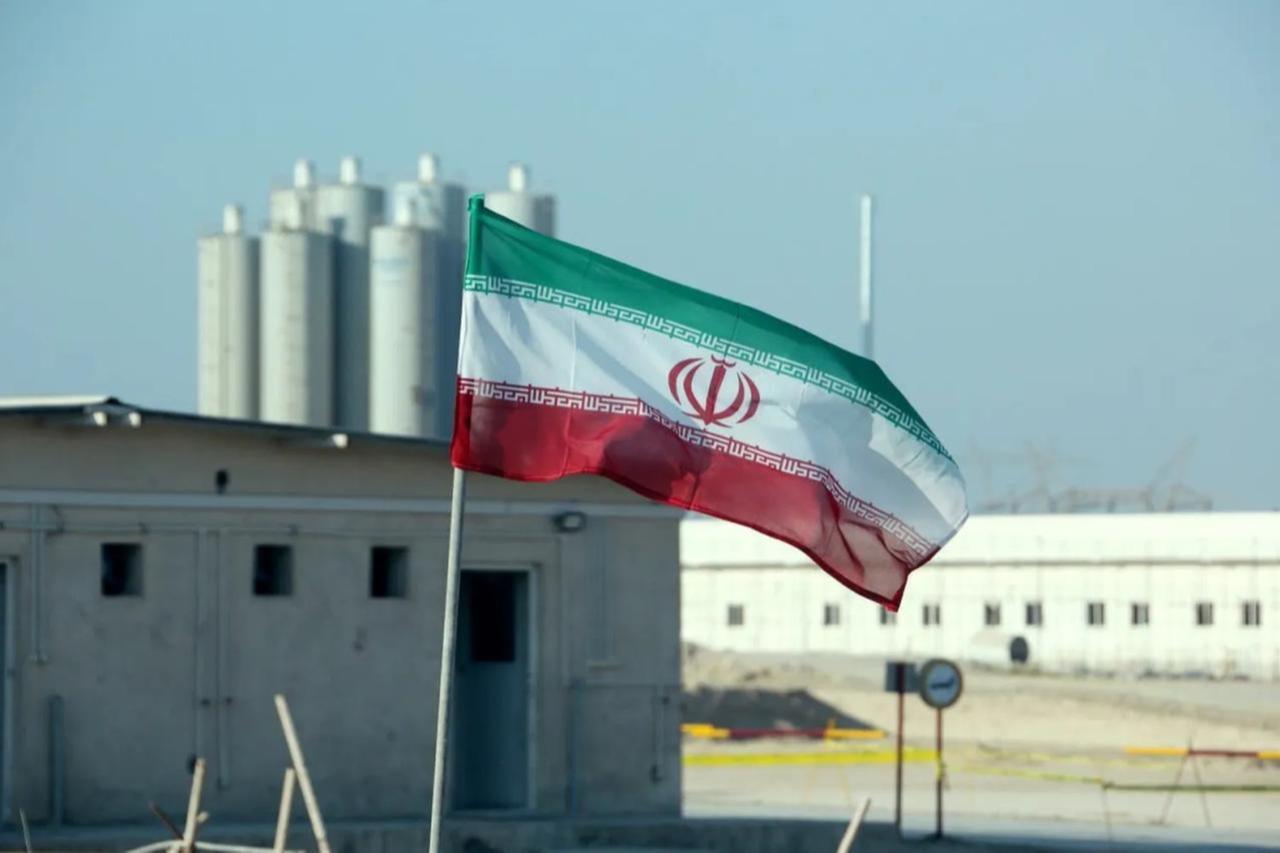
Iranian Foreign Minister Abbas Araghchi told CNN Sunday that "friendly countries" are attempting to build confidence between the two nations, describing these efforts as "fruitful." He expressed openness to further talks if the U.S. negotiating team pursues what he called a "fair and equitable deal to ensure there are no nuclear weapons."
 1 min read
Qatari Prime Minister Mohammed bin Abdulrahman Al Thani visited Tehran on Saturday, meeting with Ali Larijani, secretary of Iran's Supreme National Security Council and a close confidant of Khamenei. Following the meeting, Larijani wrote on social media platform X that "formation of a framework for negotiations is progressing."
Egyptian President Abdel Fattah al-Sisi spoke by phone Saturday with Iranian President Masoud Pezeshkian, urging him to agree to a meeting with Trump administration officials. A day earlier, Turkish Foreign Minister Hakan Fidan hosted Iran's foreign minister to discuss the potential venue and agenda for a meeting with White House representatives.
Trump told reporters aboard Air Force One Saturday night that he hopes Iran will negotiate an acceptable agreement. "They can negotiate a deal that would be satisfactory, no nuclear weapons, etc. They should do that. I don't know that they will. But they are talking to us. Seriously talking to us," he said.
In a speech Sunday in Tehran, Khamenei struck a hard line, claiming the U.S. wants to "devour" Iran and seize its oil, gas and minerals. The Iranian supreme leader warned that if the U.S. initiates military action, "this time it will be a regional war." He made no mention of negotiations.
When asked about Khamenei's comments Sunday, Trump referenced the U.S. military presence in the region. "Hopefully we'll make a deal. If we don't make a deal, then we'll find out whether or not he was right," he said, adding that the U.S. has "the biggest, most powerful ships in the world over there."
Israeli Defense Forces Chief of Staff Lt. Gen. Eyal Zamir visited Washington on Friday and Saturday for discussions with Chairman of the Joint Chiefs of Staff Gen. Dan Caine about a possible U.S. strike against Iran. U.S. and Israeli officials said the low-profile visit allowed both sides to brief each other on defensive and offensive plans in the event of war with Iran.


 Set as preferred source
 Set as preferred source


 1 min read