Newsletters


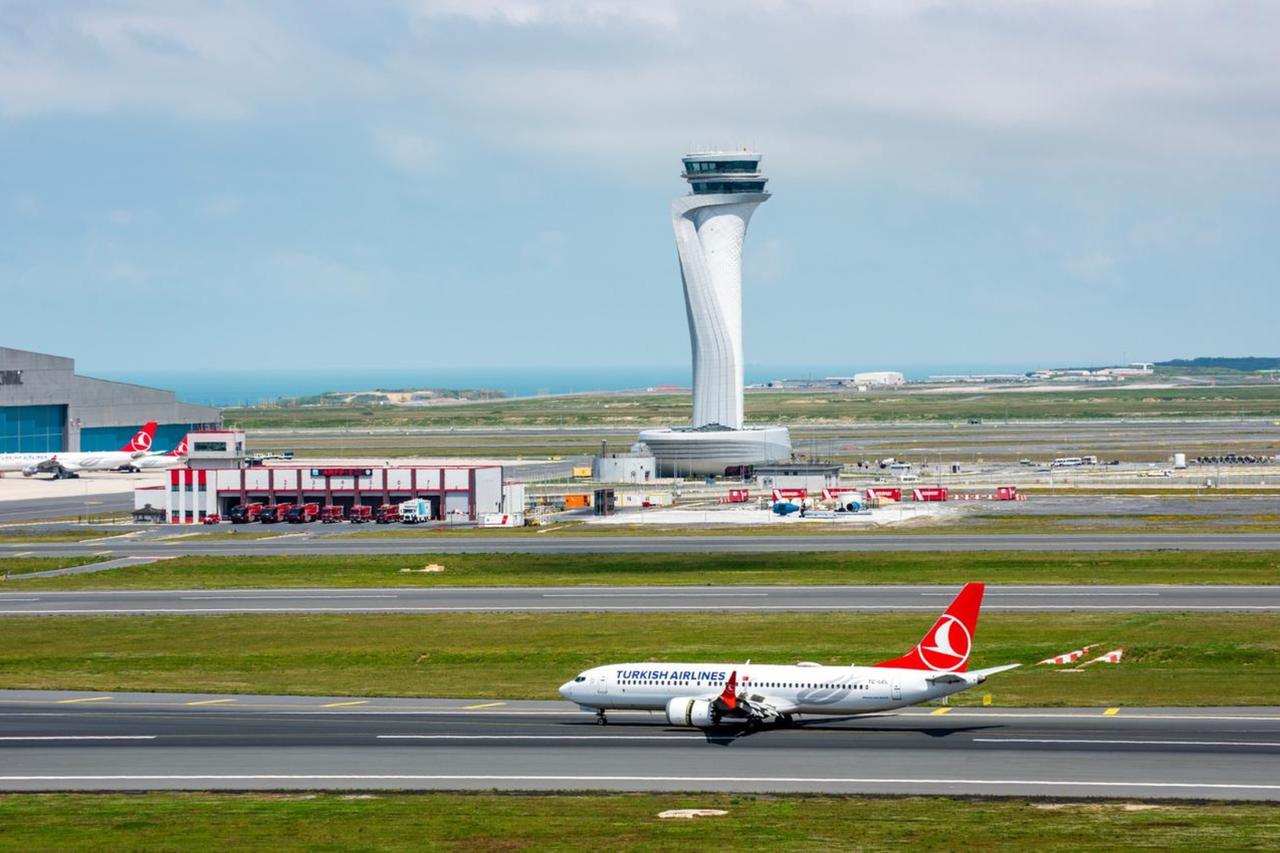


Türkiye's Transport and Infrastructure Minister Abdulkadir Uraloglu announced that an autonomous system will be developed under the "Savuran Project" to counter bird and drone threats at airports.
"This system will detect and effectively prevent both bird-related risks and first-person view (FPV) drone threats," Uraloglu said in a written statement.
Uraloglu provided details about the "Savuran Project," planned to bring civil aviation security in Türkiye to the highest level. The project, conducted by the General Directorate of Civil Aviation, aims to develop a high-precision air defense system for civil airports.
Emphasizing that the project aims to protect critical facilities, particularly civil airports, Uraloglu noted that the system represents a domestic air security system combining detection, diagnosis, tracking, and intervention functions under a single architecture, with capabilities including drone, sensor fusion, artificial intelligence, and autonomous mission capabilities.
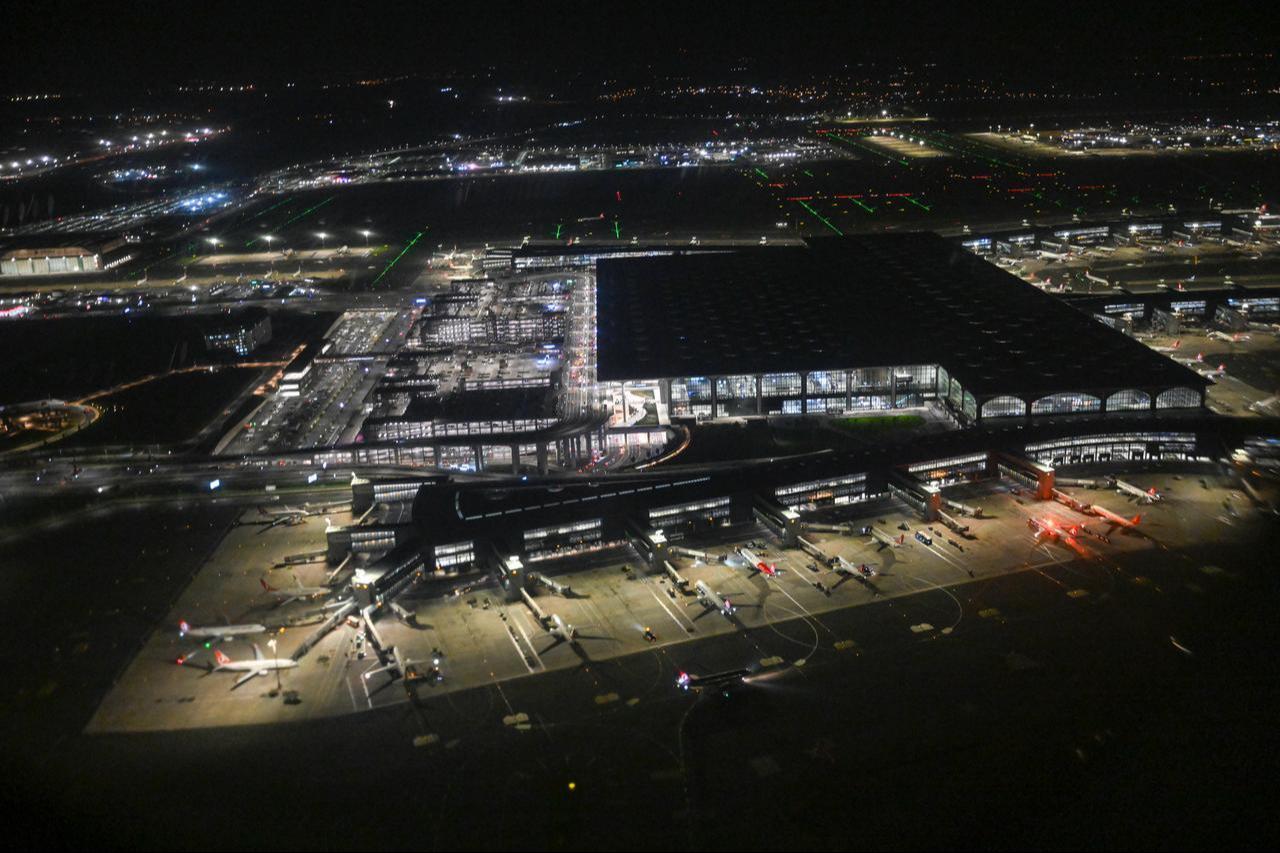

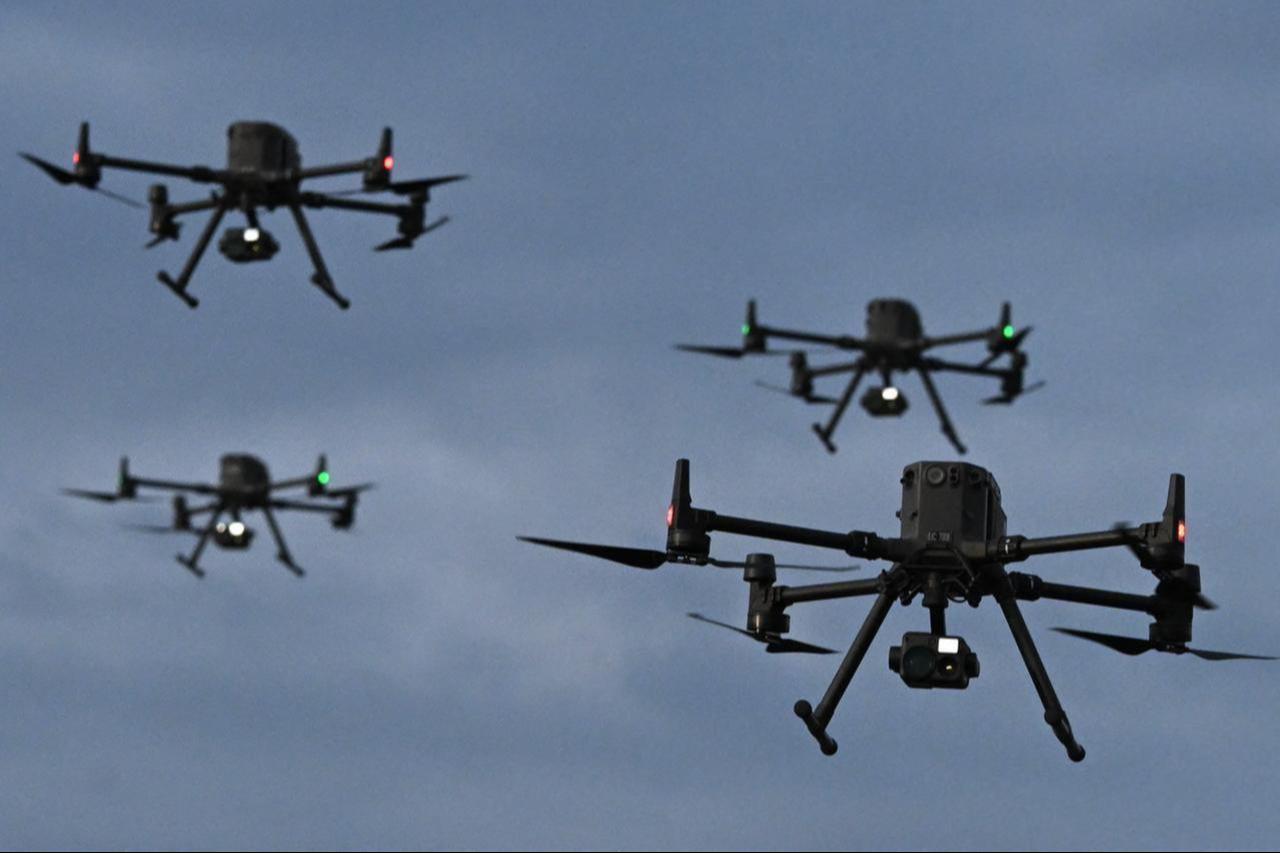
Uraloglu explained that two separate drone platforms will be developed under the project: one for directing and dispersing bird flocks, and another for effective intervention against FPV drones.
"The Bird Flock Directing/Dispersing Drone, which can remain airborne for extended periods and carries high-frequency and ultrasonic acoustic deterrent systems, will safely disperse bird flocks away from runways and approach corridors. This platform will operate using completely non-lethal methods while considering environmental and humanitarian impacts," Uraloglu said.
Regarding the intervention drone, the minister continued: "We are developing an intervention drone that can reach high speeds and possesses effective prevention methods. This platform will have autonomous mission execution, safe landing/return-to-home modes, and the capability to safely self-destruct in a designated area if necessary."
Uraloglu emphasized that the system will operate 24 hours a day, seven days a week. The system utilizes sensor fusion architecture that combines data from radar, thermal and optical cameras, and RF sensors, enabling simultaneous tracking of multiple targets.
"The system can track multiple targets simultaneously thanks to its sensor fusion structure combining data from radar, thermal and optical cameras, and RF sensors," Uraloglu said.
The system incorporates advanced artificial intelligence-powered threat classification capabilities to analyze and respond to potential dangers.
"Through an artificial intelligence-supported threat classification model, FPV drones can be analyzed. In critical situations, the system will provide automatic alerts, and intervention can be executed in human-approved or autonomous mode," Uraloglu said.
The artificial intelligence component enables the system to distinguish between different types of threats and respond proportionately, whether through automated warnings or direct intervention.
Human-approved and autonomous response modes
The system's operational flexibility allows for both human oversight and autonomous operation. In critical situations, operators can maintain control over intervention responses, or the system can execute predetermined defensive actions autonomously based on threat assessment.
"Intervention can be executed in human-approved or autonomous mode," Uraloglu explained, highlighting the system's dual-mode capability to adapt to varying threat scenarios and operational requirements.
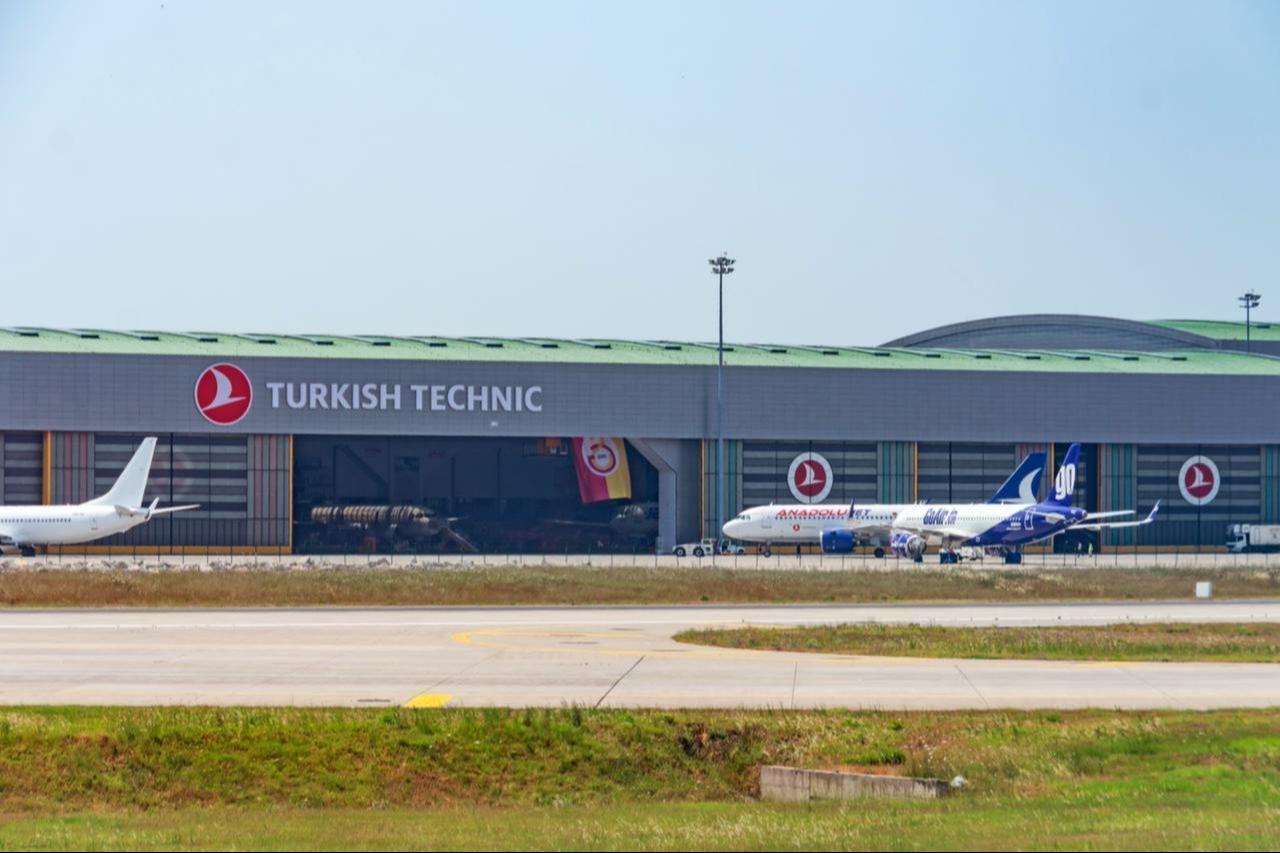
The bird dispersal component of the system prioritizes humanitarian and environmental considerations. The high-frequency and ultrasonic acoustic deterrent systems employed by the Bird Flock Directing/Drone represent a completely non-lethal approach to wildlife management at airports.
"This platform will operate using completely non-lethal methods while considering environmental and humanitarian impacts," Uraloglu stated, emphasizing that bird management will not harm wildlife while protecting airport operations.
 1 min read
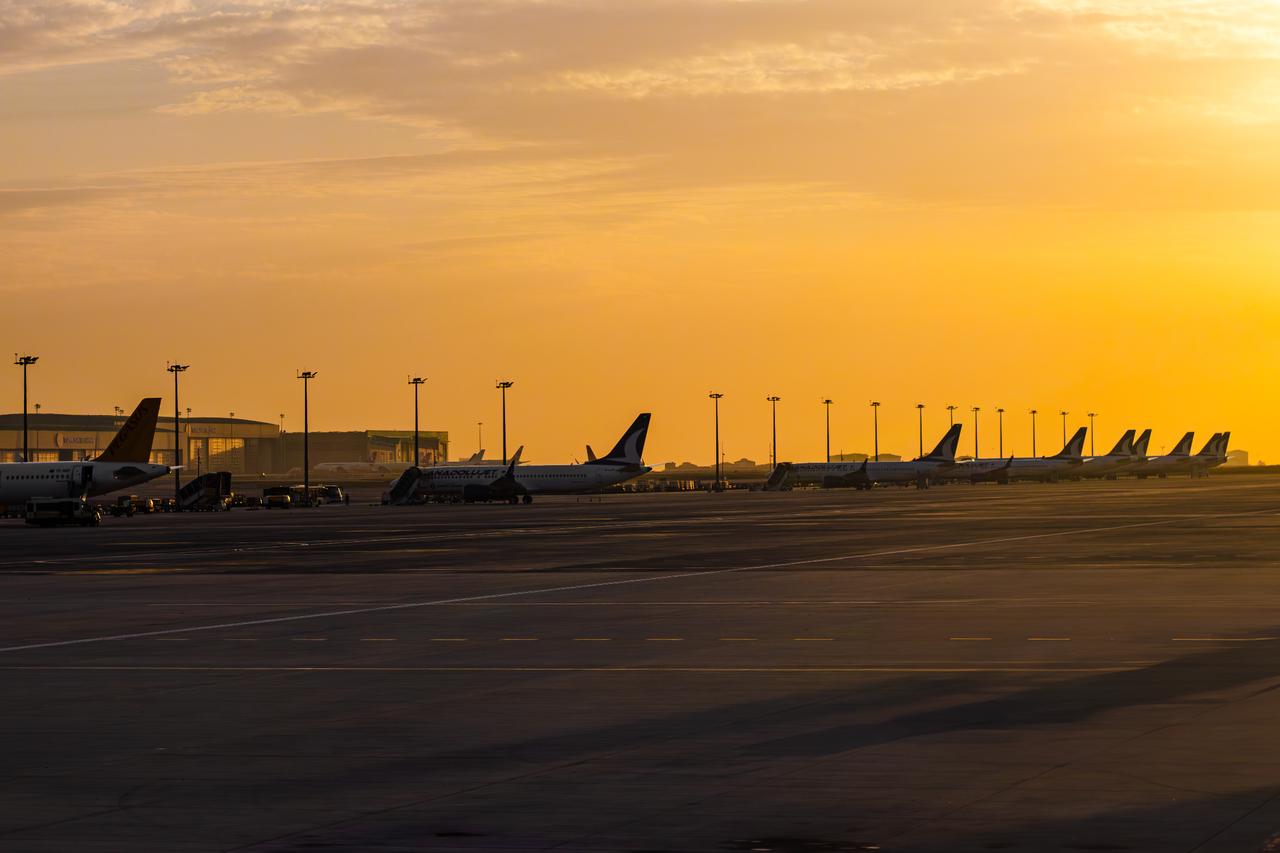
The "Savuran Project" extends beyond commercial airports to protect critical facilities. The system's comprehensive architecture enables deployment at various high-security locations that require protection against aerial threats.
Uraloglu emphasized that the project aims to establish civil airports as protected critical infrastructure, capable of autonomous defense against emerging aerial threats, including both natural wildlife hazards and technological drone-based threats.


 Set as preferred source
 Set as preferred source


 1 min read