Sign in
 Newsletters




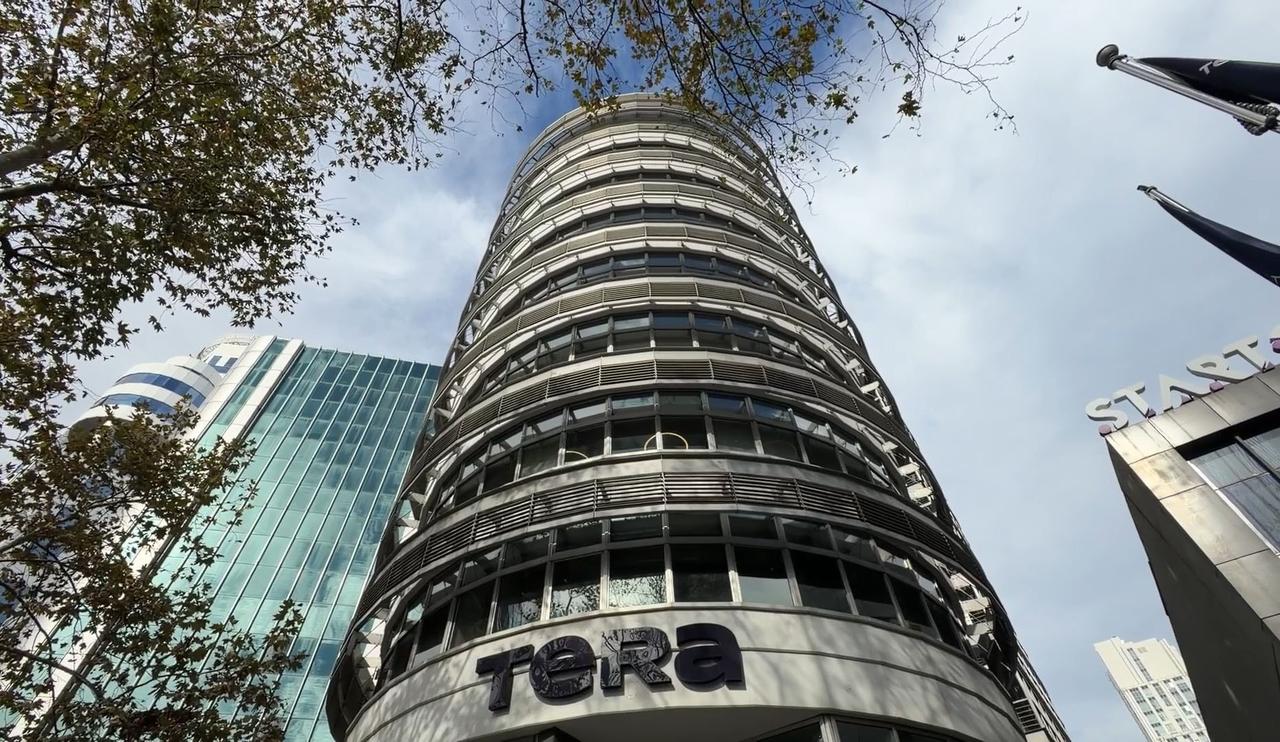
Turkish prosecutors have uncovered a London-based network allegedly used to channel billions of lira through foreign accounts and conceal the identities behind stock market trades, bringing Gildencrest Capital under scrutiny in the widening fund scandal.
The scandal erupted in mid-September after several investment funds managed by Pusula Portfoy and Tera Portfoy failed to meet investor redemption requests, triggering an investigation into suspected market manipulation and irregular financial transactions.
The Capital Markets Board (SPK) subsequently placed 131 funds managed by seven portfolio companies under a six-month liquidation process, affecting more than 455,000 investors and covering assets estimated at ₺936.3 billion ($19.1 billion) at the time.
The Istanbul Chief Public Prosecutor's Office confirmed on Saturday that the Financial Crimes Investigation Board (MASAK) has submitted a report on Tera-linked Gildencrest Capital as part of the ongoing investigation into suspected market manipulation and irregular transactions in Turkish capital markets.
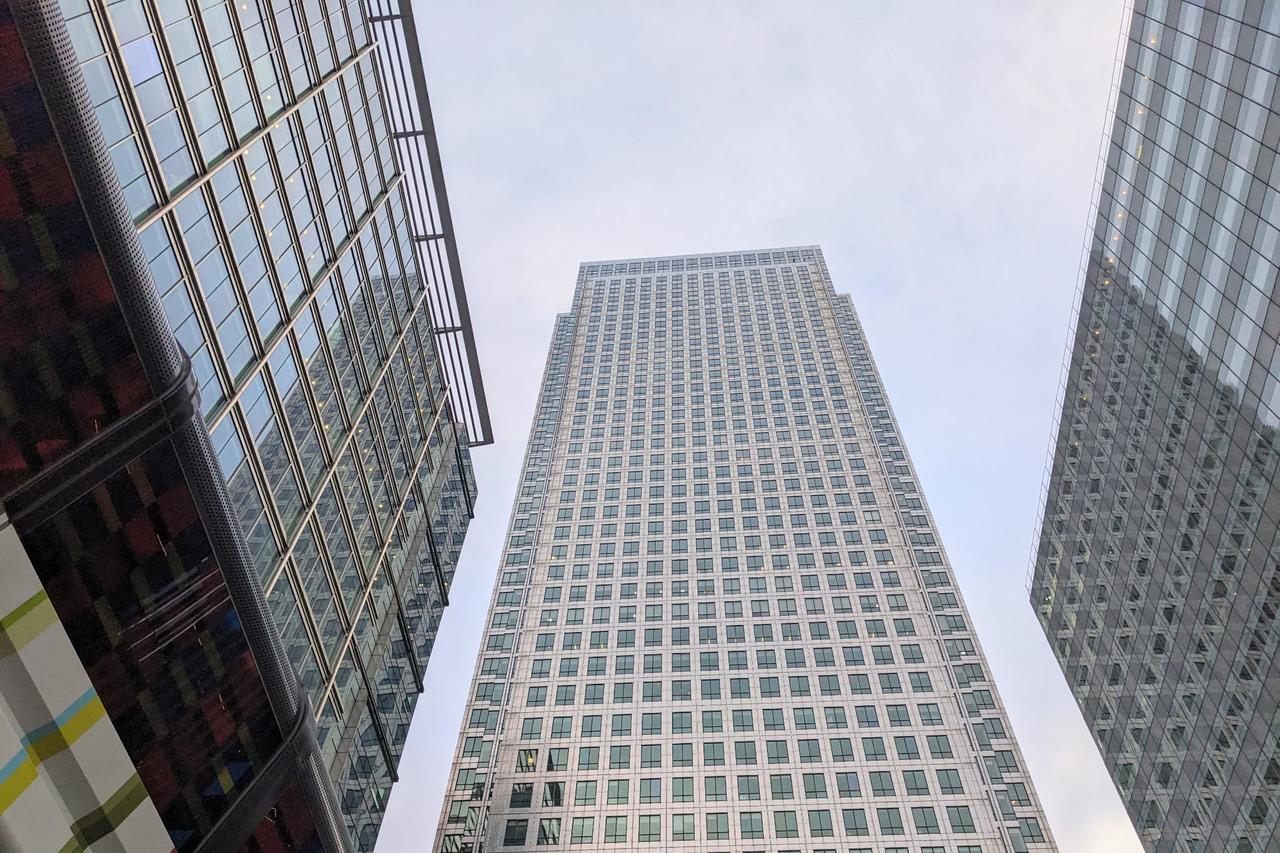
According to the MASAK report, Gildencrest Capital was established in London in 2011 under the name Tera Europe and headquartered at One Canada Square in London's Canary Wharf financial district.
Emre Tezmen, who was chairman of Tera Yatirim Holding before his arrest on Sept. 23, held a 49% stake in the company, while his father, former Turkish Transport Minister Oguz Tezmen, owned 40%.
The company changed its name to Gildencrest Capital on Jan. 31, 2024, while retaining the same legal identity and company registration number. It previously operated under the TeraFX brand as a foreign exchange and contracts for difference (CFD) broker.
The rebranding covered both the company's legal name and its trading brand. Gildencrest subsequently announced that it had discontinued the Tera Europe, TeraFX and Tera Financial names and was operating under its new identity.
The company is authorized and regulated by Britain's Financial Conduct Authority (FCA), according to its corporate disclosures and regulatory identification details.
Despite its London registration, however, its operations were effectively managed from Istanbul by Tera employees, prosecutors found.
Investigators also identified an alleged arrangement involving affiliated companies, whose management positions were formally assigned to a former Tera chauffeur and an office clerk, according to the prosecutor's office.
The MASAK report traced ₺21 billion ($415.5 million) in transactions through Gildencrest Capital's bank accounts in Türkiye over nine years.
Of that amount, ₺11.9 billion came from Tera Yatirim, while ₺6.3 billion was deposited by 19 individuals, including businessman Mehmed Nureddin Cevik, who has held senior positions in several Turkish investment, energy, and agricultural companies.

The investigation also uncovered an alleged trading mechanism that concealed the identities of individuals behind stock market transactions.
According to prosecutors, orders were routed from London through Switzerland-based Century City Securities before reaching Borsa Istanbul, where trades appeared under foreign investor accounts.
The arrangement allegedly allowed the actual parties to remain unidentified while profits accumulated overseas. Prosecutors estimated the gains at approximately ₺7.8 billion.
Investigators also traced ₺6.3 billion in transfers to accounts in the Czech Republic and London. Only ₺2.2 billion returned to Türkiye, leaving ₺4.1 billion abroad, including ₺3.4 billion belonging to Tera Yatirim.
The prosecutor's office identified several major payments from overseas accounts in early 2026. Enver Cevik, chairman of Lydia Holding, received ₺4.5 billion in a Swiss bank account, while Muhammed Yariz, chairman of Pusula Portfoy, received ₺0.5 billion.
Cevik was detained in September over suspected capital market irregularities but released after giving a statement to prosecutors on Sept. 23, while Yariz was arrested as part of the wider investigation.
Authorities also uncovered further attempts to move assets abroad through a newly opened Gildencrest custody account. Shares worth ₺504 million were transferred to a Bahamian bank account in November, while MASAK blocked a separate transfer involving ₺1.95 billion in shares.
The Istanbul Chief Public Prosecutor's Office ordered the assets involved in the blocked transfer to be deposited into a voluntary restitution account under the Savings Deposit Insurance Fund (TMSF) and launched international judicial assistance proceedings to recover assets sent abroad.
Gildencrest's predecessor, Tera Europe, had previously appeared in a money-laundering investigation involving former Turkish lawmaker Unsal Ban.
A 2023 indictment, citing MASAK financial records, identified ₺41 million in transfers from Ban's accounts to Tera Europe, while ₺23 million flowed back from the company and another ₺10 million came from Tera Yatirim Menkul Degerler.
Gildencrest has denied having commercial ties to the investment funds at the center of the current scandal. In comments to DW Turkish, the company described itself as an independently operated, FCA-regulated brokerage that does not manage investment funds or provide investment advice.
Separately, Bloomberg reported in September that Gildencrest generated record revenue of £12.5 million ($16.3 million) and profit of £2.8 million in 2025, with stock trading income surging 283%.
In his statement, Tezmen denied transferring money abroad on behalf of himself or his family.
Asked about approximately ₺300 million held in an account opened under Gildencrest's name at Tera Yatirim, he acknowledged being the company's founder and a shareholder but maintained that he did not know who owned the money.
Tezmen pointed to Gildencrest Deputy Chairperson Burak Akbulut as the person who could identify the owners of the funds. "I do not know who these funds belong to," he told prosecutors.
The investigation has resulted in 136 of 500 suspects being remanded in custody, while another 285 face judicial control measures, President Recep Tayyip Erdogan announced on Wednesday.
Erdogan also disclosed that payments to investors affected by the scandal had reached approximately ₺161 billion ($3.7 billion), with at least one payment reaching 444,987 of the 455,758 investors.
A total of 371,021 investors, or 81.4% of the affected group, had recovered their net investment amounts or principal.


 Set as preferred source
 Set as preferred source


 2 min read
 1 min read