Newsletters




For much of the past decade, Türkiye’s economy has been defined internationally by currency shocks, years of lost growth, and recurring balance of payments pressures. Among these challenges, the current account deficit stood out as the most persistent structural problem. Sustained and stable growth required tighter control over external balances, reducing the current account deficit, a central macroeconomic priority.
The underlying cause of this imbalance was long clear as energy imports, consisting of one of the biggest spending items. For many years, when energy was excluded from the equation, Türkiye’s current account was close to balance.
This reality shaped a long-term policy approach that treated the deficit not as a short-term fluctuation, but as a structural issue linked to production capacity, energy dependence, and export composition almost a decade ago.
Years of targeted investments have now brought the deficit to a manageable level. For the second consecutive year, Türkiye has kept its current account deficit close to 1% of gross domestic product (GDP), signaling a structural improvement rather than a temporary correction. This shift reflects the outcome of a strategy that was planned years in advance and implemented across multiple sectors.
Central Bank data outlining the plan of the 2023–2030 period shows how broadly this strategy was designed. Investments and incentives aimed at boosting current account surplus capacity were not limited to energy alone. Technology investments are expected to account for 35% of this adjustment, while increased tourism revenues are projected to contribute 21%.
Energy-related projects, however, created the backbone of the effort. According to official projections, 41.6% of the reduction in the current account deficit is linked directly to energy sector initiatives.
Clearly reflecting both the scale of Türkiye’s historical energy import bill and the potential gains from domestic production and efficiency, energy became the main pillar of the economic return plan of Ankara.
The result is a more diversified approach to external balance management. Rather than relying on demand suppression or short-term financial inflows, the policy framework prioritizes supply-side capacity, export strength, and reduced import dependency with an aggressive effort to become a regional energy hub over the past couple of years.


Earlier this week, Energy and Natural Resources Minister Alparslan Bayraktar described 2026 as a turning point for Türkiye’s energy policies. According to the government, projects launched to meet rising domestic demand and reduce external dependence are now approaching a phase where tangible results will be realized.
This framing is consistent with statements made several years earlier, when the government openly linked energy self-sufficiency to the elimination of the current account deficit from Türkiye’s economic agenda. During the same week in December three years prior, Minister Bayraktar formally outlined the strategic roadmap intended to reach the current policy position.
Energy emerged as the central lever of Türkiye’s macroeconomic strategy because it combined three objectives into one policy domain: reducing external vulnerability, strengthening geopolitical leverage, and creating long-term fiscal space. The turning point came with discoveries and infrastructure decisions that fundamentally altered the country’s energy balance.
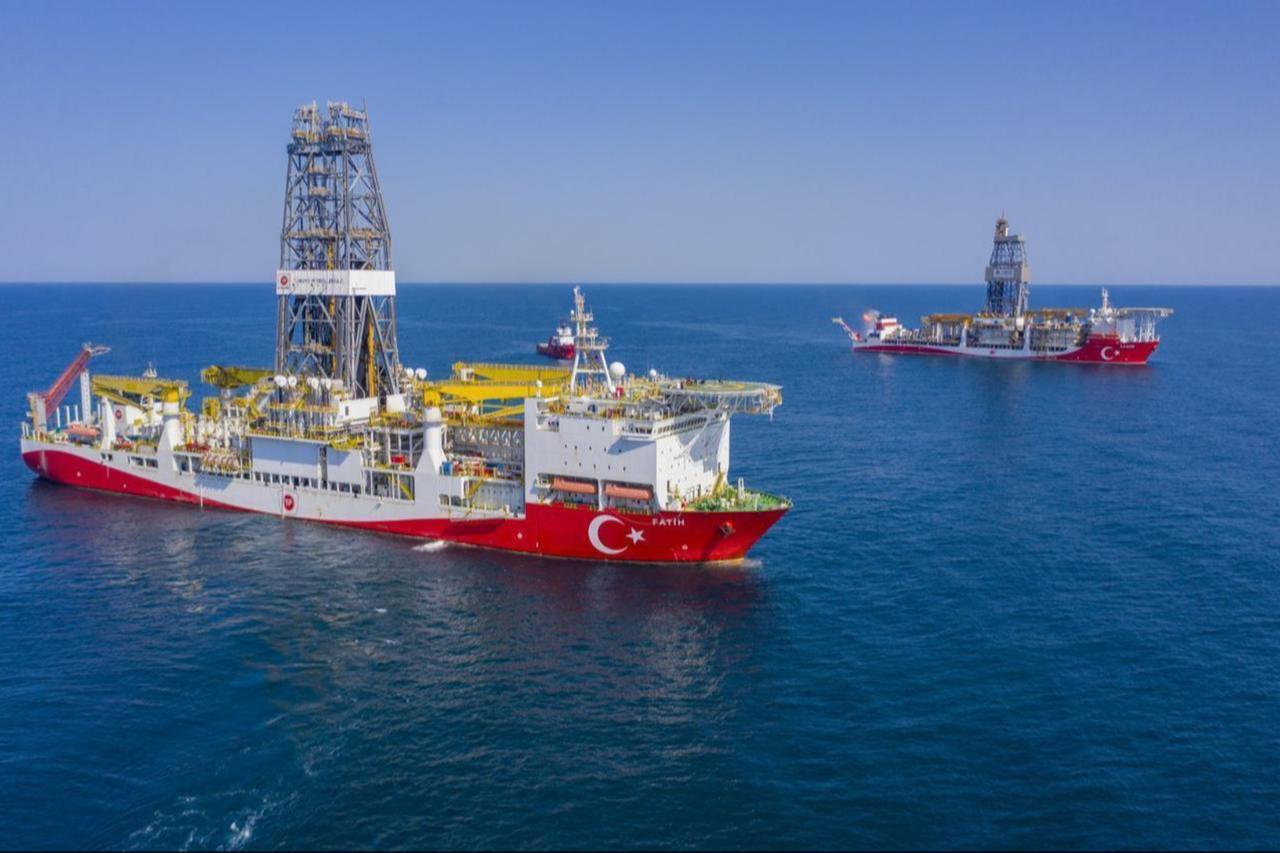
The most consequential development was the discovery of the Sakarya Gas Field in the Black Sea in 2020, the largest natural gas find in Türkiye’s history. Gas from the field reached the national grid in 2023, immediately reducing import dependence and improving Türkiye’s negotiating position in long-term gas contracts. With production planned to scale steadily, the target of reaching 15 billion–20 billion cubic meters annually by 2028 is enough to meet the residential demand of the entire country.
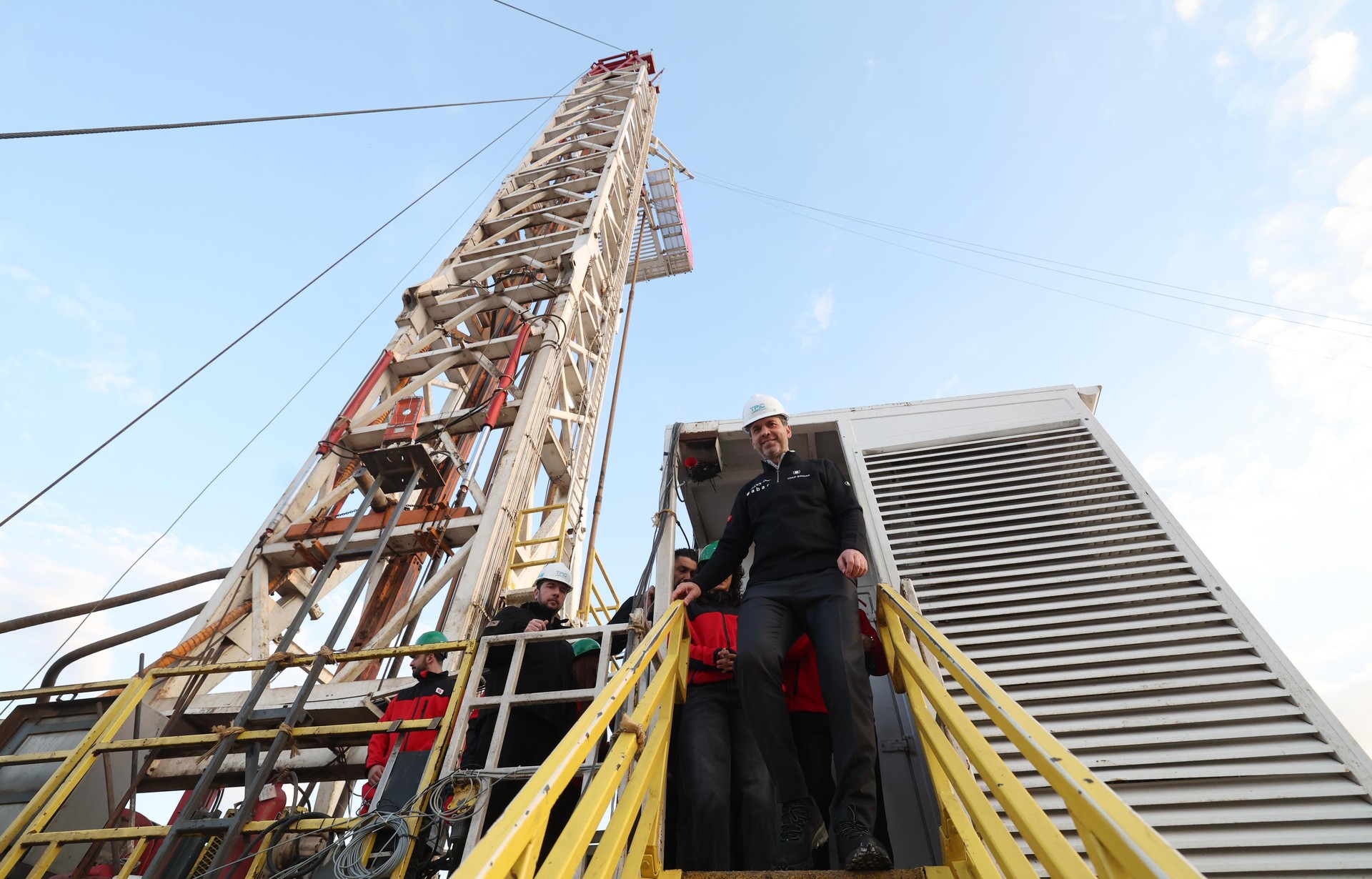
On the oil side, discoveries in the Gabar Mountain region of Sirnak since 2022 reshaped domestic production capacity. Doubling crude oil output in a matter of months, the daily production is currently approaching 100,000 barrels, meaning roughly 10%–12% of national consumption is now supplied from a single domestic region.
Meanwhile, Türkiye has continued exploration activities in the Eastern Mediterranean and offshore Somalia, not limiting the upstream expansion to land-based resources.
Pipeline diplomacy has reinforced this position. With TANAP, operational since 2018, Türkiye became the core transit country of the Southern Gas Corridor, carrying Azerbaijani gas to Europe. TurkAkim, launched in 2020, brought Russian gas directly to Türkiye and onward to the Balkans. After the outbreak of the Russia–Ukraine war, Ankara emerged as one of the few remaining secure routes delivering pipeline gas to Southeast Europe, elevating Türkiye’s role as a regional energy valve.
Türkiye’s energy strategy extends beyond production toward system-wide resilience, combining supply flexibility with infrastructure depth. One of the most critical moves has been the rapid expansion of LNG and floating storage and regasification unit (FSRU) capacity to avoid overreliance on fixed pipeline routes.
FSRU vessels such as Erturgul Gazi have been integrated into the system, allowing Türkiye to source gas from a wide range of suppliers, including the United States, Qatar, and Algeria. Today, the country has the technical capacity to meet roughly half of its gas demand through LNG imports if needed.
At the same time, underground storage capacity has been expanded in different cities. As of 2024, Silivri stands as Europe’s largest offshore gas storage facility, providing a critical buffer against supply shocks.
Electricity generation has been diversified in parallel. The Akkuyu Nuclear Power Plant, under construction in Mersin, represents Türkiye’s most strategic step toward stable baseload generation. The first unit is expected to enter full operation in the 2025–2026 period. Once all units are completed, Akkuyu will supply around 10% of Türkiye’s electricity demand, reducing exposure to price volatility in fossil fuel markets.
Renewables remain a core pillar of the electrification drive. Türkiye ranks fifth in Europe in installed renewable capacity, with more than 60 percent of total capacity expected to come from renewable sources by the end of 2025.
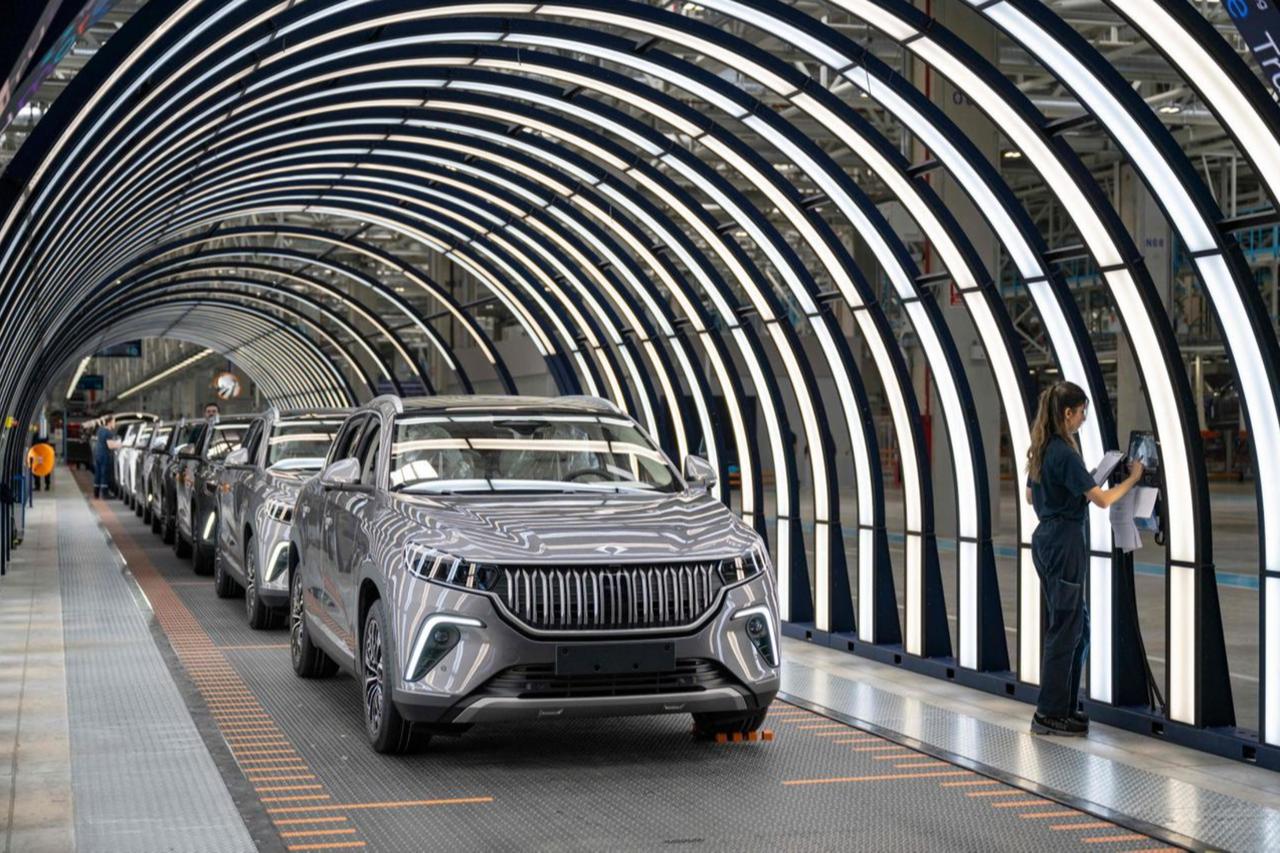
Electrification policies have also been aligned with industrial strategy, as domestically produced electric vehicles enter the market, increasing electricity demand in sectors with relatively higher local value-added.
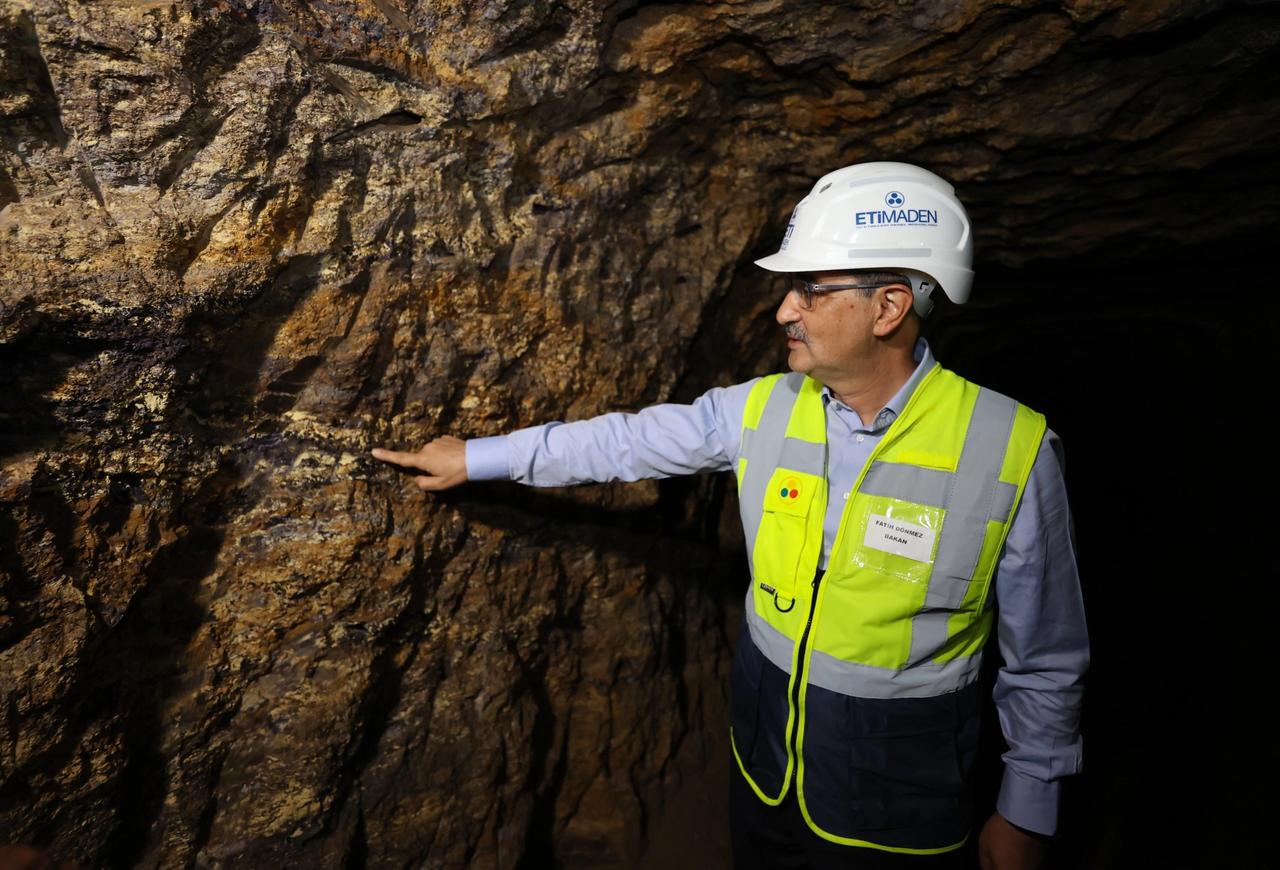
In parallel, the state-owned mining company Eti Maden is being redesigned as a global-scale national champion, expanding beyond boron into rare earth elements.
Finally, physical infrastructure has been matched with institutional reform. Through the planned gas trading hub, Türkiye aims to evolve from a transit country into a regional pricing center.
Together, these elements demonstrate that Türkiye’s energy transformation is not a single-project story, but a layered system designed to stabilize the economy, deepen markets, and reposition the country within regional energy flows.
Taken together, these developments suggest that Türkiye’s recent performance reflects more than cyclical recovery. It points to a structural recalibration centered on energy independence, investment-led growth, and a more resilient external balance, an approach increasingly visible and shaping the future of the country.


 Set as preferred source
 Set as preferred source


 2 min read
 1 min read