Newsletters


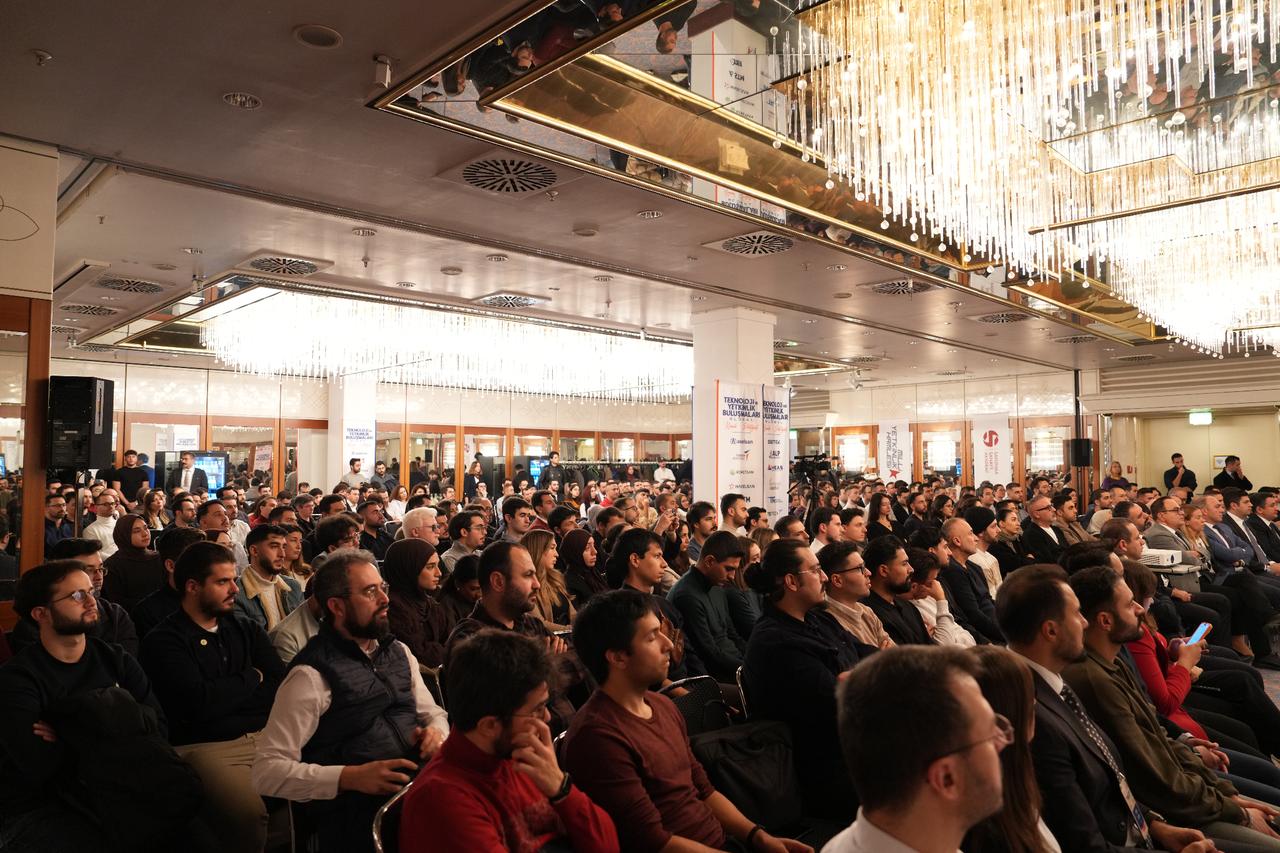


Türkiye’s Presidency of Defense Industries (SSB) sent top executives from leading Turkish defense firms to Munich and Stuttgart to recruit Turkish students, engineers and academics living in Germany, as part of its National Competency Initiative.
"Our young people are aware of the niche technologies the defense industry deals with and follow them with interest. They are trying to become part of these technologies one day. That is actually our main goal," SSB Deputy President Hakan Karatas told Türkiye's state-run Anadolu Agency (AA).
"Instead of ‘brain drain,’ we use the concept of ‘brain power,’" he added.
The sixth Technology and Competency Meetings, coordinated by the Defense Industry Academy, brought together representatives of Aselsan, Turkish Aerospace Industries (TAI), Roketsan, Havelsan, STM, TEI, SSTEK, Alp Aviation, HEAS, Teknopark Istanbul, TR Airworthiness and TEITECH with participants who met executives directly about careers and investment opportunities.
"Last year, 190 qualified people returned to Türkiye. As of this year, the number returning to Aselsan alone has reached 220, and the figure will be much higher by the end of the year," Karatas said in Stuttgart, where about 500 people attended.
Aselsan now has engineers, rather than human resources staff, post job listings directly, he said. A "global talent map and strategic pool" platform to track and contact academics and engineers abroad will launch soon, and returnees can access tailored mentoring, talent incentive packages and work at about 100 subsidiaries of major defense firms abroad.
"Anyone of Turkish identity, wherever they are in the world, can contribute to the development of the defense industry," Karatas said, whether through projects, mentoring or academic advice.
"We are not only talking about job opportunities; we are talking about the technologies Türkiye has recently achieved. Our friends here can come to Türkiye not only as employees but also as entrepreneurs," he added.
"We know the technology gaps of the Turkish defense industry. We invite all academics, students or entrepreneurs in Europe who can take on roles and responsibilities in those gaps," he said, adding that the team came to Germany with more than 50 executives.
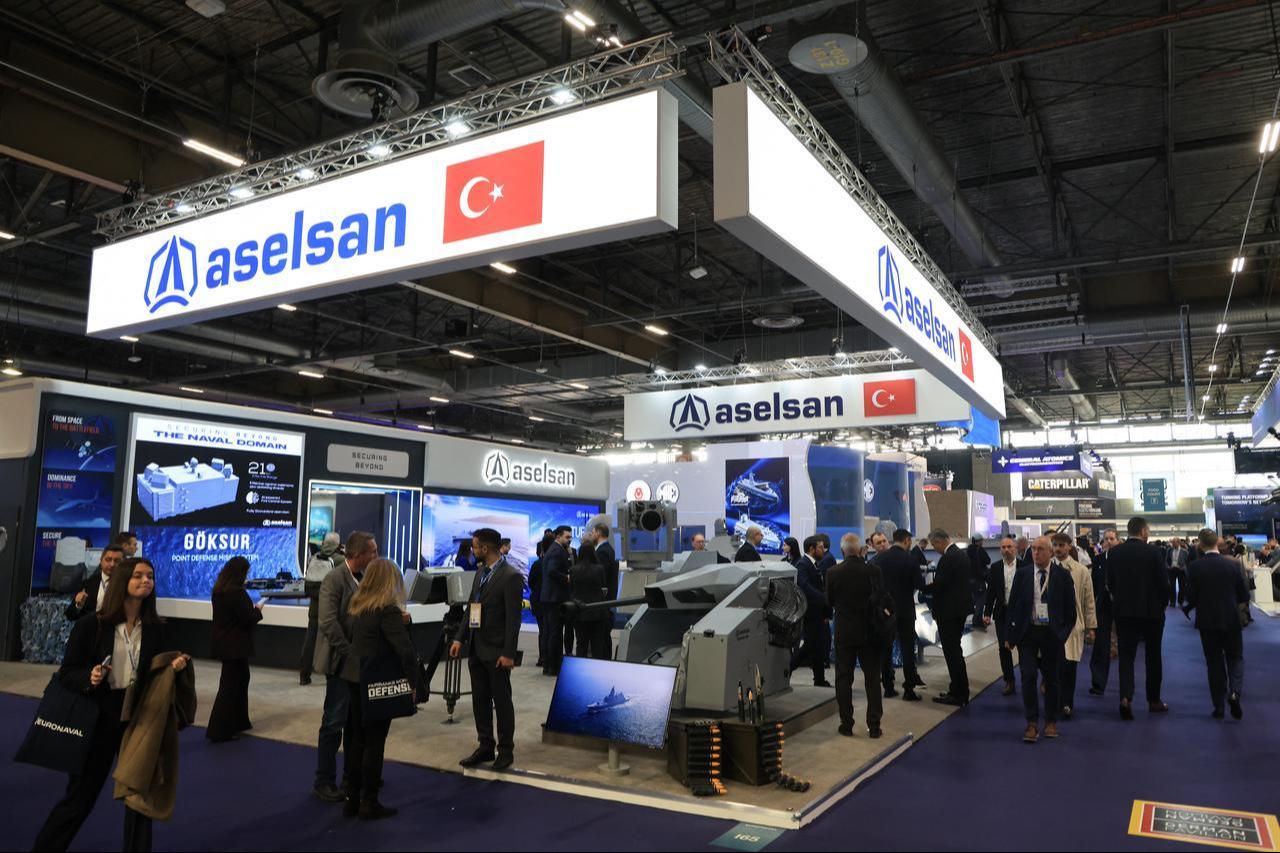

The concept of the "Turkish worker" has proudly turned into the "Turkish engineer," Karatas said.
"Becoming a real engineer in the defense industry is possible by trial and error in projects and by testing. That is why our companies’ academies provide almost university-level training," he said.
The industry’s success rests on strong project management and a four-tier industrialization model, from universities and technoparks at the base to SMEs, subcontractors and prime contractors such as Aselsan, Roketsan, TAI, TEI, TUBITAK, Havelsan and STM, he said, noting some projects take 15 to 20 years.
In Munich, held on the SSB’s 41st anniversary, Karatas said localization rose from 20% in 2002 to 83%.
"The annual turnover achieved so far by 135,000 defense industry employees, including engineers, specialists and technicians, at these 4,000 companies is $25 billion. R&D spending is $3.8 billion," he said.
About 16,000 firms work in civilian and defense fields, including subcontractors, with more than $20 billion in business generated over three years, he said.
"Last year, 56% of our exports went to NATO and European Union countries. 65% of the world’s UAV/armed UAV market is dominated by the Turkish defense industry," he said.
He listed five trends: systems of systems, AI and autonomy, invisible fronts, cost-effective production and industrial resilience.
"All experts say, ‘If a country protects this front, it will never be defeated.’ That is the cognitive front. Countries that can make maximum use of their own people’s cognitive capacity will lead," he said.
"If a Turk anywhere in the world is doing valuable work, they have a place of honor with us," Karatas said, adding that about 1,500 defense projects are ongoing.
SSTEK General Manager Suat Baylan said the team met more than 1,000 people in two days.
"We are meeting our friends with interest so great it cannot fit in the halls," he said, adding that many wanted to set up companies in Türkiye.
SSTEK invests in startups at Technology Readiness Level 5 and above in exchange for equity. "We have support for our startups ranging from $250,000 to $2.5 million," Baylan said, adding SSTEK also provides mentoring and accepts applications through its website.
Teknopark Istanbul supports earlier, idea-stage ventures, he said.
"Türkiye has almost the largest R&D incentive system in the world," Teknopark Istanbul General Manager Abdurrahman Akyol said, adding young people abroad were often unaware of mechanisms such as high-tech funds, the Cagla Venture Capital Fund, the Can Suyu Investment Network and the HASAT Program.
Accelerator programs with Aselsan (Deep Defense), Roketsan (Ivme), TAI (Cube Hangar Pro) and Havelsan (Jet) can shorten commercialization "to six months to a year," he said.
A company founded by an entrepreneur who returned from Germany 10 years ago is now a world leader in its field, he said, adding that mentoring is free.
Previous meetings were held in Cologne, Munich, Dusseldorf, Berlin, Hamburg, Eindhoven, Rotterdam and London.
"First, to tell the developments in our defense industry firsthand, second, to present job and entrepreneurship opportunities," Karatas said, as the Turkish defense industry deepens its talent push.


 Set as preferred source
 Set as preferred source


 1 min read
 1 min read