Newsletters


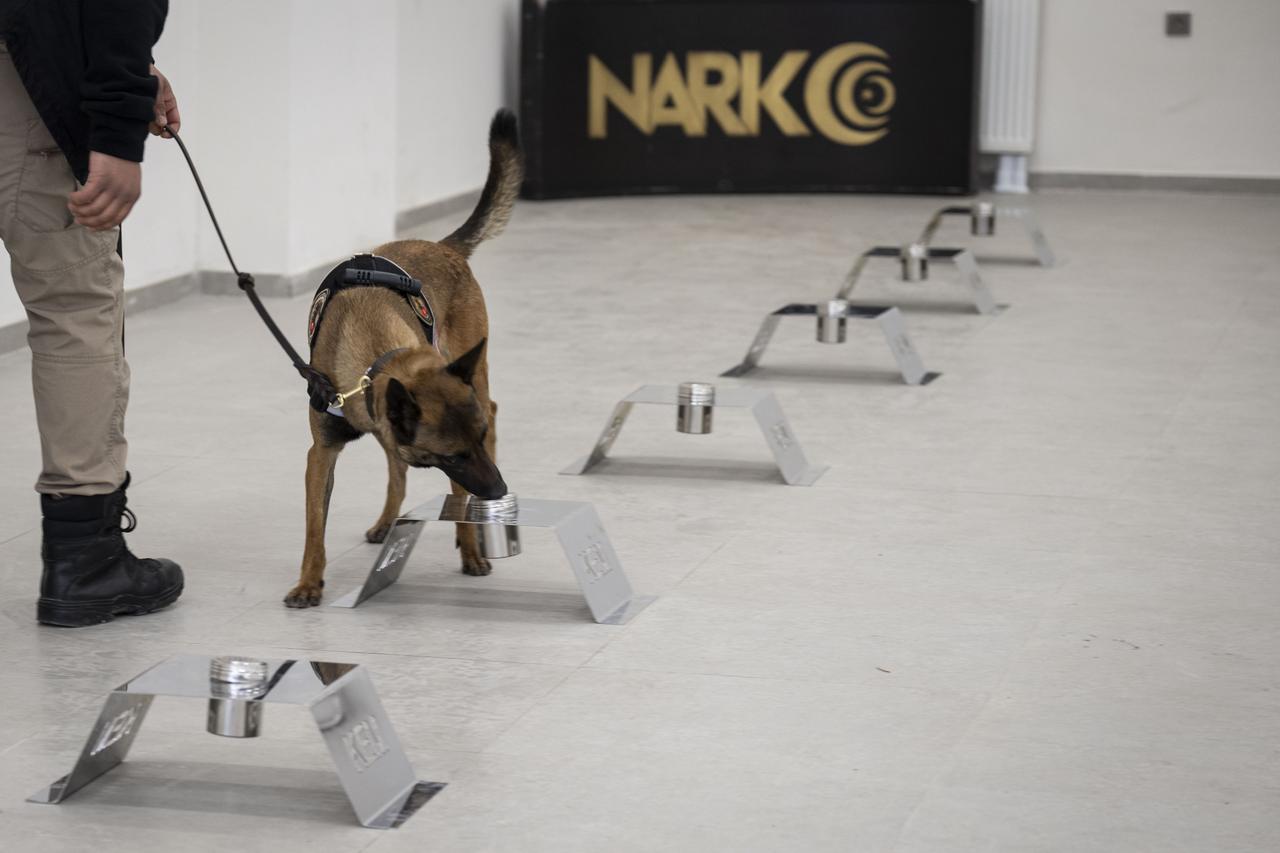


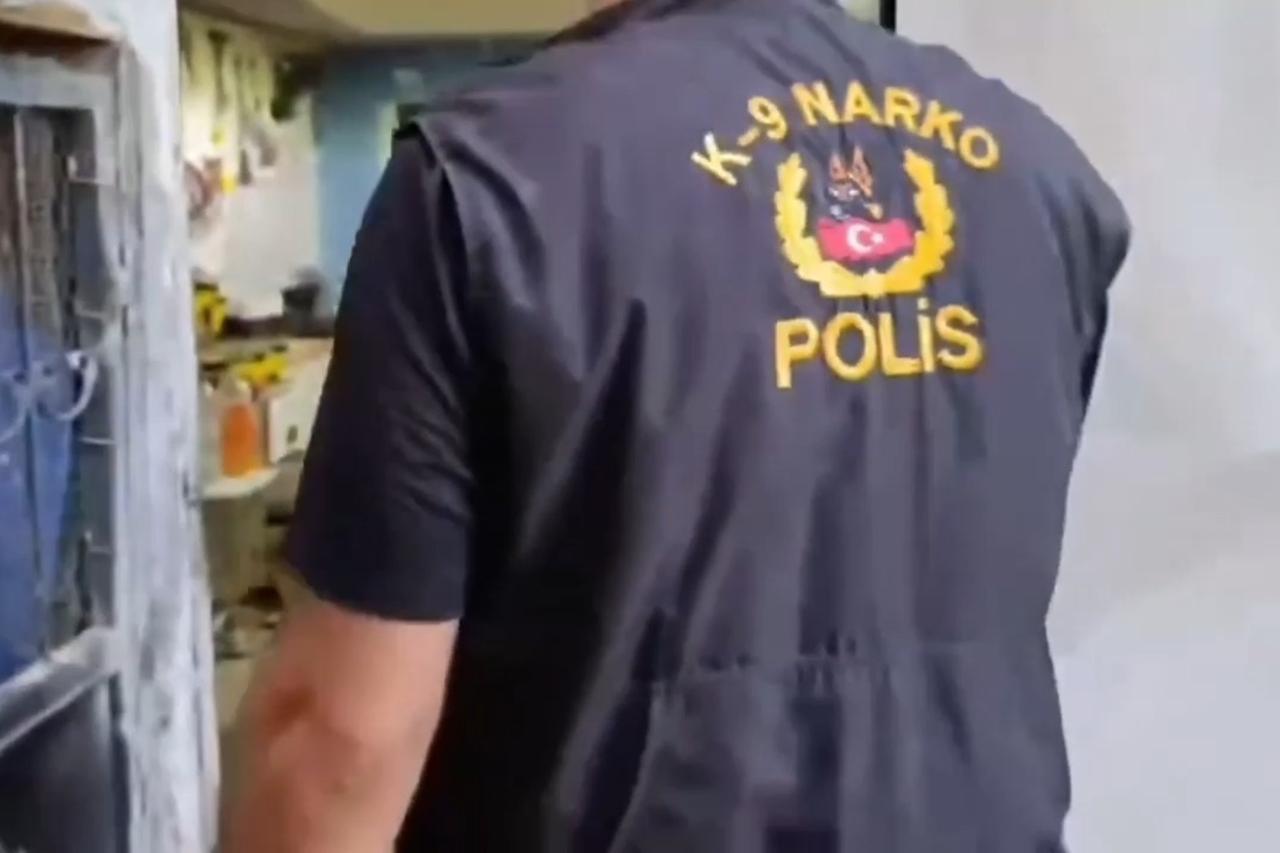
Türkiye’s national police are deploying specially trained dogs across a wide range of operations, from narcotics detection to search and rescue, after putting them through intensive, multi-disciplinary training programs at a dedicated center in Ankara.
These dogs are prepared to support law-enforcement units in complex environments where advanced detection skills are required.
At the General Directorate of Security, dogs trained under the Narcotics Crimes Department are assigned to different operational units, where they assist in tackling crimes ranging from drug trafficking to homicide investigations.
They are also used in public order incidents and efforts to locate missing persons, reflecting their broad operational scope.
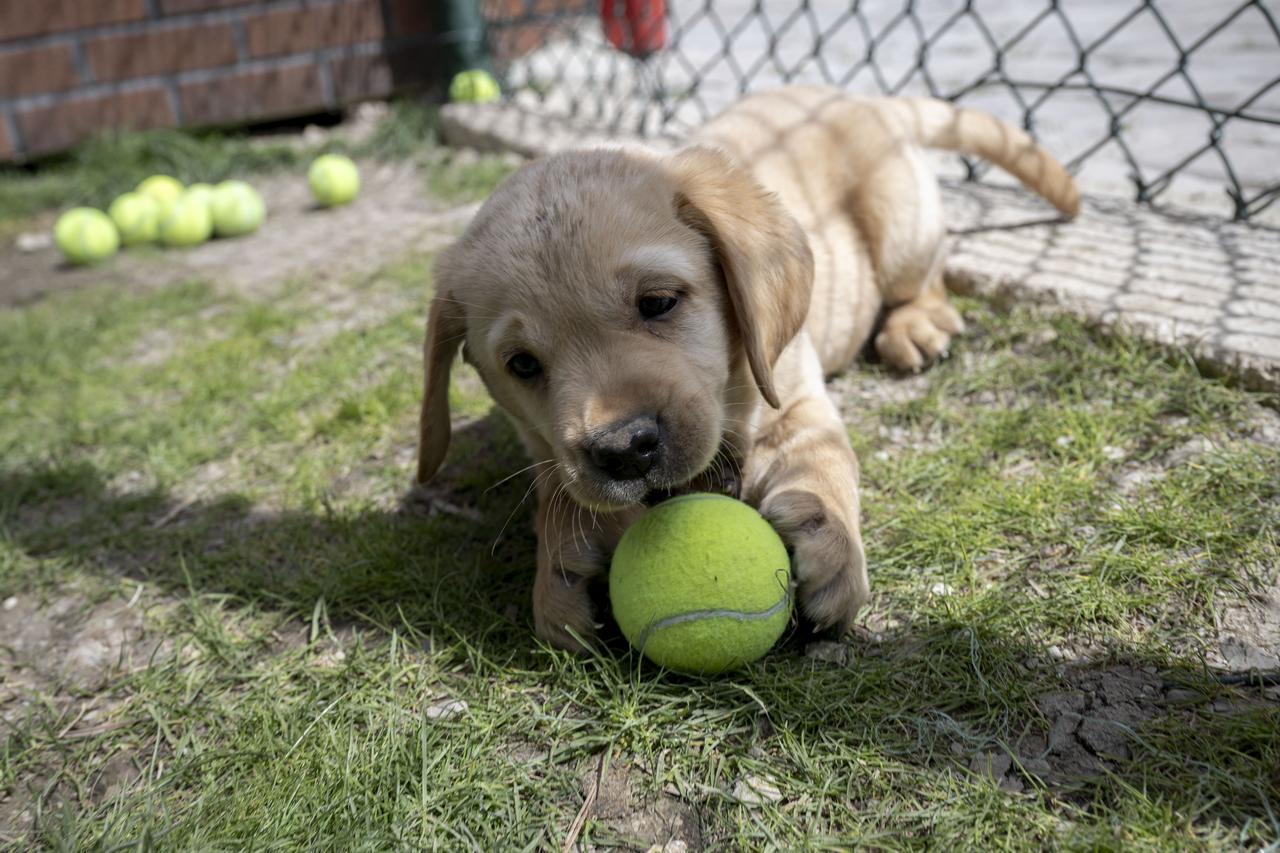

The training takes place at the Dog Training Center in Ankara’s Golbasi district, where both dogs and their handlers are trained together. Officials underline that this coordinated training helps build a strong working relationship, which is considered essential for success in the field.
The center offers training in 12 specialized branches, allowing dogs to develop targeted skills depending on operational needs. These include detecting narcotic substances, explosives, weapons and ammunition, as well as searching for banknotes. Additional training covers tracking, cadaver detection, identifying technological devices that may serve as evidence, and search-and-rescue operations.
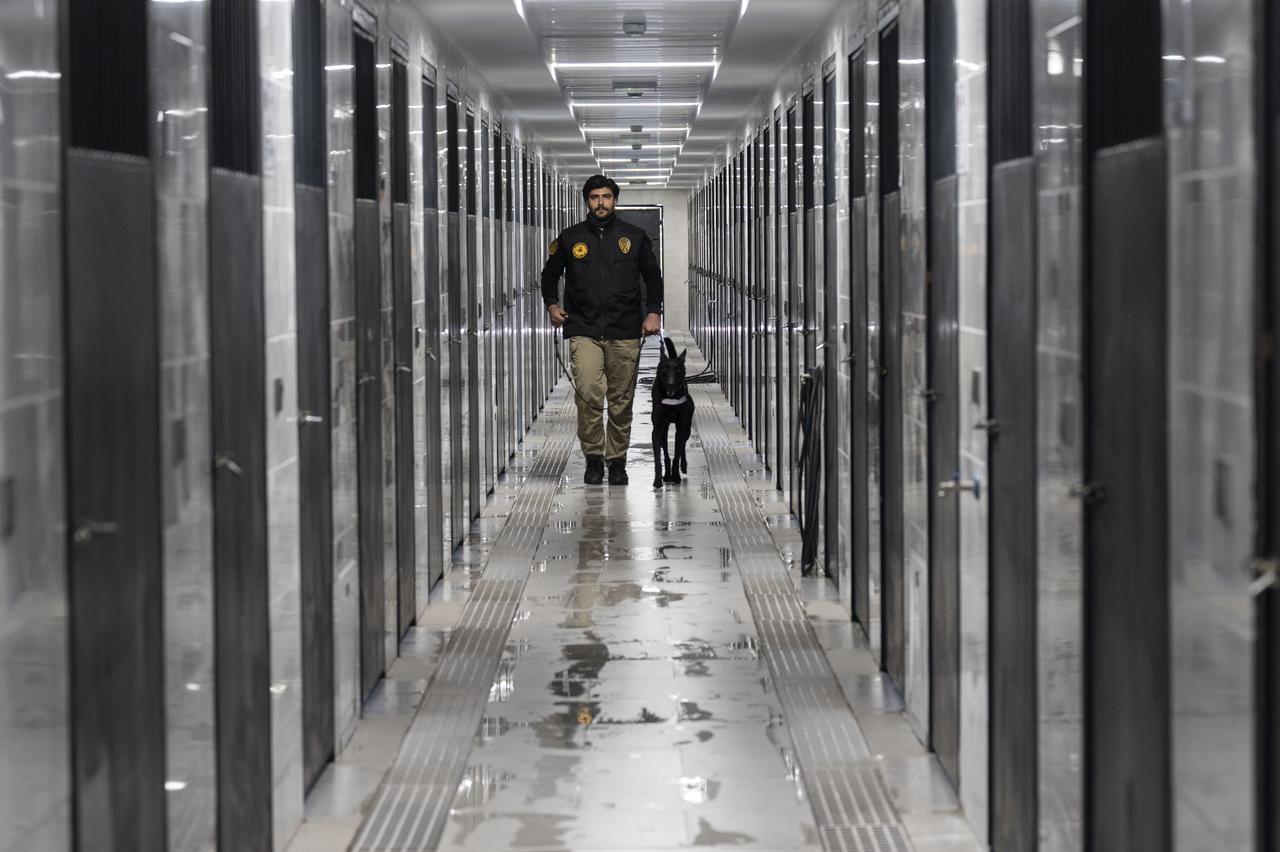
Dogs are bred on-site in dedicated units before being assigned to expert trainers who guide them through their specialization. Veterinary services within the facility ensure that all animals receive continuous care and health monitoring throughout their development.
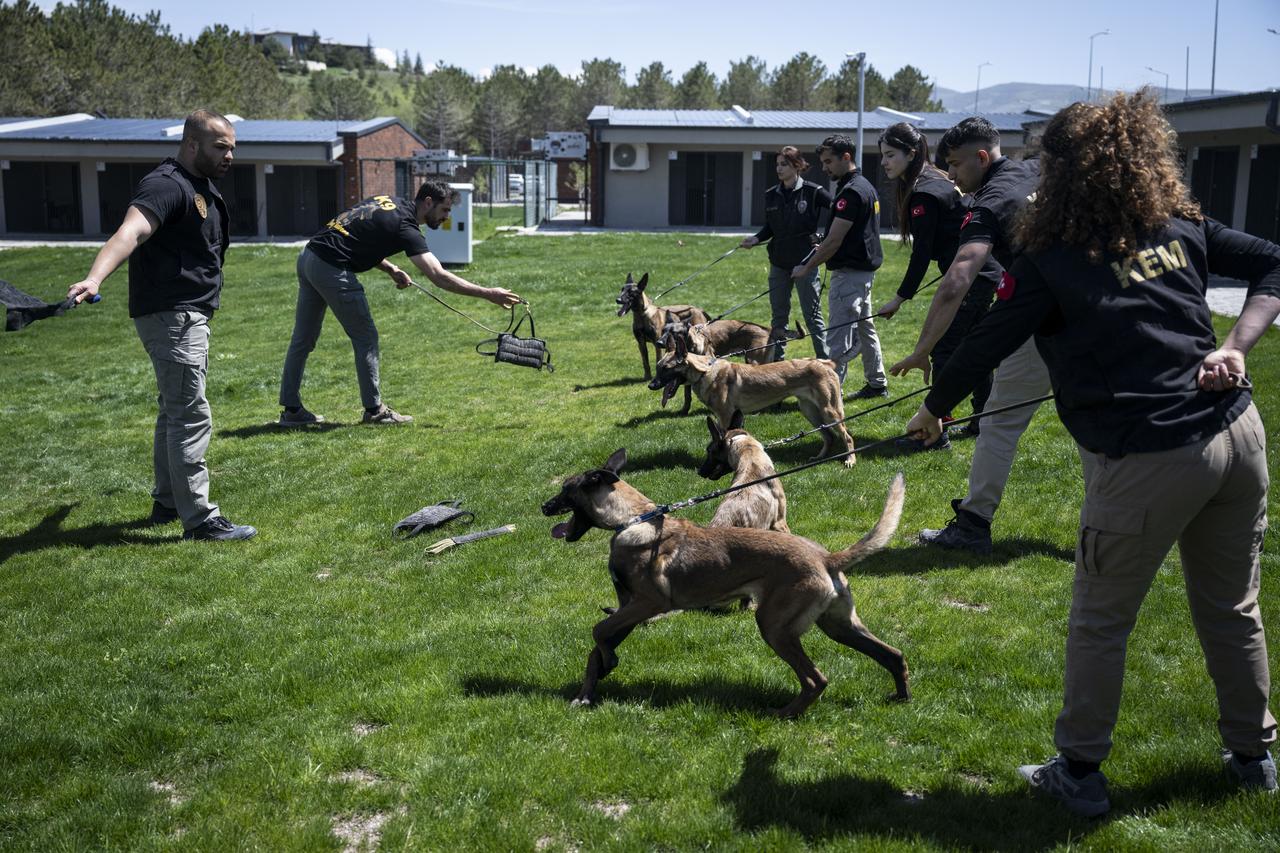
The training complex has undergone upgrades designed to bring its capabilities in line with international standards. According to center officials, the facility includes hundreds of kennels, indoor and outdoor training areas, simulation houses, scent recognition rooms, as well as accommodation for staff.
These environments are designed to mirror real-life conditions, allowing dogs to practice detecting substances in settings similar to those encountered during operations. Simulated soundscapes are also used so that both dogs and handlers can adapt to the types of noise they may face in the field.
Currently, dozens of puppies are undergoing training at the center, reflecting a continuous effort to meet operational demand.
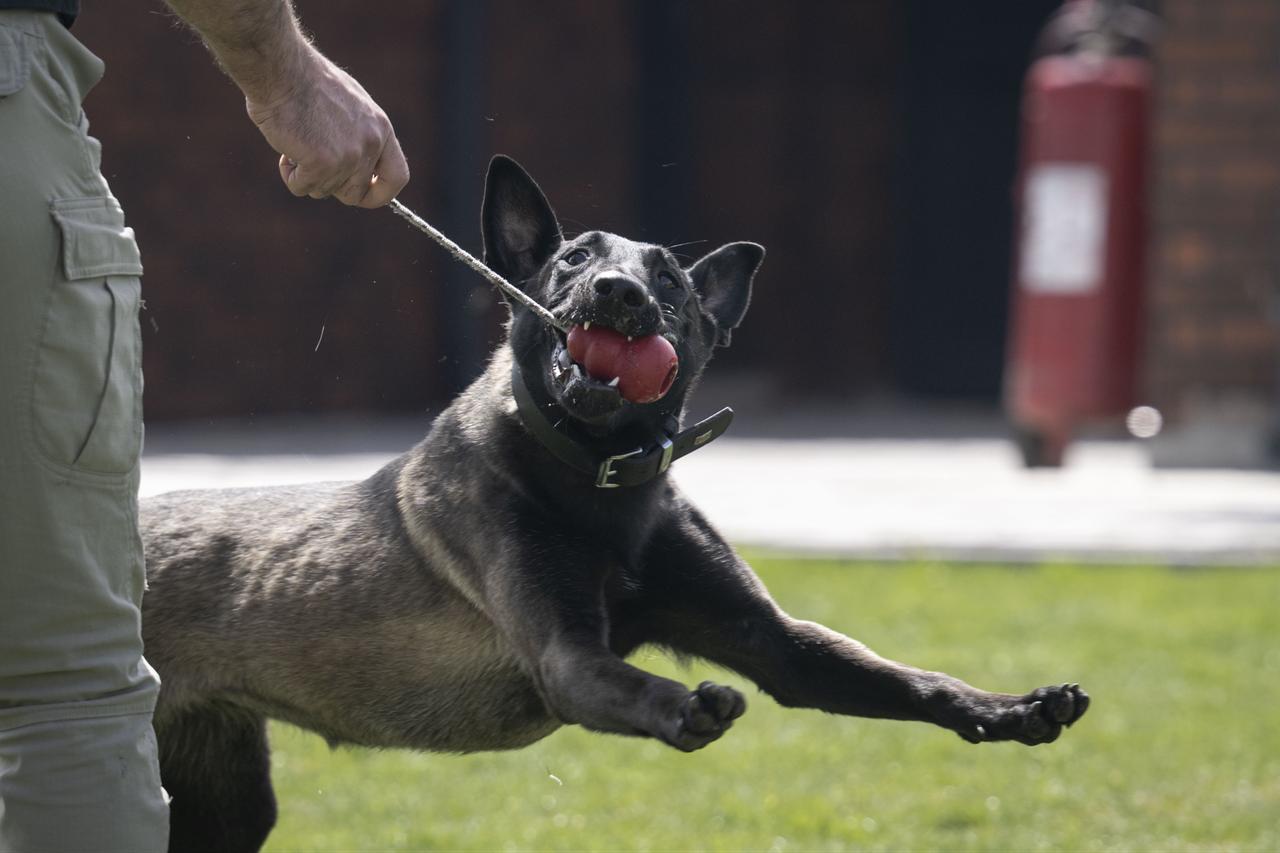
Trainers highlight that the effectiveness of these dogs depends not only on technical training but also on the relationship they build with their handlers. One expert trainer stressed that working with these animals requires strong dedication and care, noting: “You have to love the dog very much.”
He explained that handlers must take on responsibilities similar to caring for a child, from daily maintenance to long hours of supervision, especially during breeding and early development stages. Trainers may remain on-site around the clock during births to ensure both the mother and puppies remain healthy.
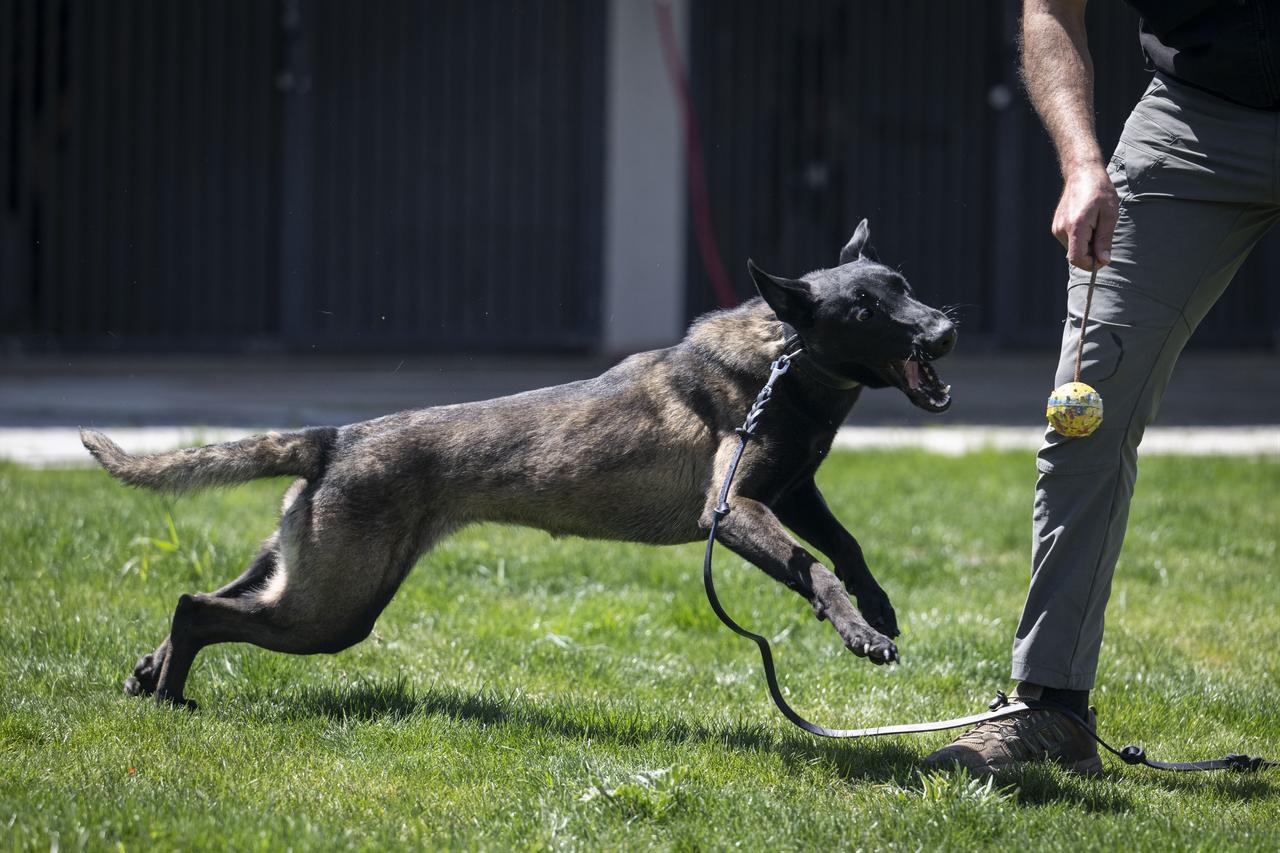
The center also supports training beyond Türkiye’s police force by offering programs to other institutions and participating in international cooperation. Trainers have taken part in courses organized by the Frontex, where new methods have been introduced to improve coordination and reduce false detection responses.
Officials note that these updated techniques help strengthen the relationship between handler and dog while ensuring more accurate and efficient search operations in the field.


 Set as preferred source
 Set as preferred source


 1 min read
 1 min read