Newsletters


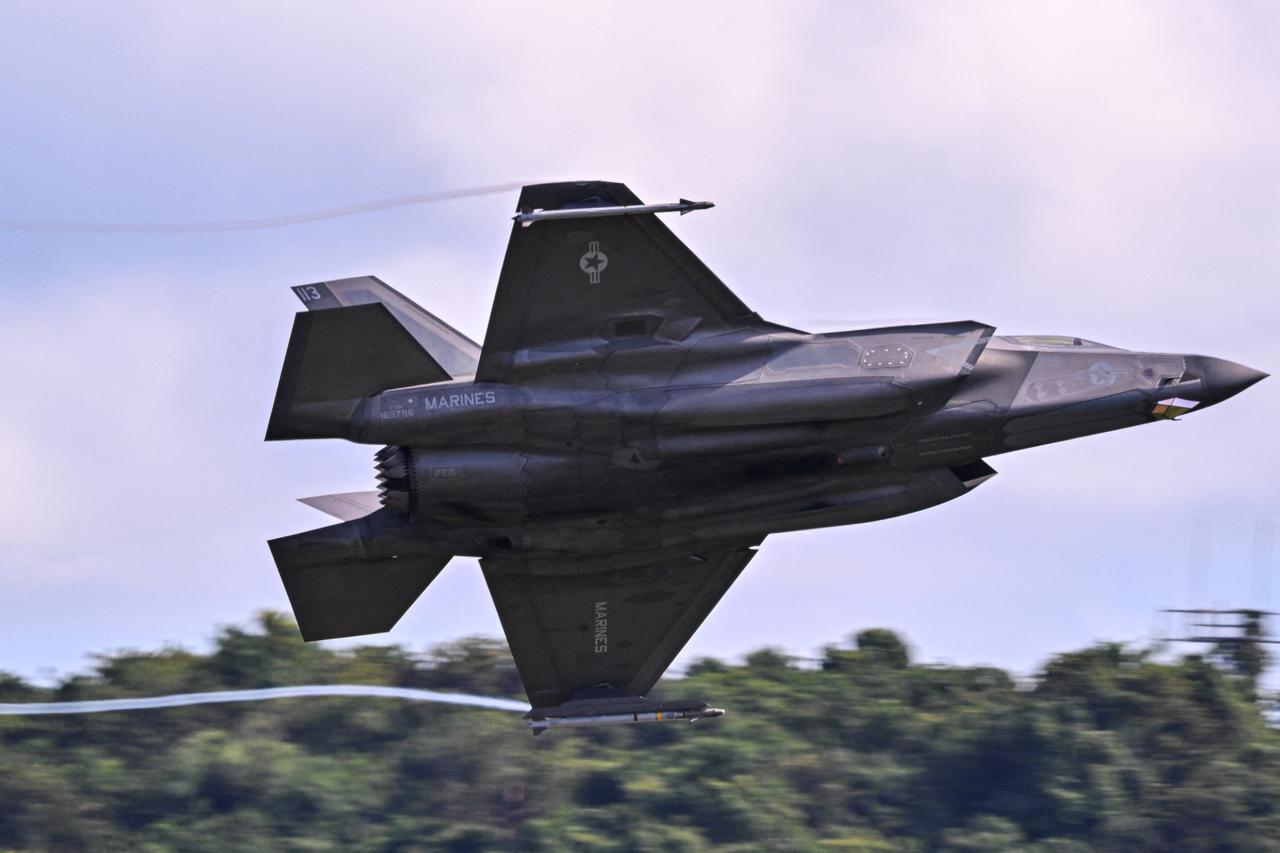


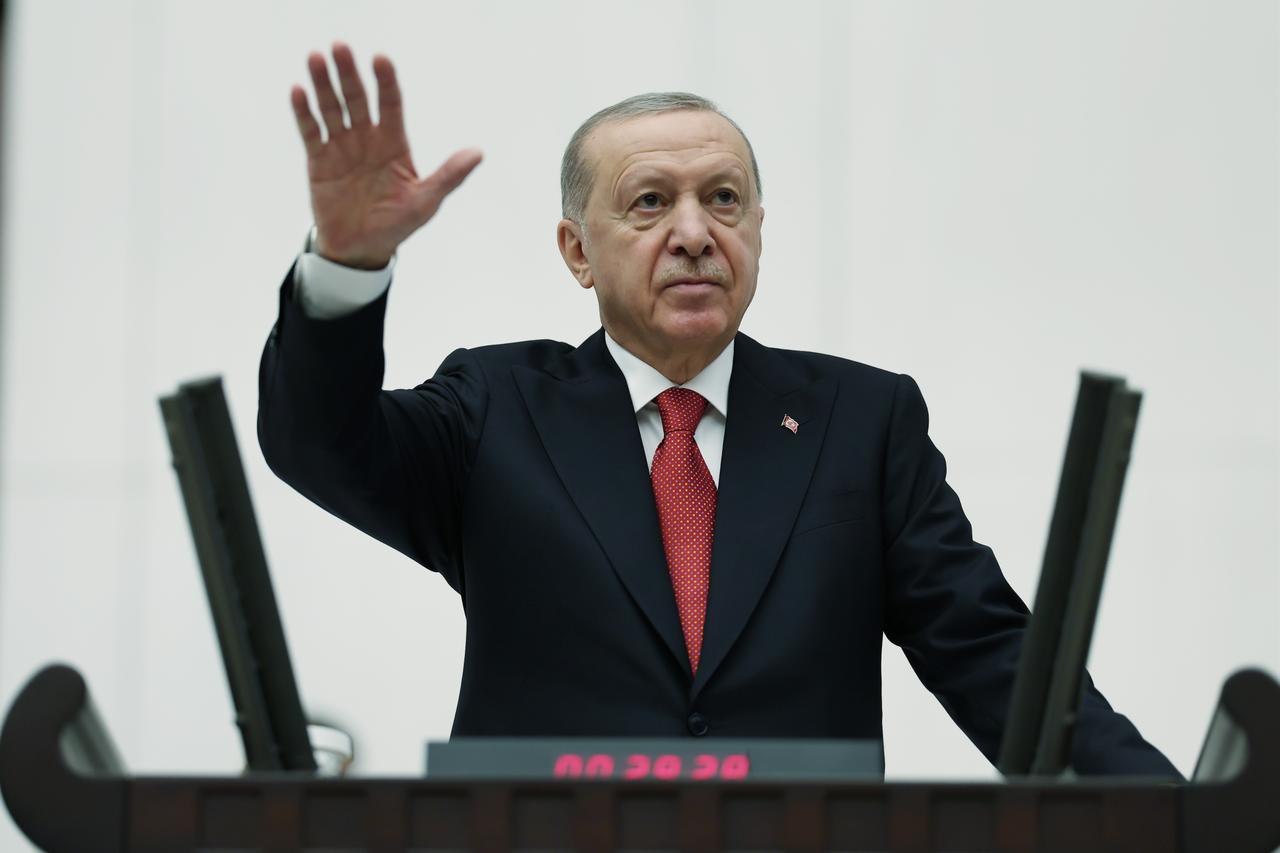
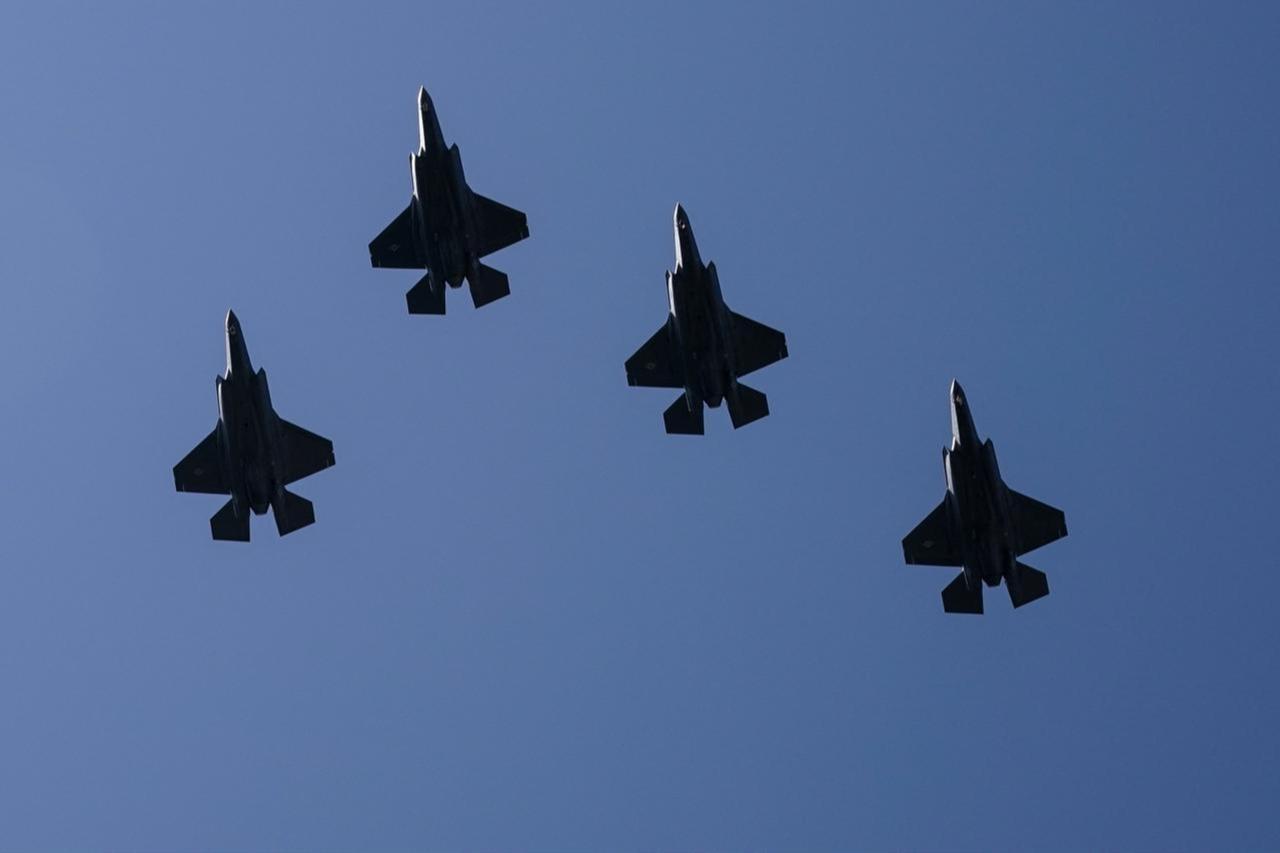
President Recep Tayyip Erdogan called for Türkiye's re-entry into the U.S.-led F-35 fighter jet program, saying it would help cement ties with Washington and strengthen the security of NATO.
"Türkiye's receipt of the F-35 aircraft for which it has already paid, and its reintegration into the program, are important and necessary" for better ties with the U.S. and NATO's defense, Erdogan said in written comments to Bloomberg on Monday.
The comments highlight the Turkish president's bid to use his rapport with U.S. President Donald Trump to repair ties strained almost a decade ago over Türkiye's purchase of Russian-made S-400 air defense systems.

"With Trump's return to office, an opportunity has emerged to move Türkiye–US relations onto a more reasonable and constructive footing," Erdogan said.
Erdogan said he made his pitch personally to Trump during their White House meeting in September, calling the decision to expel Türkiye from the F-35 program over its purchase of Russian military equipment "unjust."
Türkiye has been seeking to return the S-400 air defense systems it bought from Russia, Bloomberg reported last month.
The Turkish President reportedly raised the issue with Russian President Vladimir Putin during a meeting in Turkmenistan, a sign that he's trying to mend Türkiye's defense relationship with the U.S., which Erdogan said is a "central pillar" of bilateral ties, which was later denied by the Kremlin. "This topic was not on the agenda," Kremlin spokesman Dmitry Peskov told journalists.
U.S. Ambassador to Türkiye Tom Barrack, a close ally of Trump, said late last year that Ankara was moving closer to relinquishing the S-400s, predicting the issue could be resolved within 4 to 6 months.
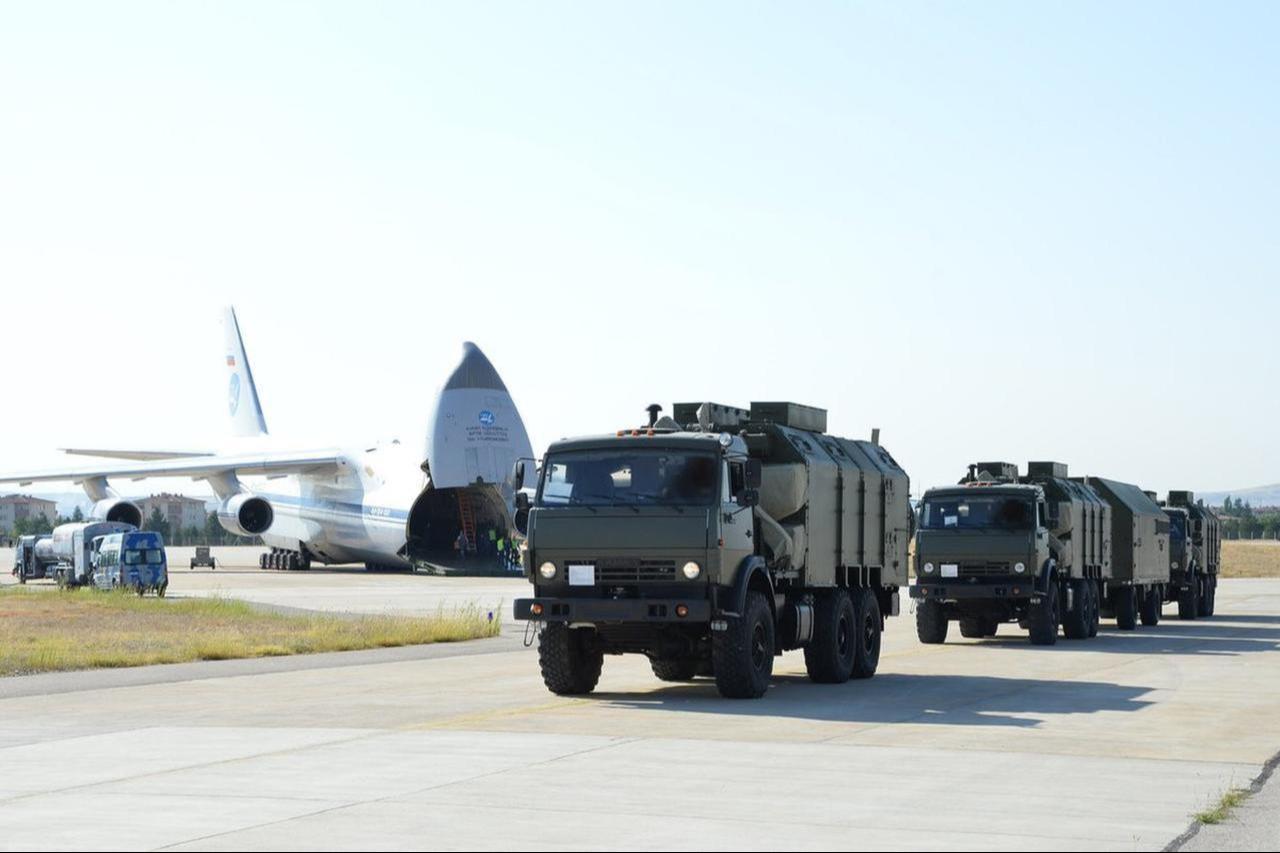
Türkiye purchased the S-400 air defense system from Russia, with deliveries beginning in July 2019. The acquisition led to Türkiye's removal from the U.S. F-35 fighter jet program and the imposition of sanctions under the Countering America's Adversaries Through Sanctions Act (CAATSA).
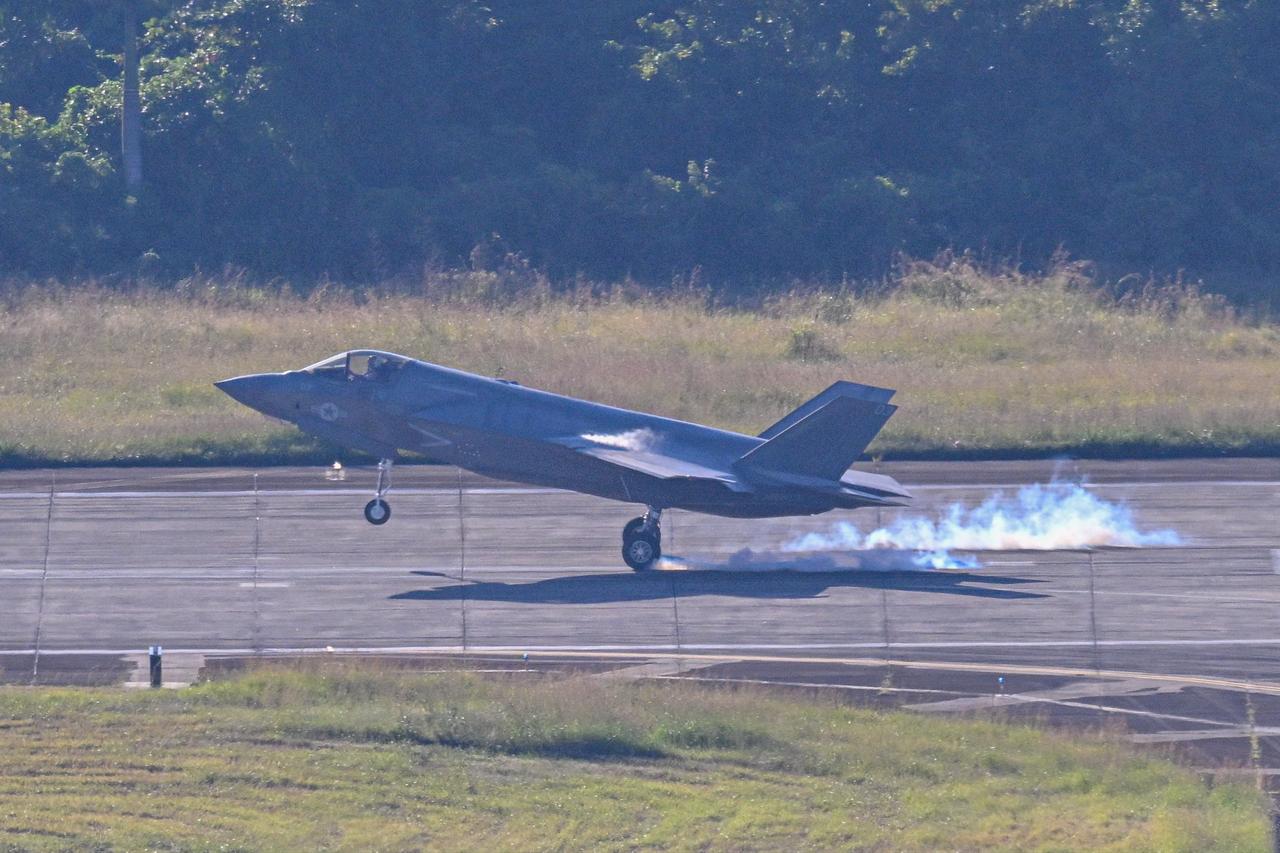
Türkiye has also been seeking to buy F-16 Block 70 aircraft from the US, though pricing remains under discussion.
Erdogan said Ankara expects terms to be in line with the spirit of the NATO alliance, touting Türkiye's purchase of Eurofighter jets as an example.
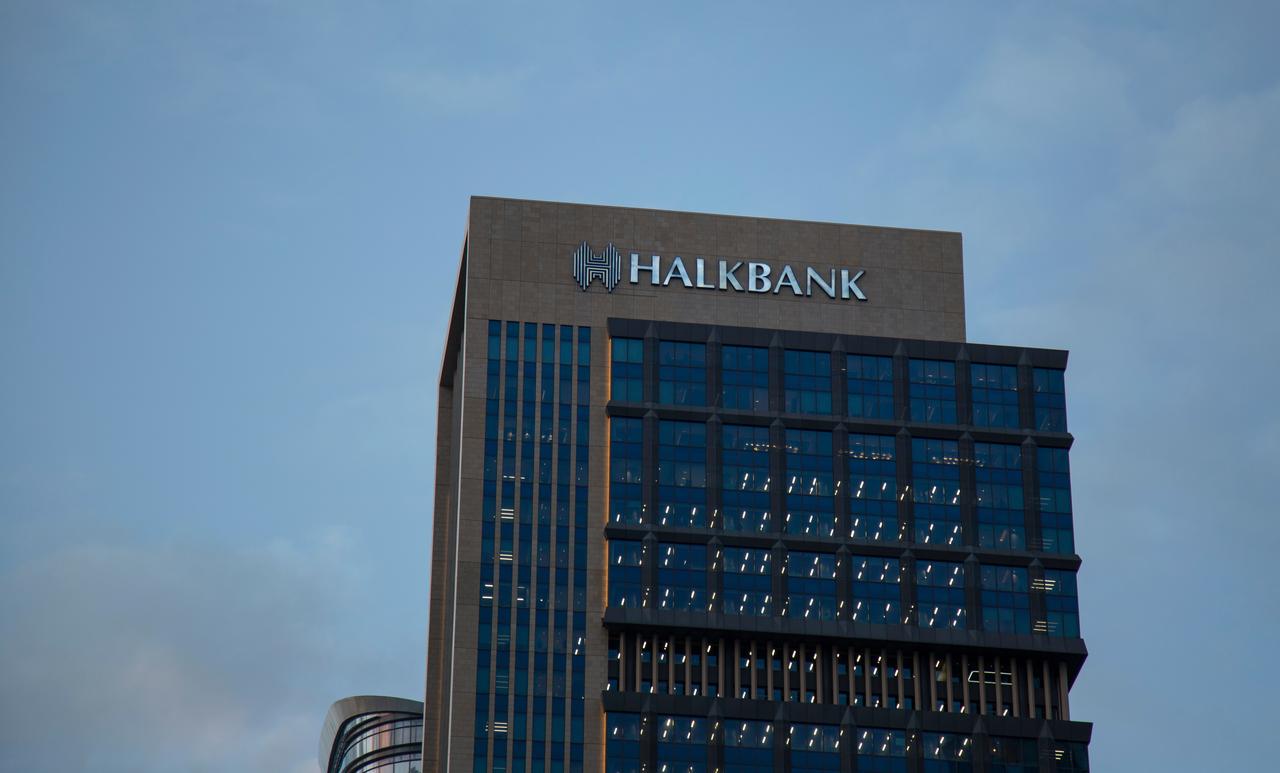
Another thorn in Turkish-American ties has been the nearly decade-long saga surrounding Türkiye's state-owned lender Türkiye Halk Bank. The bank was indicted in 2019 for allegedly participating in a multibillion-dollar scheme to evade sanctions on Iran, facing charges of fraud, money laundering and sanctions violations.
President Erdogan said Türkiye considers the allegations to be misguided and is in talks to protect the lender from "facing unjust penalties."
"We hope to reach a fair outcome that is fully consistent with the law," he said.
Türkiye is the third-largest buyer of Russian crude and came under pressure from the Trump administration in September to curb oil imports from Moscow.
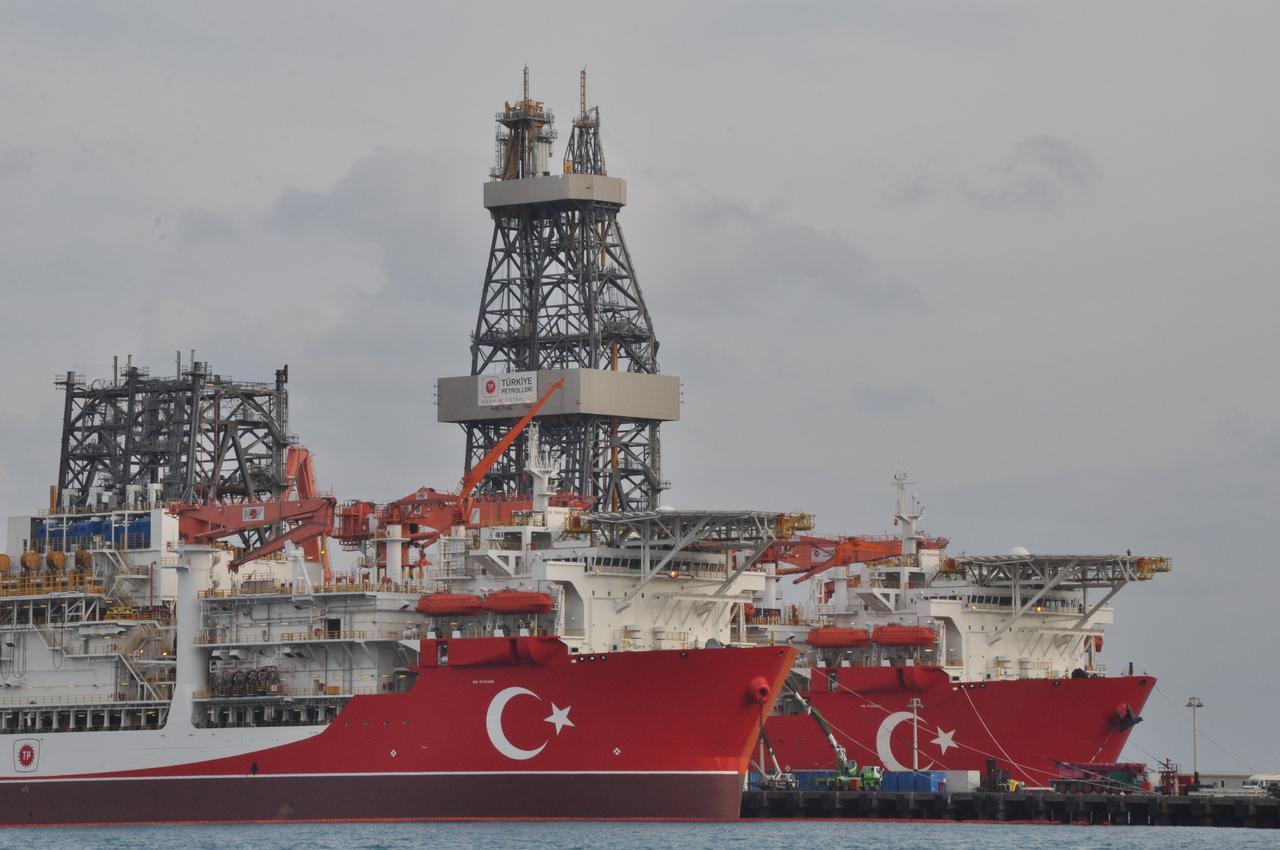
Türkiye's oil refiners have started cutting purchases after the U.S. sanctioned Moscow's top two oil producers late last year. In an attempt to address U.S. concerns, Ankara has been overhauling its gas strategy, focusing on a portfolio built around American liquified natural gas (LNG) and said it's seeking investments in U.S. oil and gas fields.
"We have significantly increased our LNG supplies, particularly from the U.S.," which now holds "a prominent position" within Türkiye's supply chain, Erdogan said.
"Türkiye's position is very clear: we act in line with our national interests and our energy security," Erdogan said.
"As a country that relies on imports for a substantial portion of its hydrocarbon requirements, we must pursue a cautious and balanced approach in all matters that may impact our energy security," he added.
However, Russia still accounted for 61% of Türkiye's oil purchases and 40% of its gas supplies, according to the most recent official Turkish data, a decades-long dominance that will likely take years to unwind.
Balancing ties with Russia against relations with NATO allies has been a difficult task for Ankara, especially since the war in Ukraine began in 2022. Erdogan has refused to sanction Moscow but has restricted its ability to send military vessels to the Black Sea through the Bosphorus and has sent weaponry to Kyiv.
"Thanks to its ability to stay out of the war, Türkiye remains a possible host for future peace talks and could provide support for monitoring any ceasefire between the warring countries," Erdogan said.
"Türkiye stands as the sole actor able to speak directly with both (Mr.) Putin" and Ukraine's President Volodymyr Zelenskyy," Erdogan said, adding, "Our door remains open to all. I have conveyed this resolve clearly and on numerous occasions to both" leaders.
In the Middle East, Türkiye has been a key power broker behind the October ceasefire in the war between Hamas and Israel.
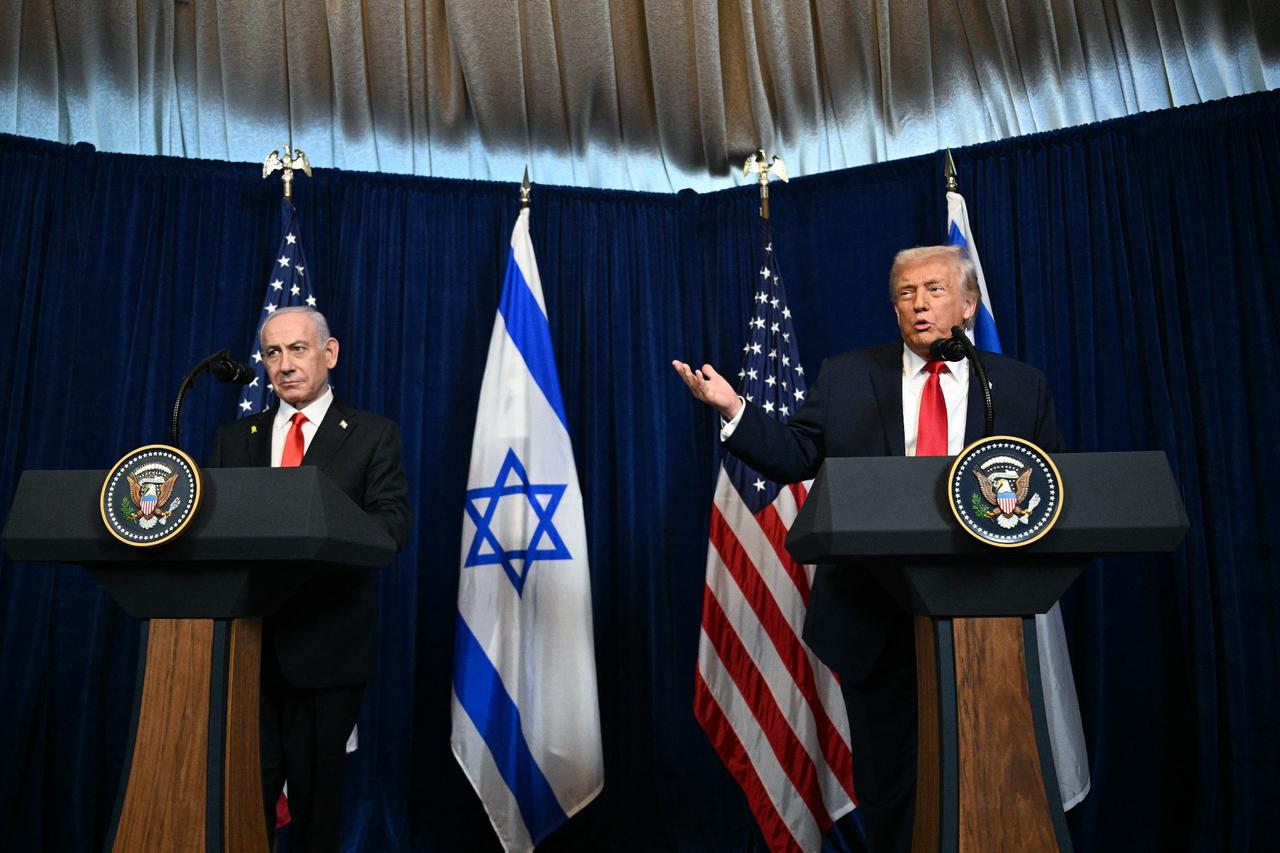
The Turkish president, a vocal critic of Israeli Prime Minister Benjamin Netanyahu and his conduct of the war in the Palestinian enclave, said a proposed International Stabilization Force in Gaza would struggle to achieve legitimacy without Türkiye's involvement.
"We are in the position of a key country for such a mission due to our deep historical ties with the Palestinian side, the security and diplomacy channels we have conducted with Israel in the past, and our regional influence as a NATO member country," Erdogan noted.
"Our political will is clear; we stand ready to take on any responsibility for a lasting peace in Gaza," he added.


 Set as preferred source
 Set as preferred source


 1 min read

 1 min read